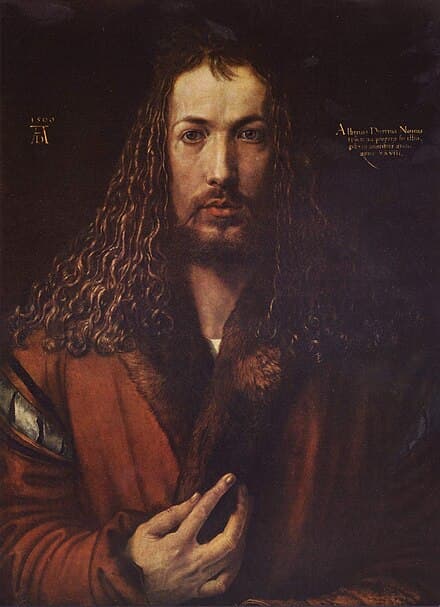
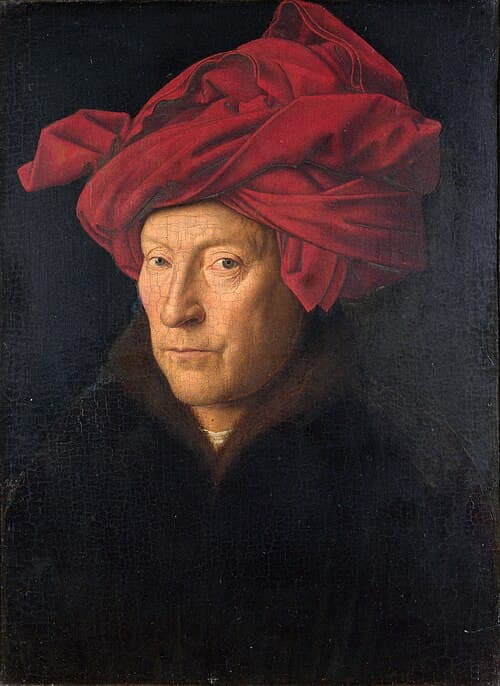
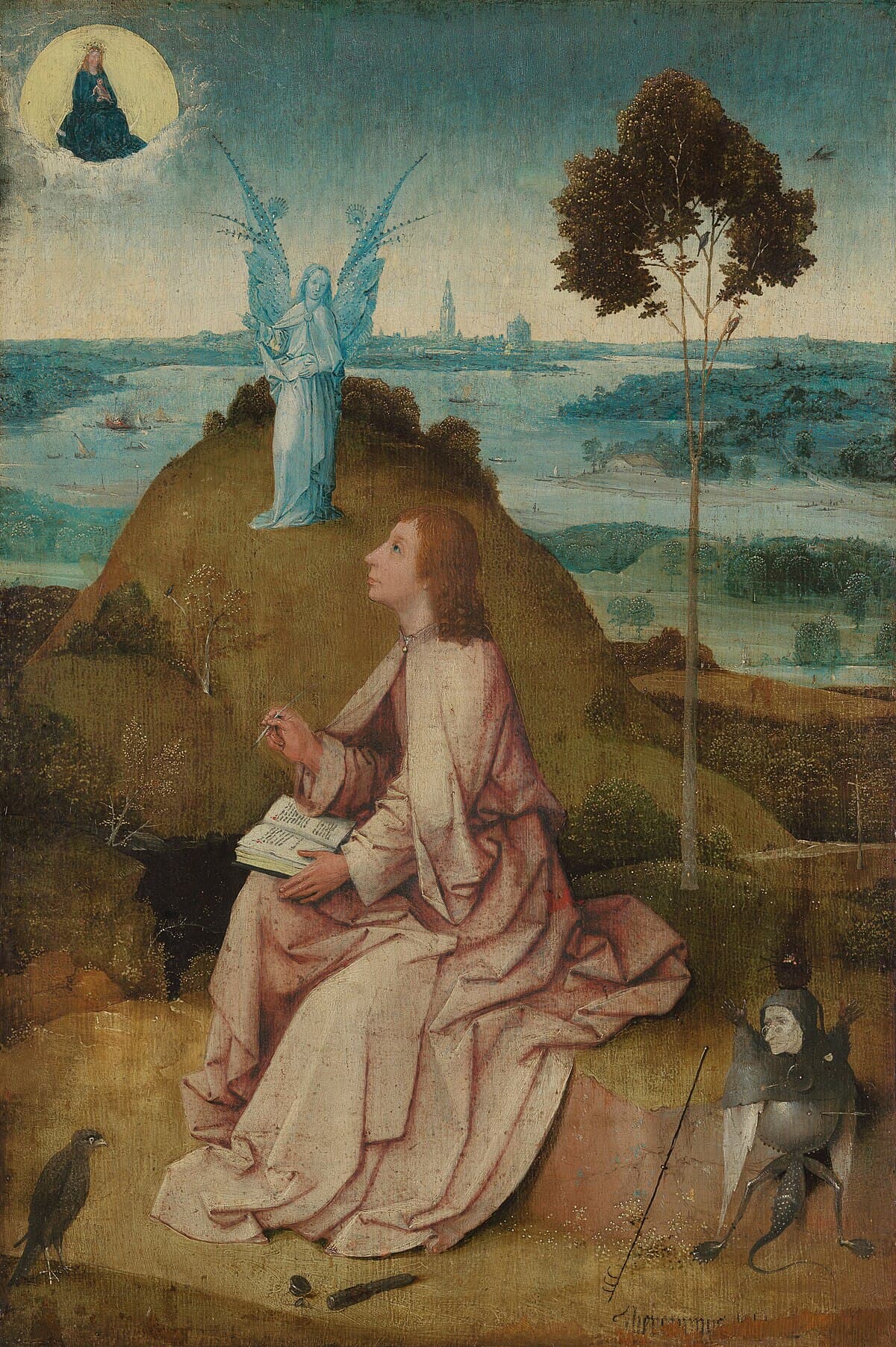
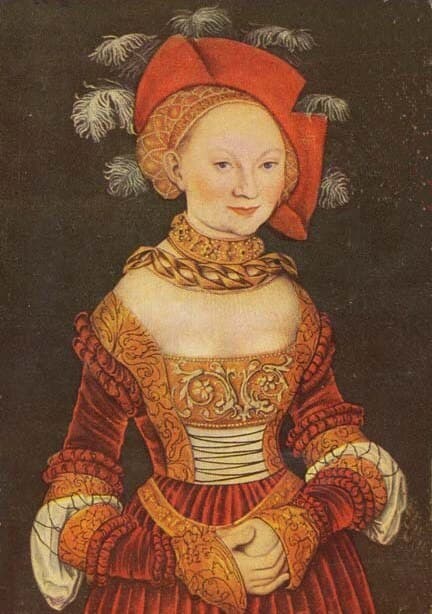
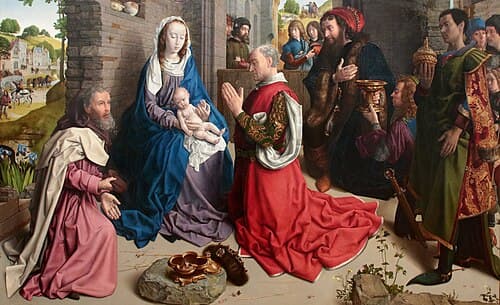
<p>The Northern Renaissance took hold across Flanders, the Netherlands, and Germany between roughly 1430 and 1580, developing alongside the Italian Renaissance but following its own path. Where Italian painters chased idealized proportion, Northern artists built their reputation on close observation: every fold of cloth, strand of hair, and reflection in a mirror rendered with almost obsessive precision. This attention to detail was made possible by a technical breakthrough. Painters in the region refined oil paint into a medium that could hold thin, layered glazes, letting light pass through and bounce back off the panel underneath.</p> <p><a href="/apps/masterpieces/artist/jan-van-eyck"><strong>Jan van Eyck</strong></a> is usually credited as the movement's founding figure. His <a href="/apps/masterpieces/art/arnolfini-portrait"><strong>Arnolfini Portrait</strong></a> and <a href="/apps/masterpieces/art/annunciation-van-eyck"><strong>The Annunciation</strong></a> show how a domestic interior or a shaft of light could carry layers of religious meaning without a single obvious symbol out of place. <a href="/apps/masterpieces/artist/albrecht-durer"><strong>Albrecht Dürer</strong></a> carried the tradition into printmaking and self-portraiture, most famously in his <a href="/apps/masterpieces/art/self-portrait-at-28"><strong>Self-Portrait at Twenty-Eight</strong></a>. <a href="/apps/masterpieces/artist/hieronymus-bosch"><strong>Hieronymus Bosch</strong></a>, <a href="/apps/masterpieces/artist/hugo-van-der-goes"><strong>Hugo van der Goes</strong></a>, and <a href="/apps/masterpieces/artist/lucas-cranach-elder"><strong>Lucas Cranach the Elder</strong></a> each pushed the style in different directions, from fantastical moral allegory to court portraiture, but all shared the same commitment to rendering the physical world exactly as the eye could see it.</p>
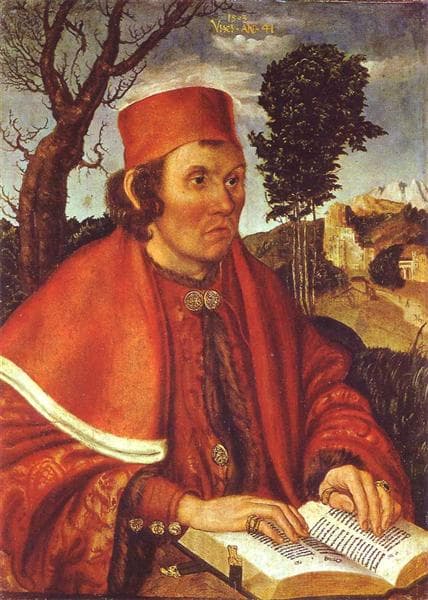
Lucas Cranach the Elder
Germanisches Nationalmuseum, Nuremberg, Nuremberg
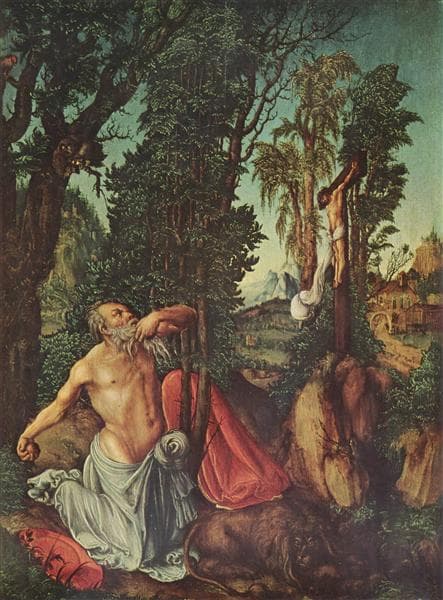
Lucas Cranach the Elder
Kunsthistorisches Museum, Vienna
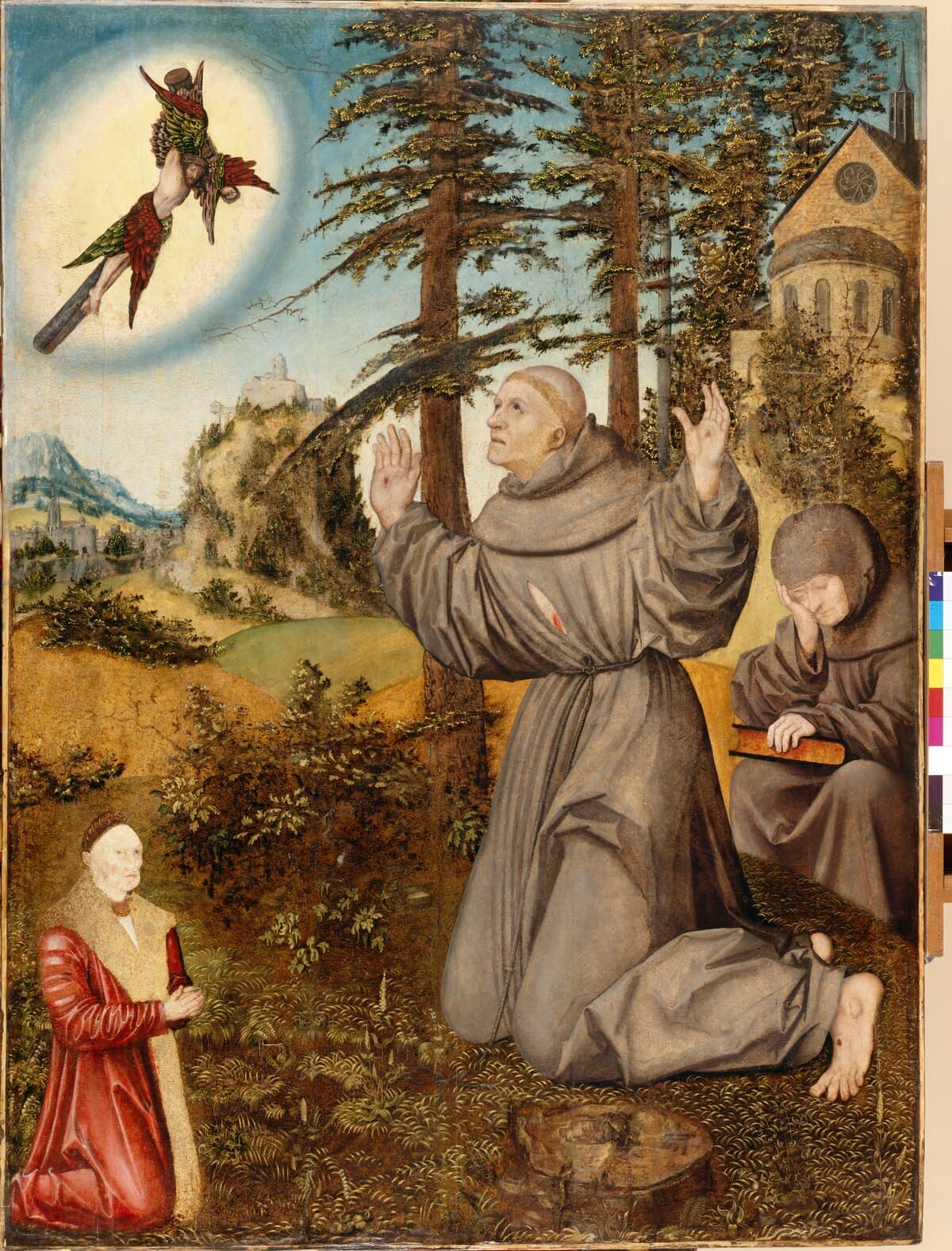
Lucas Cranach the Elder
Academy of Fine Arts Vienna, Vienna, Vienna
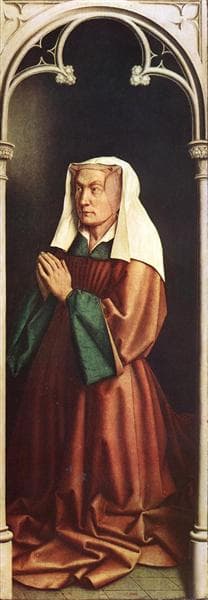
Jan van Eyck
St. Bavo Cathedral, Ghent, Ghent
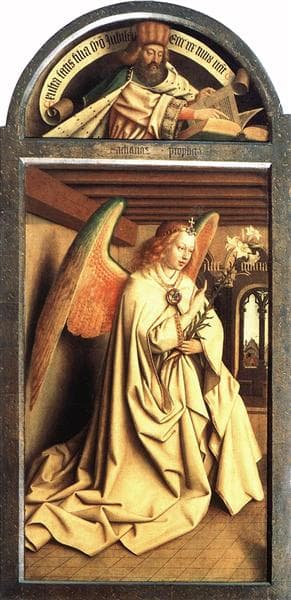
Jan van Eyck
St. Bavo Cathedral, Ghent, Ghent
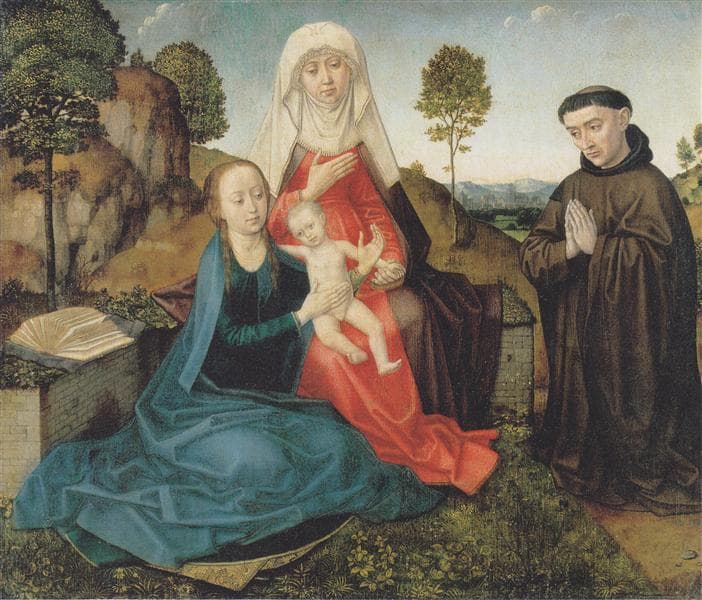
Hugo van der Goes
Royal Museums of Fine Arts of Belgium, Brussels
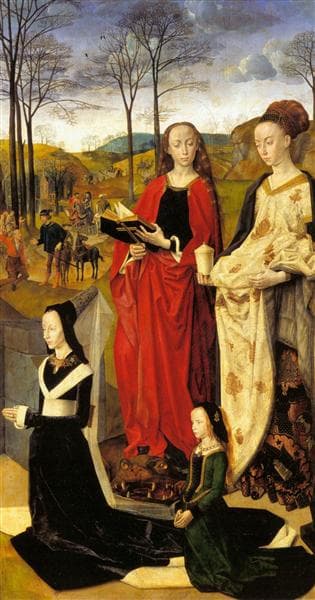
Hugo van der Goes
Uffizi Gallery, Florence, Florence
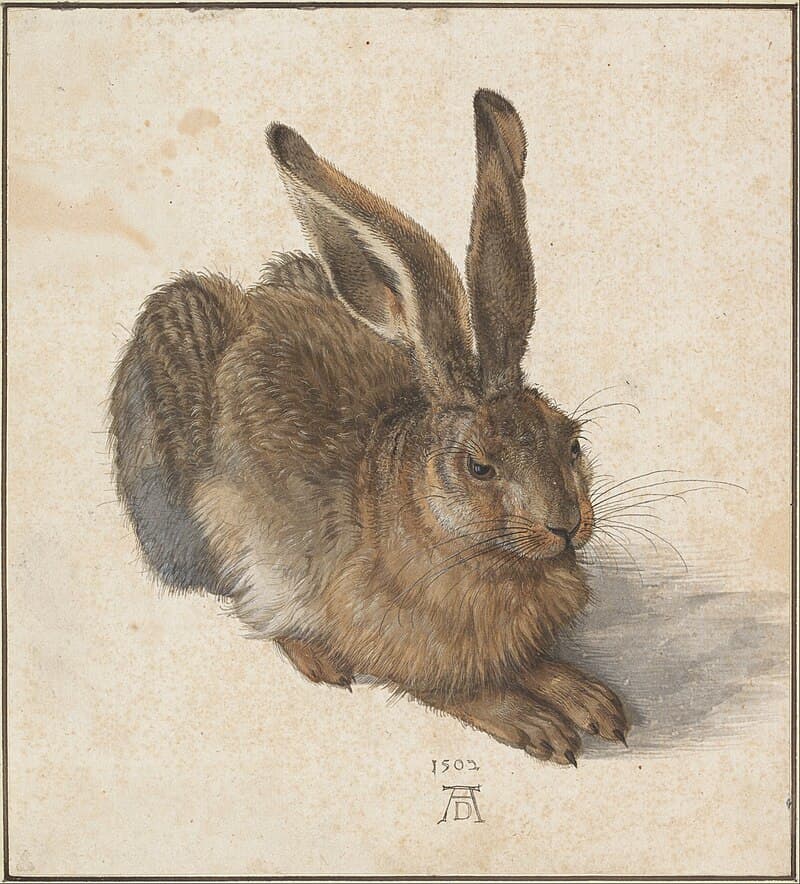
Albrecht Dürer, 1502
Albertina, Vienna
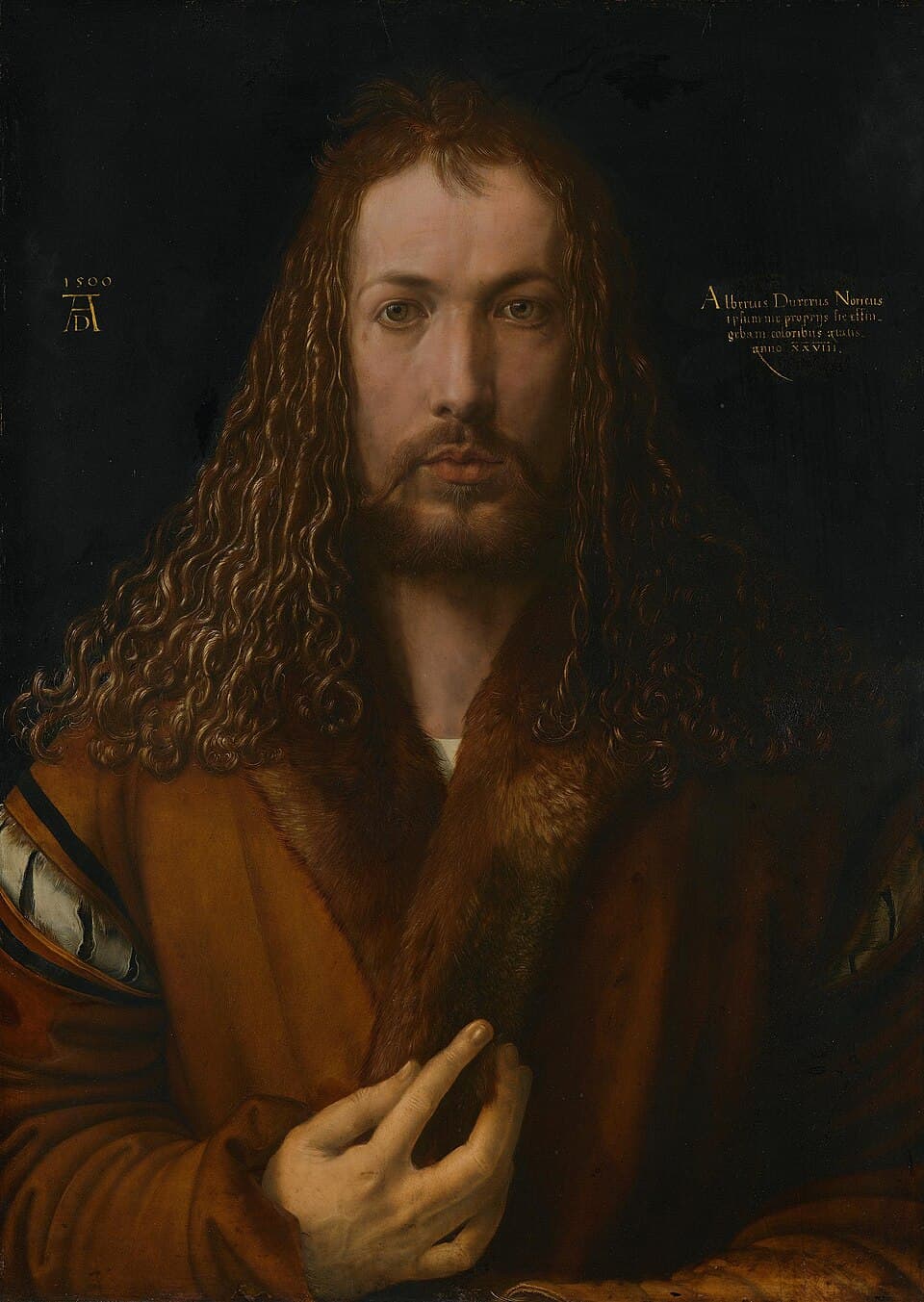
Albrecht Dürer, 1500
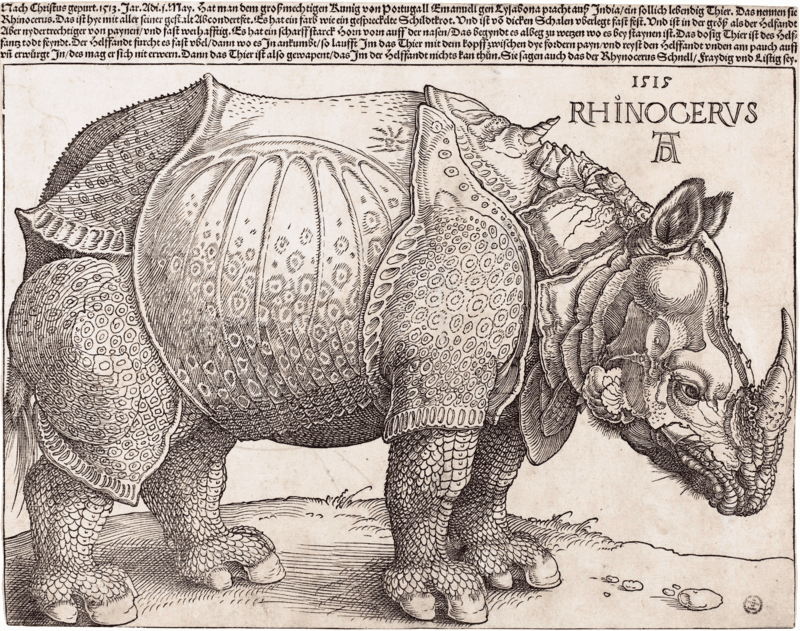
Albrecht Dürer, 1515
British Library, London, London
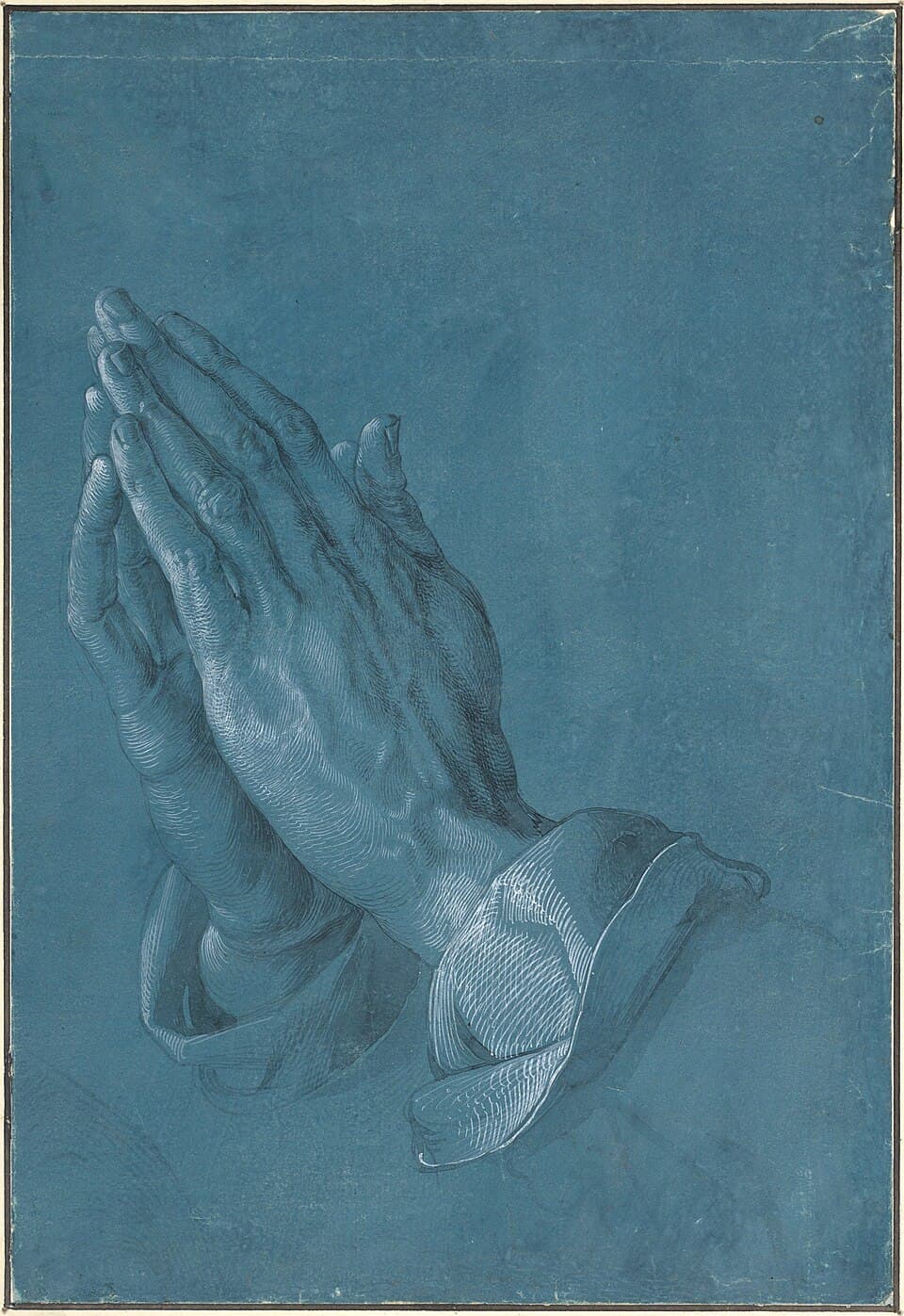
Albrecht Dürer, 1508
Albertina, Vienna
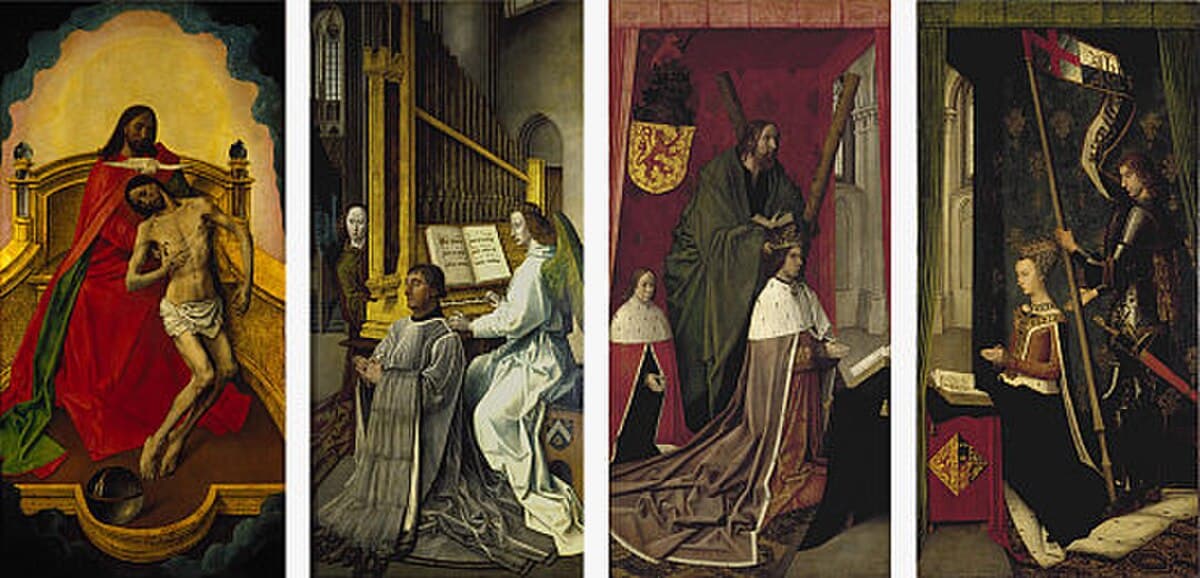
Hugo van der Goes, 1475
Uffizi Gallery, Florence, Florence
Luxury decor featuring museum-quality canvas prints inspired by these iconic masterpieces.
Shop Northern Renaissance Art