Follow the founder of Impressionism from Paris to Giverny
Claude Monet spent 86 years pursuing light and color across France and beyond. From his childhood in Le Havre to his final decades at Giverny, Monet transformed how we see the world. His garden at Giverny, which he designed himself, became the subject of his most famous series: the Water Lilies. Today you can visit the places that inspired Impressionism.
Monet's family moved to Le Havre when he was five. Here, the young artist fell in love with the sea and sky of Normandy. He began as a caricaturist but was mentored by landscape painter Eugene Boudin, who taught him to paint outdoors. This coastal city sparked his lifelong obsession with capturing changing light.
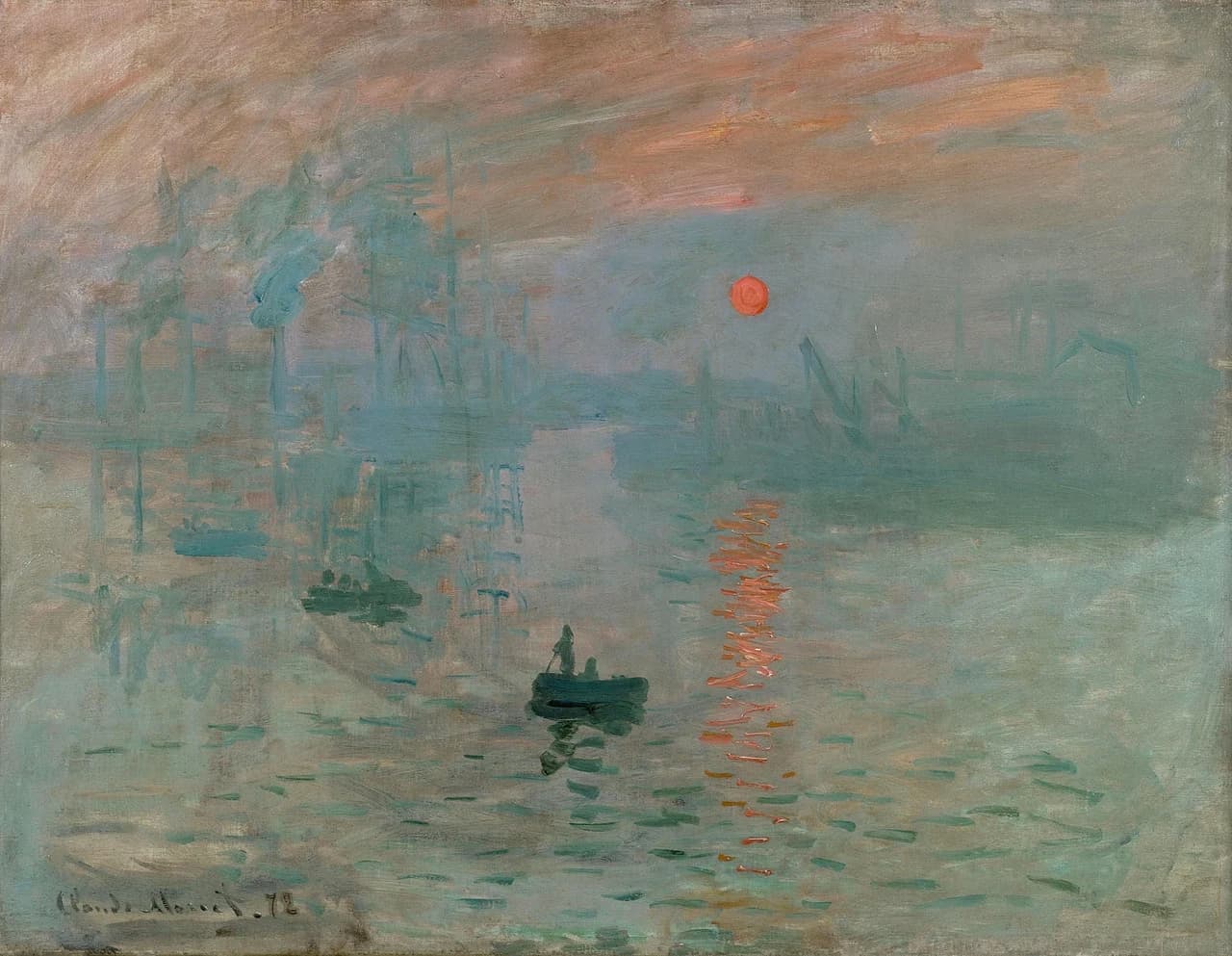
Why it matters: Monet's artistic awakening. Boudin's influence here led directly to Impressionism. The painting that gave the movement its name, Impression, Sunrise, depicts Le Havre harbor.
Houses the second largest Impressionist collection in France, including works by Monet, Boudin, and Renoir
Get ticketsThe exact view Monet painted in Impression, Sunrise. Best seen at dawn.
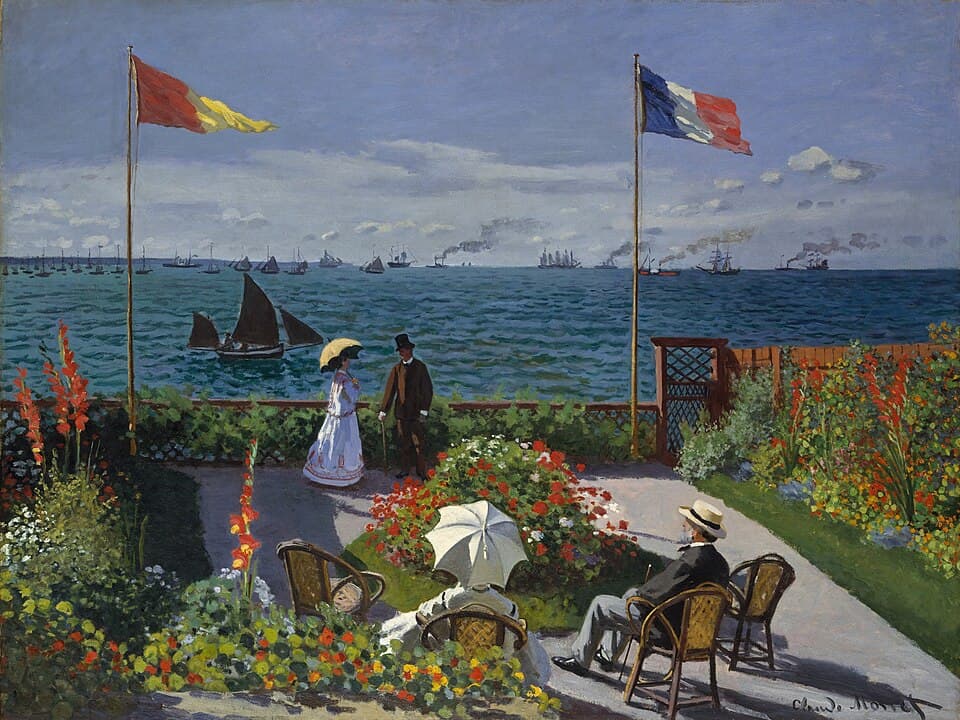
Coastal suburb where Monet painted Garden at Sainte-Adresse and many seascapes
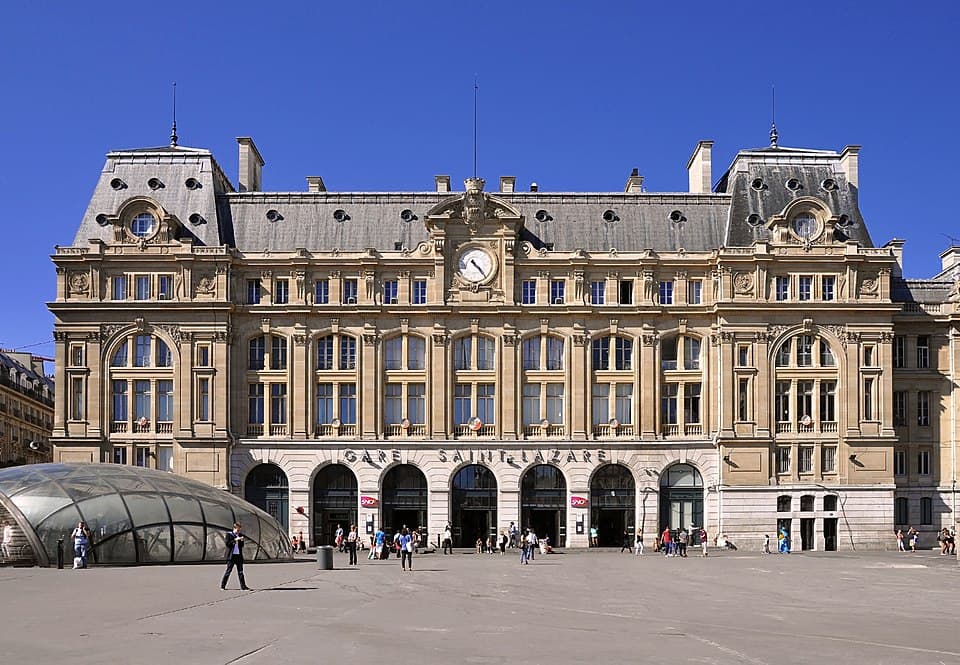
Monet arrived in Paris at 19 to study art, meeting Renoir, Sisley, and Bazille at Gleyre's studio. Together they would revolutionize painting. The 1874 exhibition that launched Impressionism was held here, mocked by critics who coined the term from Monet's Impression, Sunrise. His Gare Saint-Lazare series captured the modern city in steam and light.
Why it matters: The birthplace of Impressionism. Monet's Paris works show urban modernity through an Impressionist lens, from train stations to parks.
Houses Monet's eight monumental Water Lilies murals in two oval rooms, exactly as he intended
These immersive panels were Monet's gift to France after WWI. A pilgrimage site for art lovers.
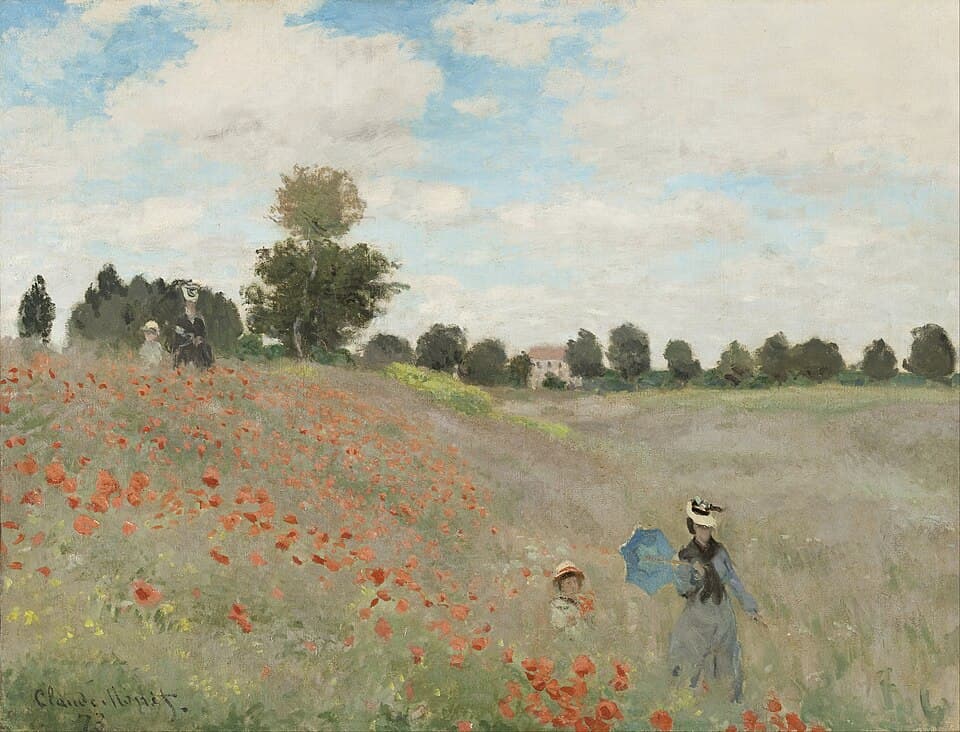
Get ticketsThe world's greatest Impressionist collection, with major Monet works including Rouen Cathedral and Poppies
Get ticketsThe train station Monet painted 12 times in 1877, capturing steam and iron in afternoon light
Houses the world's largest Monet collection, including Impression, Sunrise
Get ticketsAfter the Franco-Prussian War, Monet settled in this Seine-side town northwest of Paris. The seven years here were among his most productive. He painted the river, the railway bridge, regattas, and his garden. Renoir, Manet, and Sisley visited regularly, and they painted together outdoors, developing the Impressionist technique.
Why it matters: The golden age of Impressionism. More than 170 paintings came from Argenteuil, including iconic works showing modern leisure and nature intertwined.
Monet rented this house from 1874-1878. The building still stands, now private residences.
5 Boulevard Karl Marx
The railway and road bridges Monet painted repeatedly. The modern bridges echo the originals.
Riverside park with an Impressionist walking trail marking painting locations
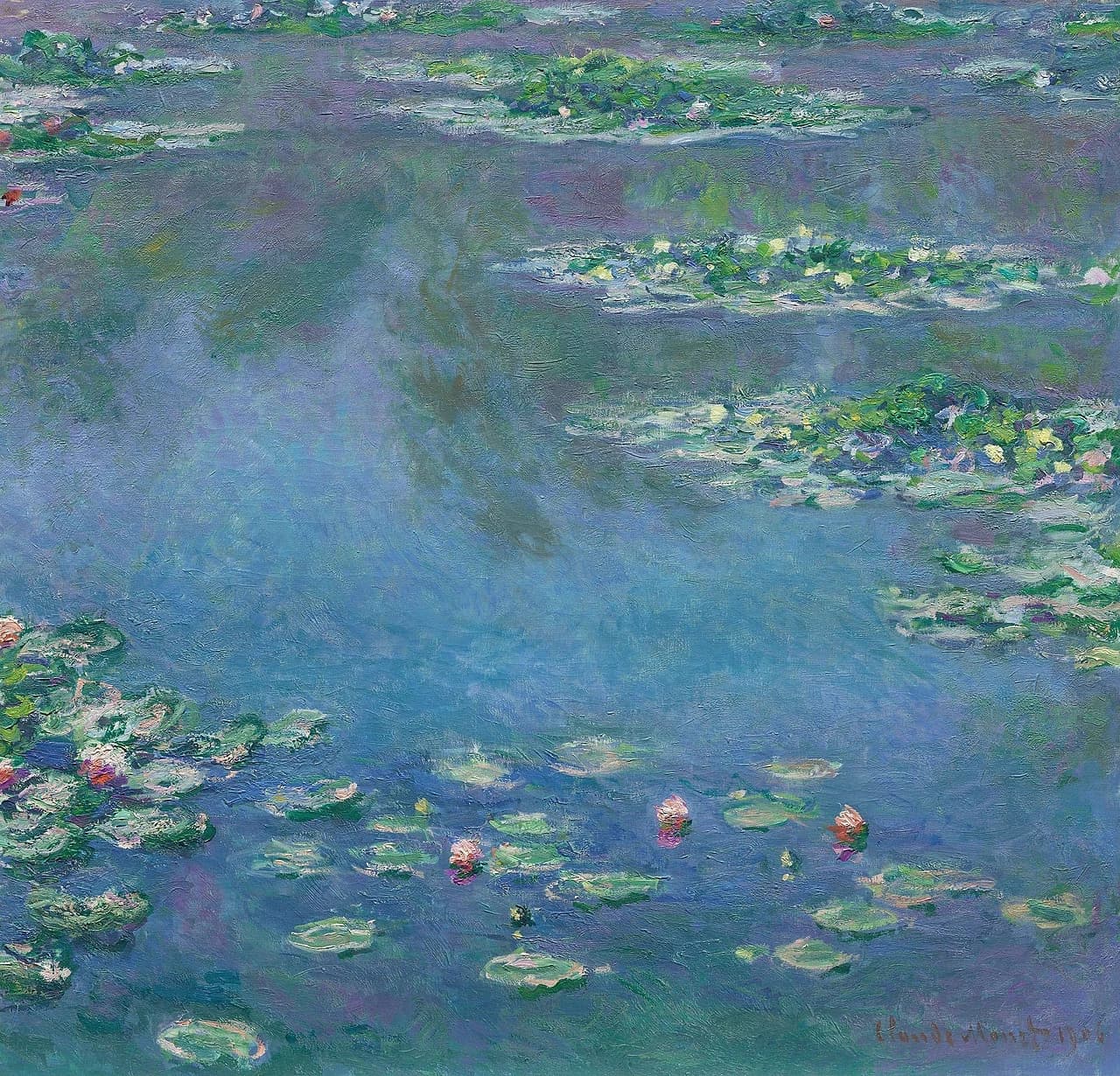
Monet discovered Giverny from a train window and moved his family here in 1883. Over 43 years, he transformed the property into a living artwork. He diverted a stream to create the water garden with its Japanese bridge and water lilies. The gardens became his primary subject, inspiring over 250 Water Lily paintings and the monumental Orangerie murals.
Why it matters: Monet's masterpiece was not just a painting but an entire environment. The gardens he created remain one of France's most visited sites.
Monet's pink house, studio, and famous gardens. The water garden with Japanese bridge is exactly as he painted it.
84 Rue Claude Monet
Visit in morning for fewer crowds. The wisteria blooms in late April; water lilies from June to September.
Get ticketsDedicated to the Impressionist movement, with rotating exhibitions often featuring Monet
Get ticketsMonet is buried in the village cemetery, alongside his family
Where American artists stayed when they came to paint alongside Monet. Now a restaurant with a lovely garden.
Monet's Giverny works are in museums worldwide. The gardens themselves are the masterpiece you visit here.
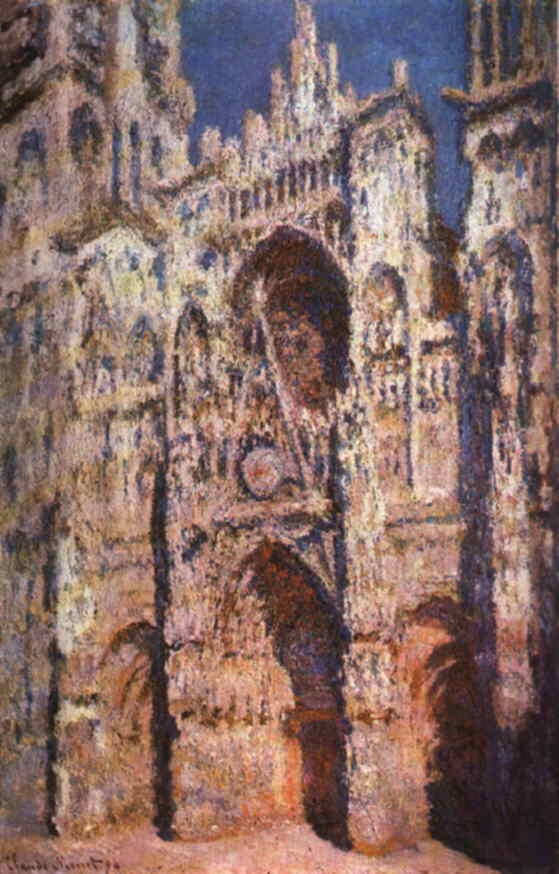
From a rented room across from Rouen Cathedral, Monet painted the facade over 30 times, capturing it at different hours and seasons. He worked on multiple canvases simultaneously, switching as the light changed. The series demonstrated that a single subject could yield infinite variations.
Why it matters: The Cathedral series marked a turning point. Monet proved that the subject mattered less than light itself. This obsessive approach led directly to the Water Lilies.
The Gothic cathedral Monet painted obsessively. Stand across the square where he set up his easel.
Houses one Monet cathedral painting plus works by other Impressionists
Get ticketsA plaque marks the building where Monet rented space to paint the cathedral
Place de la Cathédrale
Monet made three extended visits to London, drawn by the fog and atmospheric effects. From his room at the Savoy Hotel, he painted the Thames, Waterloo Bridge, and the Houses of Parliament nearly 100 times. He loved how London fog transformed the city into a dream of purple, orange, and gray.
Why it matters: The London series shows Monet at his most atmospheric. He saw pollution as artistic opportunity, transforming industrial smog into poetry.
Monet stayed in rooms overlooking the Thames, painting from his window and balcony
Monet painted the parliament building at different times of day from St Thomas' Hospital across the river
Visit Monet's home and gardens, the Musée des Impressionnismes, and the village
Explore the Orangerie, Orsay, and Marmottan museums plus the Gare Saint-Lazare
Monet's 2,500+ paintings are spread across the world's great museums. Here are the essential collections:
Paris, France
The eight monumental Water Lilies murals in two oval rooms
Paris, France
World's largest Monet collection, including Impression, Sunrise
Paris, France
New York, USA
Chicago, USA
One of the largest Monet collections outside France
Born in Paris on November 14
Family moves to Le Havre, Normandy
Meets Eugene Boudin, who introduces him to outdoor painting
Moves to Paris to study art
First Impressionist exhibition; Impression, Sunrise inspires the movement's name
Settles in Giverny
Creates the water garden at Giverny
Begins painting the Japanese bridge and water lilies
Visits Venice, creating a celebrated series
Begins monumental Water Lilies panels for the Orangerie
Dies at Giverny on December 5, aged 86
Browse our database of Claude Monet's paintings and discover where each masterpiece is displayed today.