Follow the Dutch Master through the Golden Age
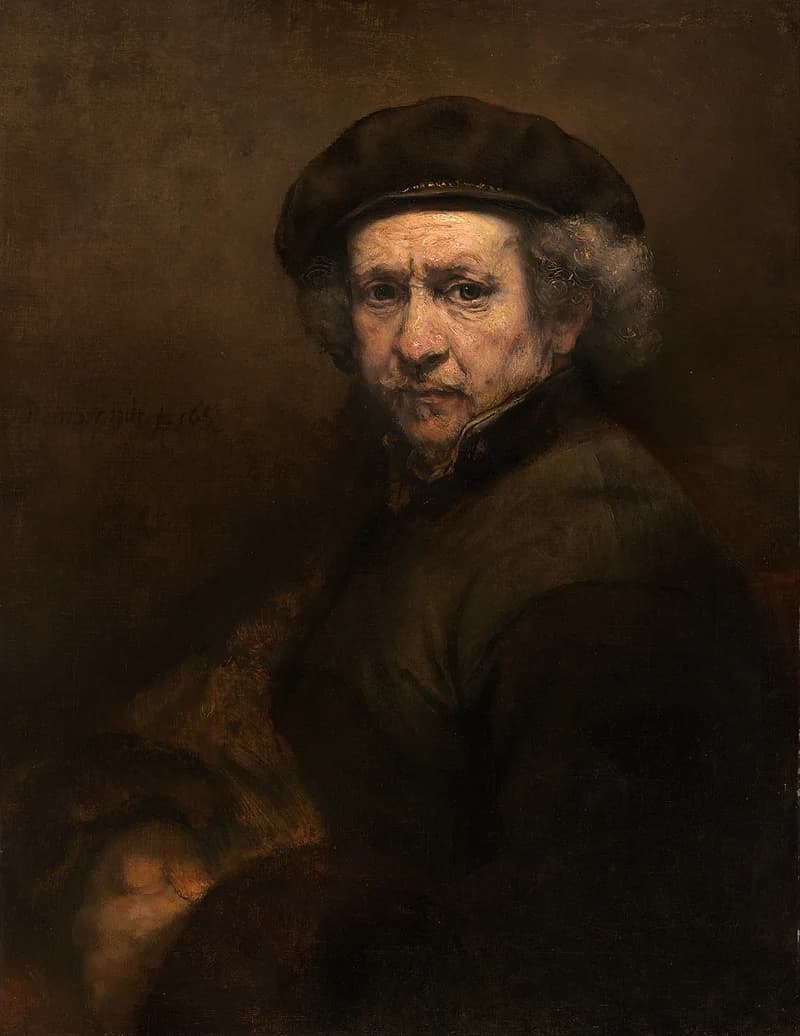
Rembrandt Harmenszoon van Rijn was the greatest painter of the Dutch Golden Age. Born in Leiden, he conquered Amsterdam with his dramatic lighting and psychological depth. His self-portraits chart a lifetime of triumphs and tragedies: fame, fortune, bankruptcy, and the loss of his wife and children. Through it all, he painted with unflinching honesty, transforming himself and everyone around him into timeless art.
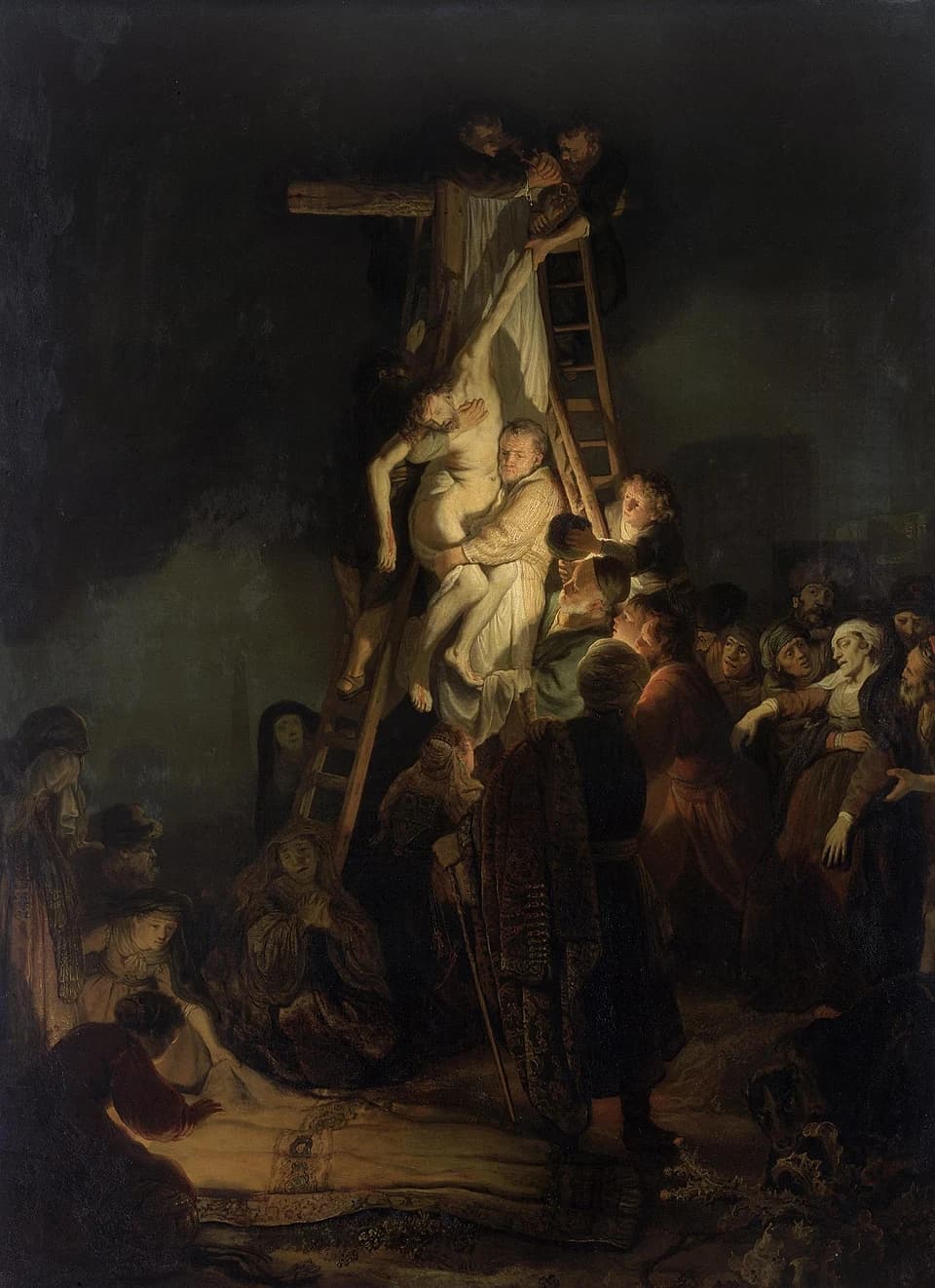
Rembrandt was born on July 15, 1606, the ninth child of a prosperous miller. Leiden was a thriving intellectual center, home to the oldest university in the Netherlands. Young Rembrandt enrolled at 14 but quickly abandoned academic studies for painting. He studied with local masters before opening his own studio, where he began exploring the dramatic chiaroscuro that would define his work.
Leiden shaped Rembrandt's early style. His first self-portraits and history paintings emerged here. The intellectual atmosphere and Protestant culture influenced his lifelong engagement with biblical themes.
A plaque marks the approximate location of the family home and his father's mill
Weddesteeg
Leiden's municipal museum with an excellent collection of early Rembrandt works and Dutch Golden Age paintings
Oude Singel 32
Get ticketsWhere Rembrandt briefly enrolled in 1620. The Academiegebouw still stands.
The Gothic church in whose shadow Rembrandt lived and where his father was buried
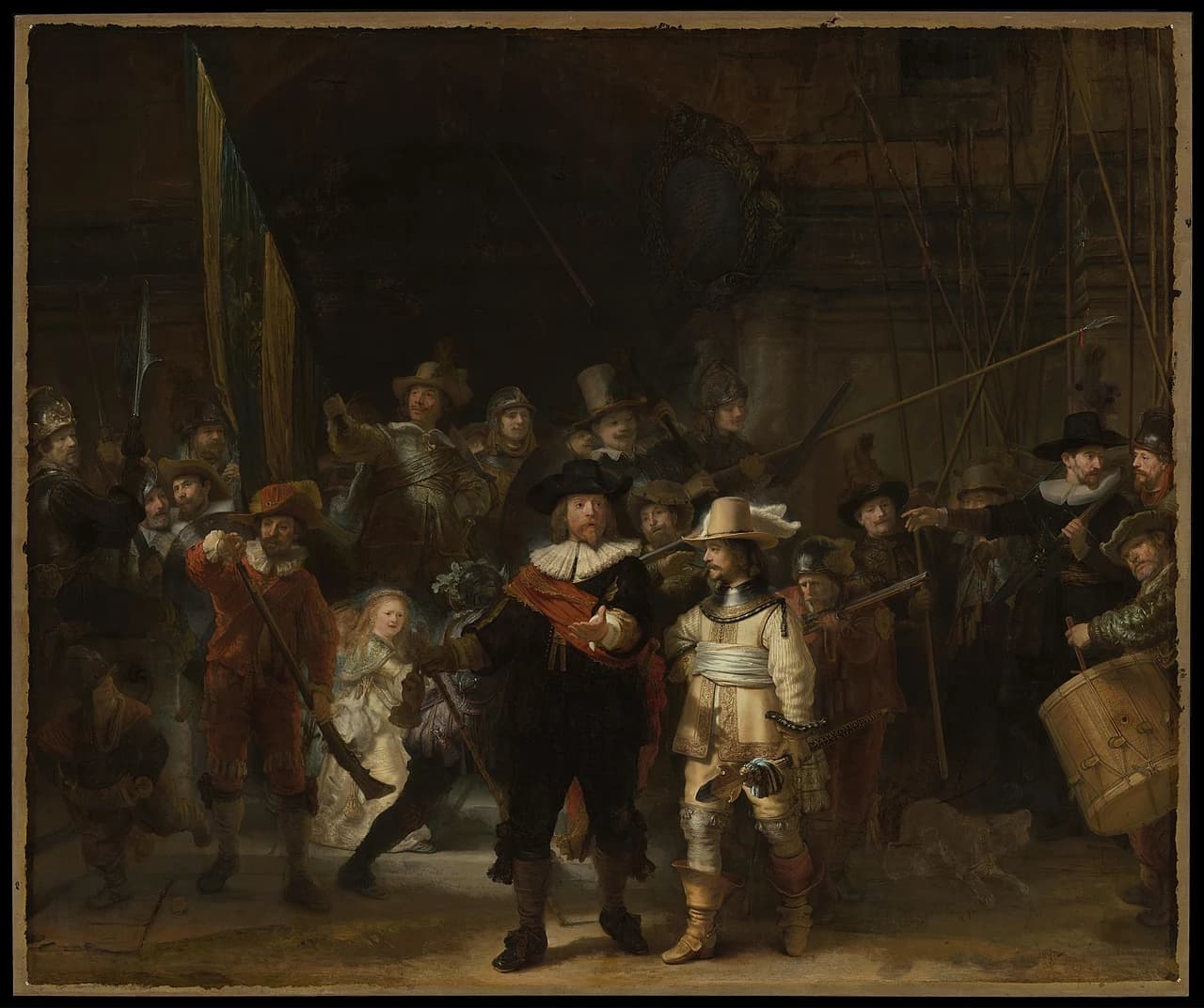
Rembrandt moved to Amsterdam in 1631 and quickly became the city's most sought-after portrait painter. He married Saskia van Uylenburgh in 1634, joining a wealthy family. Success allowed him to buy an expensive house and collect art obsessively. In 1642, he completed The Night Watch, his most ambitious work, the same year Saskia died after childbirth.
Why it matters: These were Rembrandt's golden years. He dominated Amsterdam's art market, commanded high prices, and produced masterworks. The Night Watch transformed group portraiture forever.
Houses the world's greatest Rembrandt collection, including The Night Watch in its own gallery, The Jewish Bride, and dozens of other masterpieces
Museumstraat 1
The Night Watch is in the Gallery of Honour. Allow several hours for the Rembrandt collection alone.
Get ticketsRembrandt's home from 1639-1658, restored to its 17th-century appearance. His studio, art collection, and printing press recreated.
Jodenbreestraat 4
The house purchase contributed to his later bankruptcy. Now contains his complete etchings.
Get ticketsThe church where Rembrandt is buried, though his exact grave location is unknown
Prinsengracht 279
Where Saskia was buried in 1642. Amsterdam's oldest church, in the Red Light District.
After Saskia's death, Rembrandt's fortunes declined. His style grew unfashionable as smooth, elegant painters gained favor. In 1656, he declared bankruptcy and lost his house and collections. He moved to a modest house in the Jordaan with his common-law wife Hendrickje and son Titus. Despite poverty and grief, his late work achieved unprecedented depth and humanity.
Why it matters: Rembrandt's late period is now considered his greatest. Freed from commercial pressure, he painted with radical honesty. The Jewish Bride, Return of the Prodigal Son, and his final self-portraits rank among art's supreme achievements.
A plaque marks Rembrandt's final home in the Jordaan, where he lived from 1658 until his death
Rozengracht 184
Houses late masterpieces including The Jewish Bride (c. 1667) and the Syndics of the Drapers' Guild
Get ticketsThe working-class area where Rembrandt spent his final years. Walk the canals and imagine his daily life.
Satellite of St. Petersburg's Hermitage with rotating exhibitions often featuring Rembrandt
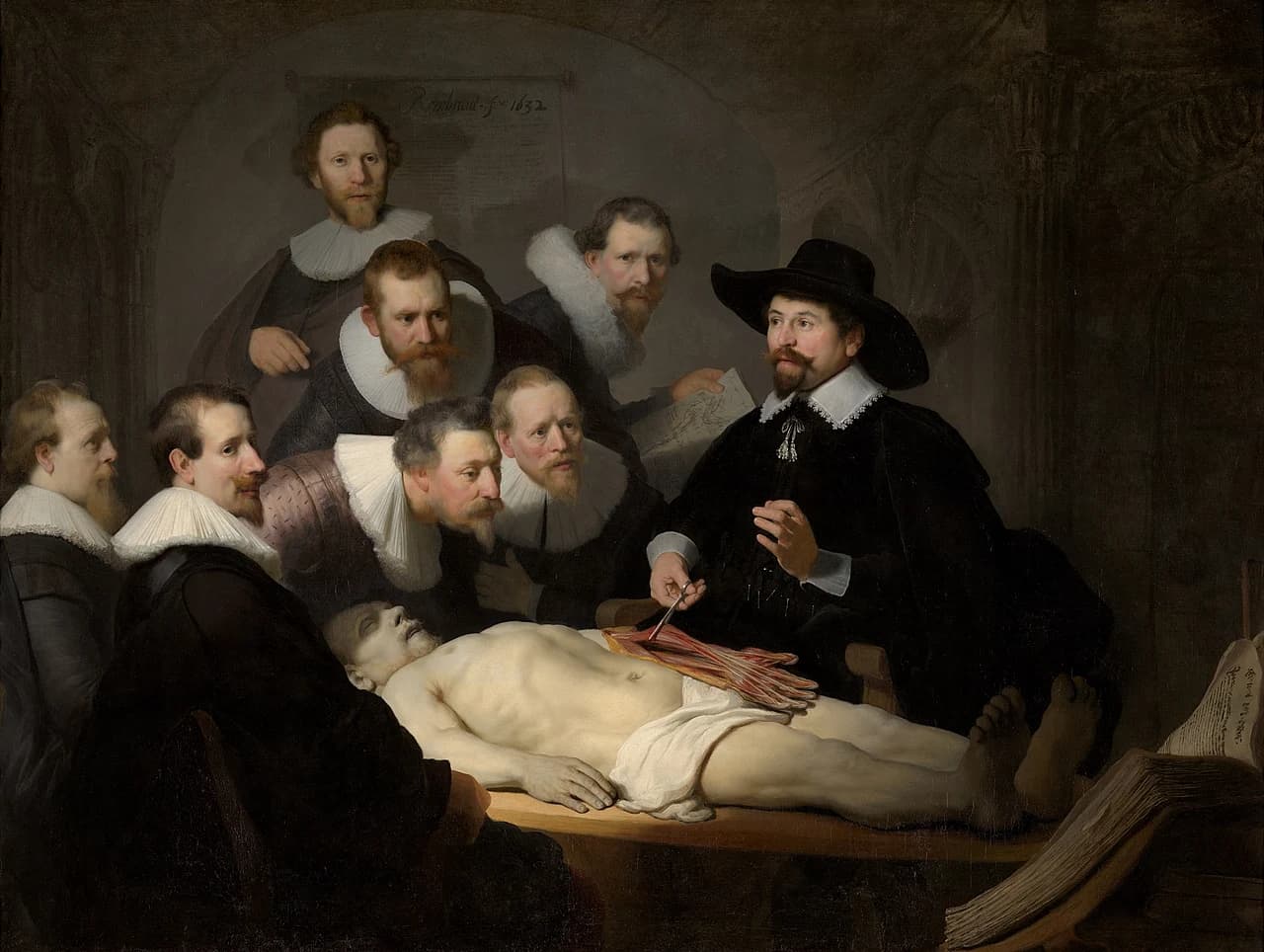
Get ticketsThough Amsterdam was his home, Rembrandt received important commissions from The Hague, seat of the Dutch government. The Mauritshuis now houses some of his most beloved works, including The Anatomy Lesson of Dr. Tulp. The royal collection and diplomatic visitors provided wealthy patrons.
Why it matters: The Hague's Mauritshuis offers an intimate Rembrandt experience, with key works displayed in period rooms at human scale.
The Dutch royal picture gallery with Rembrandt's Anatomy Lesson of Dr. Tulp, Self-Portrait, and other masterpieces in intimate galleries
Plein 29
Smaller and less crowded than the Rijksmuseum. See Vermeer's Girl with a Pearl Earring here too.
Get ticketsThe historic government complex near the Mauritshuis, center of Dutch power in Rembrandt's time
The Rijksmuseum and Rembrandthuis, with a walk through the Jordaan
Leiden, Amsterdam, and The Hague for the complete Dutch Masters experience
Deep dive into his Amsterdam life: the Rembrandthuis, Rijksmuseum, and all the sites
Rembrandt's 300+ paintings and 300 etchings are treasured worldwide. These collections are essential:
Amsterdam, Netherlands
The Night Watch and the world's best Rembrandt collection
Amsterdam, Netherlands
His home and complete etching collection
The Hague, Netherlands
The Anatomy Lesson and intimate self-portraits
New York, USA
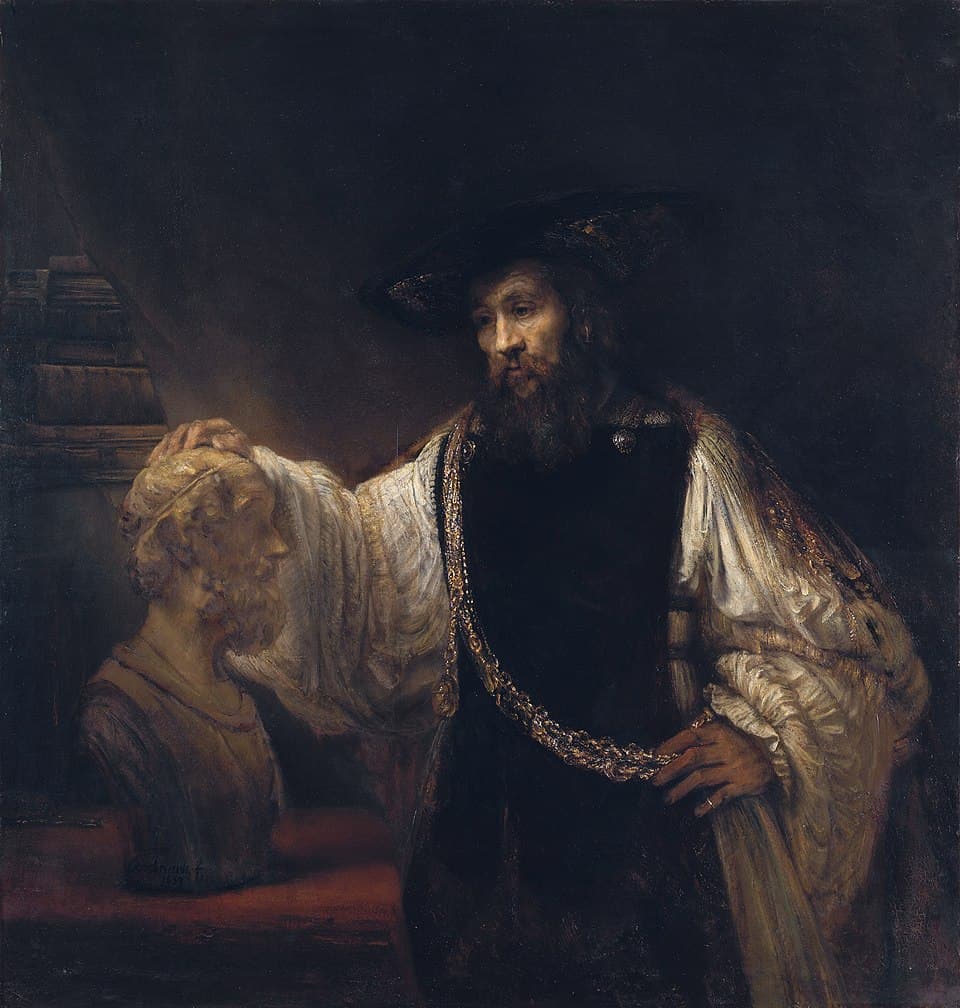
Aristotle with a Bust of Homer and major portraits
St. Petersburg, Russia
Return of the Prodigal Son and major late works
Born in Leiden on July 15
Enrolls at Leiden University but soon leaves to study painting
Moves to Amsterdam
Paints The Anatomy Lesson of Dr. Nicolaes Tulp; immediate success
Marries Saskia van Uylenburgh
Buys expensive house on Jodenbreestraat (now Rembrandthuis)
Completes The Night Watch; Saskia dies
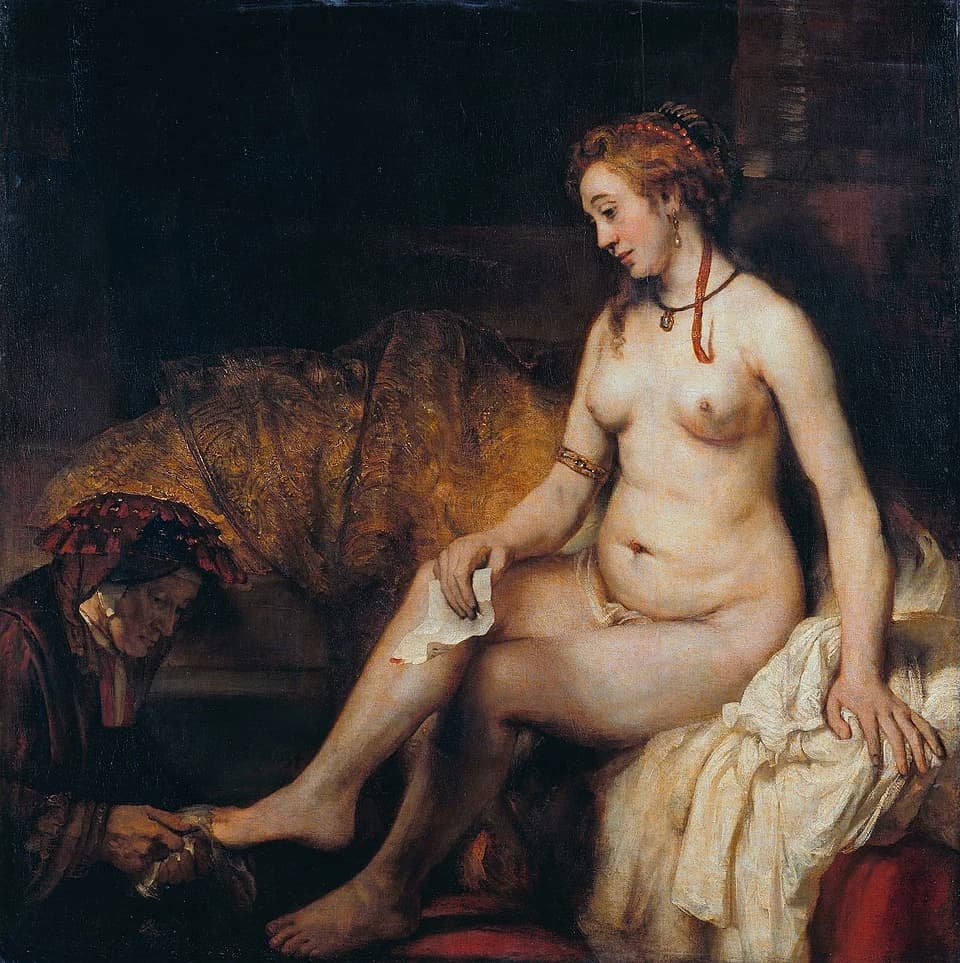
Paints Bathsheba at Her Bath
Declares bankruptcy; loses house and collections
Hendrickje dies
Son Titus dies
Dies in Amsterdam on October 4, aged 63
Browse our database of Rembrandt van Rijn's paintings and discover where each masterpiece is displayed today.
1642
1659