Black Obelisk of Shalmaneser III
by Ancient Assyrian (Unknown), -825
Artwork Details
Details
- Year
- -825
- Medium
- Black limestone
- Size
- 198 cm (6.5 ft) tall
Cite or Embed This Work
APA · MLA · Chicago1-click academic citation and embeddable “On View” museum badge for articles, syllabi, and research.
The Black Obelisk stands nearly two meters tall and records the military campaigns of the Assyrian king Shalmaneser III (859-824 BCE). What makes this black limestone monument notable is its depiction of Jehu, King of Israel, bowing before Shalmaneser. This is the only known image of an Israelite king from antiquity.
Five registers of carved reliefs wrap around the obelisk, showing tribute bearers from conquered nations. The inscription records 31 military campaigns. Jehu appears in the second register, prostrating himself in submission. Discovered at Nimrud in 1846, the obelisk provided the first external confirmation of biblical figures. It now stands in the British Museum, connecting ancient Assyrian history with the Hebrew scriptures.
More by Ancient Assyrian (Unknown)
View all →Sculpture
B
Balawat Gates (Gates of Shalmaneser III)
Ancient Assyrian (Unknown), -850
British Museum, London
Sculpture
L
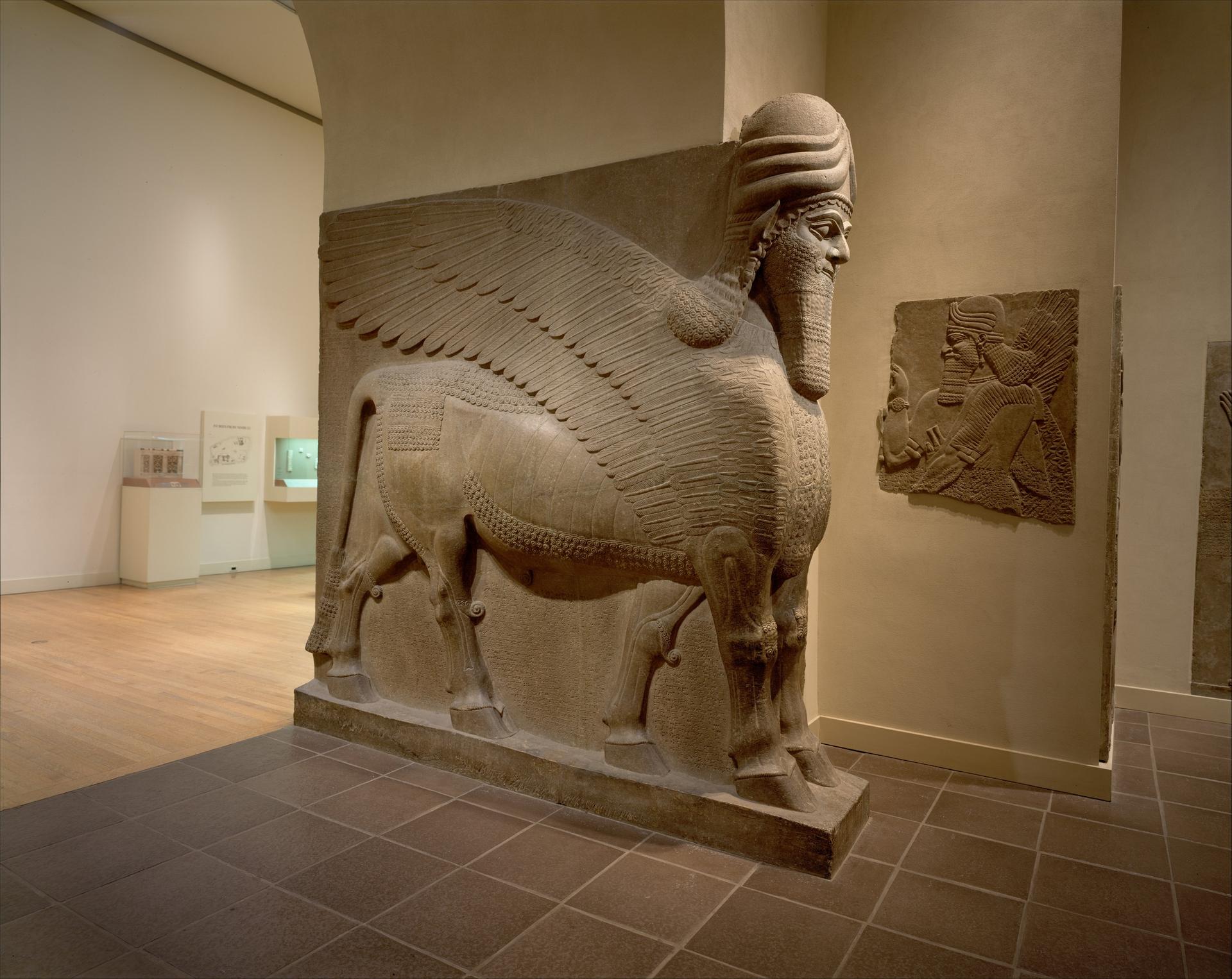
Lamassu (Human-Headed Winged Bull)
Ancient Assyrian (Unknown), -710
British Museum, London
Sculpture
D
Dying Lion (Wounded Lioness)
Ancient Assyrian (Unknown), -645
British Museum, London
Sculpture
L
Lion Hunt of Ashurbanipal
Ancient Assyrian (Unknown), -645
British Museum, London
Also at British Museum
View all →Sculpture
S
Sutton Hoo Helmet
Ancient Celtic (Unknown), 625
British Museum, London
S
Study of the Madonna and Child with a Cat
Leonardo da Vinci
British Museum, London
E
Engelsburg
John Singer Sargent
British Museum, London
Sculpture
M
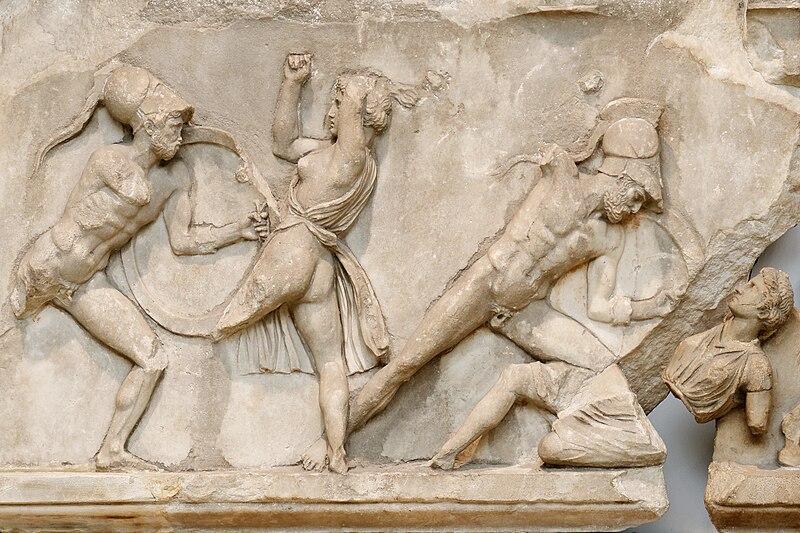
Mausoleum at Halicarnassus Sculptures
Ancient Greek (Unknown), -350
British Museum, London
Related Works
Works that share an artist, movement, museum, genre, palette or theme with Black Obelisk of Shalmaneser III.
- Same museum
Cyrus Cylinder
Ancient Persian (Unknown), -539
- Same museum
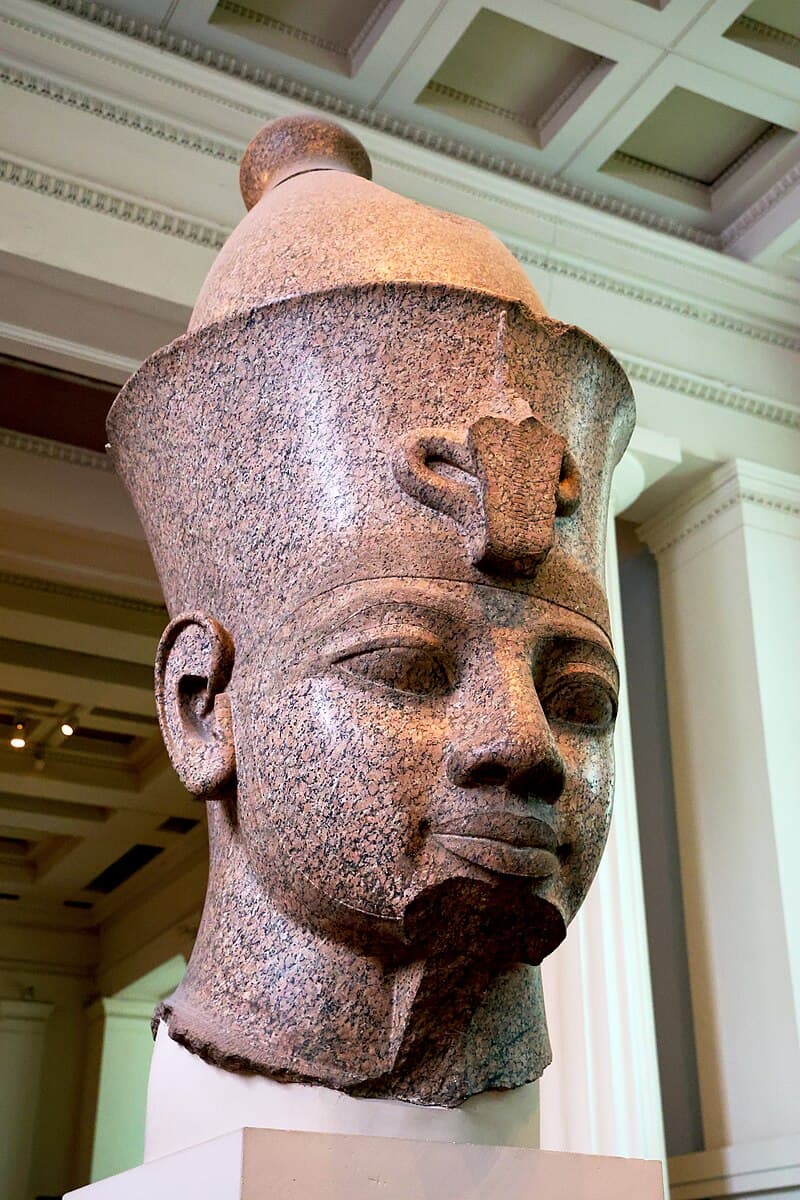
Statue of Amenhotep III
Ancient Egyptian (Unknown), -1350
- Same museum
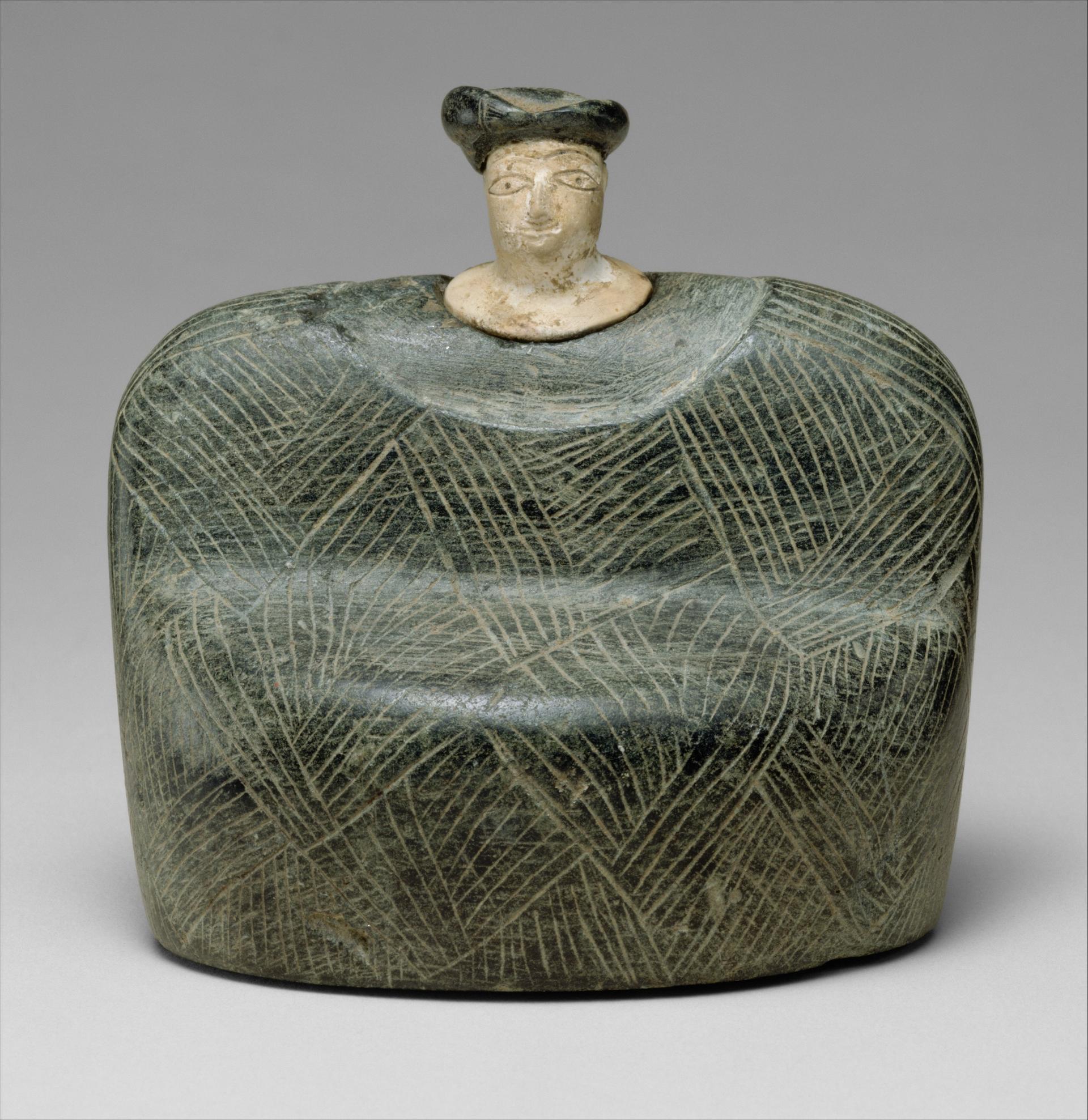
Oxus Treasure
Ancient Persian (Unknown), -500
- Same museum
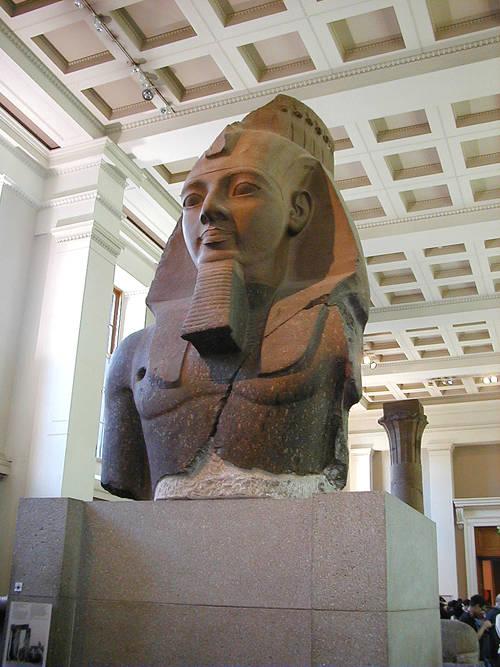
Colossal Bust of Ramesses II (The Younger Memnon)
Ancient Egyptian (Unknown), -1250
- Same museum
Caryatid from the Erechtheion
Ancient Greek (Unknown), -420
- Same museum
Mold Gold Cape
Ancient Celtic (Unknown), -1900
- Same museum
The Ancient of Days
William Blake, 1794
- Same museum
Admonitions Scroll (Gu Kaizhi)
Ancient Chinese (Unknown), 380
- Same museum
Mountain landscape with a river
Pieter Bruegel the Elder
- Same museum
Pride
Pieter Bruegel the Elder
About Black Obelisk of Shalmaneser III
The obelisk shows tribute bearers from five nations, including King Jehu of Israel bowing before Shalmaneser III. This is the only surviving ancient image of an Israelite king mentioned in the Bible.
The obelisk was erected around 825 BCE during the reign of Shalmaneser III. It commemorates 31 years of military campaigns and tribute from conquered peoples.
The Black Obelisk is displayed at the British Museum in London. It's one of the most important Neo-Assyrian artifacts for understanding biblical history.
Own Art Like This
Luxury wall art with the same mood and energy. Gallery-quality canvas, no museum crowds.
Browse Collection