Lion Hunt of Ashurbanipal
by Ancient Assyrian (Unknown), -645
Artwork Details
Details
- Year
- -645
- Medium
- Gypsum alabaster relief
- Size
- 160 cm × 220 cm (63 × 87 in)
Cite or Embed This Work
APA · MLA · Chicago1-click academic citation and embeddable “On View” museum badge for articles, syllabi, and research.
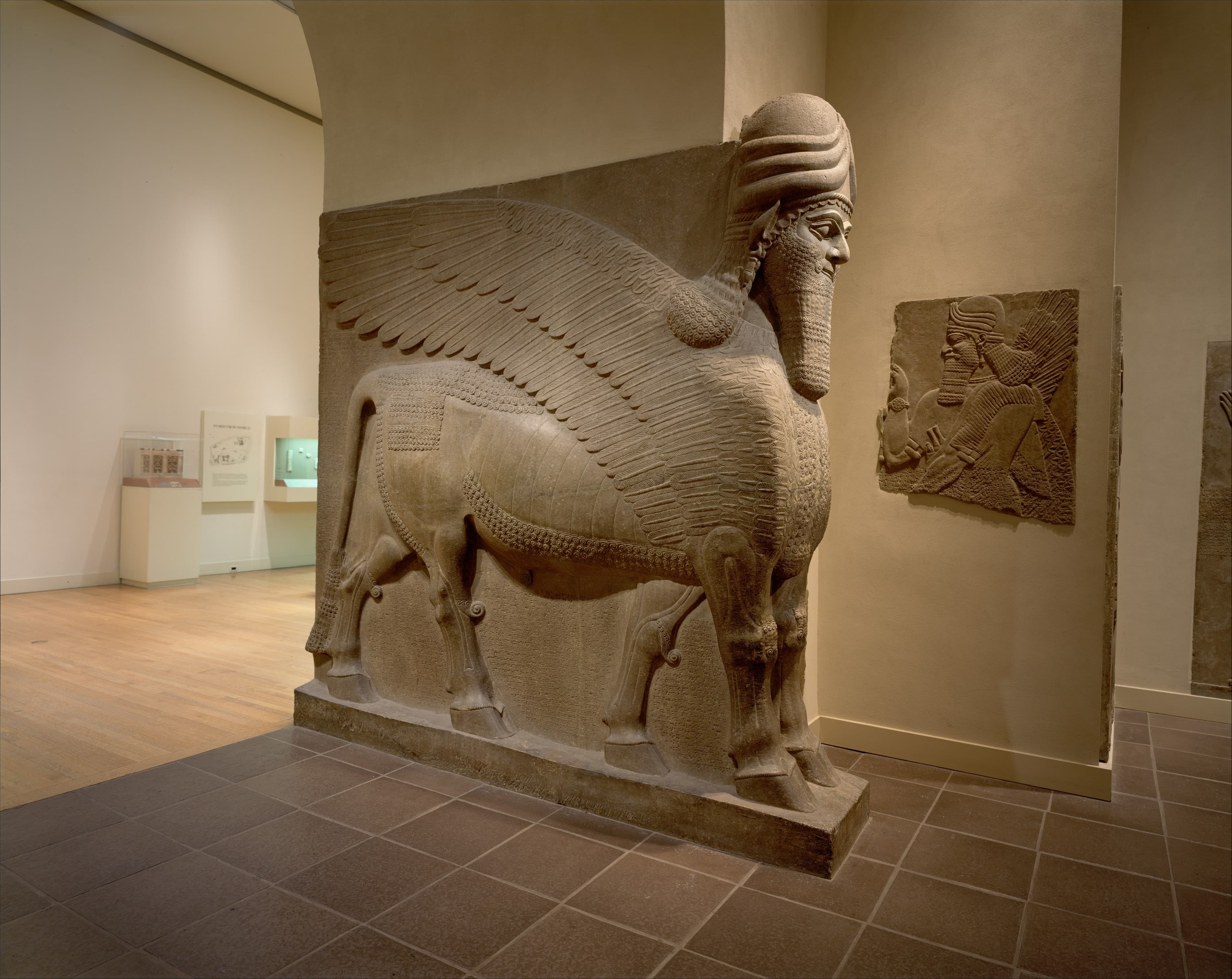
The Lion Hunt reliefs depict King Ashurbanipal hunting lions from his chariot around 645 BCE. These alabaster panels come from the North Palace at Nineveh and represent the pinnacle of Assyrian artistic achievement. The scenes show lions being released from cages for the hunt, the king drawing his bow, and mortally wounded animals in their death throes.
What makes these reliefs extraordinary is the emotional realism of the dying lions. While human figures remain formal and stylized, the animals show genuine suffering and rage. One famous panel shows a wounded lioness dragging her paralyzed hindquarters. These hunts weren't sport. They demonstrated the king's role as protector of his people against chaos, symbolized by wild beasts. The British Museum excavated these reliefs in the 1850s.