
Wikimedia Commons - CC BY-SA 4.0
Boxer at Rest
by Ancient Greek (Unknown), -330
Artwork Details
Details
- Year
- -330
- Medium
- Bronze
- Size
- 128 cm (50 in) tall (seated)
Cite or Embed This Work
APA · MLA · Chicago1-click academic citation and embeddable “On View” museum badge for articles, syllabi, and research.
Ancient Greek The Boxer at Rest shows a battle-scarred pugilist sitting exhausted after a bout, his face battered and swollen, his leather gloves still tied on. Created around 330 BCE, this Hellenistic bronze captures athletic violence with unflinching realism. The boxer's broken nose, cauliflower ears, and bleeding wounds speak to a career of punishment.
Unlike idealized classical athletes, this figure shows the cost of competition. Copper inlays simulate blood dripping from cuts, and the swelling on his face is anatomically accurate. The boxer looks up as if hearing his name called, perhaps for another bout or to receive a victory crown. His weary body and battered face make him one of antiquity's most human sculptures.
Discovered in Rome in 1885, the boxer is displayed at Palazzo Massimo.
More by Ancient Greek (Unknown)
View all →Sculpture
L
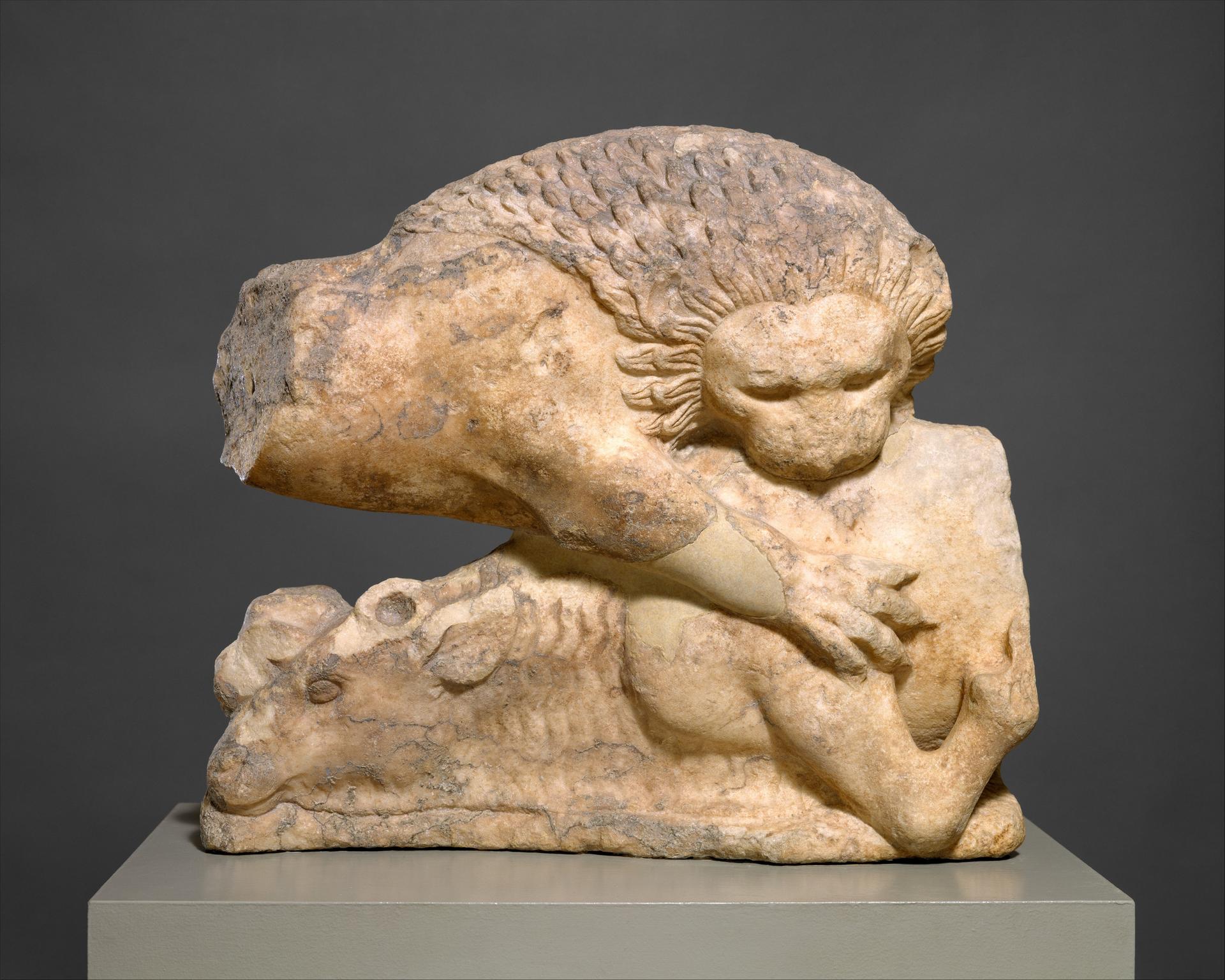
Lion felling a bull, from a marble pediment
Ancient Greek (Unknown), -500
The Metropolitan Museum of Art, New York
Sculpture
M
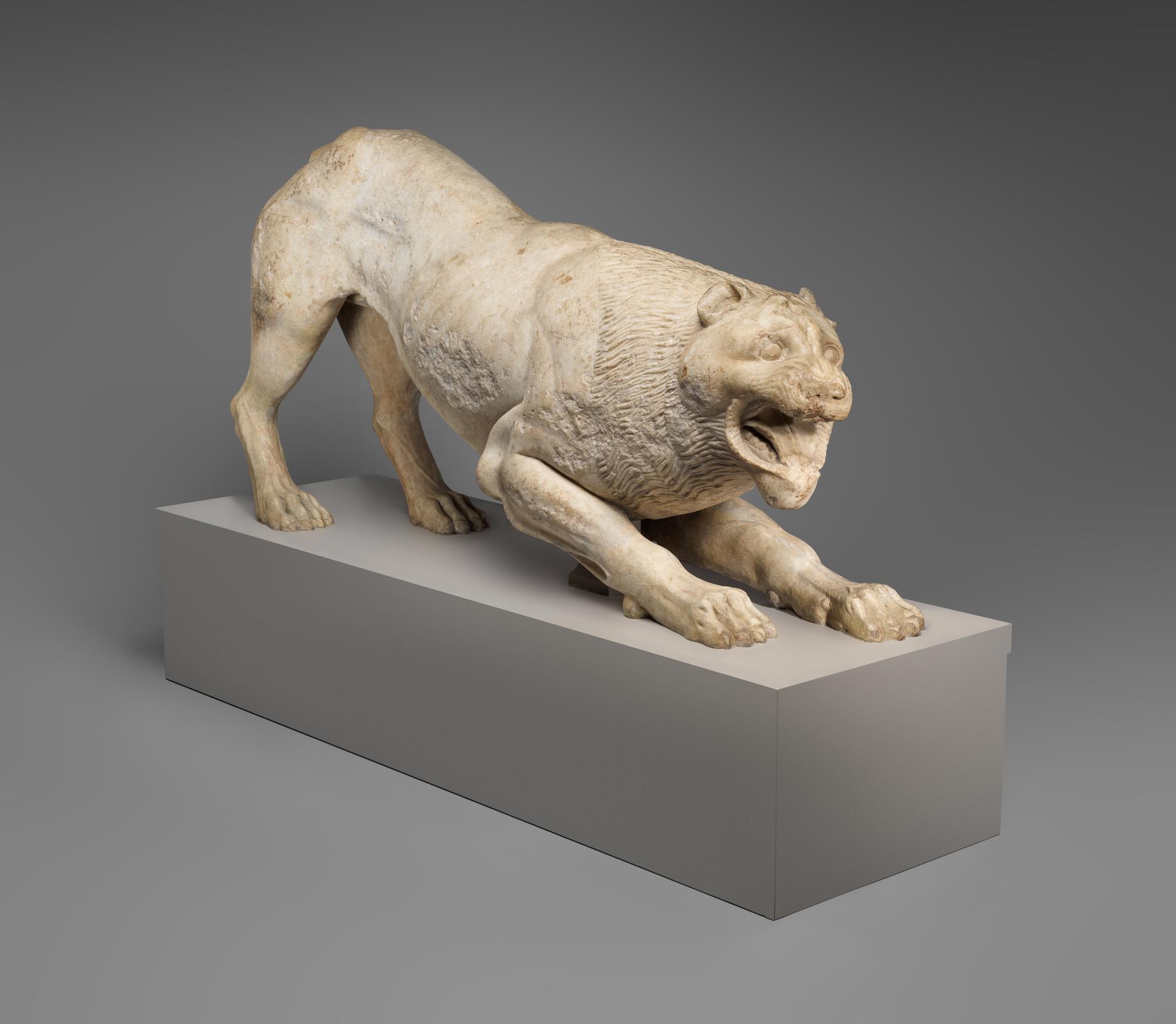
Marble statue of a lion
Ancient Greek (Unknown), -390
The Metropolitan Museum of Art, New York
Sculpture
F

Fragment of a Funerary Naiskos (Monument in the Shape of a Temple)
Ancient Greek (Unknown), -330
Art Institute of Chicago, Chicago
Sculpture
M
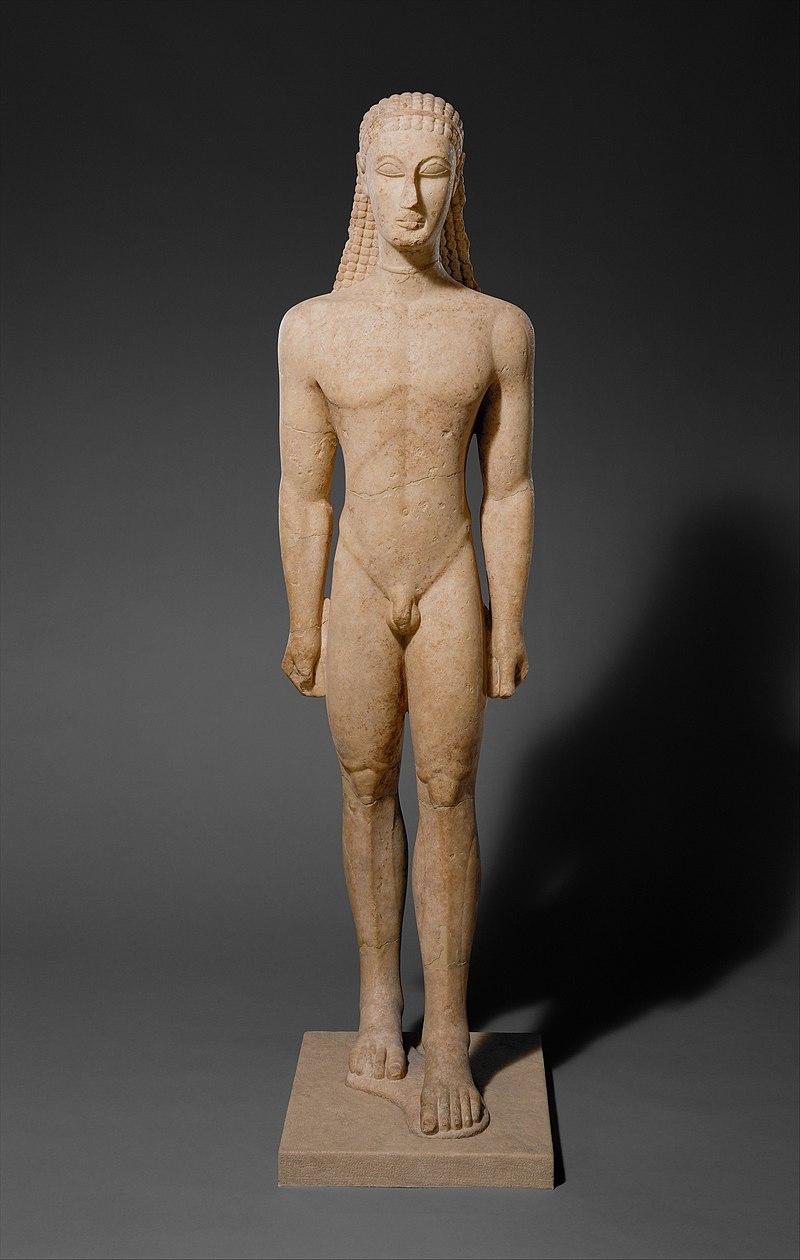
Marble Statue of a Kouros (Youth)
Ancient Greek (Unknown), -590
The Metropolitan Museum of Art, New York
Related Works
Works that share an artist, movement, museum, genre, palette or theme with Boxer at Rest.

About Boxer at Rest
The statue is at Palazzo Massimo alle Terme in Rome. It was discovered on the Quirinal Hill in 1885, buried since antiquity.
The unflinching realism sets it apart. Broken nose, swollen ears, and bleeding cuts show a real fighter's damage rather than idealized athletic perfection.
The seated figure measures 128 cm (50 in) tall. Life-size scale and detailed wounds create an almost uncomfortably intimate portrait of athletic suffering.
The pose suggests hearing his name called, perhaps for another bout or victory announcement. This psychological moment intensifies the sculpture's emotional impact.
Own Art Like This
Luxury wall art with the same mood and energy. Gallery-quality canvas, no museum crowds.
Browse Collection