Wikimedia Commons • Public Domain
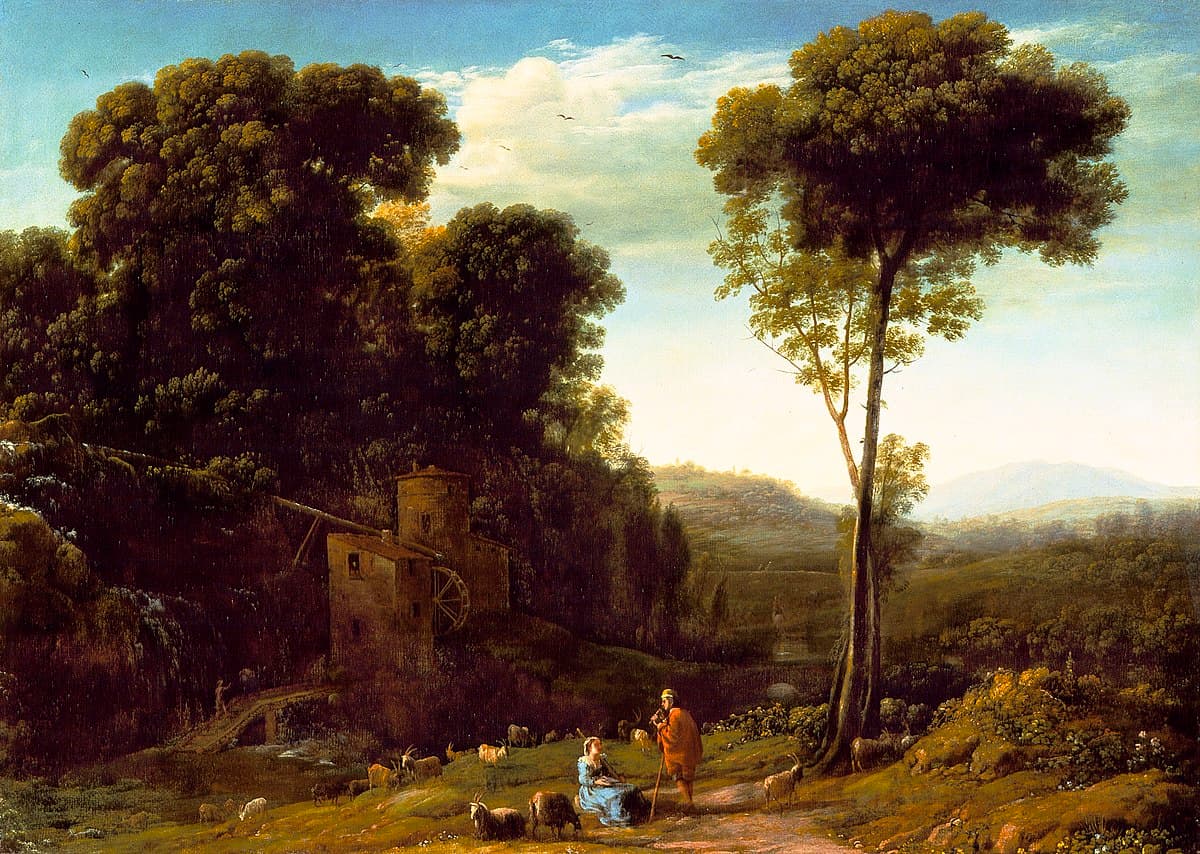
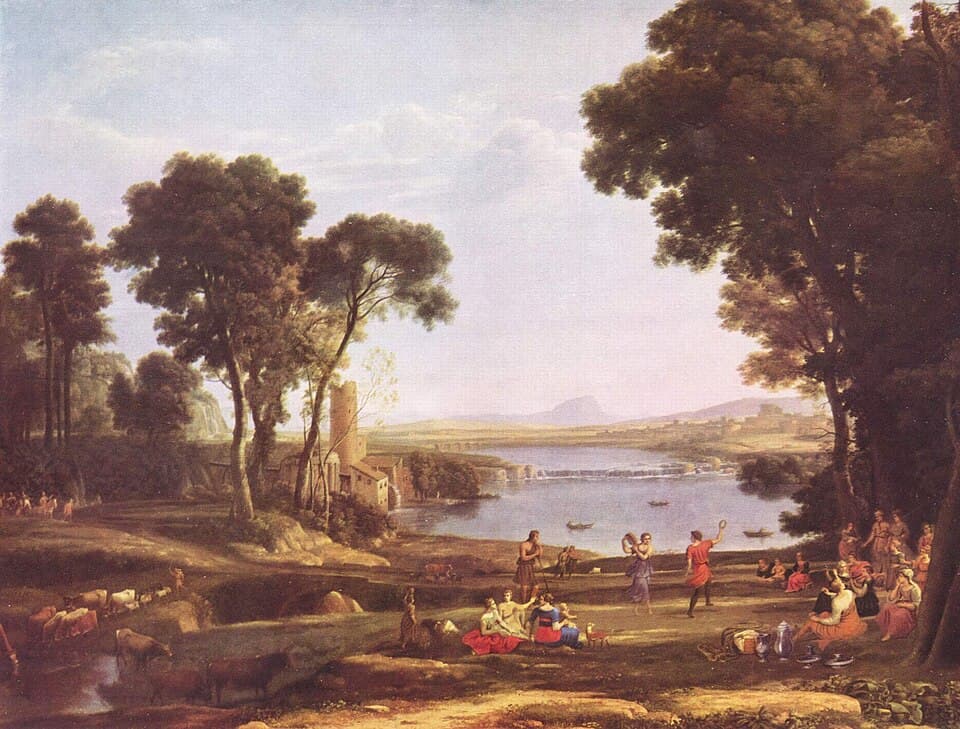
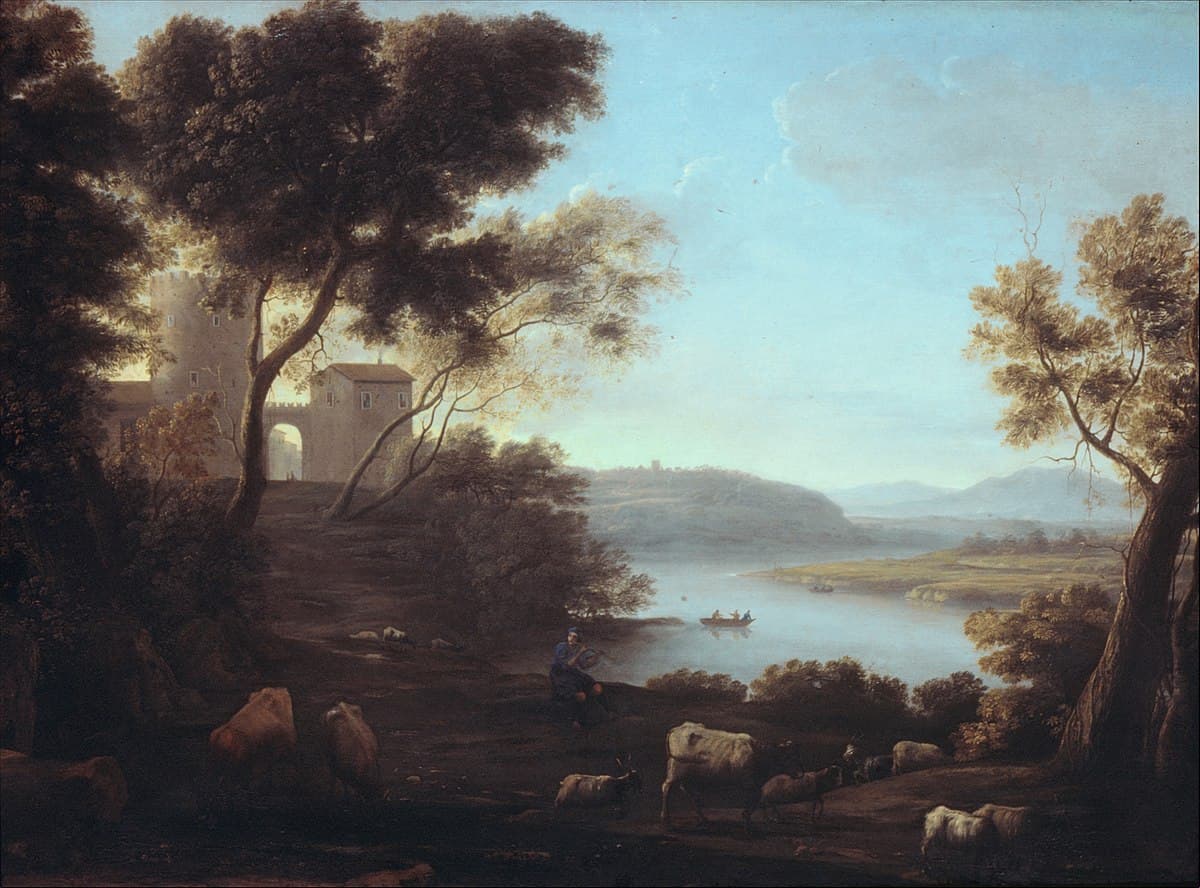
Pastoral Landscape
Artwork Details
Cite or Embed This Work
APA · MLA · Chicago1-click academic citation and embeddable “On View” museum badge for articles, syllabi, and research.
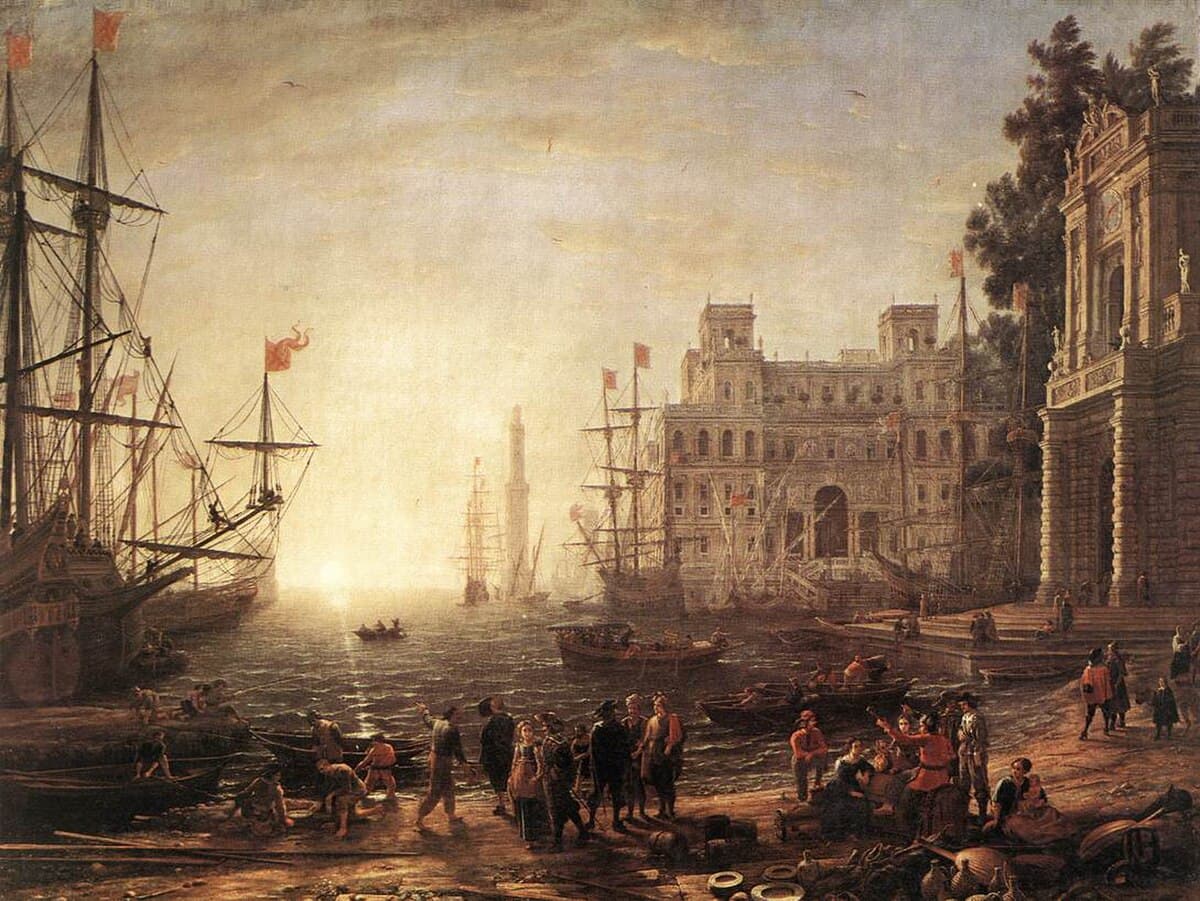
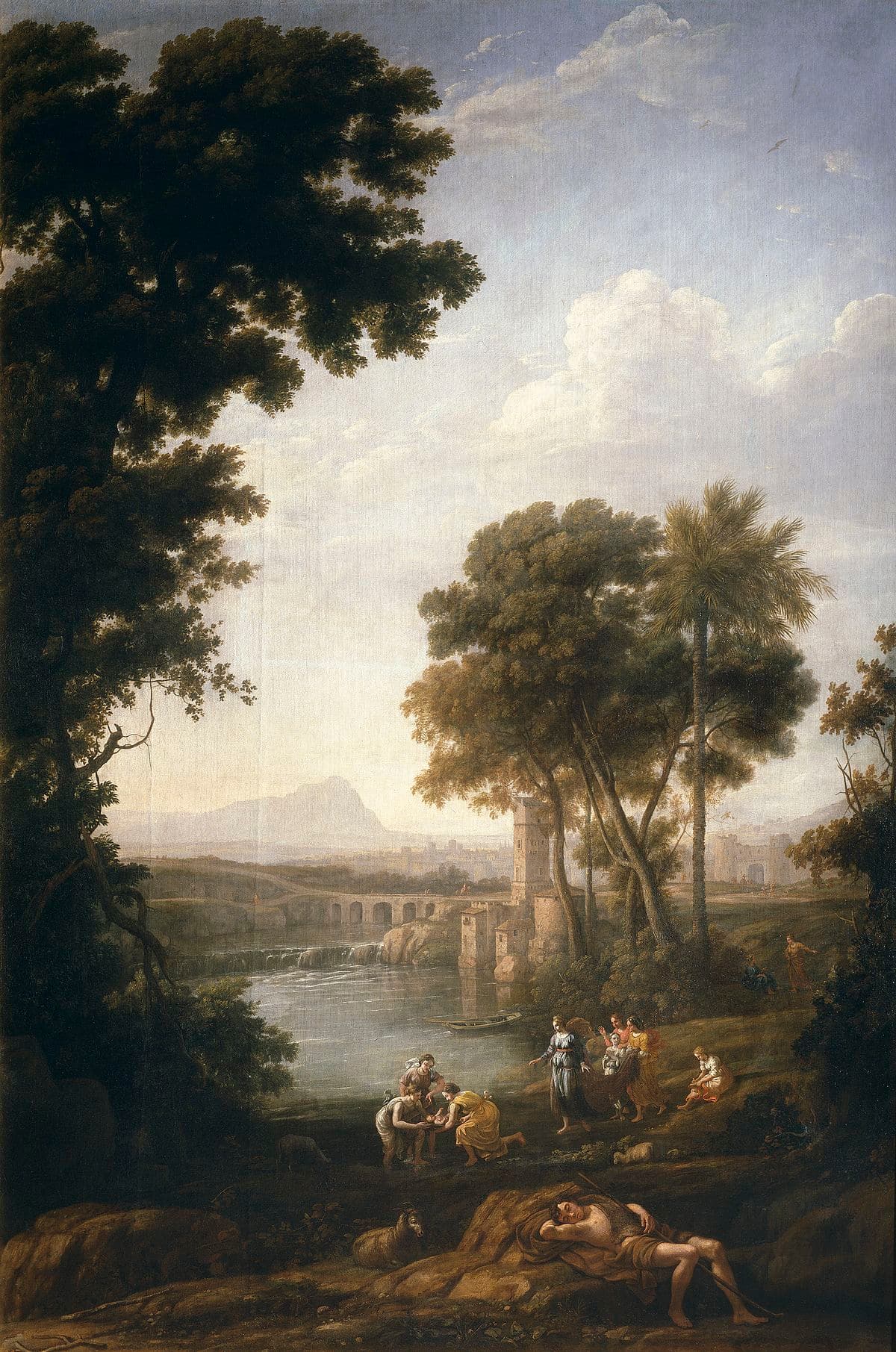
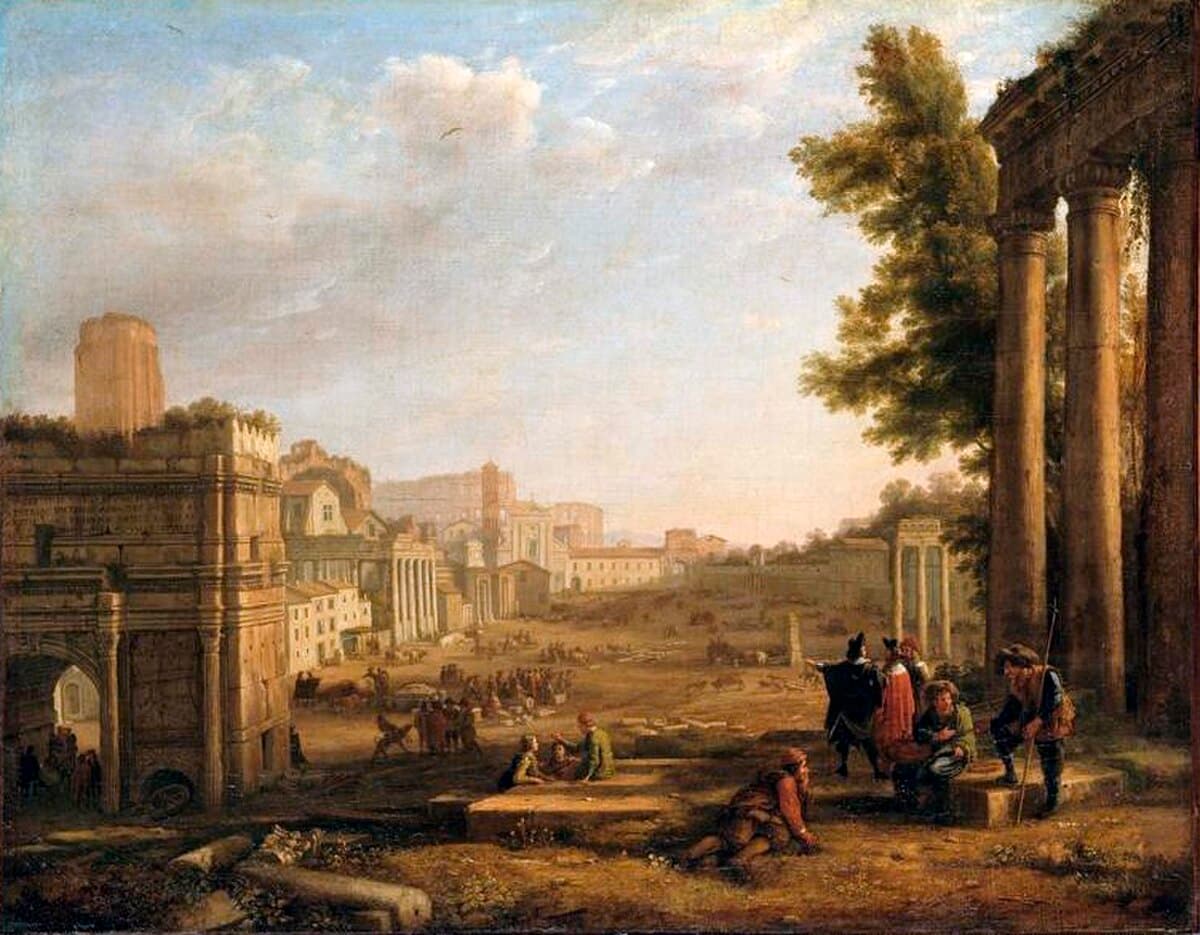
Claude Lorrain spent most of his career in Rome, becoming the city's principal landscape painter and a model for generations of classical landscape artists. Born Claude Gellée in the Duchy of Lorraine around 1600, he developed a style of "ideal landscape" that presented nature more beautiful and harmonious than reality itself.
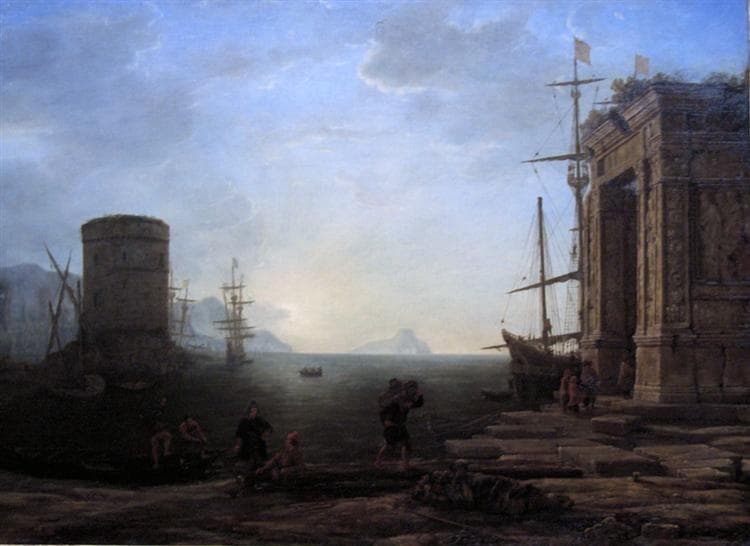
His pastoral landscapes typically feature mythological or biblical narratives set in idealized countryside settings. Shepherds, travelers, or classical figures engage in peaceful activities while golden light suffuses the scene. Claude often depicted sunrise or sunset, using atmospheric effects to create depth and mood. His compositions follow a three-part structure: framing elements on the sides, a receding middle ground, and a luminous horizon.
In 1634, Claude first used the sun itself to illuminate an entire picture, a breakthrough in landscape painting. This technique of placing light from the sky above the horizon enforced recession in depth. John Constable called him "the most perfect landscape painter the world ever saw." During the 18th and 19th centuries, collectors carried "Claude Glasses", small tinted mirrors thought to bring natural scenes the same tonal harmony as Claude's paintings. The Art Gallery of New South Wales in Sydney holds this pastoral landscape.