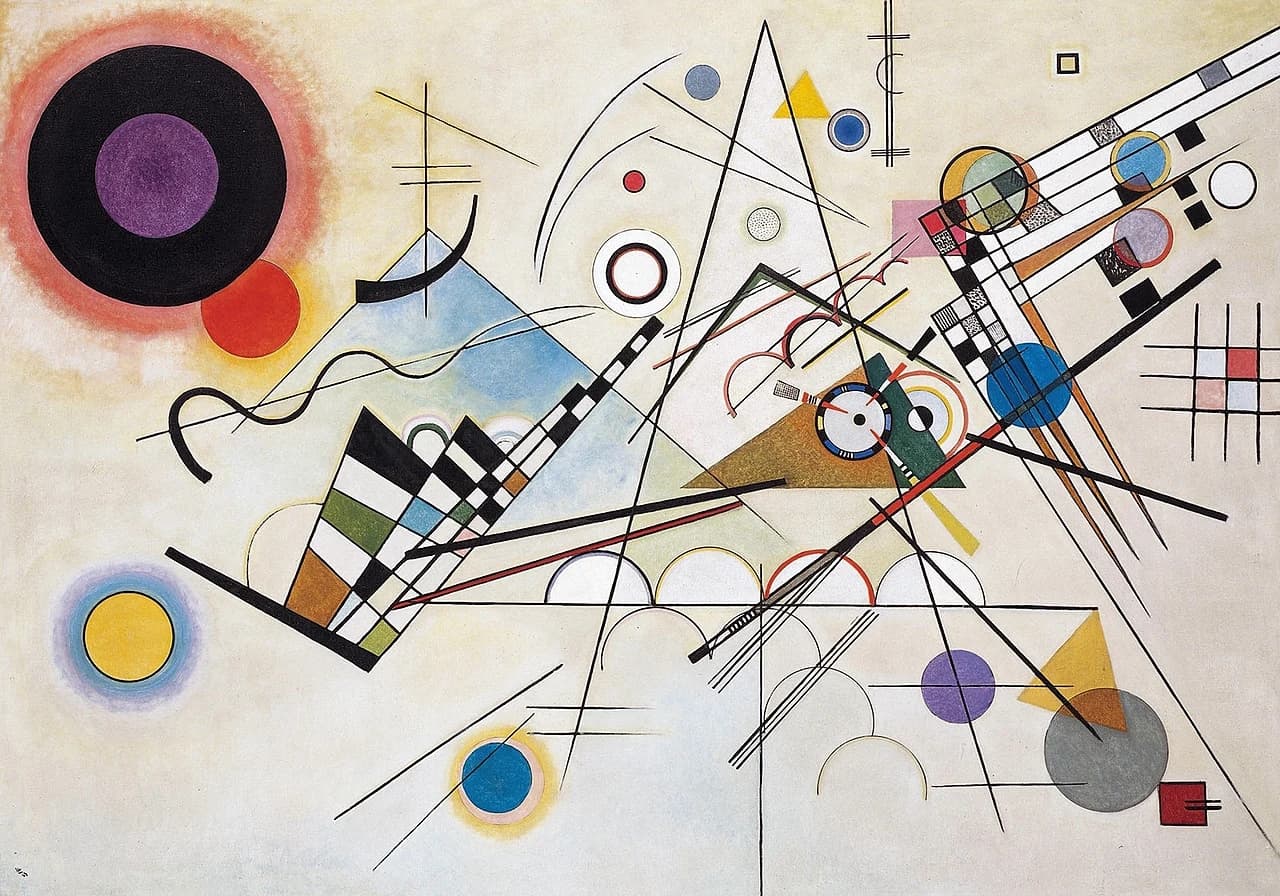
Composition VIII
by Wassily Kandinsky, 1923
by Wassily Kandinsky, 1923
Find It In The Museum
Modern Art Gallery
Museum of Modern Art (MoMA), New York
Part of the permanent collection
1-click academic citation and embeddable “On View” museum badge for articles, syllabi, and research.
Wassily Kandinsky rendered this Composition VIII in 1923 during his tenure at the Bauhaus in Weimar, Germany. Geometric forms in dynamic relationships float across a cool background: circles, triangles, lines, and arcs interact without representing any physical objects. A large black circle in the upper left anchors the composition.
This was Kandinsky's first systematic application of his theories about color, form, and their psychological effects. He believed geometric shapes had spiritual properties. The painting also marks the beginning of his long fascination with the circle. Where earlier Compositions were apocalyptic, this one achieves repose.
Solomon R. Guggenheim bought Composition VIII in 1930 after visiting the Bauhaus. It was among his first purchases of what became a major collection. The painting hangs at the Guggenheim Museum in New York, measuring 140 x 201 cm.
A key work of geometric abstraction and one of Kandinsky's most celebrated paintings from his Bauhaus period.
1-click academic citation and embeddable “On View” museum badge for articles, syllabi, and research.
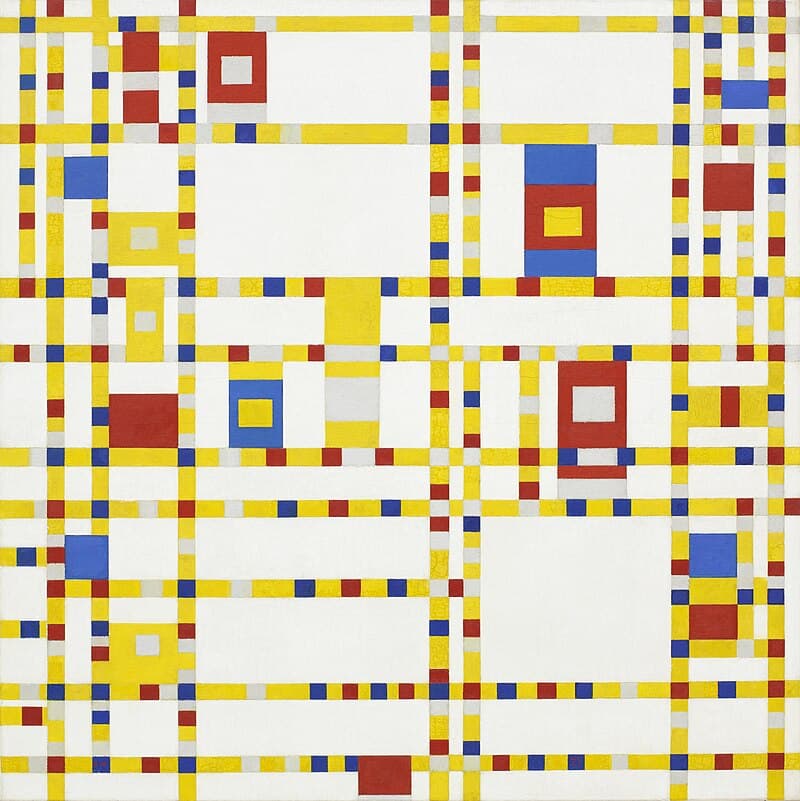
Piet Mondrian, 1943
Museum of Modern Art (MoMA), New York
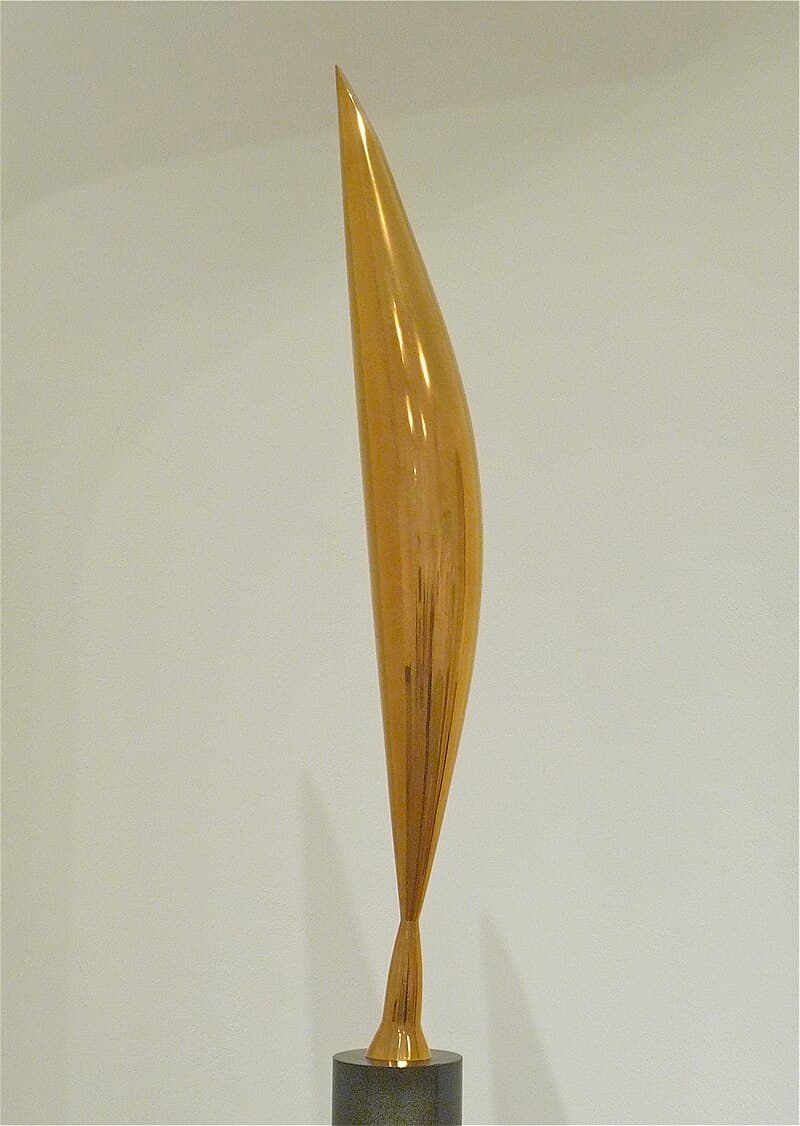
Constantin Brâncuși, 1923
Museum of Modern Art (MoMA), New York
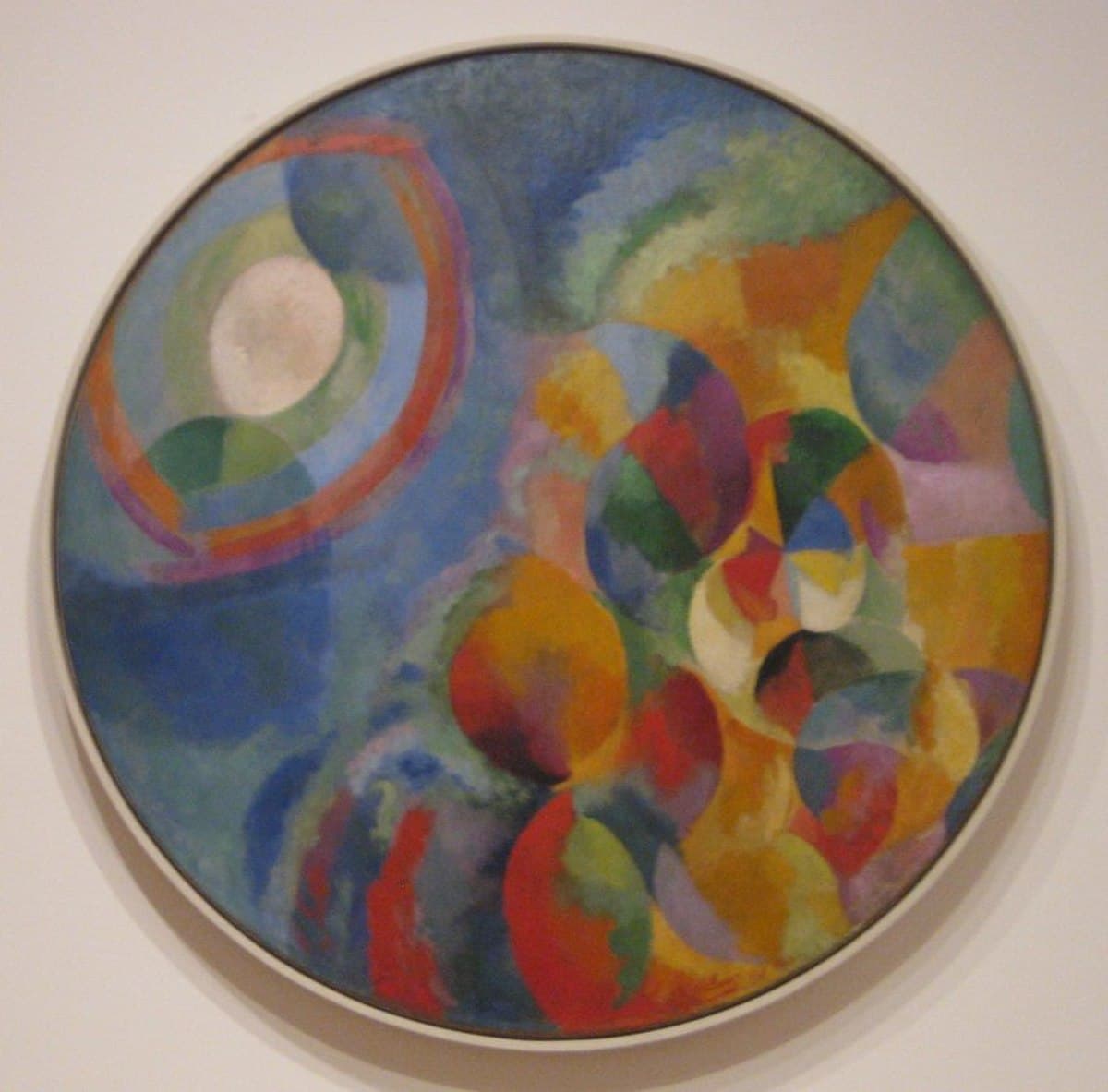
Robert Delaunay
Museum of Modern Art (MoMA), New York
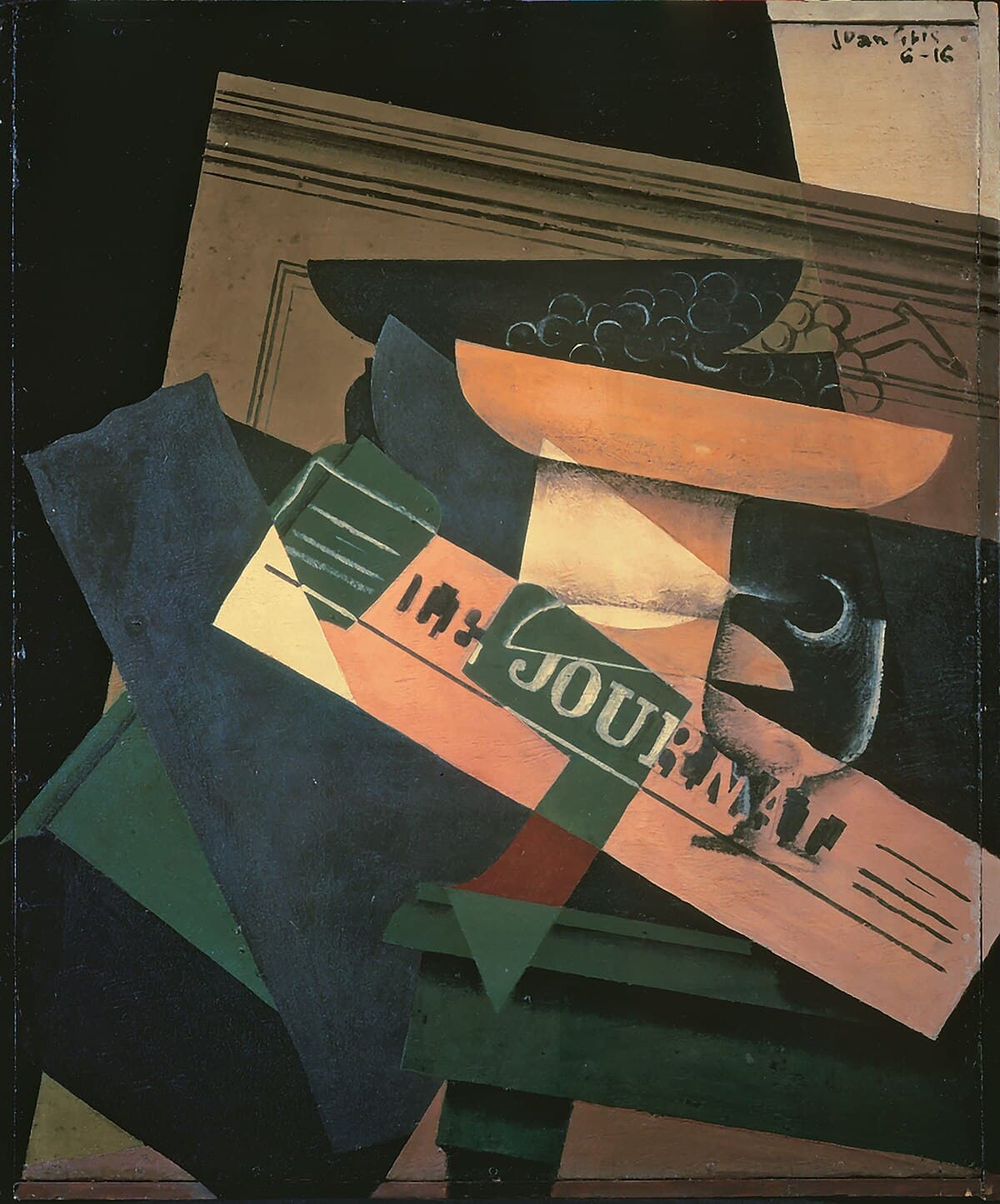
Juan Gris
Museum of Modern Art (MoMA), New York
Works that share an artist, movement, museum, genre, palette or theme with Composition VIII.

Wassily Kandinsky

Wassily Kandinsky
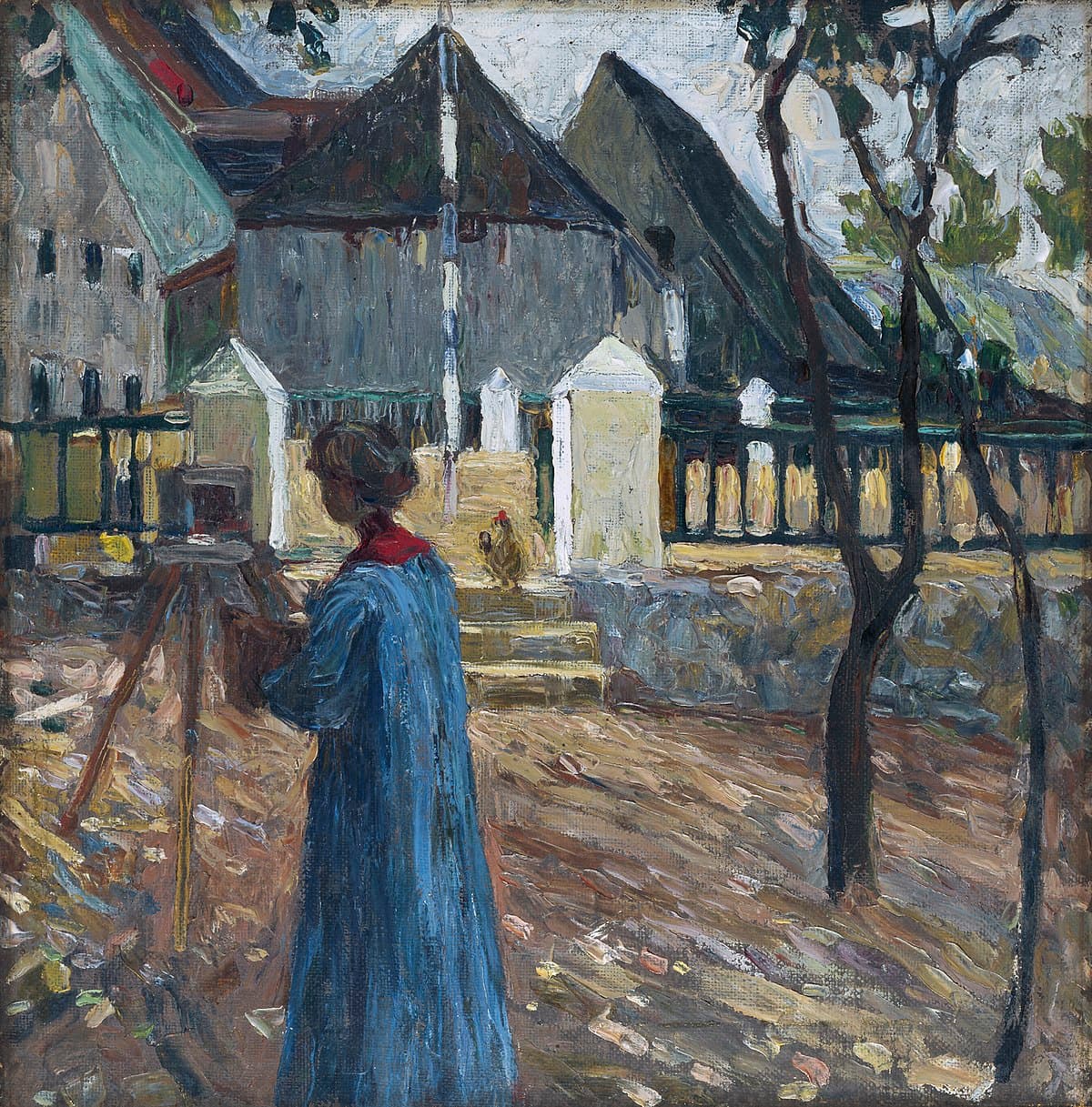
Wassily Kandinsky
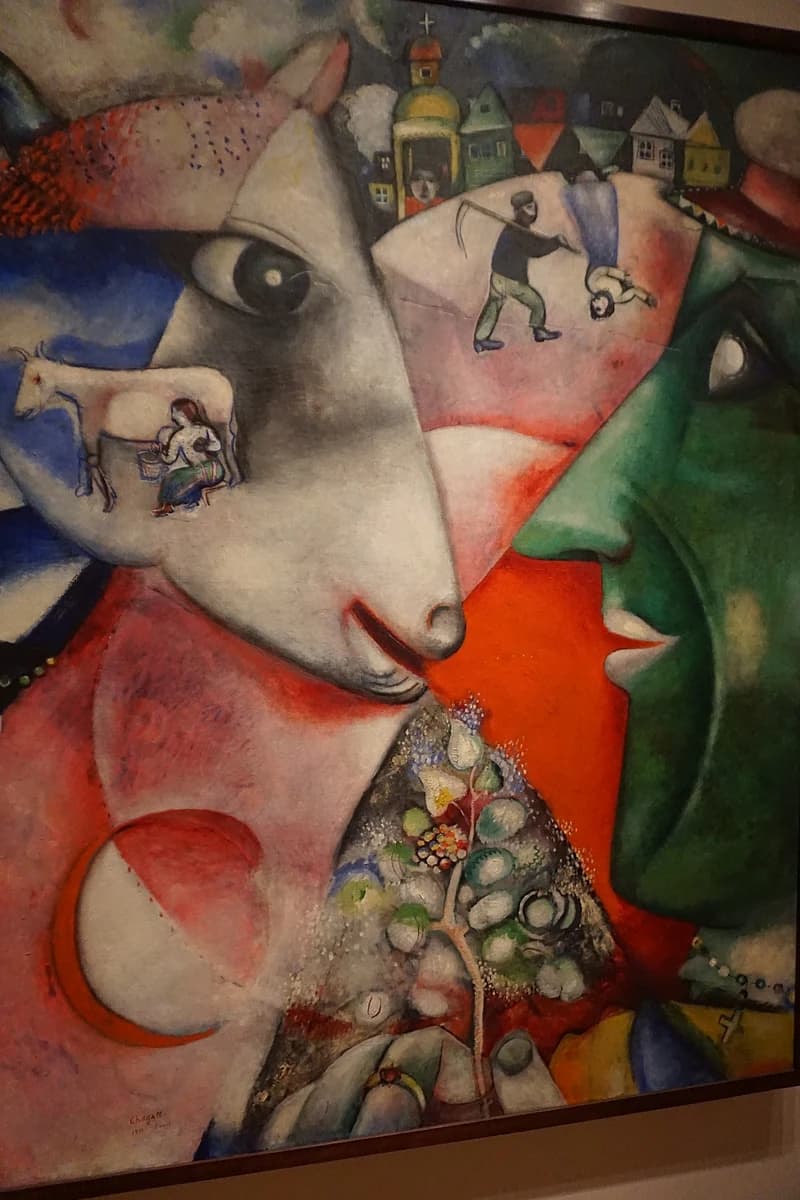
Marc Chagall, 1911
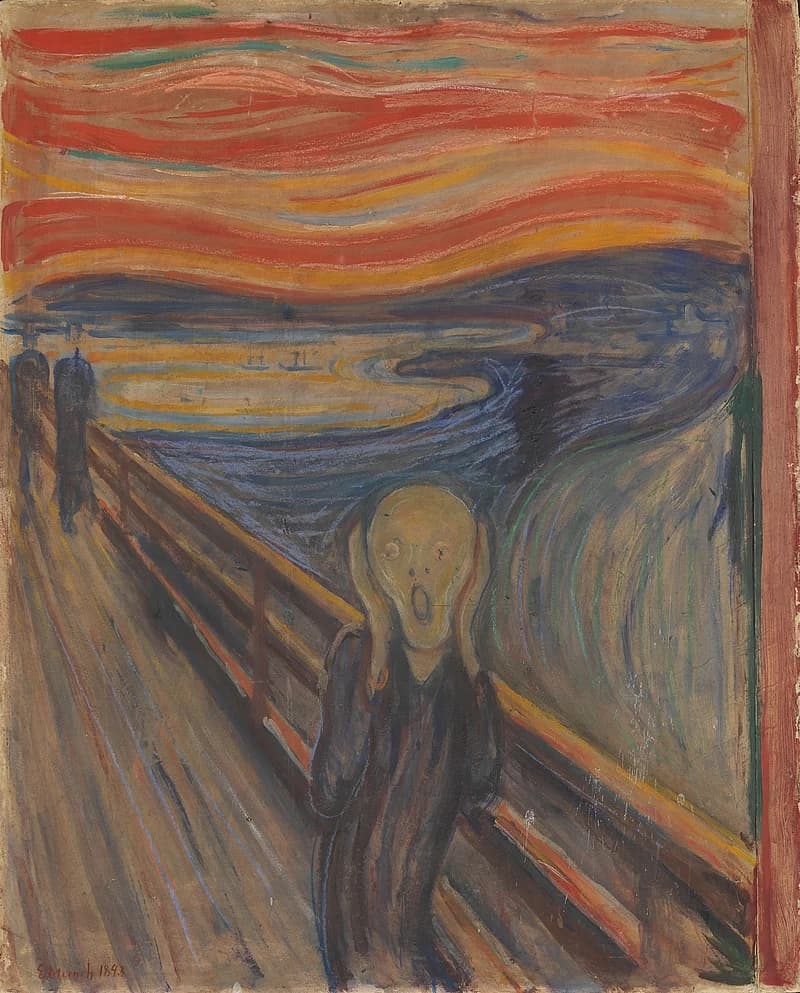
Edvard Munch, 1893
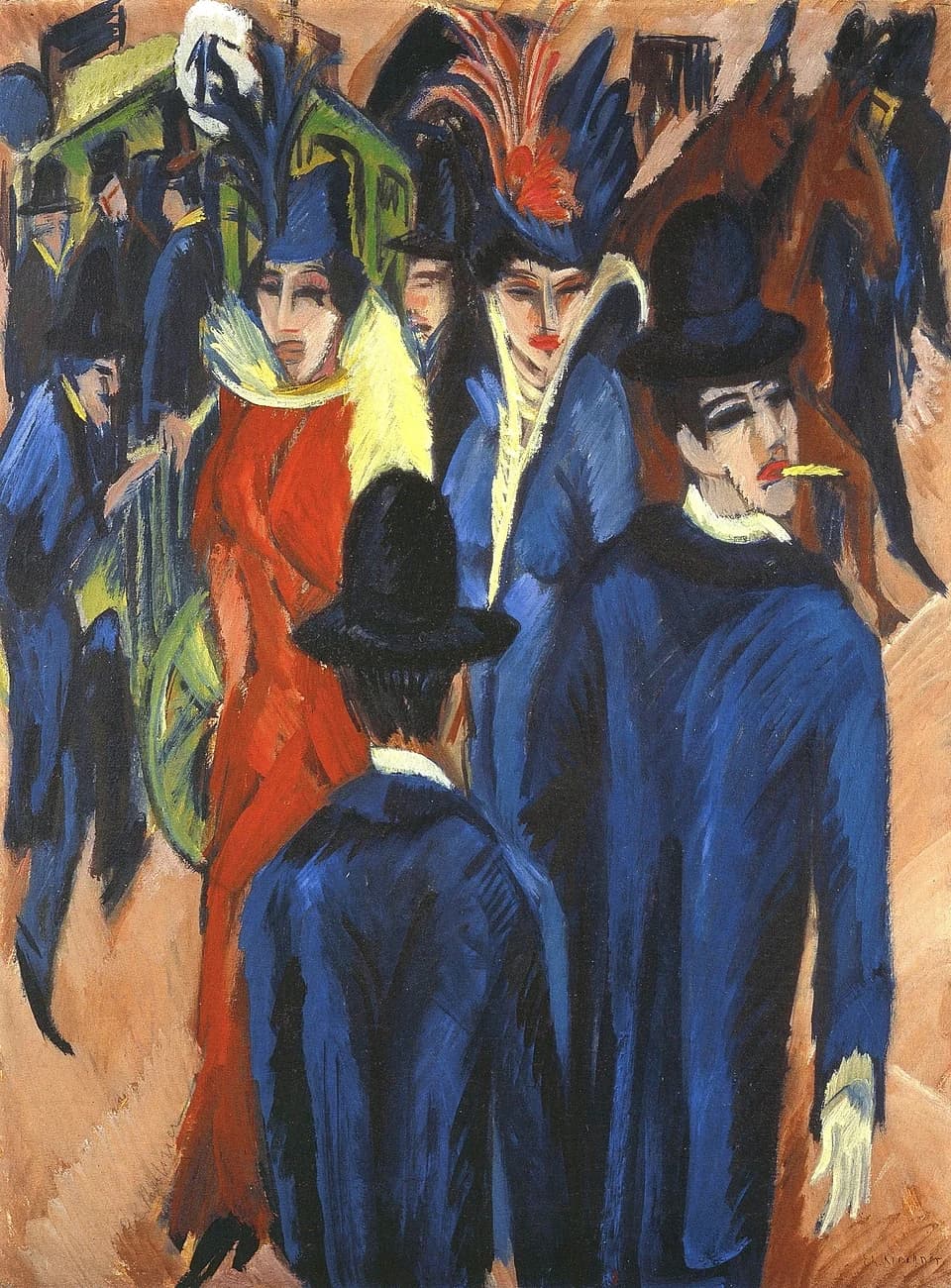
Ernst Ludwig Kirchner, 1913
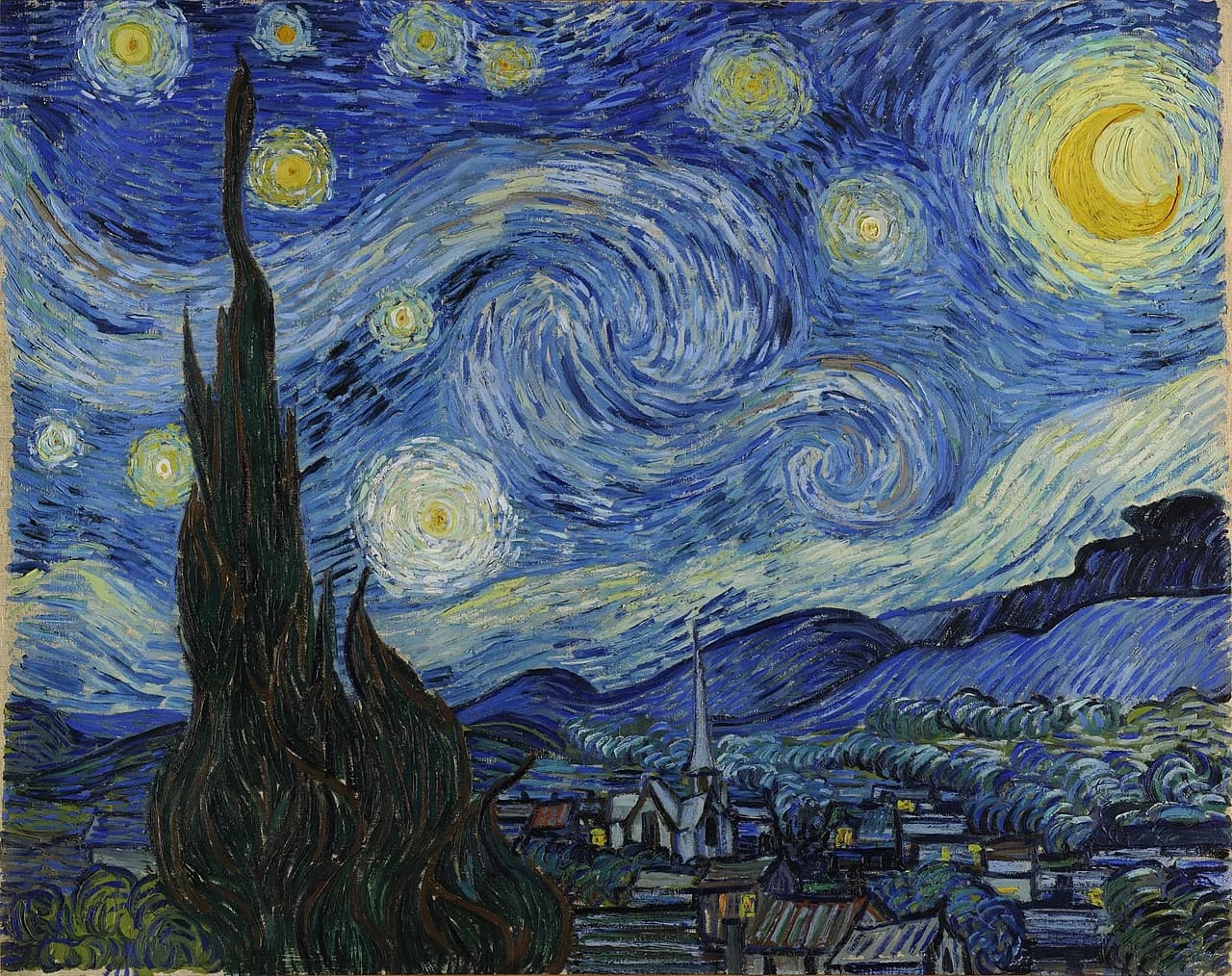
Vincent van Gogh, 1889
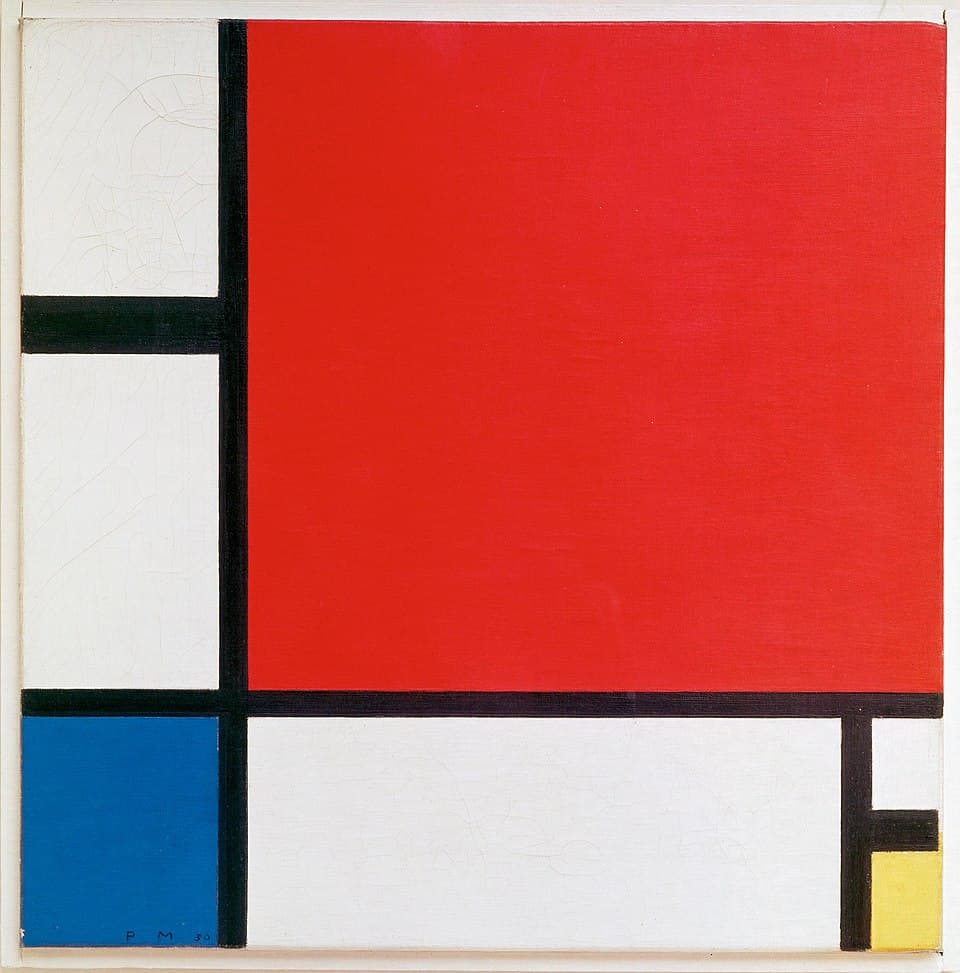
Piet Mondrian, 1937
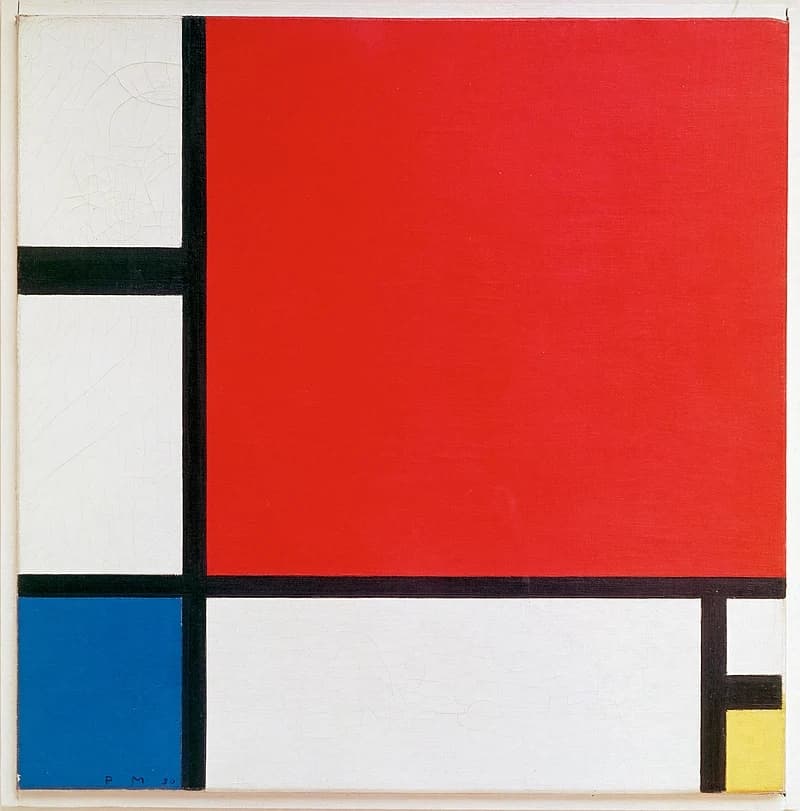
Piet Mondrian, 1930
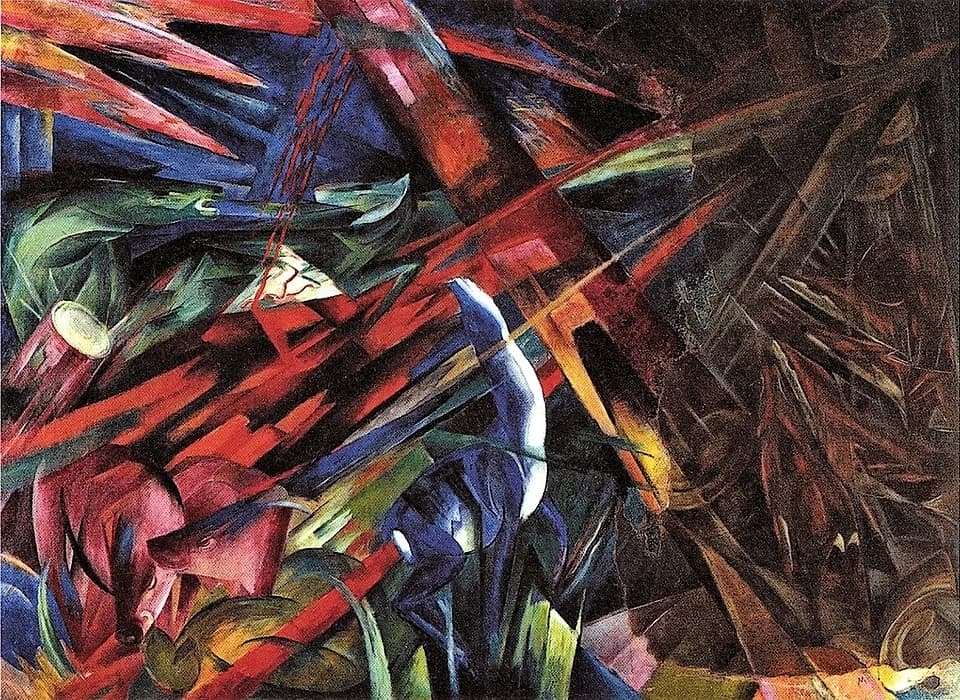
Franz Marc, 1911
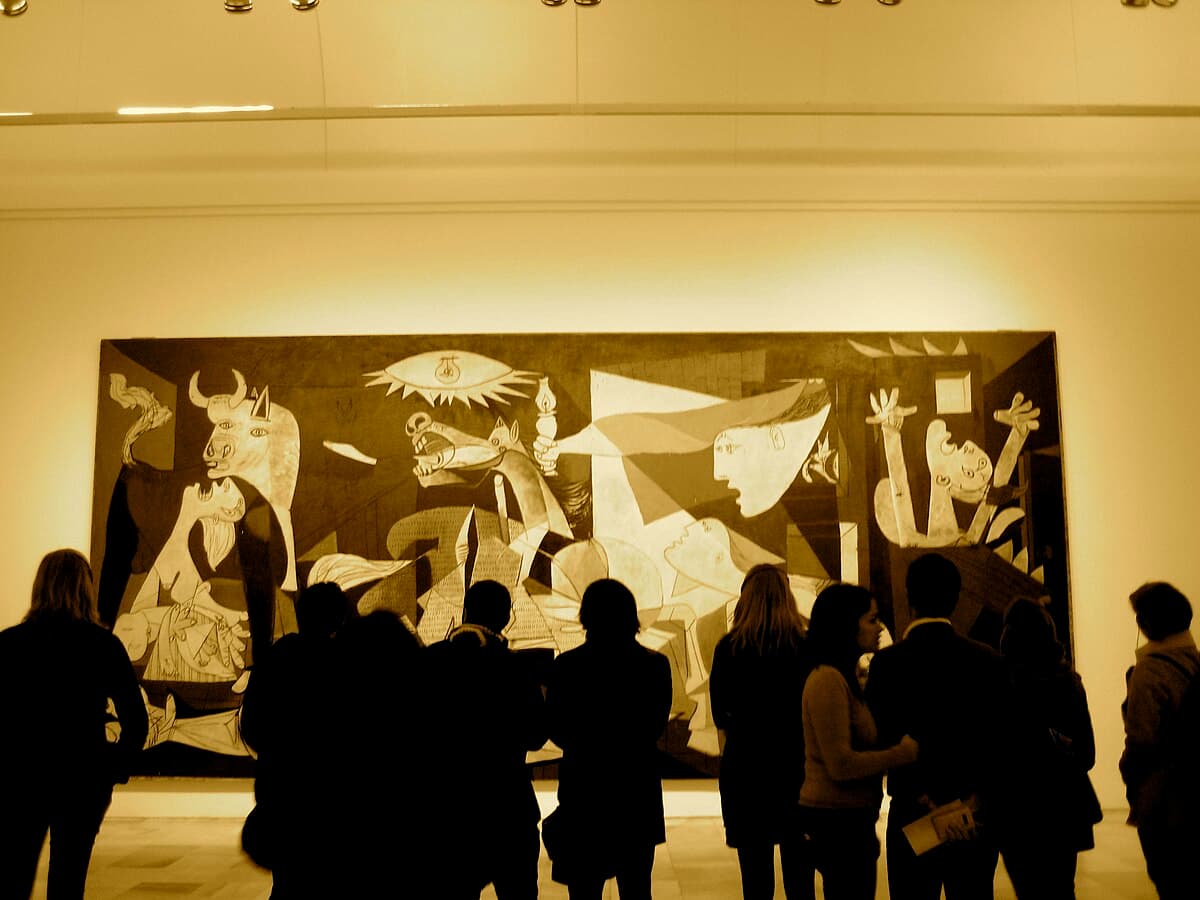
Pablo Picasso, 1937
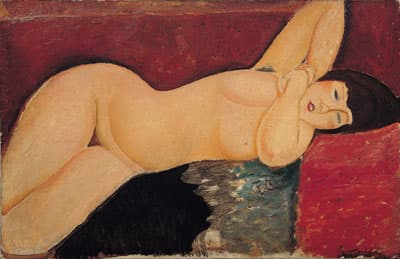
Amedeo Modigliani, 1917
Luxury wall art with the same mood and energy. Gallery-quality canvas, no museum crowds.
Browse Collection