Fernand Léger, Public domain, via Wikimedia Commons.
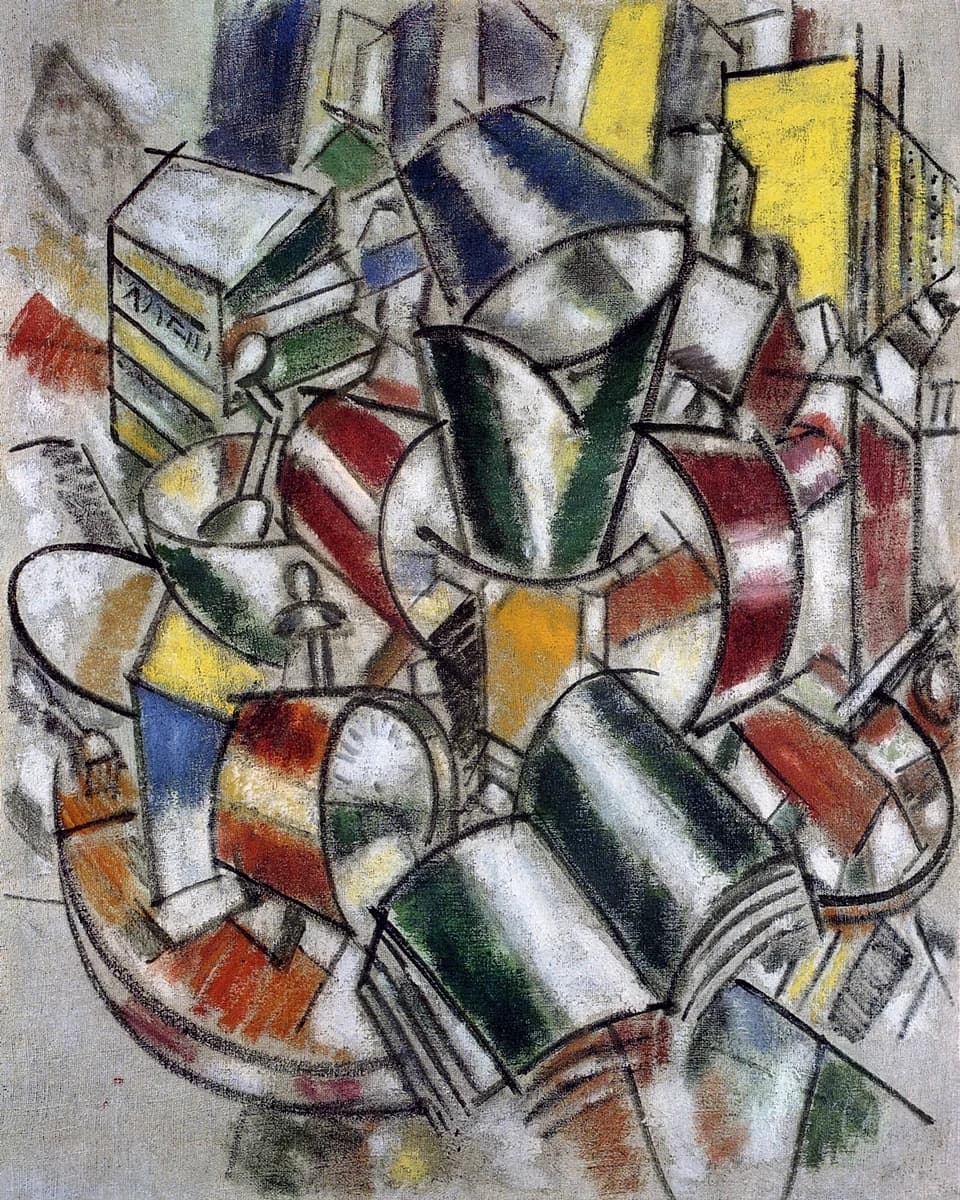
Contrast of Forms
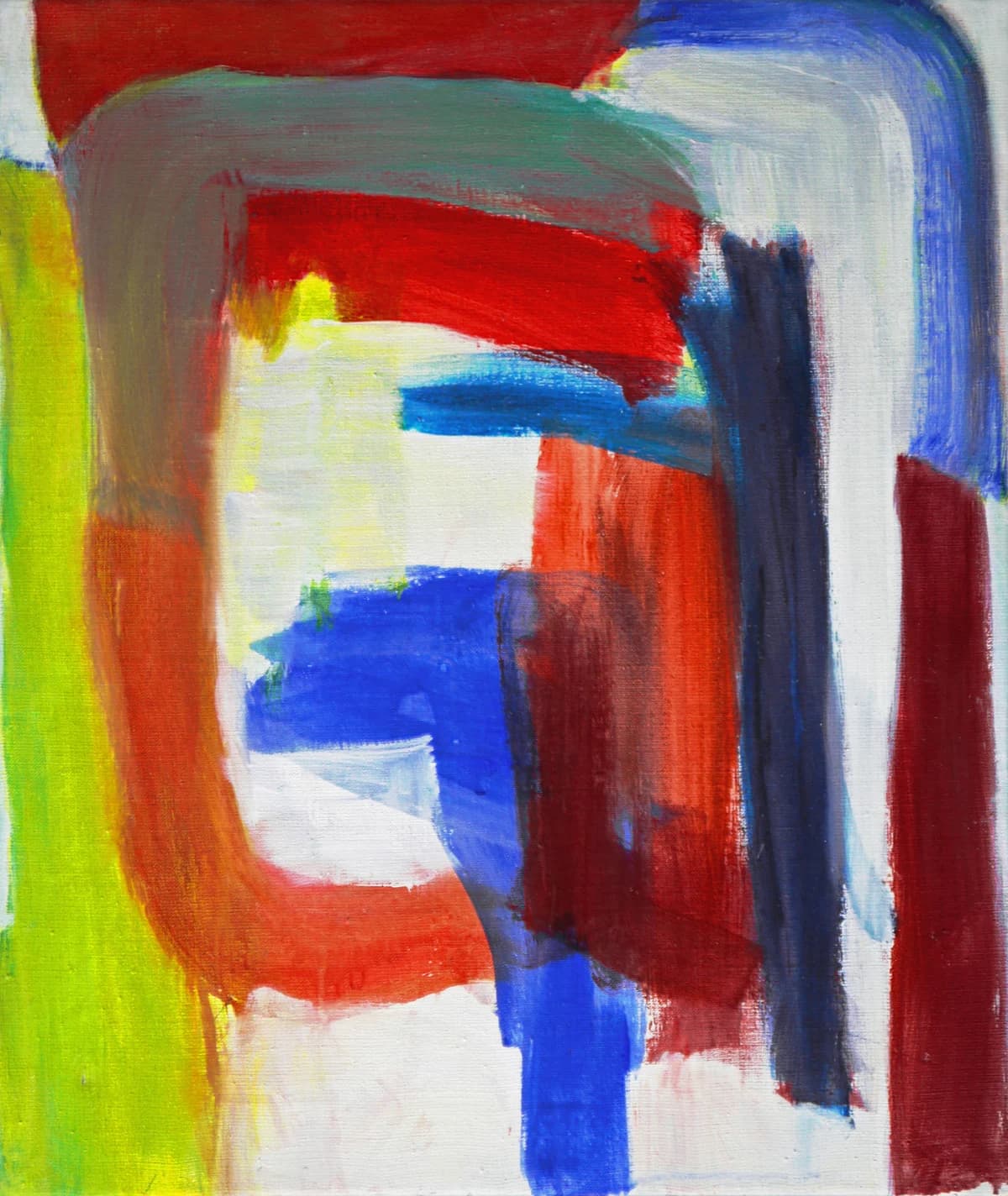
by Fernand Léger, 1913
Artwork Details
Details
- Year
- 1913
- Medium
- Oil on canvas
- Size
- 130 cm × 97 cm
Cite or Embed This Work
APA · MLA · Chicago1-click academic citation and embeddable “On View” museum badge for articles, syllabi, and research.
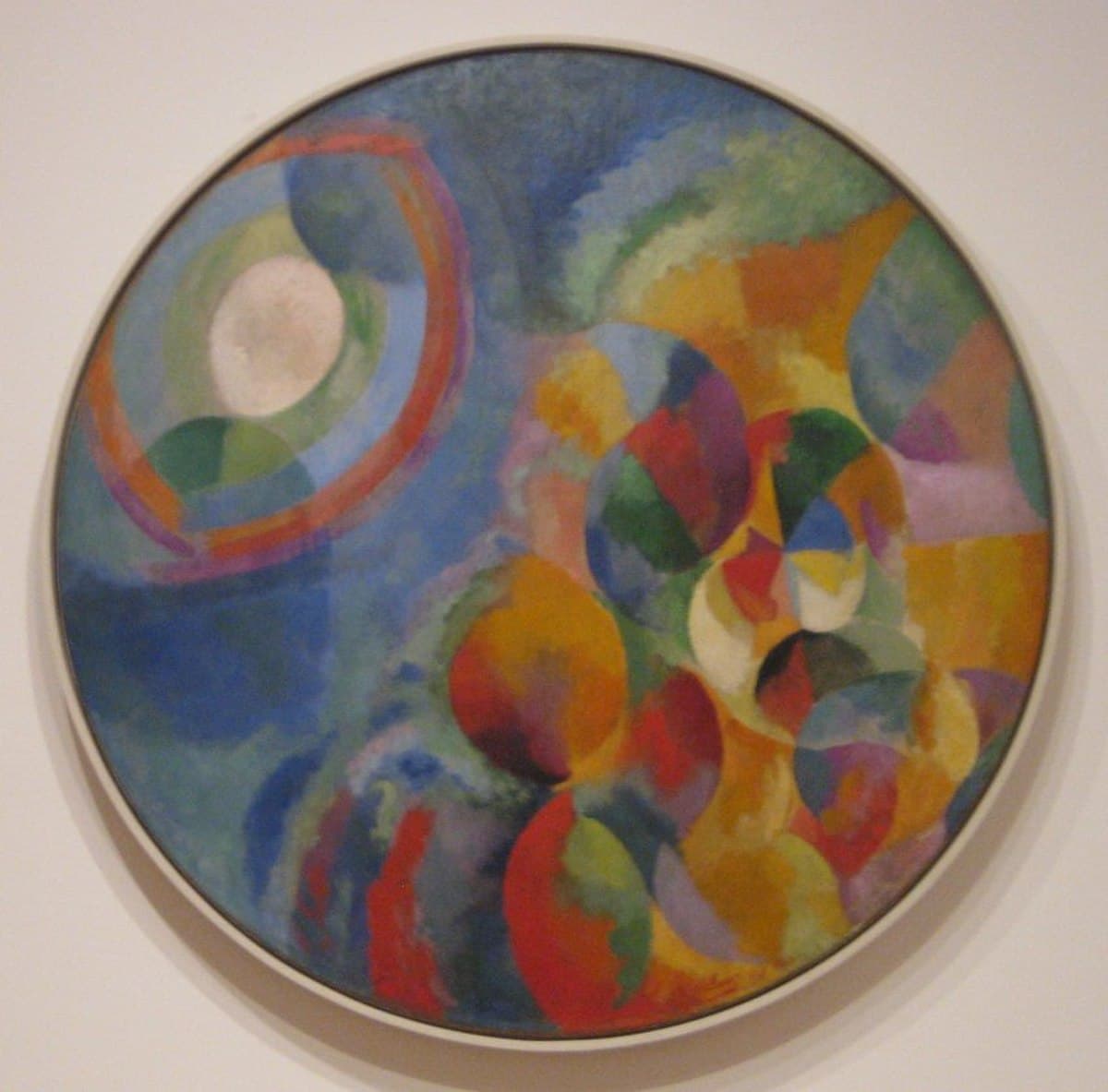
Fernand Léger completed this Contrast of Forms in 1913, one of about 50 works in a series exploring the boundaries between abstraction and representation. Cylindrical forms, intersecting solids and voids, and patches of primary color create what critic Louis Vauxcelles dubbed "Tubism." The shapes seem to burst with volume while floating on a flat surface.
Léger sought the greatest possible "contrast" in line, form, and color. Unlike Picasso and Braque, who flattened space in their Cubism, Léger retained three-dimensional volume. The red, blue, and yellow accents were added after the drawing, without smooth blending.
This series marked the first non-representational works to emerge from Cubism. The work at MoMA in New York, part of the Philip L. Goodwin Collection, measuring 100.3 x 81.1 cm.