Public Domain
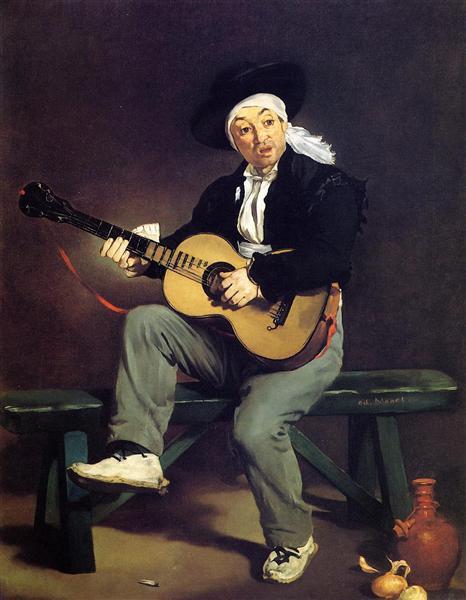
The Spanish Singer
Artwork Details
Cite or Embed This Work
APA · MLA · Chicago1-click academic citation and embeddable “On View” museum badge for articles, syllabi, and research.
Édouard Manet painted The Spanish Singer in 1860, creating the work that would launch his public career. A man in traditional Spanish costume sits playing guitar, surrounded by studio props including a jug and onions. The painting earned an Honorable Mention at the Salon of 1861, Manet's first significant recognition, and attracted attention from critics including Baudelaire and Théophile Gautier.
Sharp-eyed viewers notice something wrong: the guitar is strung for a left-handed player, though the model holds it right-handed. Manet staged the scene in his studio with a hired model and borrowed props, prioritizing visual impact over accuracy. This willingness to sacrifice realism for effect would characterize his entire approach. The painting's bold brushwork and direct lighting also broke from academic conventions.
After the Salon, a group of young artists visited Manet's studio, drawn by the painting's unconventional power. This circle would eventually include future Impressionists. The work now hangs at the Metropolitan Museum of Art in New York, representing the moment when Manet emerged as a leader of avant-garde painting in Paris.
More by Édouard Manet
View all →
Also at The Metropolitan Museum of Art
View all →Sculpture
R

Rolltop desk
David Roentgen, 1776
The Metropolitan Museum of Art, New York
Sculpture
L
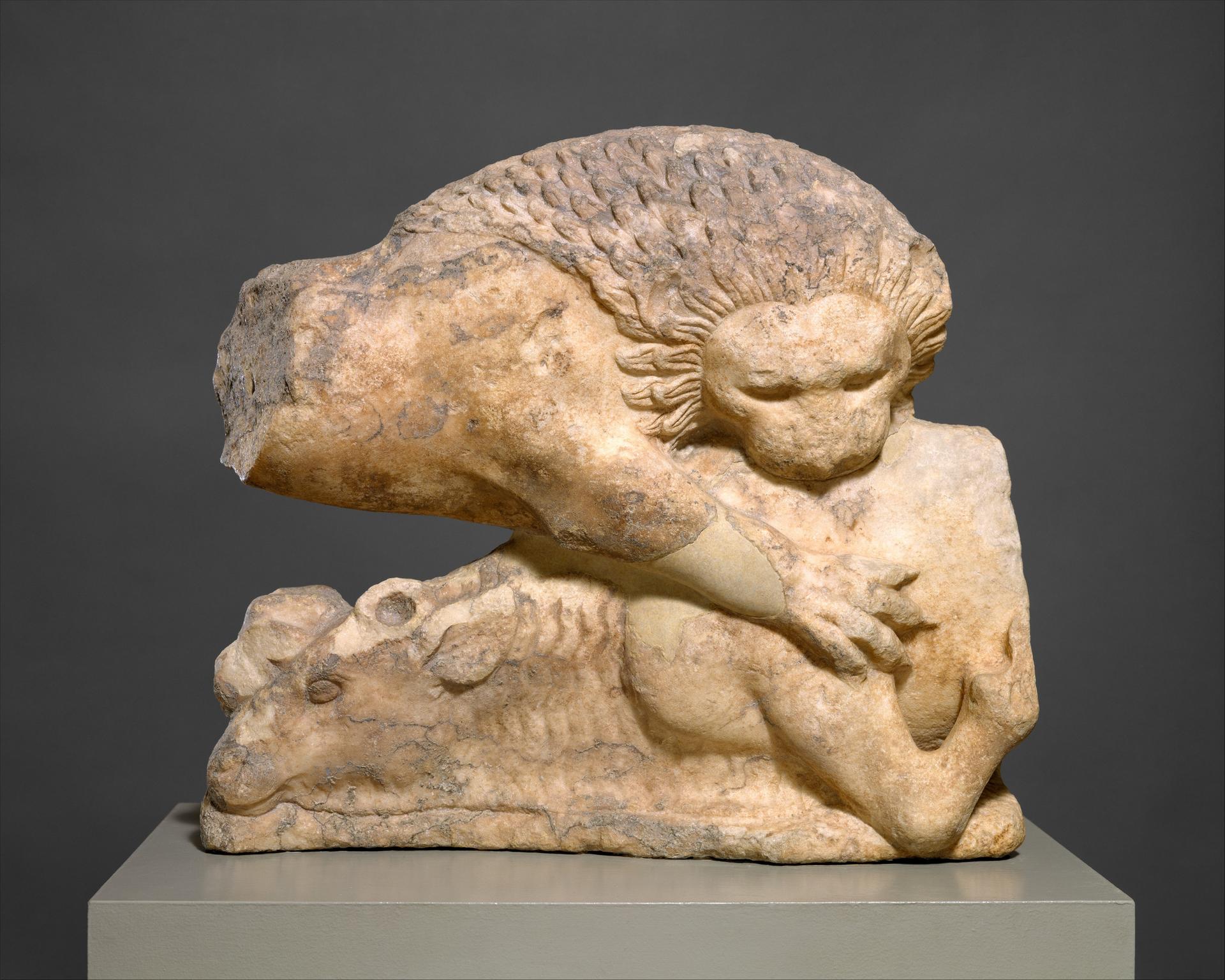
Lion felling a bull, from a marble pediment
Ancient Greek (Unknown), -500
The Metropolitan Museum of Art, New York
Sculpture
M
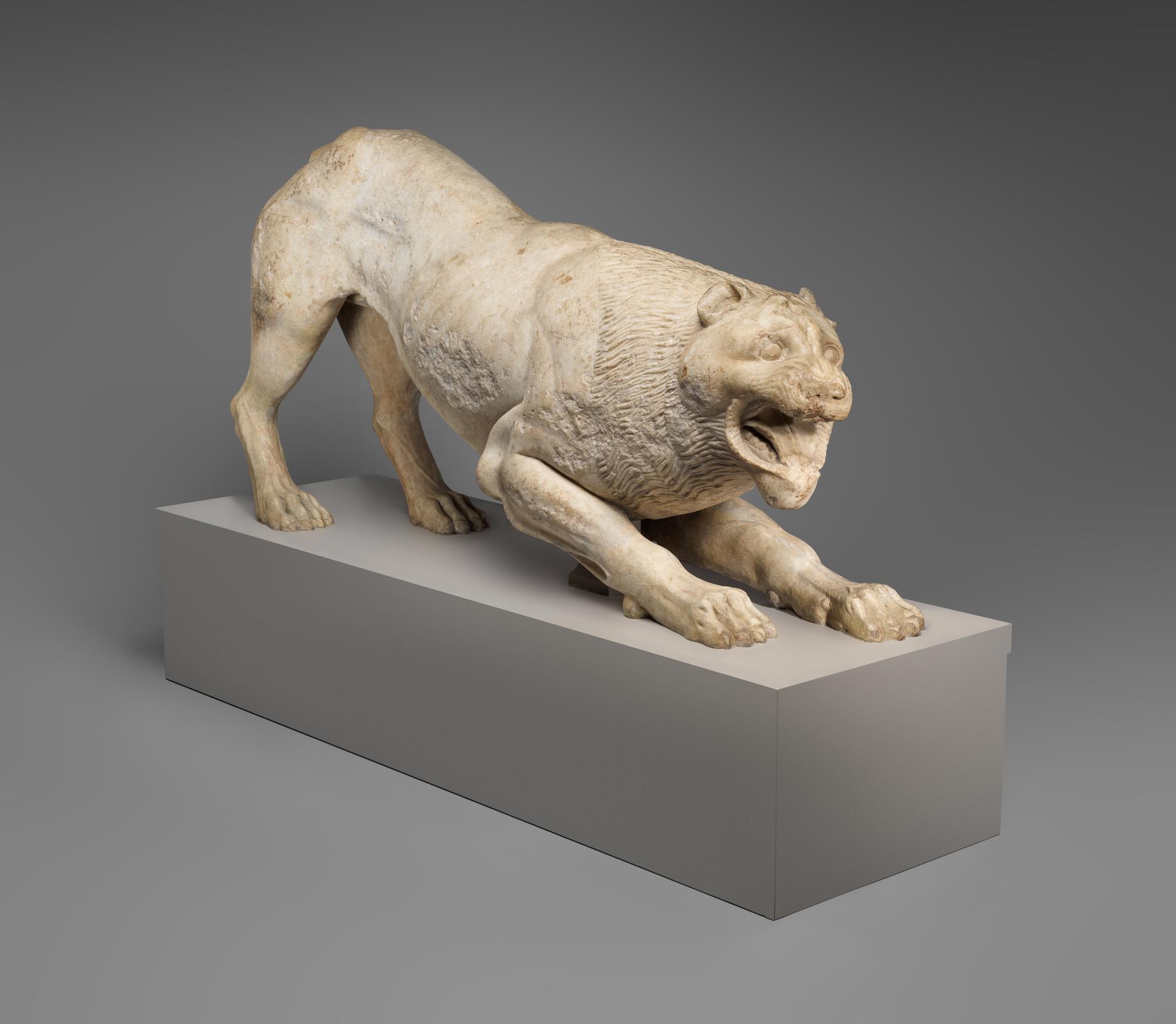
Marble statue of a lion
Ancient Greek (Unknown), -390
The Metropolitan Museum of Art, New York
S
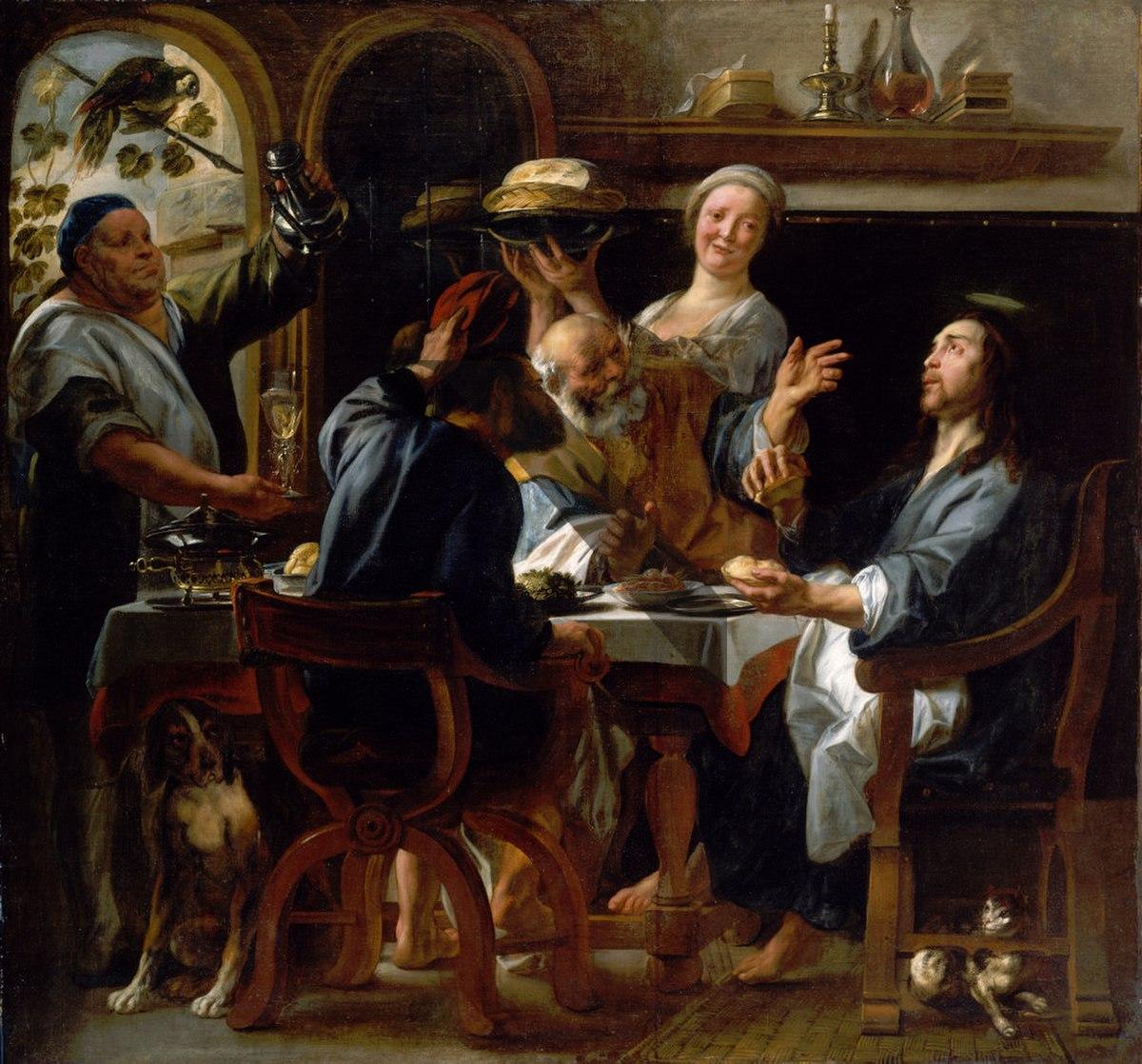
Supper at Emmaus
Diego Velázquez
The Metropolitan Museum of Art, New York
Related Works
Works that share an artist, movement, museum, genre, palette or theme with The Spanish Singer.
- Same artist
- Same movement
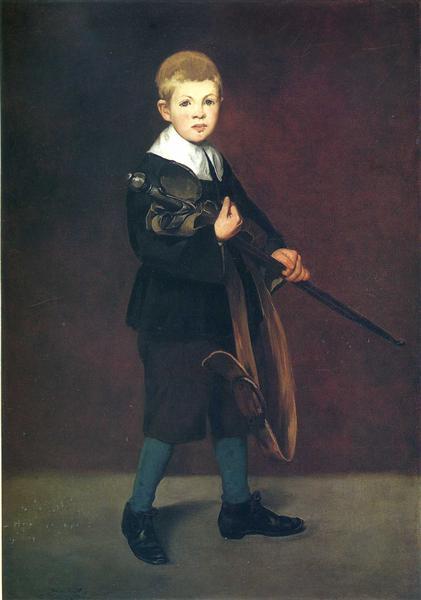
Boy with a sword
Édouard Manet
- Same artist
- Same movement
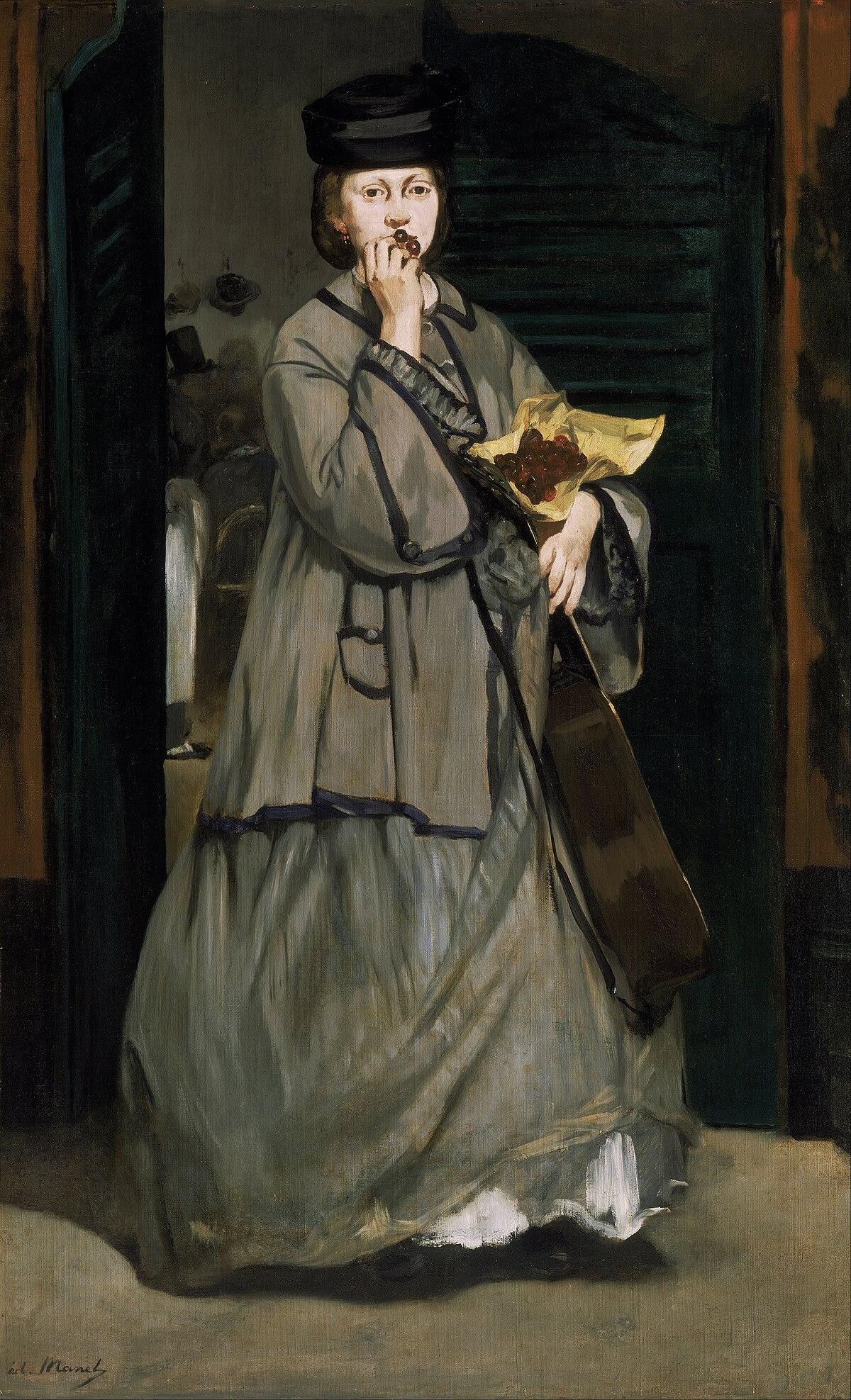
Street Singer
Édouard Manet
- Same artist
- Same movement
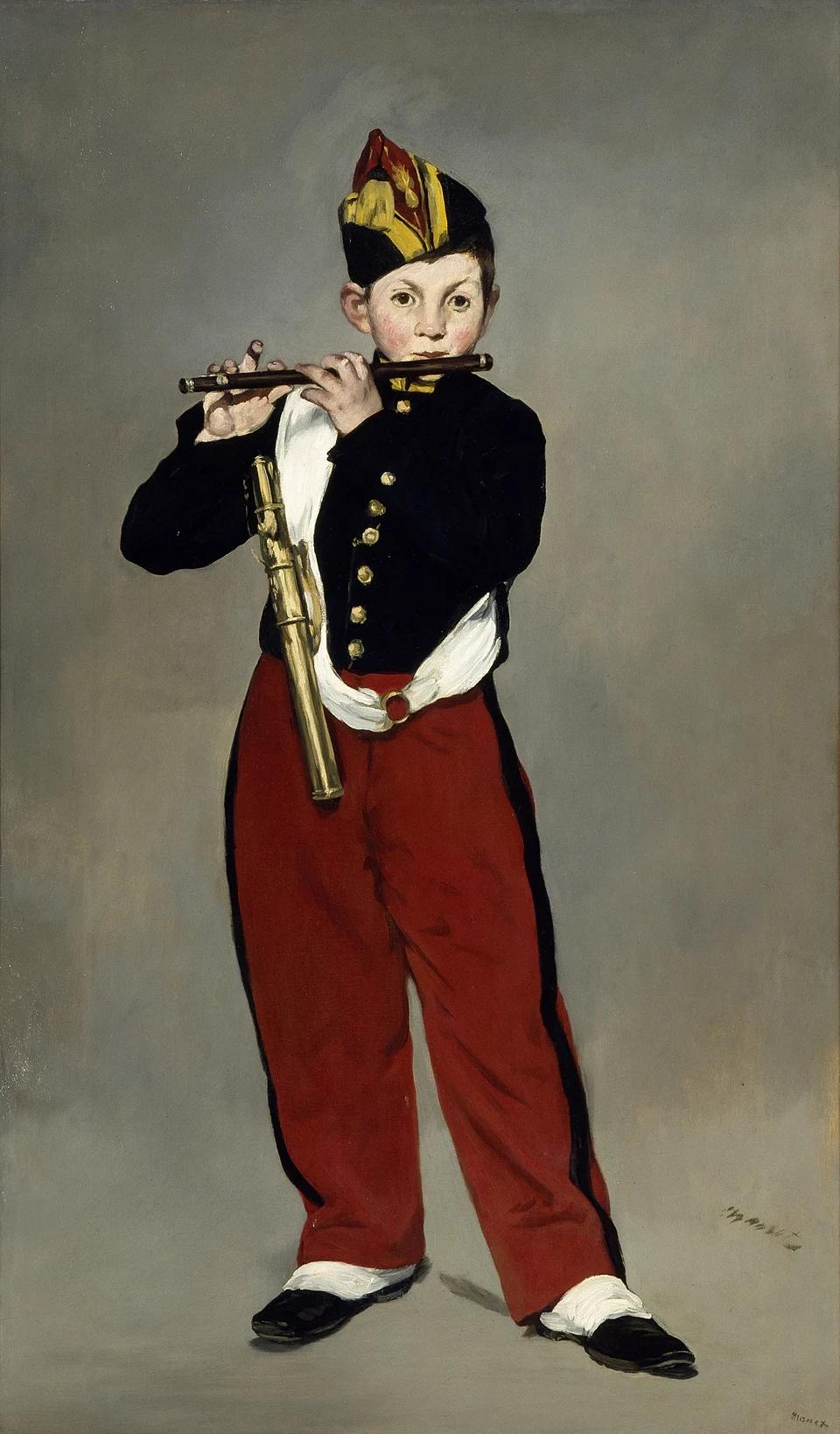
The Fifer
Édouard Manet, 1866
- Same movement
- Same museum
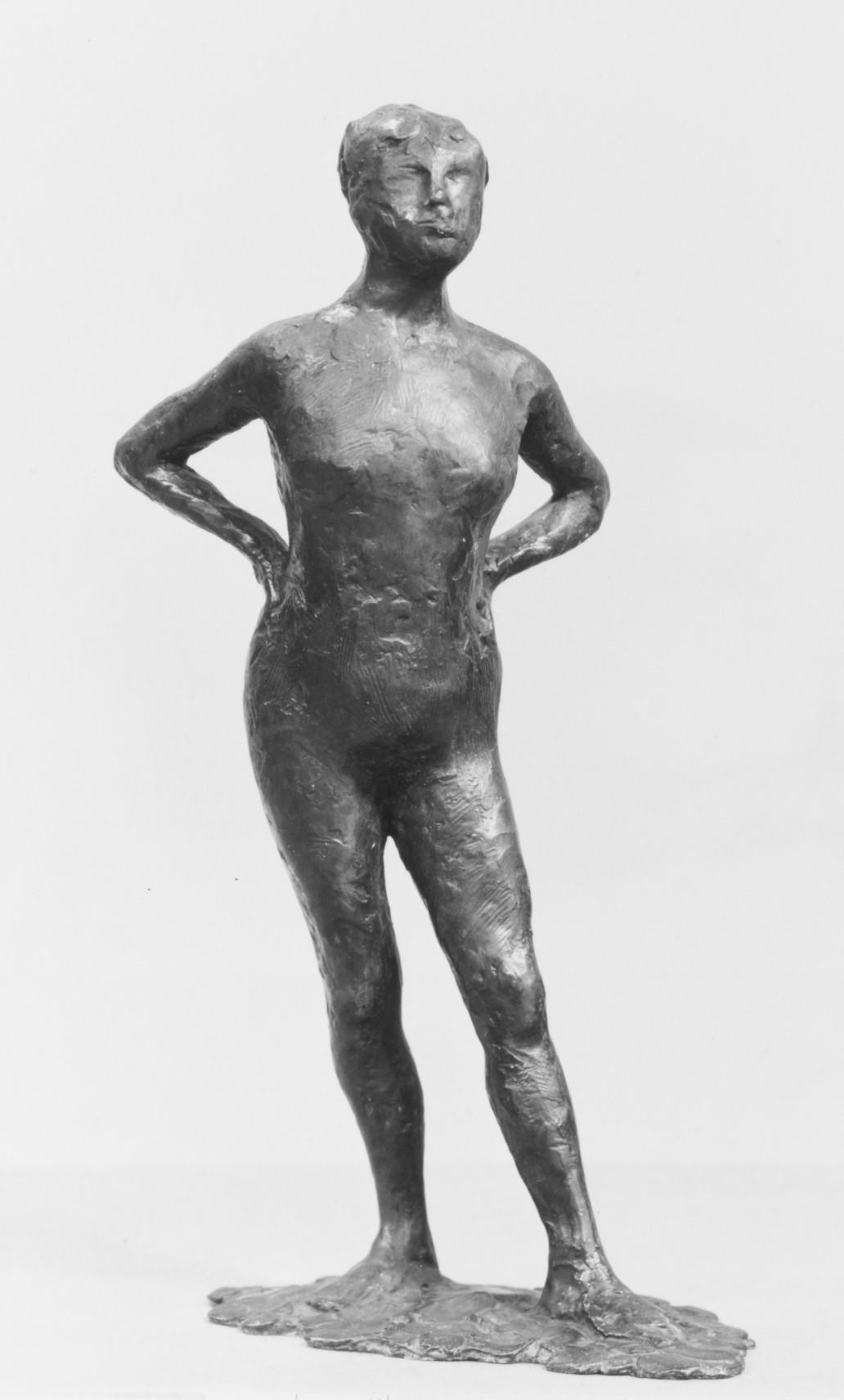
Dancer resting
Edgar Degas
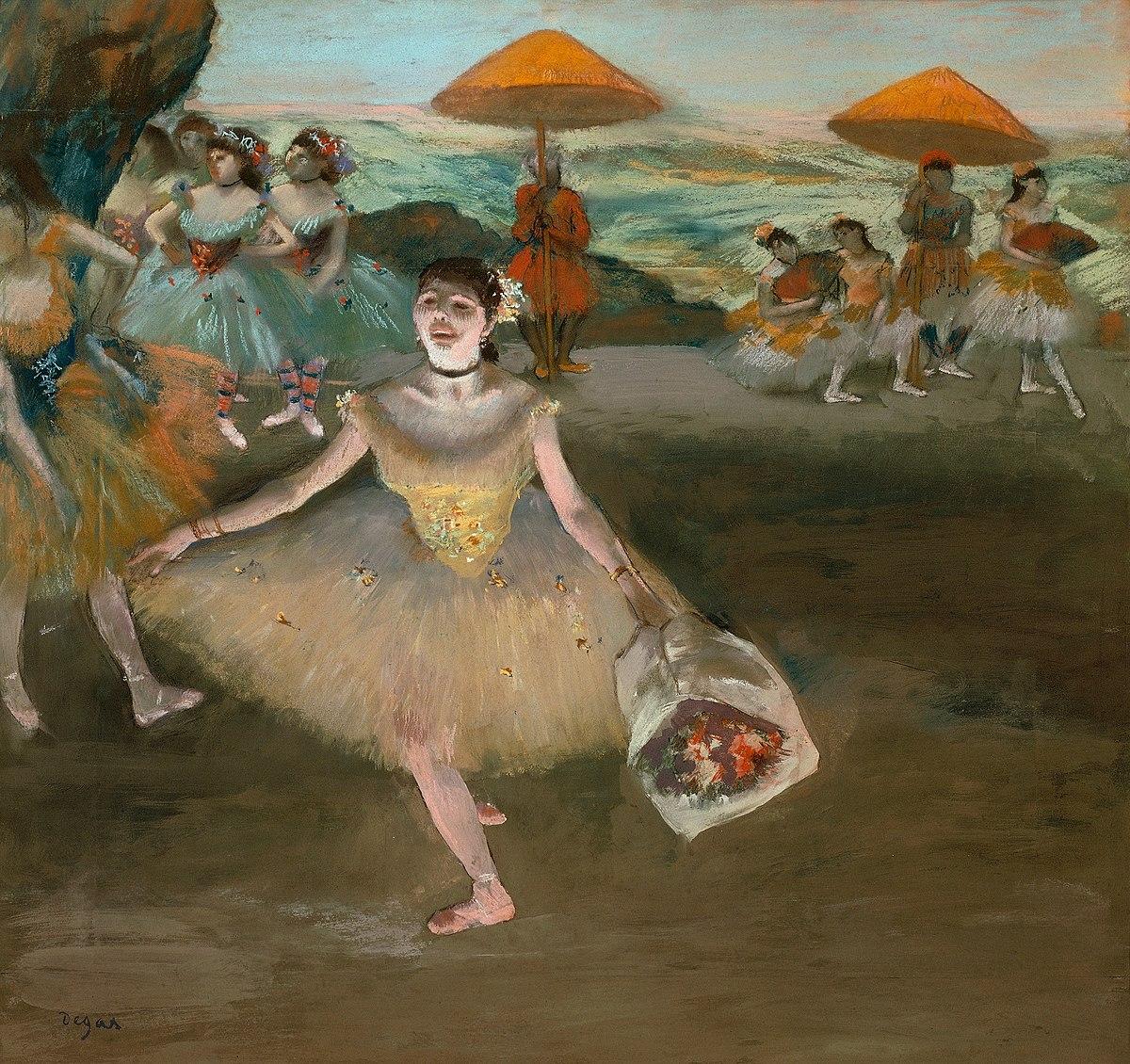
- Same movement
- Same museum
Bowing Dancer
Edgar Degas
- Same movement
- Same museum
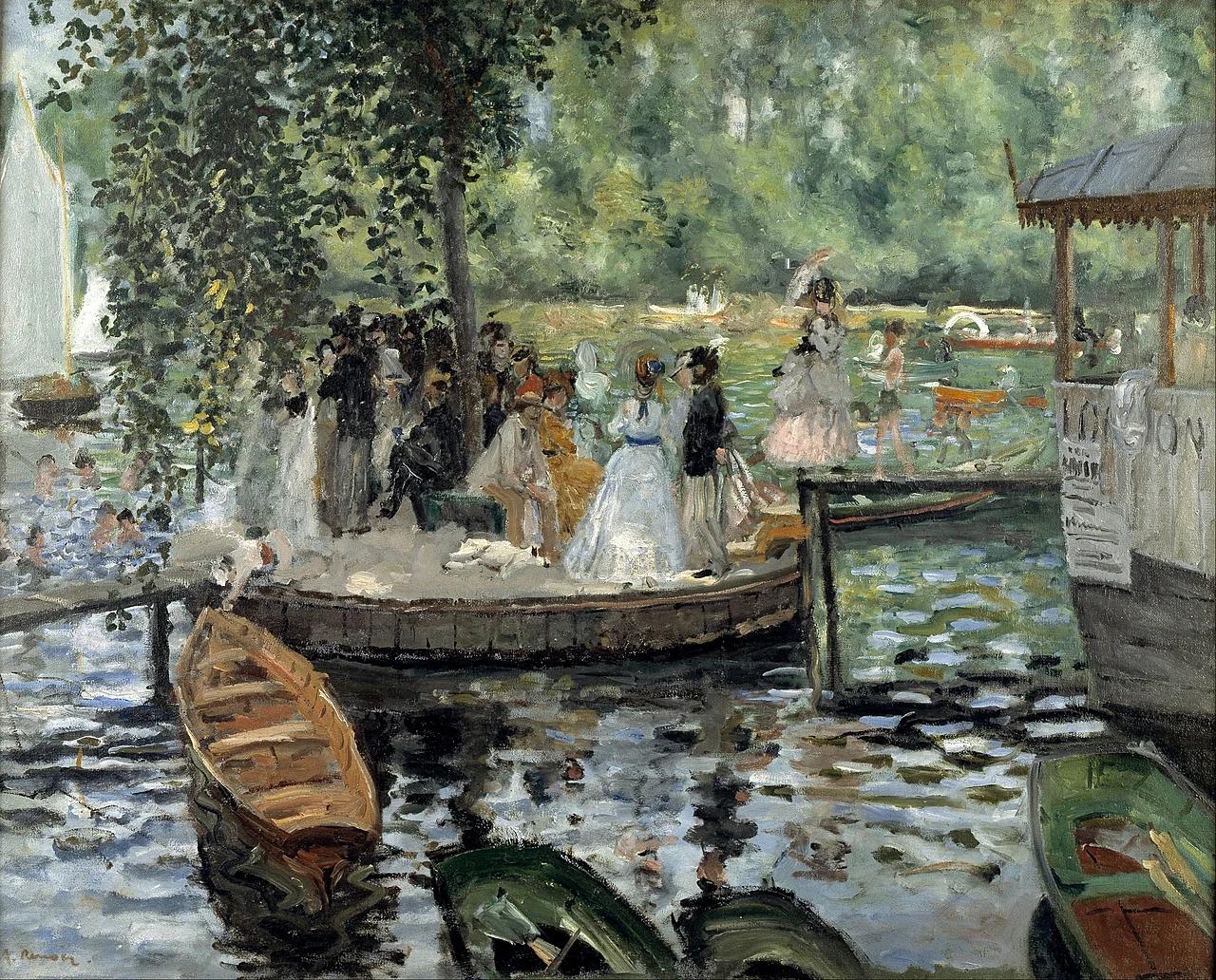
La Grenouillère
Claude Monet, 1869

- Same movement
- Same museum
Bridge over a Pond of Water Lilies
Claude Monet, 1899
- Same movement
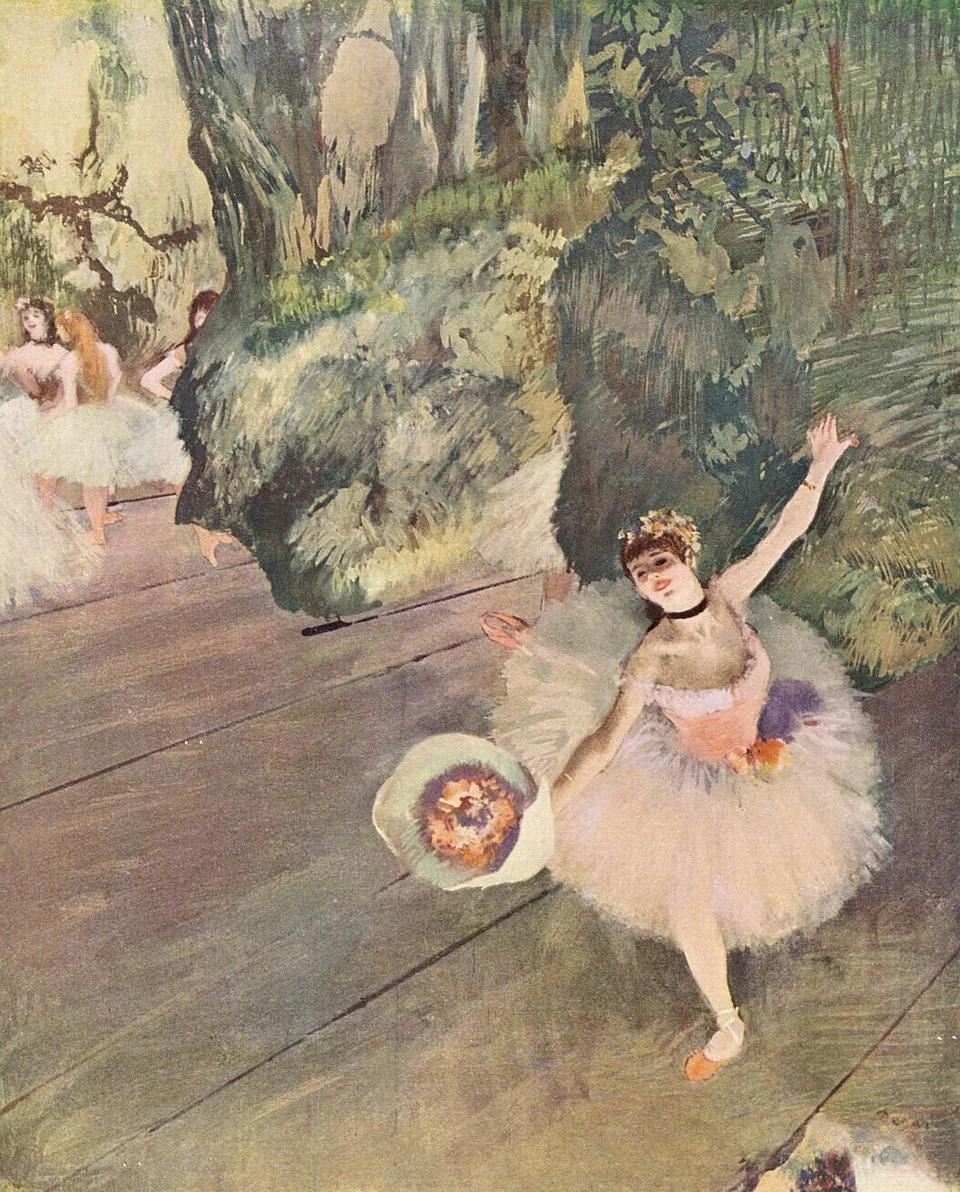
The Star (Dancer on Stage)
Edgar Degas, 1878
- Same movement
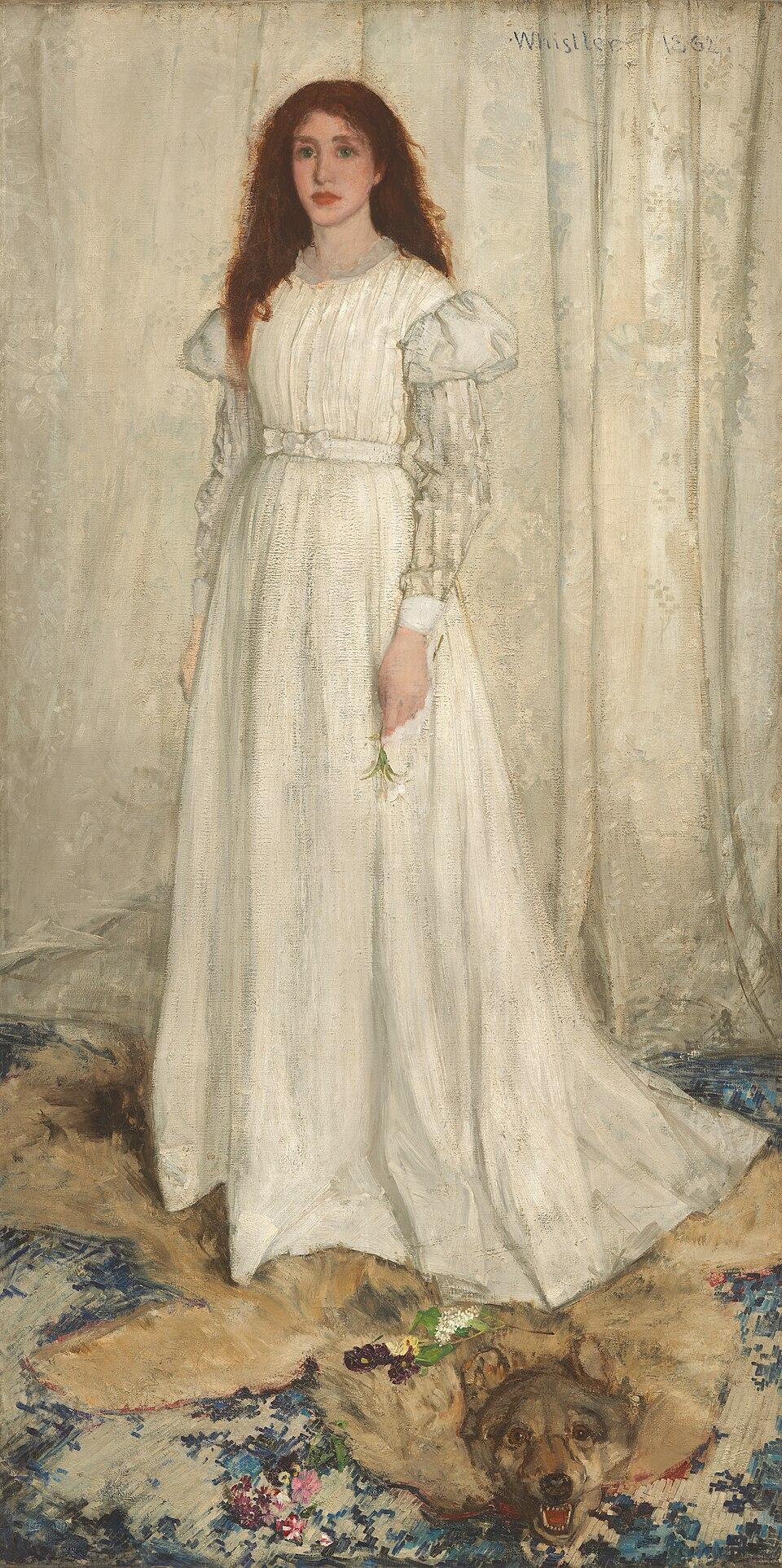
Symphony in White, No. 1: The White Girl
James Abbott McNeill Whistler, 1862
- Same movement
Impression, Sunrise
Claude Monet, 1872
- Same movement
Guernica
Pablo Picasso, 1937
- Same movement
The Cradle
Berthe Morisot, 1872
About The Spanish Singer
This painting is displayed at the Metropolitan Museum of Art in New York City. It represents Manet's breakthrough at the Salon of 1861, where it earned an Honorable Mention and critical praise.
The guitar is strung for a left-handed player, but the model holds it right-handed. Manet staged the scene in his studio with borrowed props, prioritizing visual impact over musical accuracy.
This was Manet's first Salon success, painted when he was twenty-eight. Critics including Baudelaire and Gautier praised it, and young artists visited his studio afterward, establishing him as a leader of the avant-garde.
Spanish themes were fashionable in Paris during the 1860s. Manet admired Velázquez and Goya, and Spanish culture offered opportunities for bold costume and dramatic effect that appealed to his artistic temperament.
Own Art Like This
Luxury wall art with the same mood and energy. Gallery-quality canvas, no museum crowds.
Browse Collection