Wikimedia Commons • Public Domain
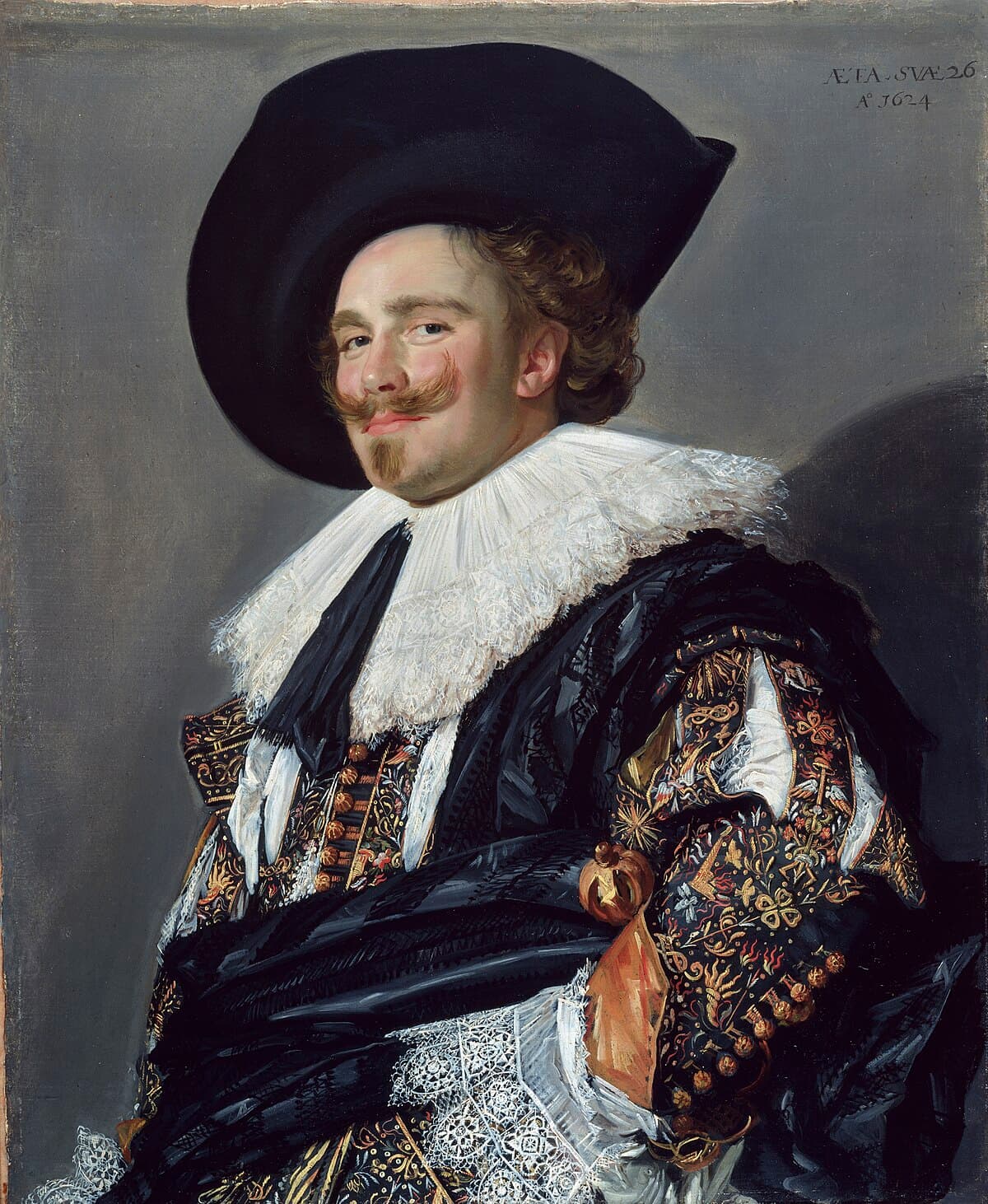
Portrait of an unknown man
by Frans Hals
Artwork Details
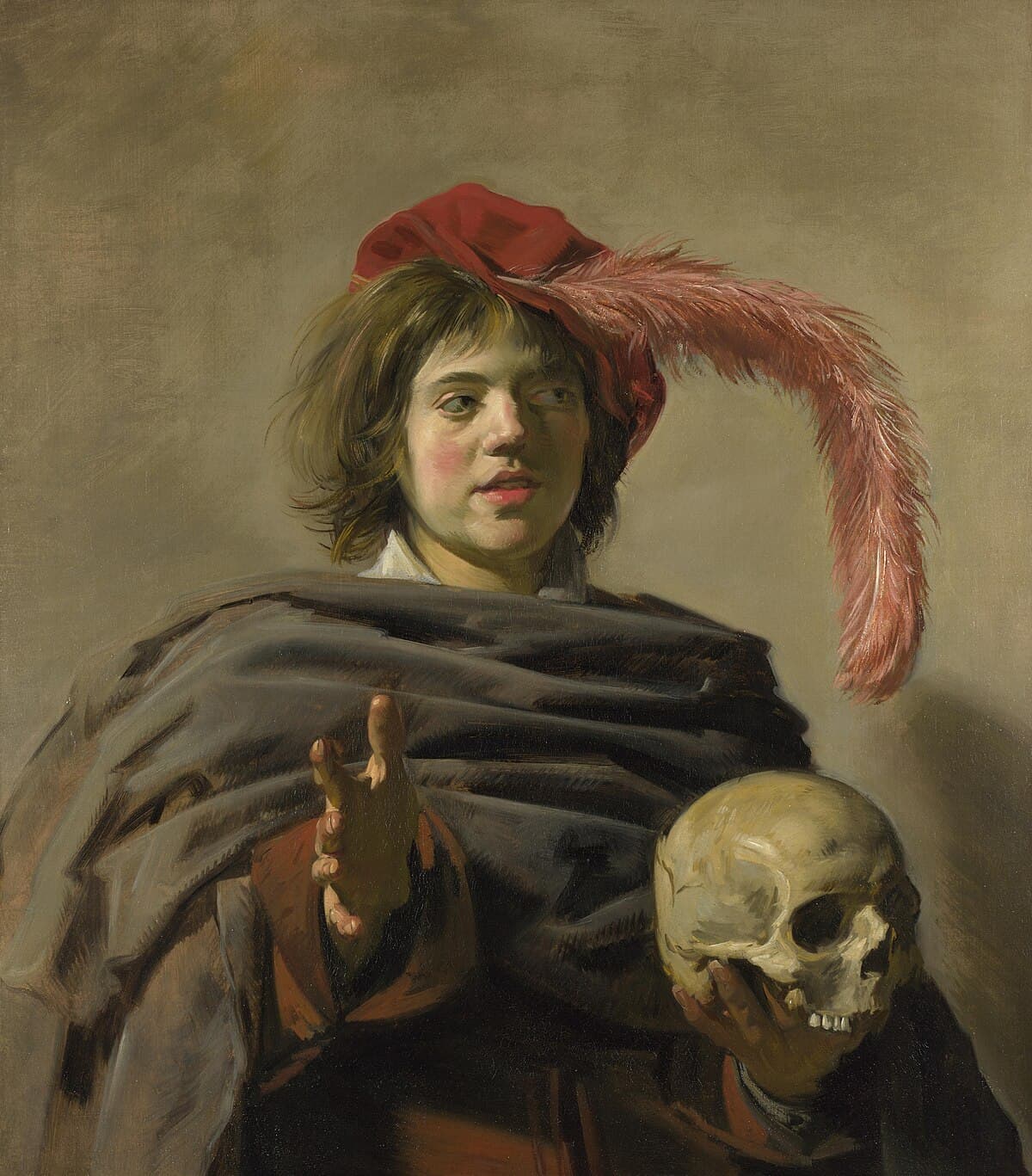
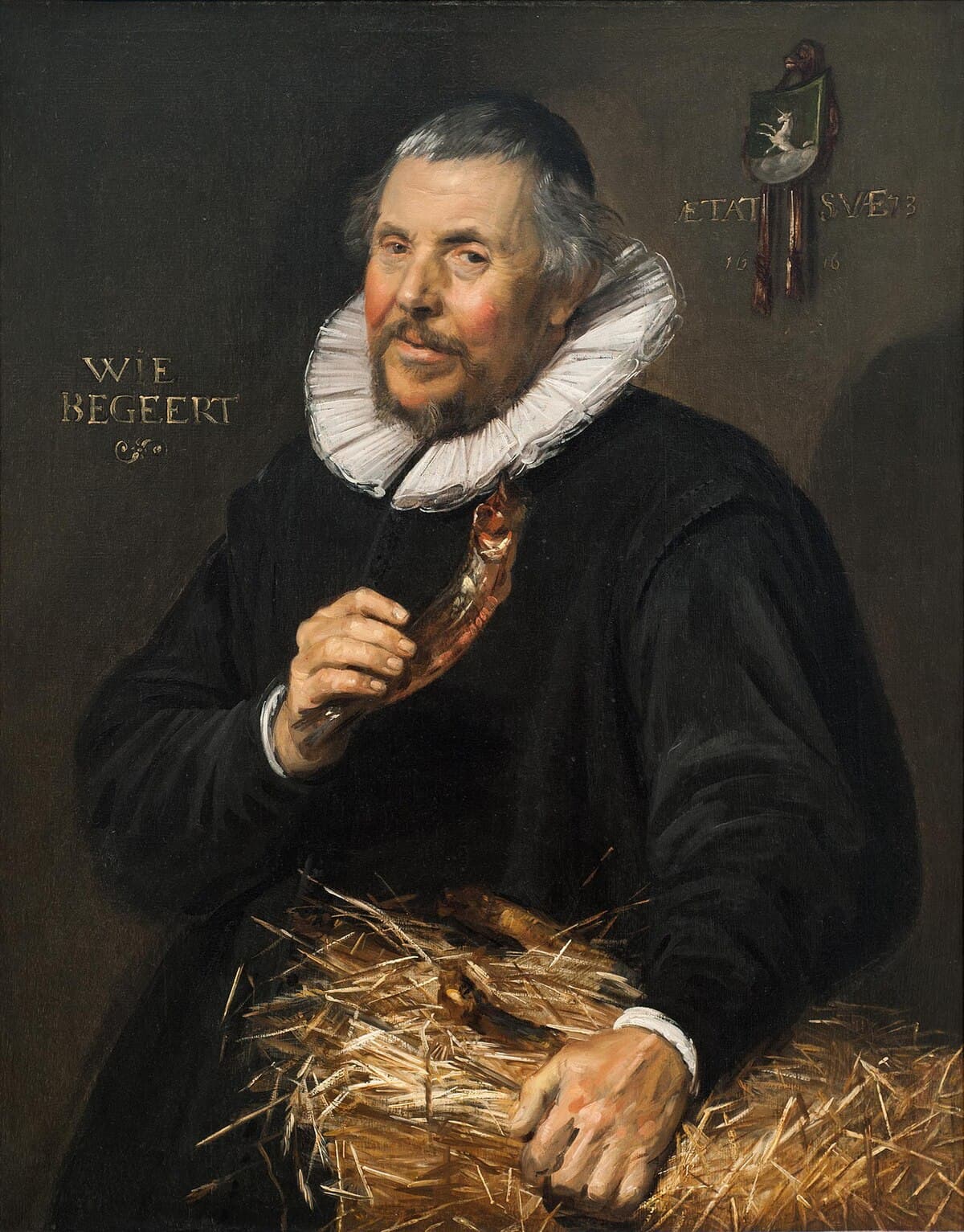
Frans Hals executed this portrait around 1660, late in his career when his technique had reached its most distinctive expression. Though the sitter's name has been lost, the painting conveys a vivid sense of individual character through bold, visible brushwork. The man's rakish hat angle, distinctive moustache, and unkempt hair suggest a confident personality.
Hals made no attempt to disguise that this image consists of paint on canvas. The treatment of the cuff is swift and almost rough, with thick brushstrokes in some areas and thin, quickly-applied paint with visible dribbles elsewhere. In one late portrait, Hals left a large drip uncorrected, as if he had "just walked away from the painting." This approach feels astonishingly modern.
The painting hangs at the Gemäldegalerie Alte Meister in Dresden. While 18th-century critics like Joshua Reynolds complained about Hals's lack of "finish," the Impressionists later championed his work. Vincent van Gogh wrote admiringly of Hals two centuries after his death.