Wikimedia Commons • Public Domain
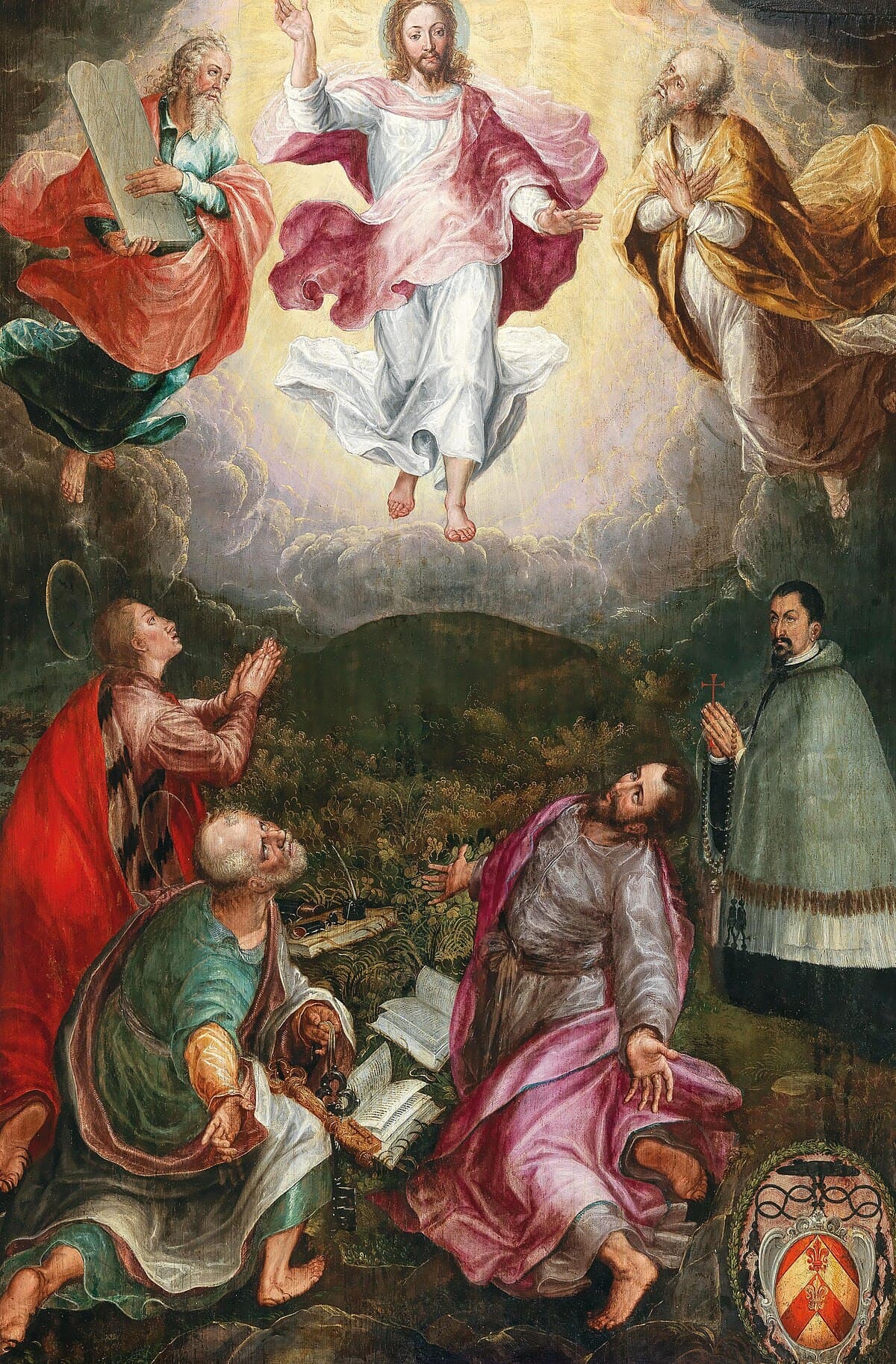
Transfiguration of Christ on Mount Tabor
by Giovanni Bellini, 1475
StyleRenaissance
GenreReligious
Artwork Details
Details
- Year
- 1475
Cite or Embed This Work
APA · MLA · Chicago1-click academic citation and embeddable “On View” museum badge for articles, syllabi, and research.
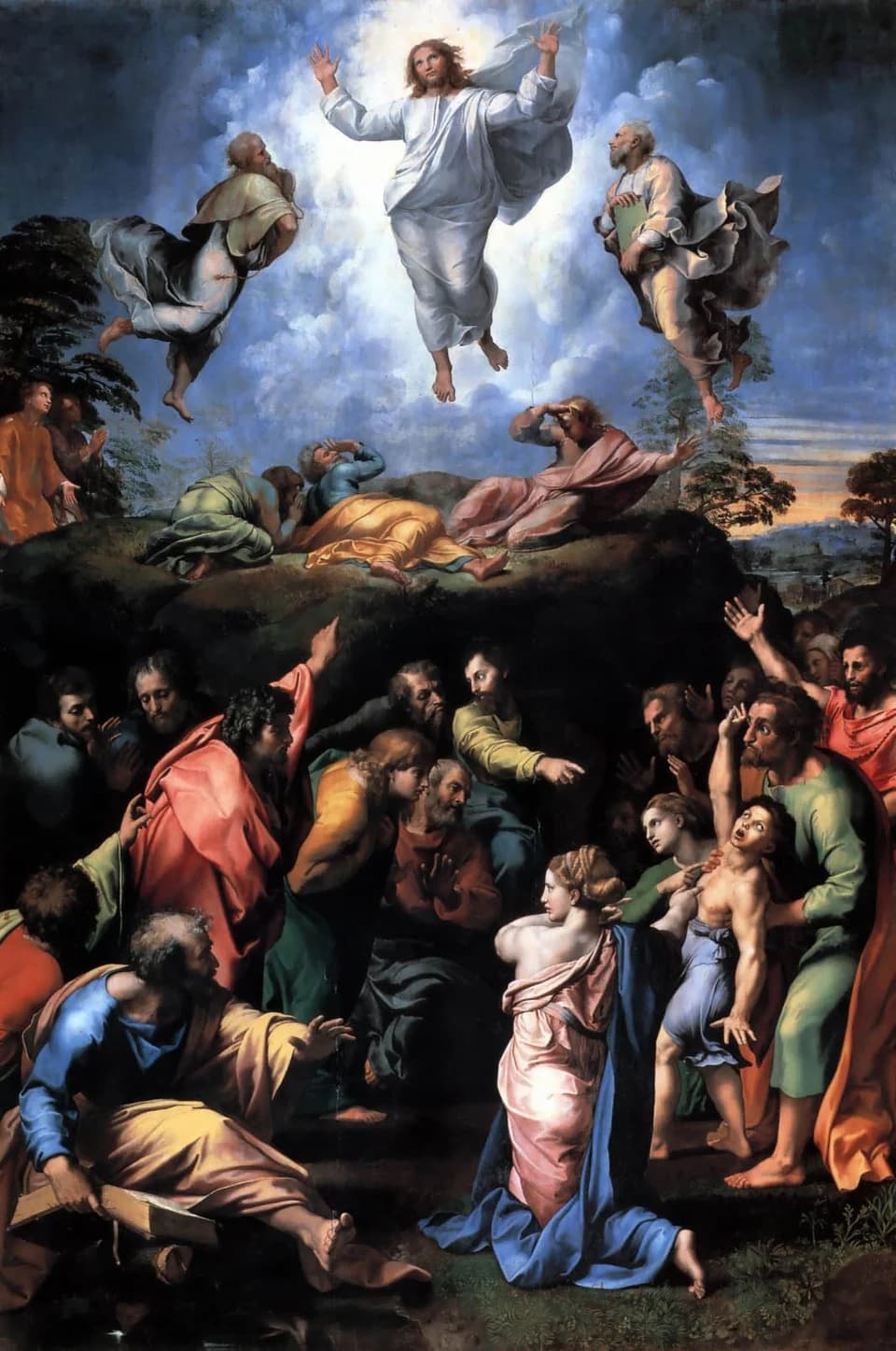
Italian painter Giovanni Bellini painted this early interpretation of the Transfiguration around 1455, showing the moment when Christ revealed his divine nature to three disciples on Mount Tabor. Jesus stands radiant between Moses and Elijah while Peter, James, and John cower below, overwhelmed by the vision. The painting originally hung in the Church of San Job in Venice before entering museum collections.
Scholars once attributed this work to Andrea Mantegna, Bellini's brother-in-law, whose influence clearly shows in the crisp outlines and sculptural treatment of figures. The hard linear style differs from the soft, atmospheric approach Bellini would later develop. Yet even here, his sensitivity to light and landscape hints at his future direction. The rocky setting frames the supernatural event while grounding it in observable nature.
The Transfiguration was a significant subject in Venetian churches, representing Christ's promise of salvation and his connection to Old Testament prophecy. Bellini would return to religious subjects throughout his long career, becoming the most influential painter in Venice before Titian emerged. This early panel now belongs to the Museo Correr in Venice, where it documents the beginning of a career that shaped Venetian Renaissance painting.
Historical Significance
This work has become a cultural touchstone, recognized far beyond the art world.