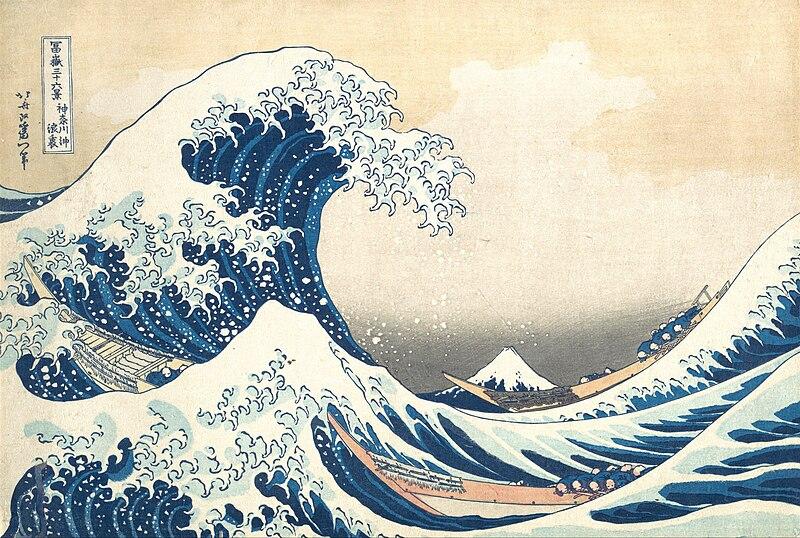
The Great Wave off Kanagawa
by Katsushika Hokusai, 1831
Artwork Details
Details
- Year
- 1831
- Medium
- Woodblock print
- Size
- 25.7 cm × 37.8 cm
Cite or Embed This Work
APA · MLA · Chicago1-click academic citation and embeddable “On View” museum badge for articles, syllabi, and research.
The Great Wave off Kanagawa is Japan's most recognizable artwork, a woodblock print showing fishing boats threatened by a towering wave with Mount Fuji visible in the distance. Created around 1831 by Katsushika Hokusai, it was part of his series "Thirty-six Views of Mount Fuji." The print's dynamic composition influenced Western artists from Monet to Van Gogh.
Hokusai was over 70 when he created this image, having spent decades perfecting his craft. The crashing wave forms a perfect frame for tiny Fuji, inverting traditional Japanese art's emphasis on the sacred mountain. Western influence appears in the use of Prussian blue, a recently imported synthetic pigment. The print cost about as much as a bowl of noodles when first sold.
Multiple impressions exist in museums worldwide, each varying slightly due to the woodblock printing process and different stages of the edition.
More by Katsushika Hokusai
View all →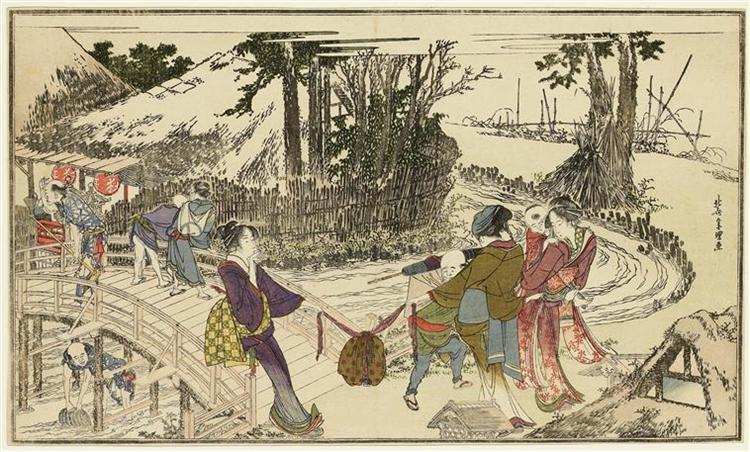
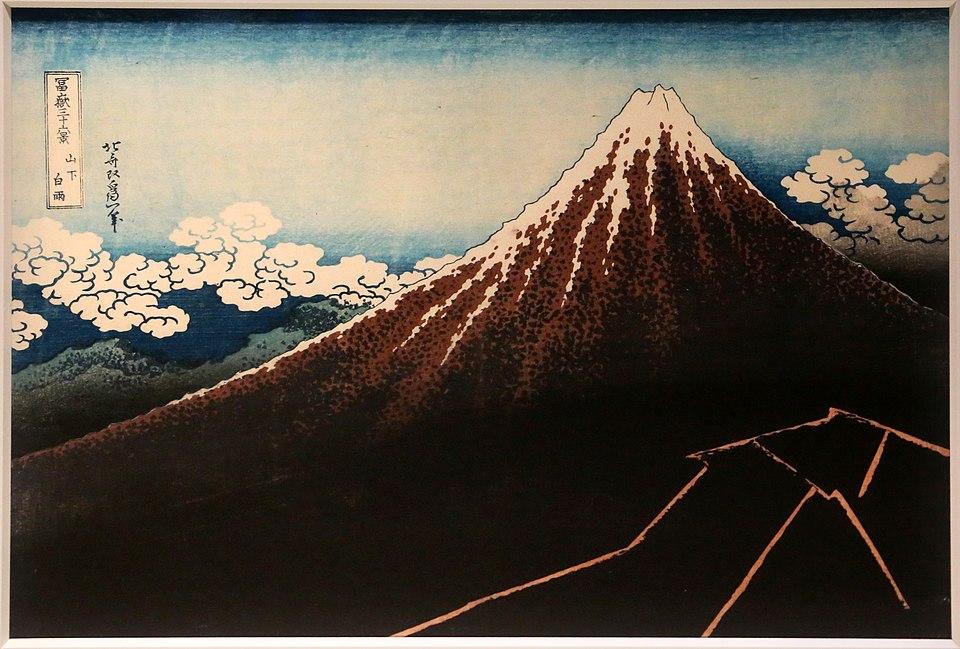
Related Works
Works that share an artist, movement, museum, genre, palette or theme with The Great Wave off Kanagawa.
- Same artist
- Same movement
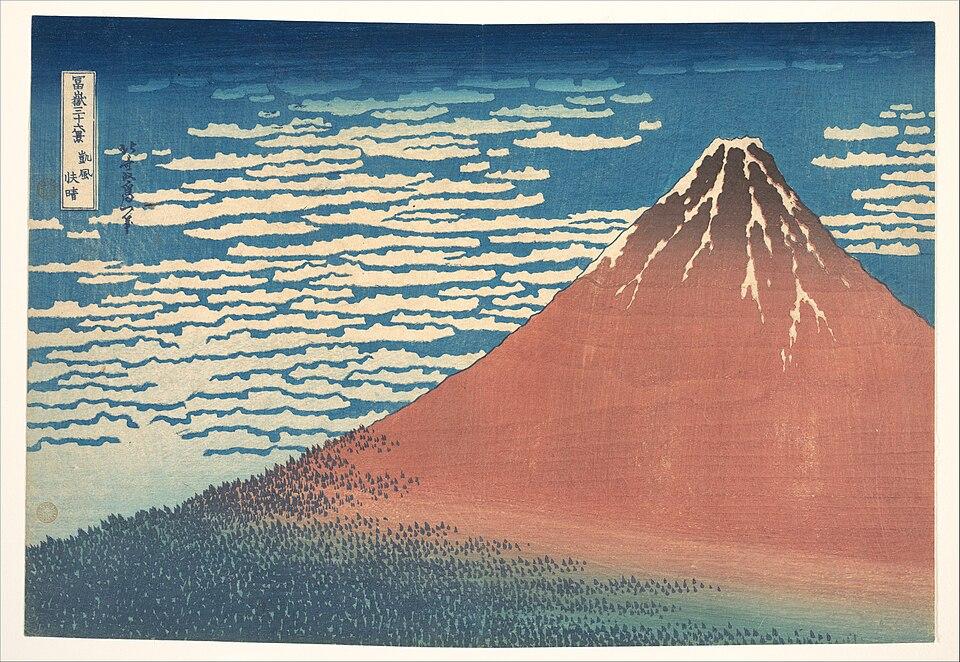
Fine Wind, Clear Morning (Red Fuji)
Katsushika Hokusai, 1831
- Same artist
- Same movement
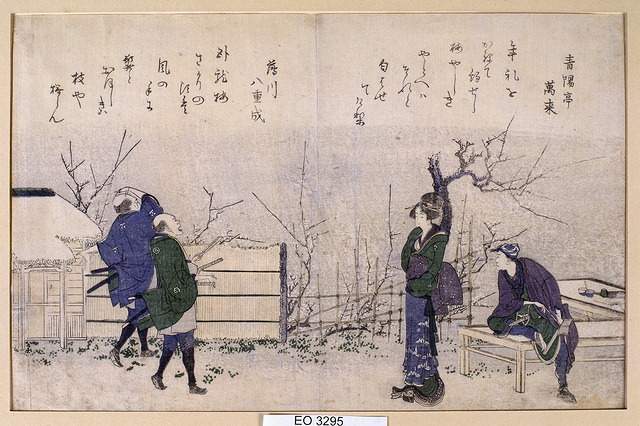
Teahouse Umeyashiki
Katsushika Hokusai
- Same artist
- Same movement
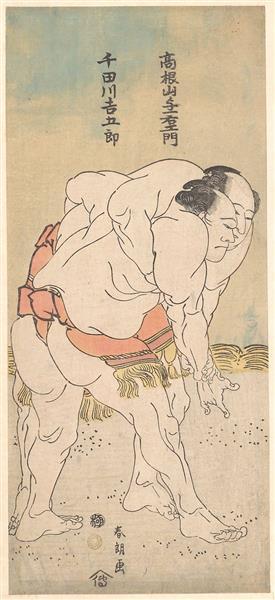
The Sumo Wrestlers Takaneyama Yoichiemon and Sendagawa Kichigorō
Katsushika Hokusai
- Same genre
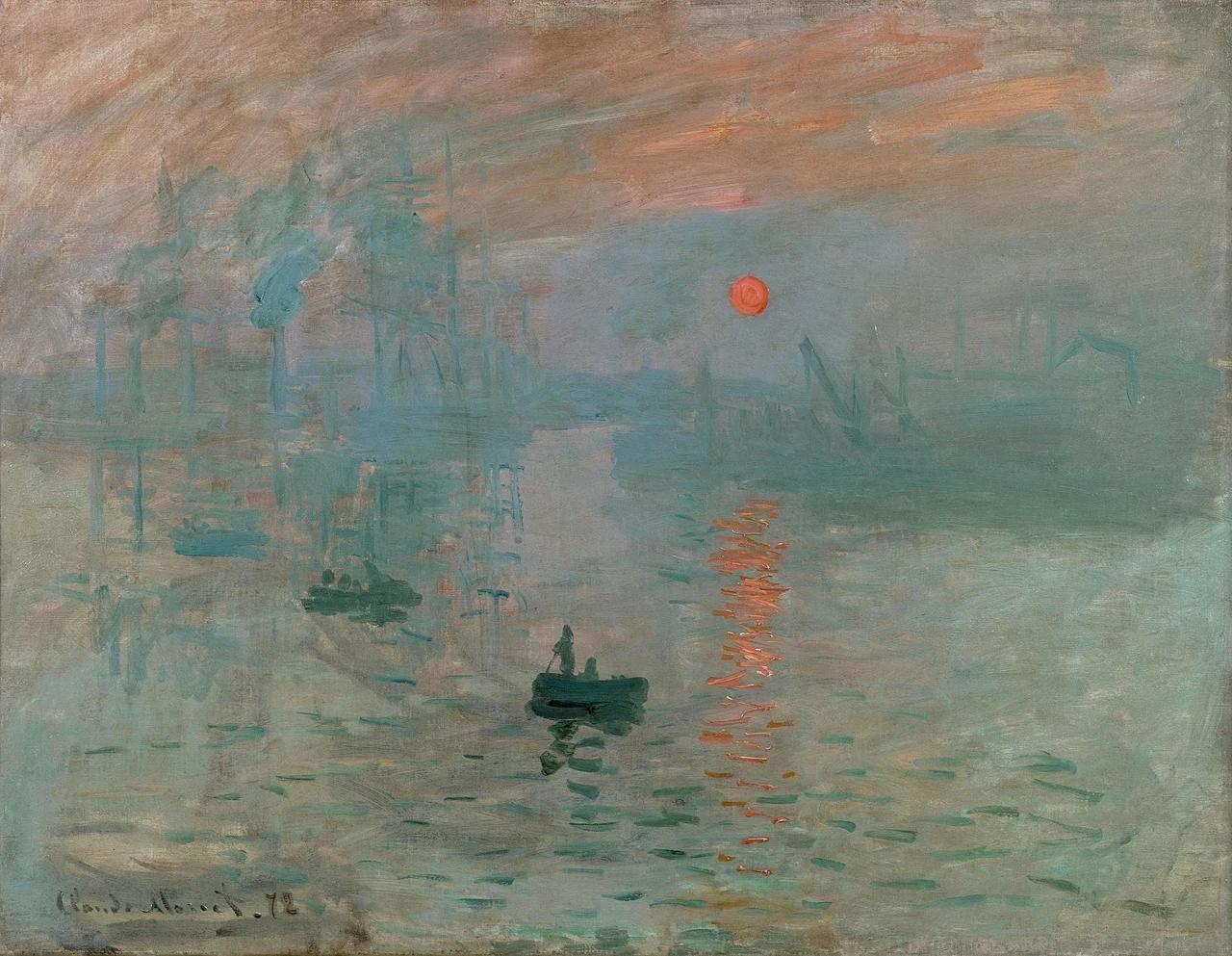
Impression, Sunrise
Claude Monet, 1872
- Same genre
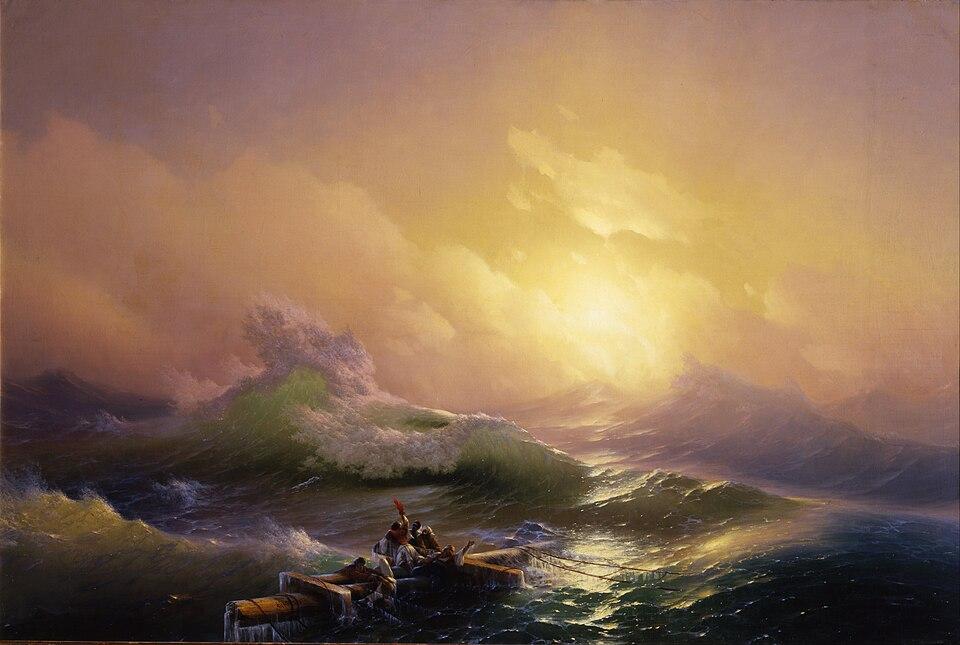
The Ninth Wave
Ivan Aivazovsky, 1850
- Same genre
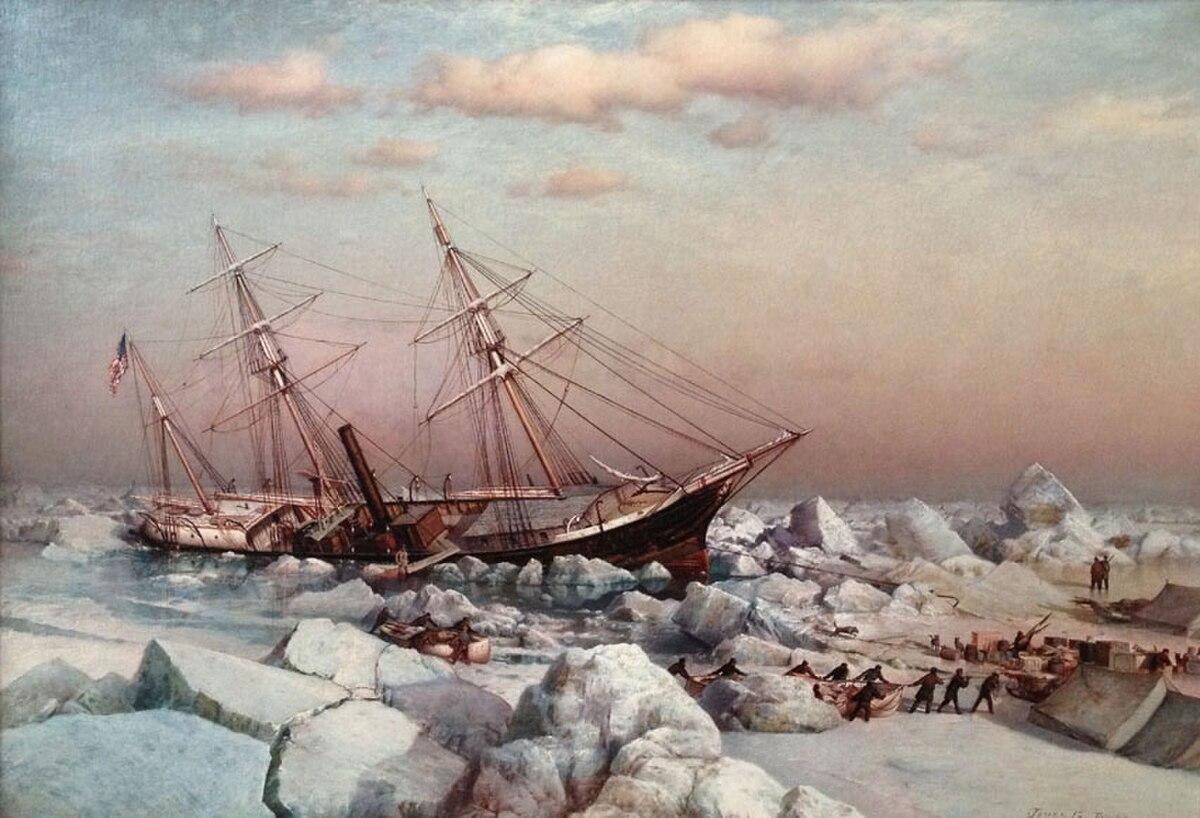
Ship in the Arctic Ocean
Caspar David Friedrich
- Same genre
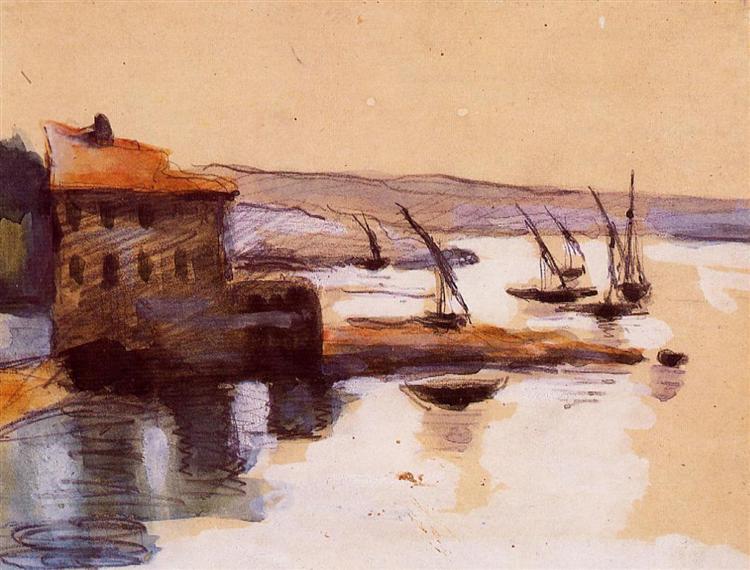
Seascape
Paul Cézanne
- Same genre
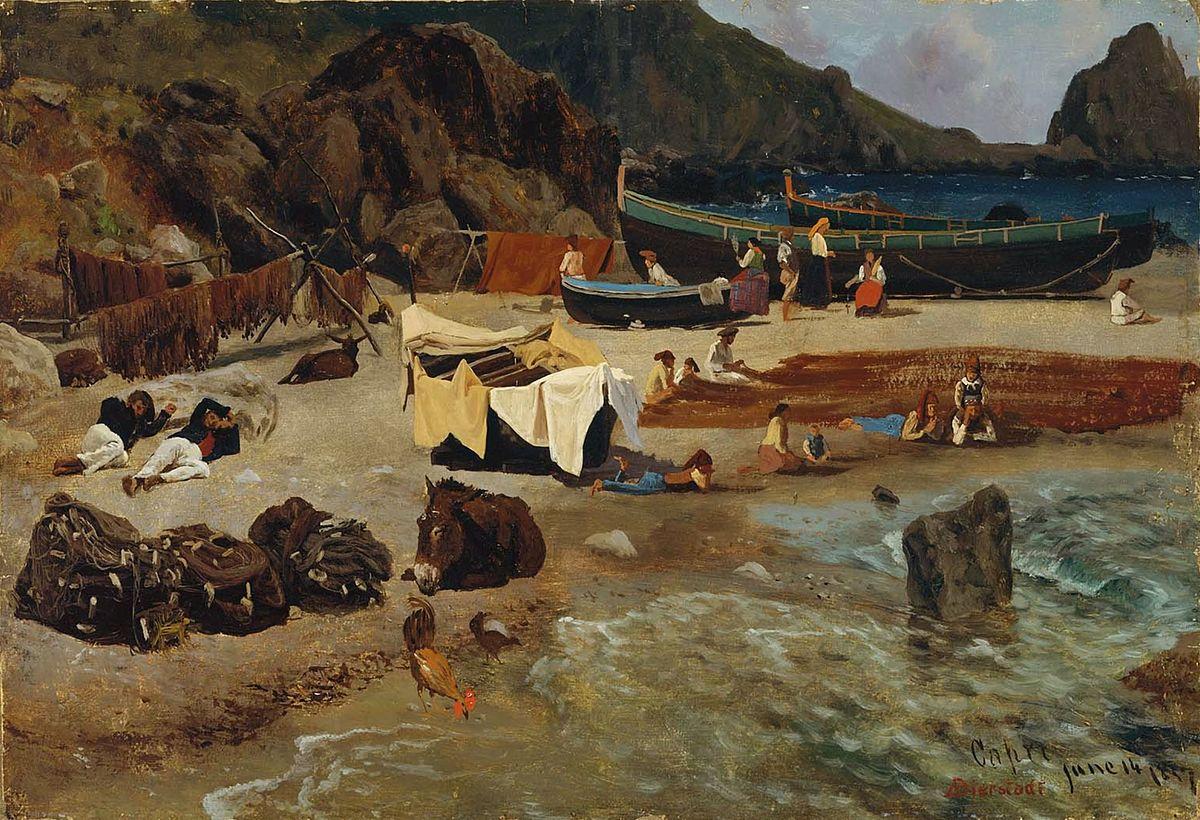
Fishing Boats at Capri
Albert Bierstadt
- Same genre
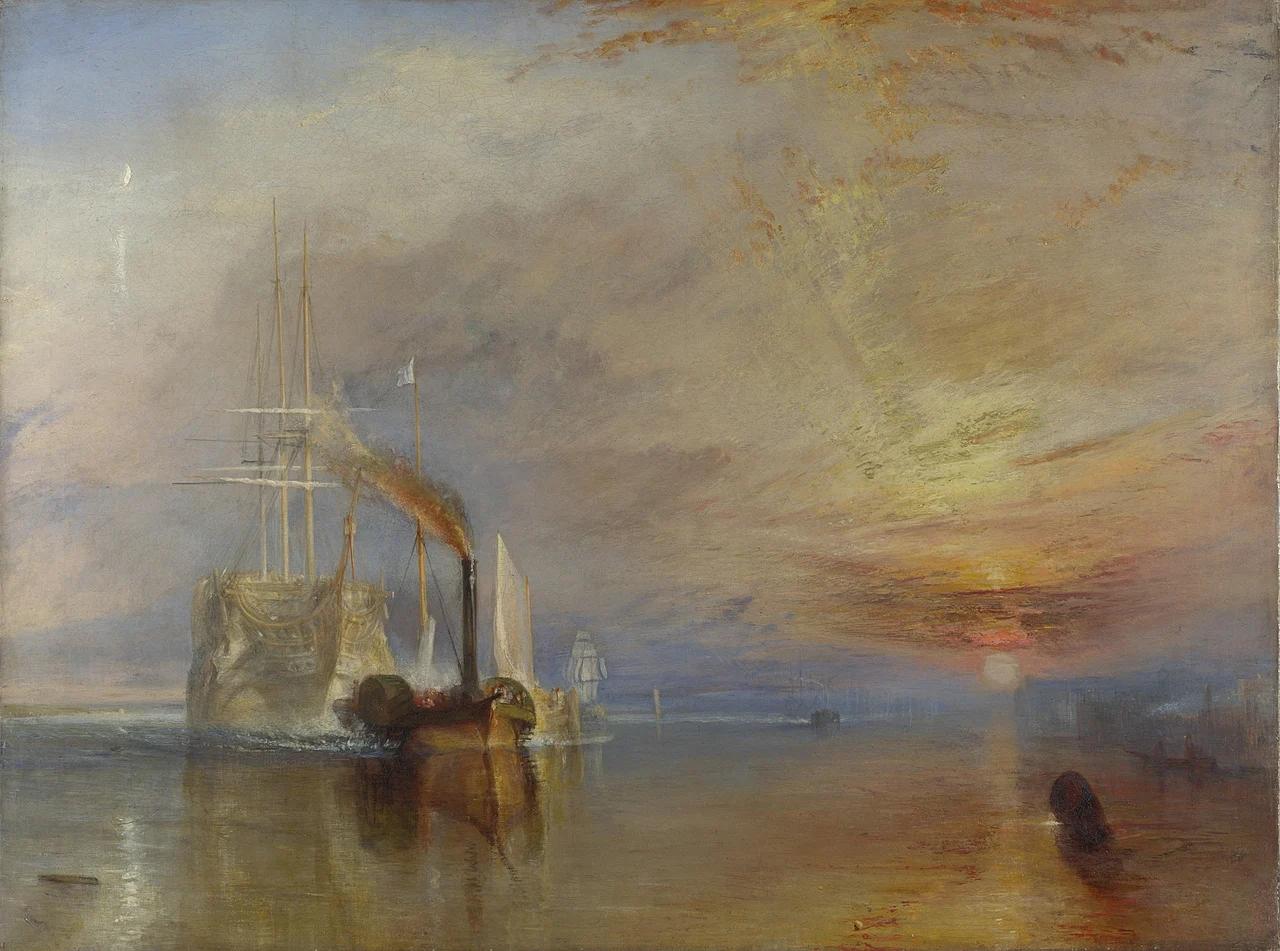
The Fighting Temeraire
J.M.W. Turner, 1839

- Same genre
Children on the Beach
Joaquín Sorolla, 1910
- Same genre
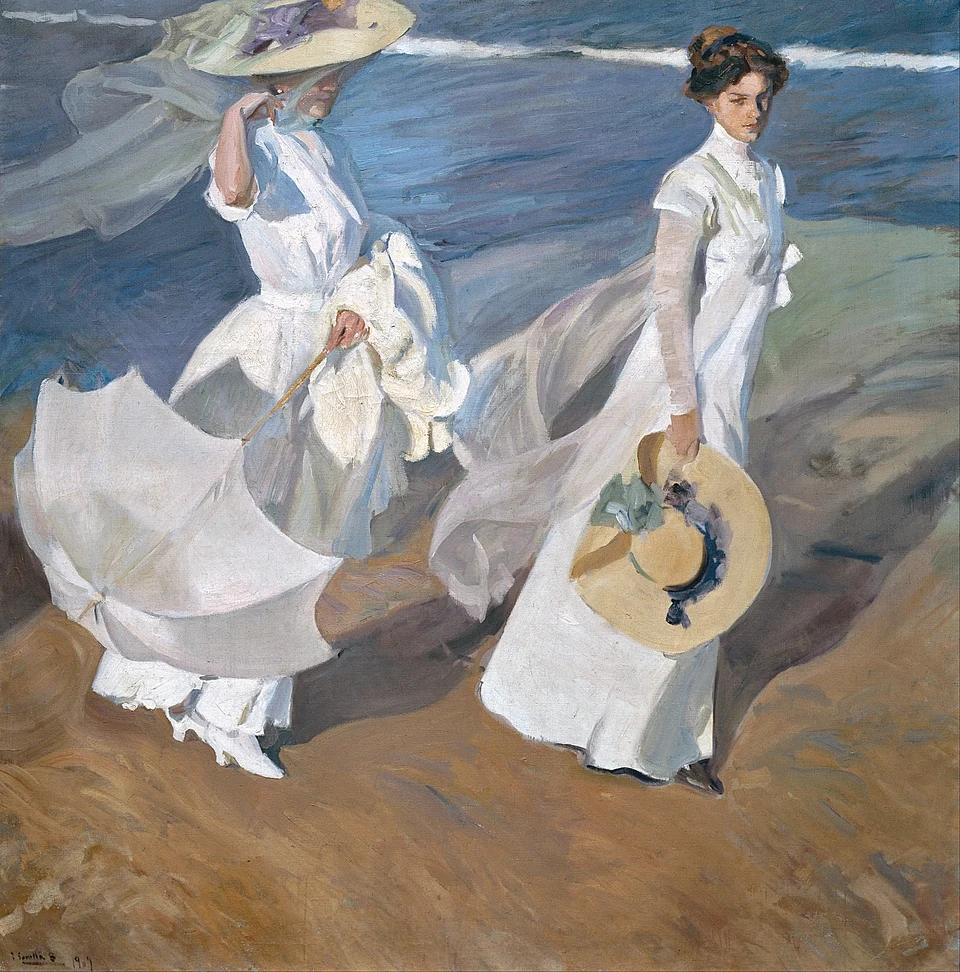
Walk on the Beach
Joaquín Sorolla, 1909
- Same genre
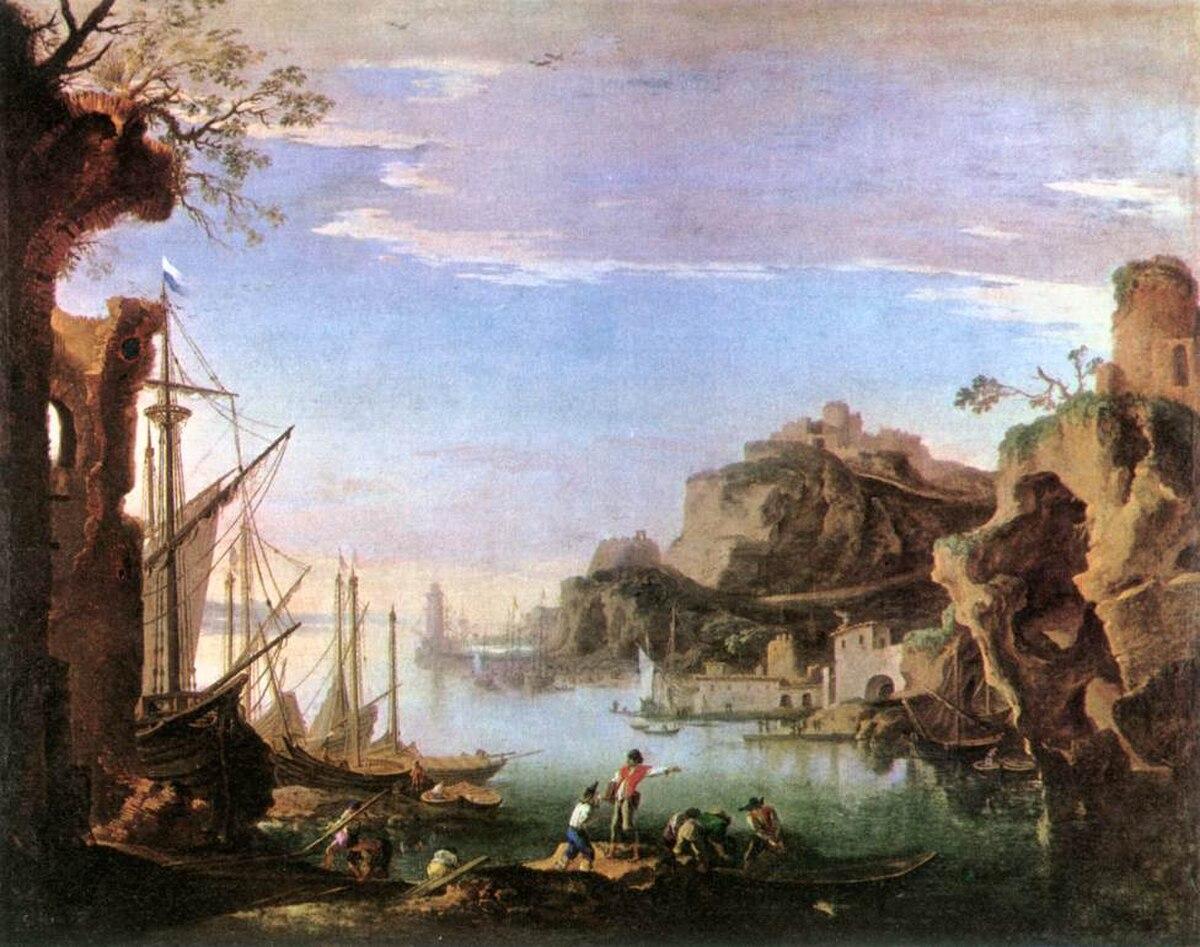
Harbour with Ruins
Salvator Rosa
About The Great Wave off Kanagawa
Multiple impressions exist in museums worldwide. High-quality prints are held at the Metropolitan Museum of Art in New York, the British Museum in London, and several Japanese institutions. Because it's a woodblock print, Hokusai produced many copies, though surviving impressions vary in condition.
No. It's a woodblock print (woodcut), created using the ukiyo-e technique. Hokusai designed it around 1831 as part of his series 'Thirty-six Views of Mount Fuji.' The print involved carving separate wood blocks for each color and pressing them onto paper.
A massive rogue wave towers over three fishing boats near Kanagawa (modern-day Yokohama). Mount Fuji appears small and calm in the background, dwarfed by the wave. The contrast between the violent sea and the serene mountain is the central tension of the composition.
Each impression measures approximately 25.7 cm × 37.9 cm (10.1 × 14.9 inches). It's quite small. The Prussian blue pigment (imported from Europe) gives the wave its distinctive deep color. This was one of the first Japanese prints to use this synthetic pigment extensively.
When Japan opened to trade in the 1850s, Hokusai's prints flooded into Europe and sparked 'Japonisme,' a craze for Japanese aesthetics. Artists like Monet, Van Gogh, and Whistler collected Japanese prints. The wave's flat composition and bold outlines directly influenced Post-Impressionism and Art Nouveau.
Own Art Like This
Luxury wall art with the same mood and energy. Gallery-quality canvas, no museum crowds.
Browse Collection