1600 – 1900
Ukiyo-e
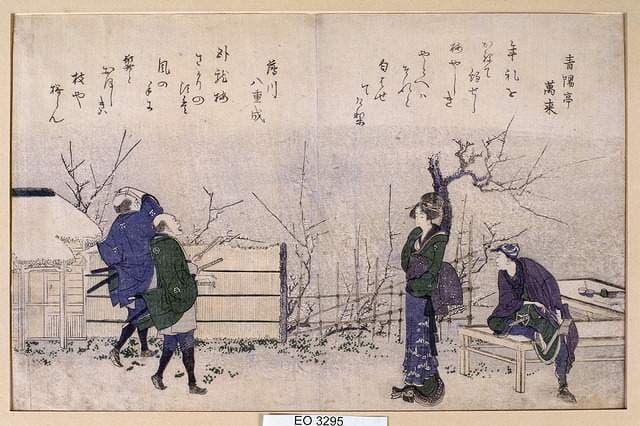
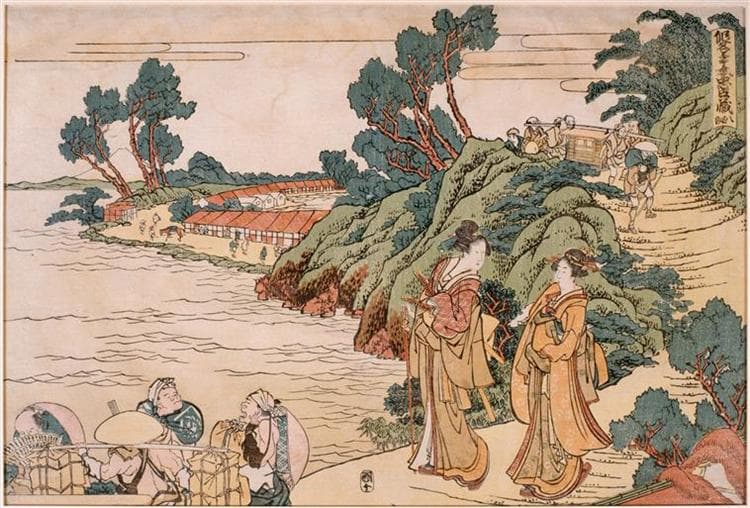
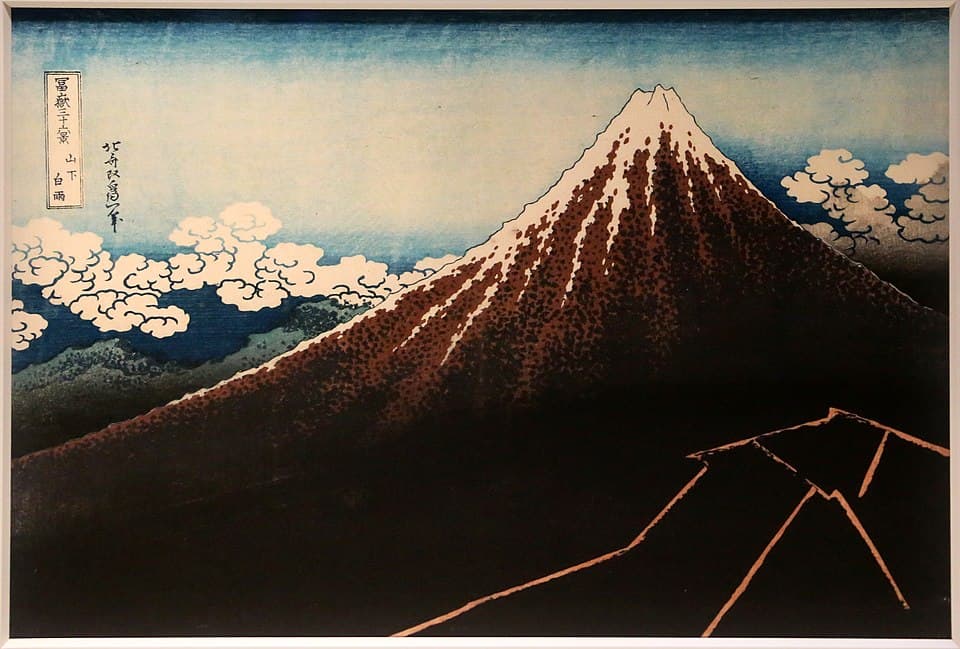
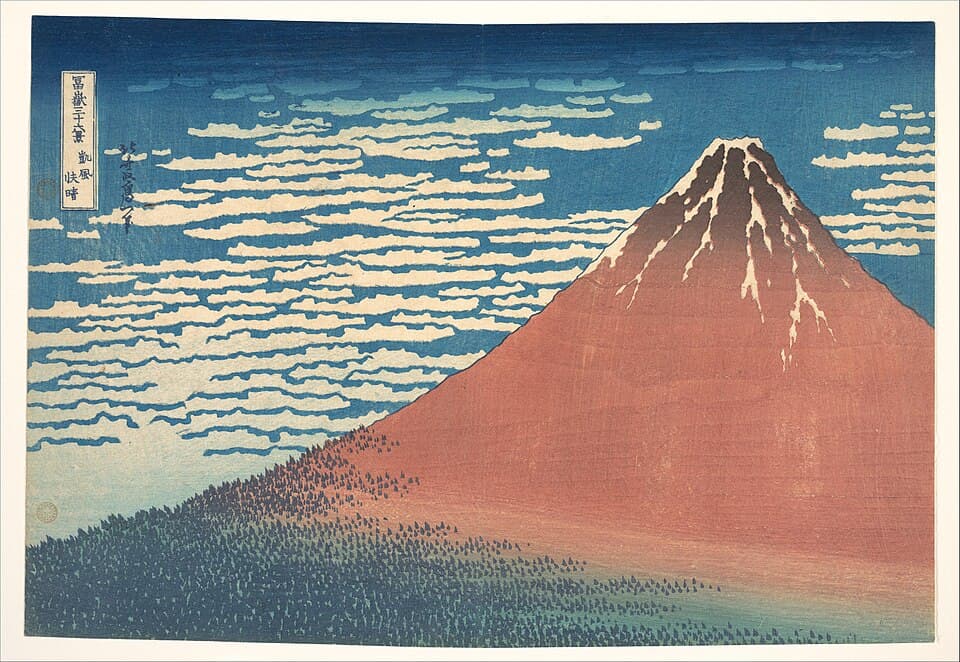
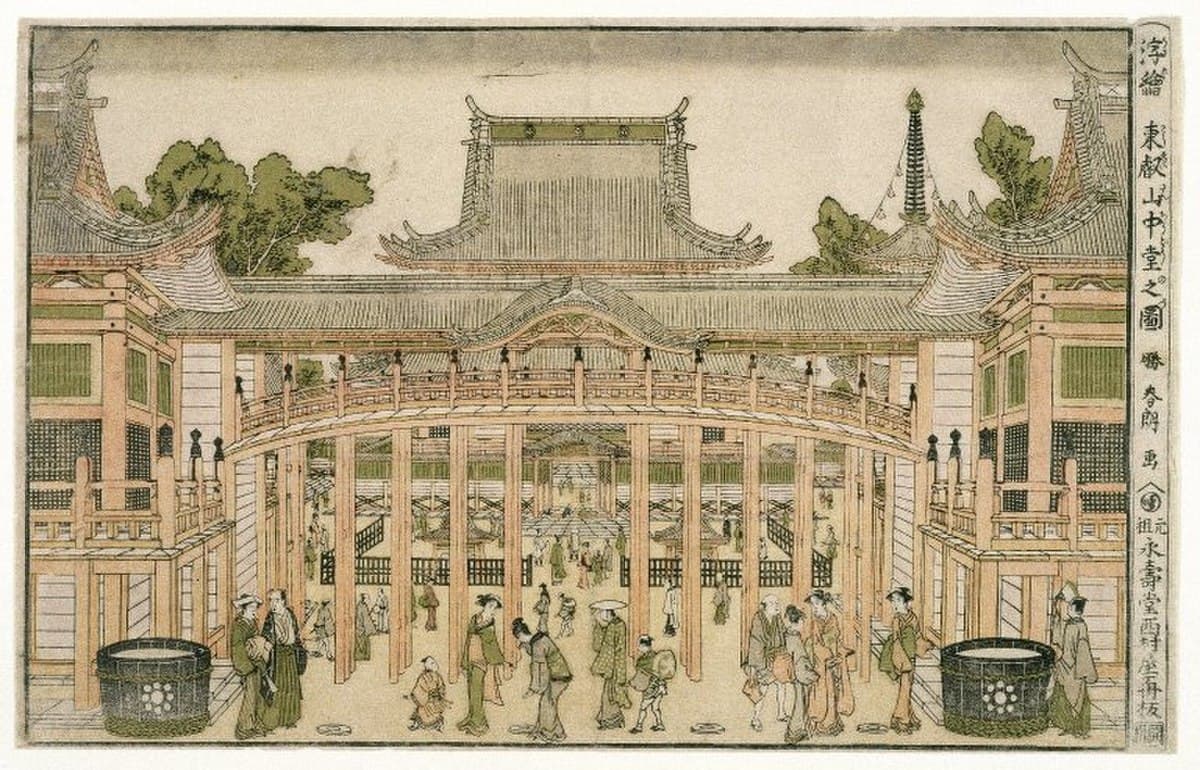
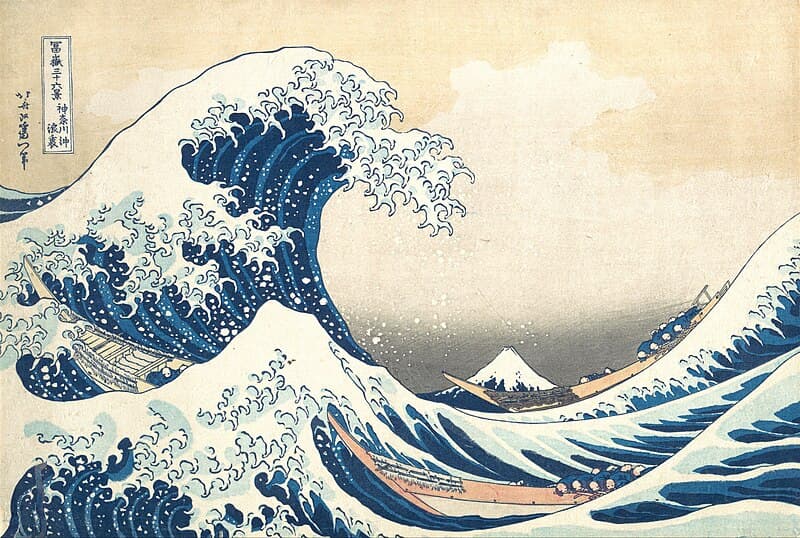
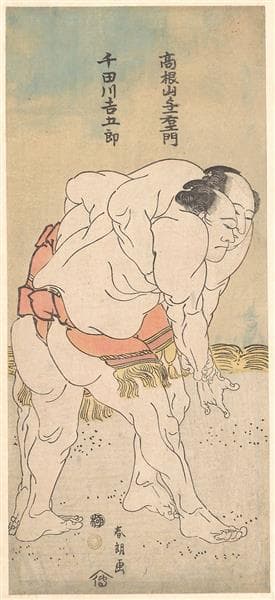
<p>Ukiyo-e, meaning "pictures of the floating world," developed in Japan starting around 1600 and remained popular through the Edo period into the late 19th century. The genre began with paintings of the era's pleasure districts, capturing kabuki actors, courtesans, and city life, before woodblock printing turned it into a mass medium that could reach ordinary buyers rather than only wealthy patrons. Prints were produced through a division of labor between the artist, a block carver, and a printer, allowing thousands of copies of a single design.</p> <p><a href="/apps/masterpieces/artist/katsushika-hokusai"><strong>Katsushika Hokusai</strong></a> pushed the genre toward landscape late in his career, moving away from the actors and courtesans that had dominated earlier ukiyo-e. His <a href="/apps/masterpieces/art/great-wave-off-kanagawa"><strong>The Great Wave off Kanagawa</strong></a> became one of the most recognized images in art history, part of his series depicting Mount Fuji from different vantage points across the Japanese landscape, which also included <a href="/apps/masterpieces/art/red-fuji-hokusai"><strong>Fine Wind, Clear Morning</strong></a>. These prints reached Europe in the second half of the 19th century and had a direct, well-documented influence on painters including Van Gogh, Monet, and Toulouse-Lautrec, who collected them and borrowed their flattened perspective and bold outline.</p>
At a Glance
- Period
- 1600 – 1900
- Artists
- 1
- Artworks
- 9
Defining Features
Woodblock printingFlat color areasBold outlinesNature and landscapesEveryday life scenes
Ukiyo-e Artists
1 artists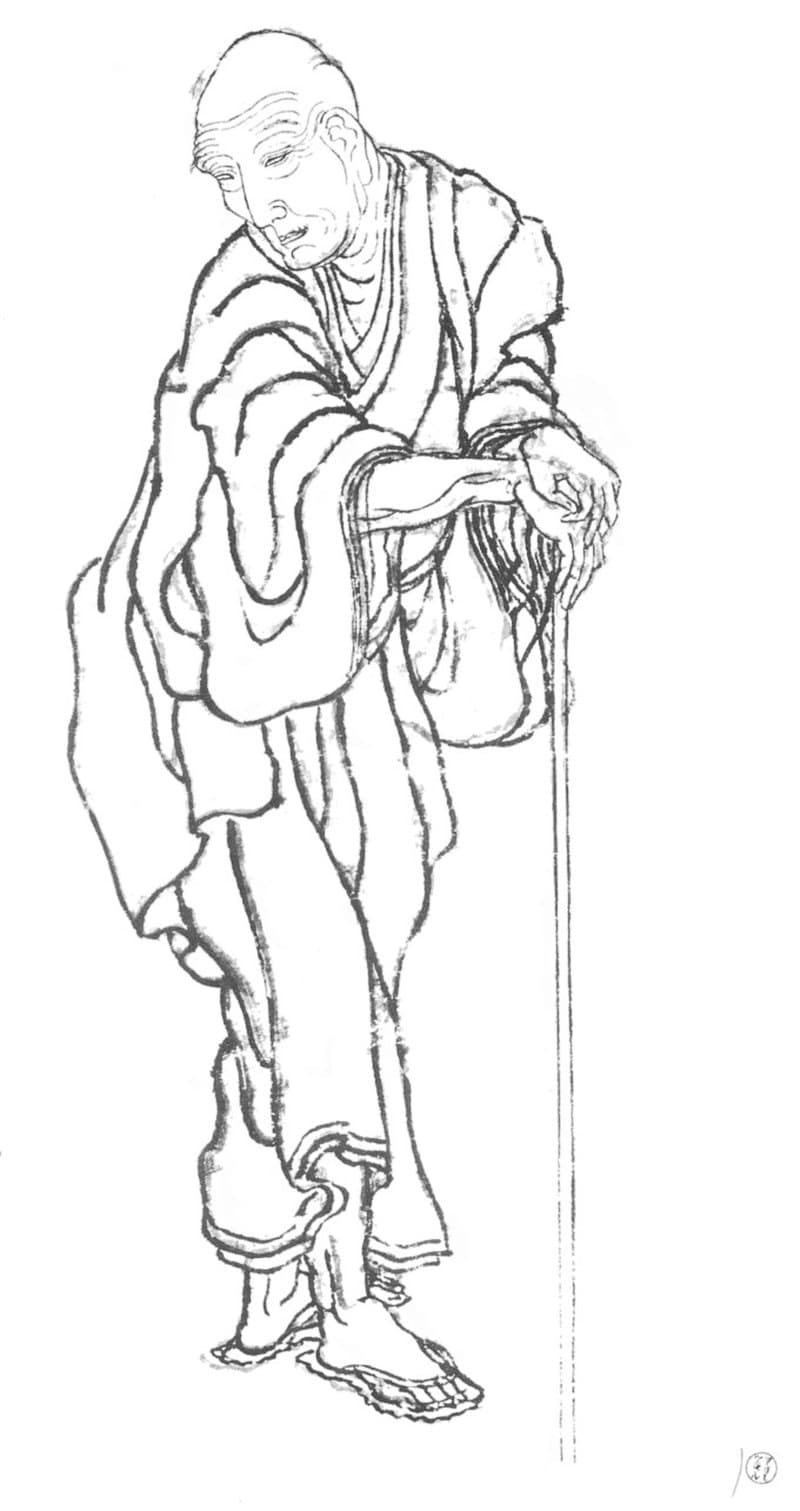
Ukiyo-e Masterpieces
9 works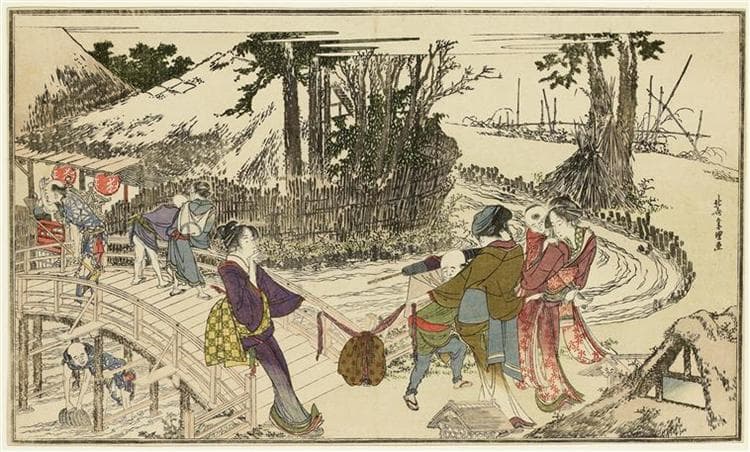
About Ukiyo-e
1600 to 1900.
Woodblock printing, Flat color areas, Bold outlines, Nature and landscapes, Everyday life scenes.
Katsushika Hokusai.
Bring Ukiyo-e Home
Luxury decor featuring museum-quality canvas prints inspired by these iconic masterpieces.
Shop Ukiyo-e Art