Wikimedia Commons • Public Domain
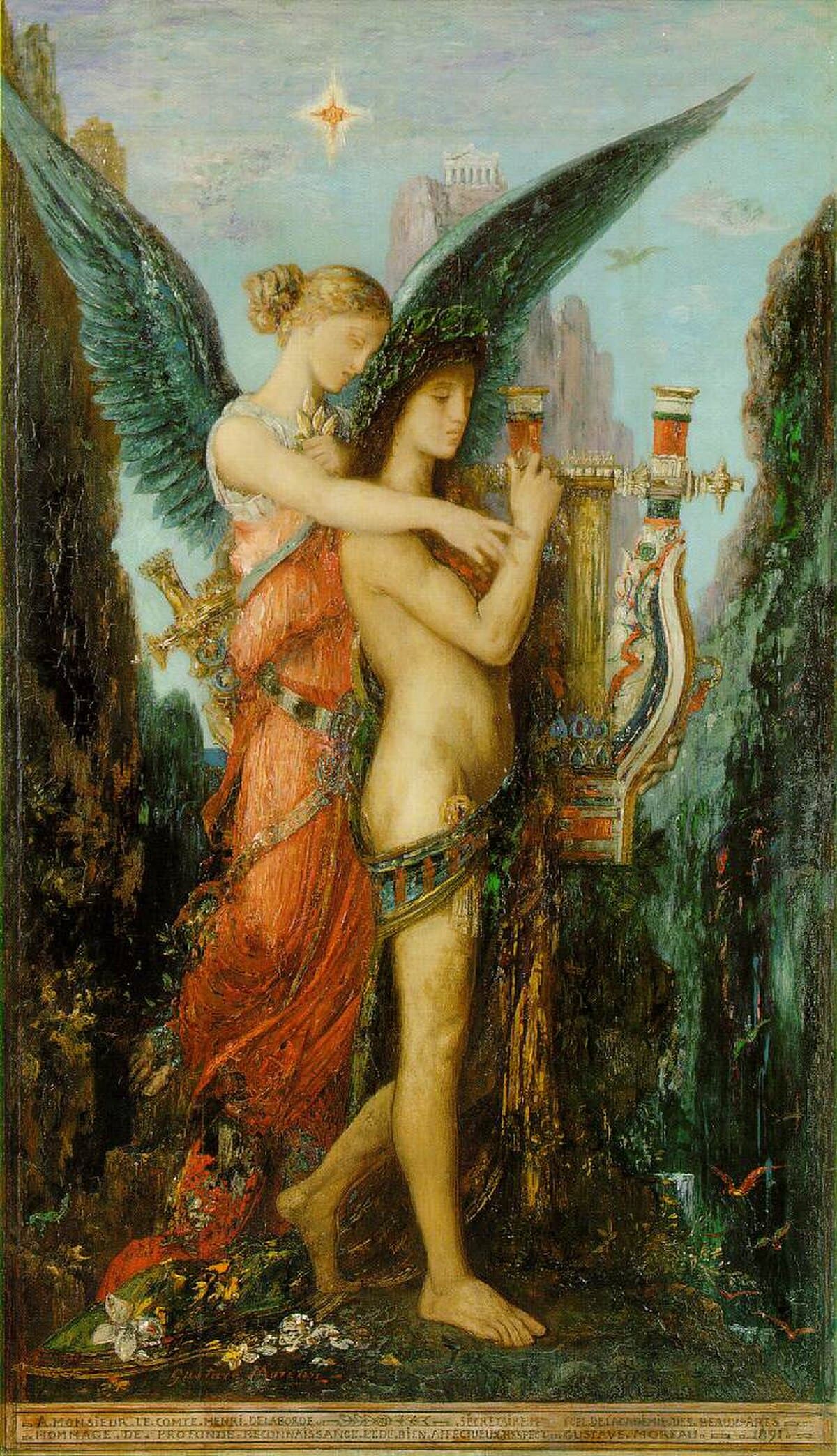
Hesiod and the Muse
Artwork Details
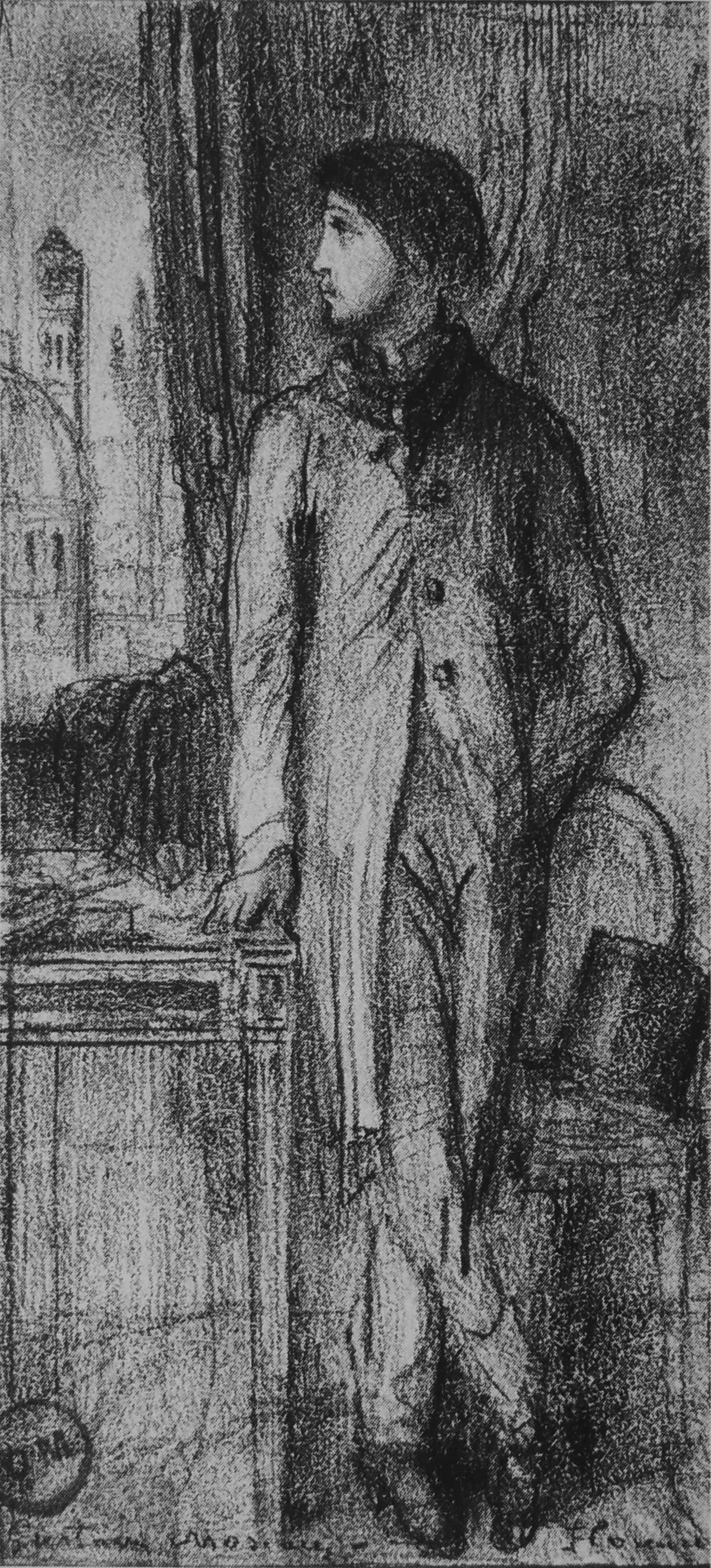
French artist Gustave Moreau created this drawing in 1857 while in Rome, depicting the ancient Greek poet Hesiod receiving inspiration from a Muse. The work in chalk, pen, and ink shows Moreau's early fascination with classical subjects that would define his career as a leading Symbolist artist.
At Hesiod's feet rest a lyre and laurel branch, traditional symbols of poetic art and honor. According to ancient accounts, Hesiod was a shepherd tending his flocks on Mount Helicon when the Muses appeared and taught him to sing. His subsequent poems, including Theogony and Works and Days, became foundational texts of Greek literature.
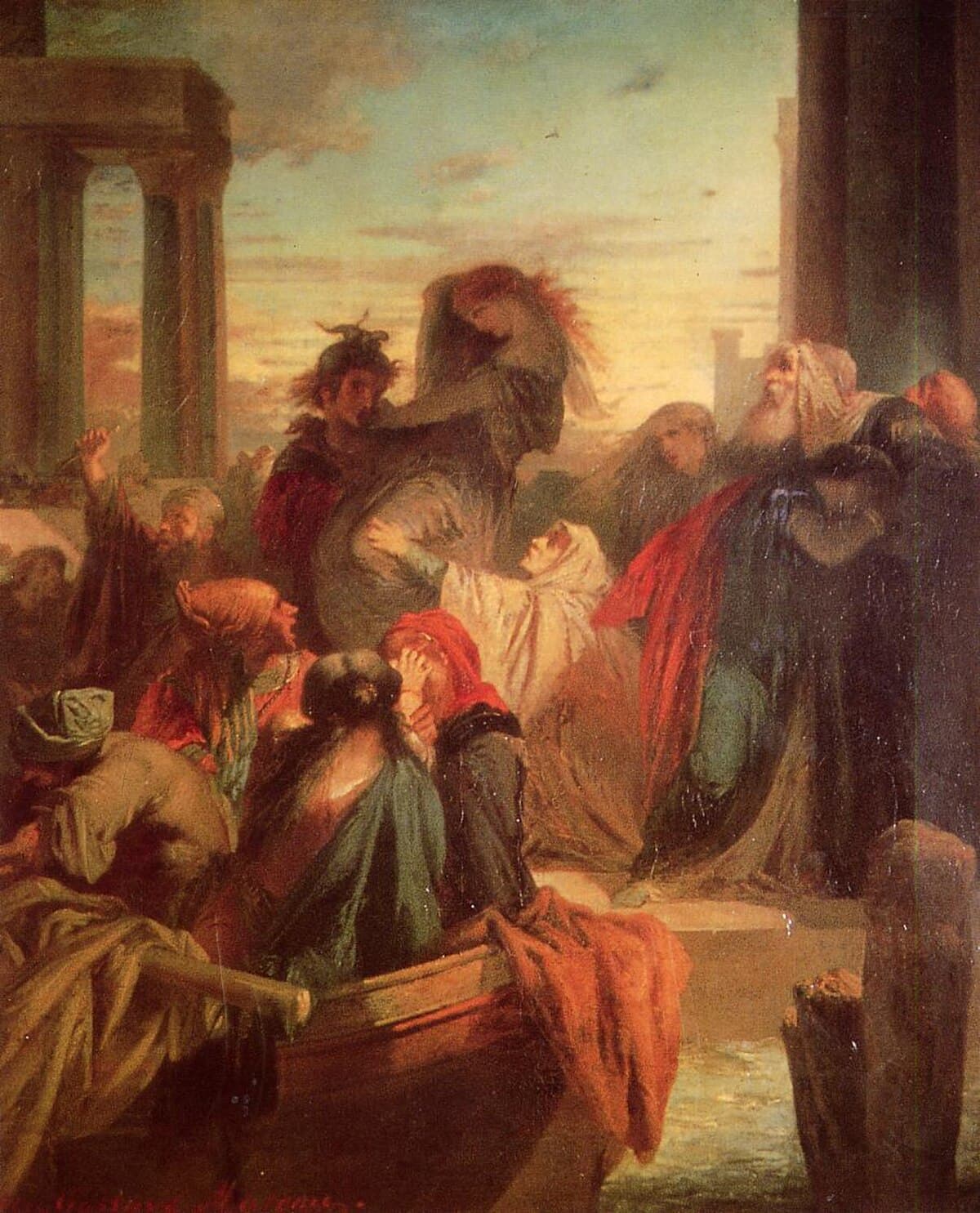
Moreau would return to this subject multiple times throughout his life, creating versions in 1870 and 1891 that now hang in the Musée National Gustave Moreau and Musée d'Orsay. This 1857 drawing belongs to the Fogg Museum at Harvard Art Museums in Cambridge, Massachusetts, having been bequeathed to the collection in 2011.