Wikimedia Commons • Public Domain
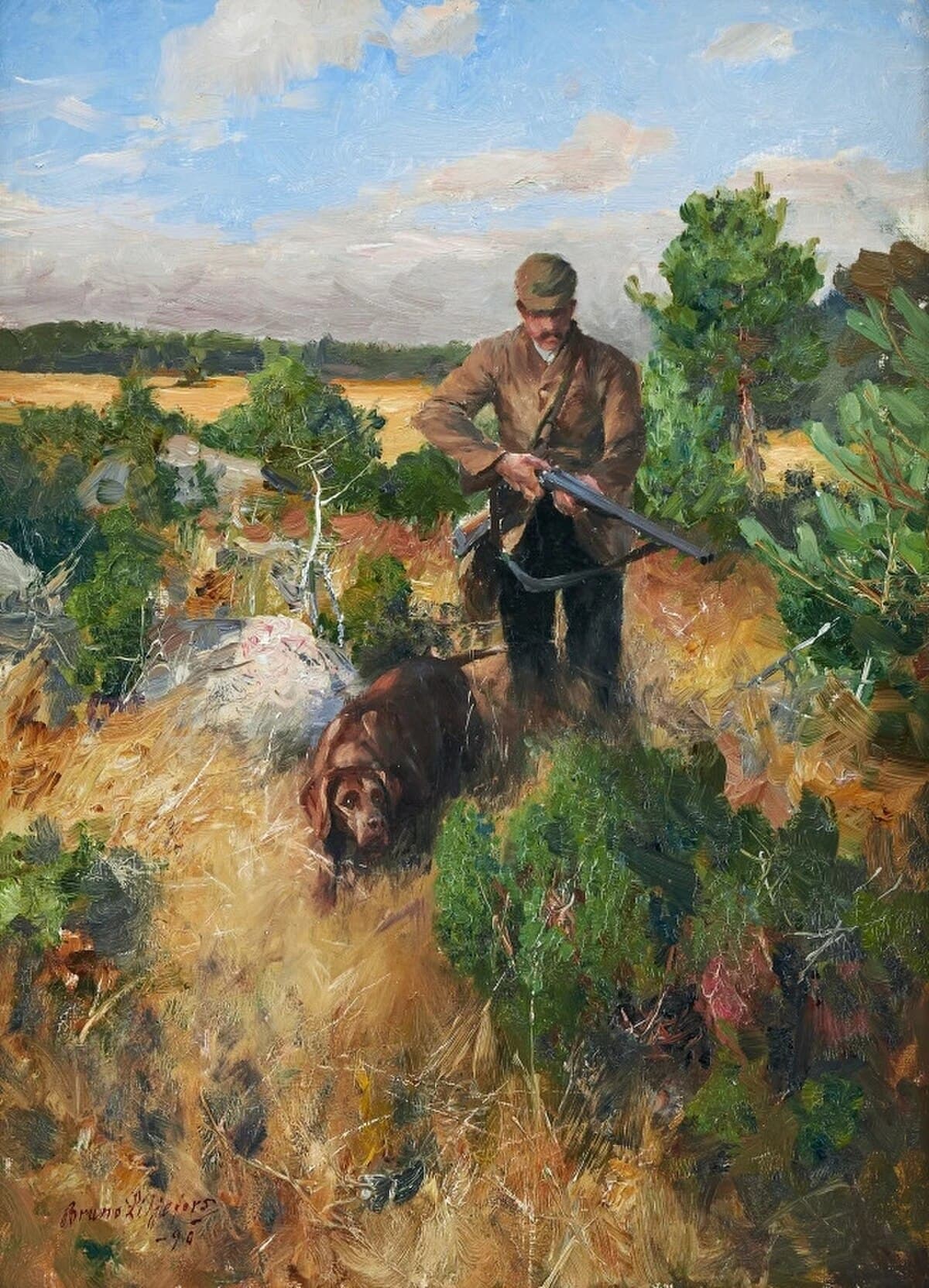
Assembly of Hunters
StylePost-Impressionism
Artwork Details
Cite or Embed This Work
APA · MLA · Chicago1-click academic citation and embeddable “On View” museum badge for articles, syllabi, and research.
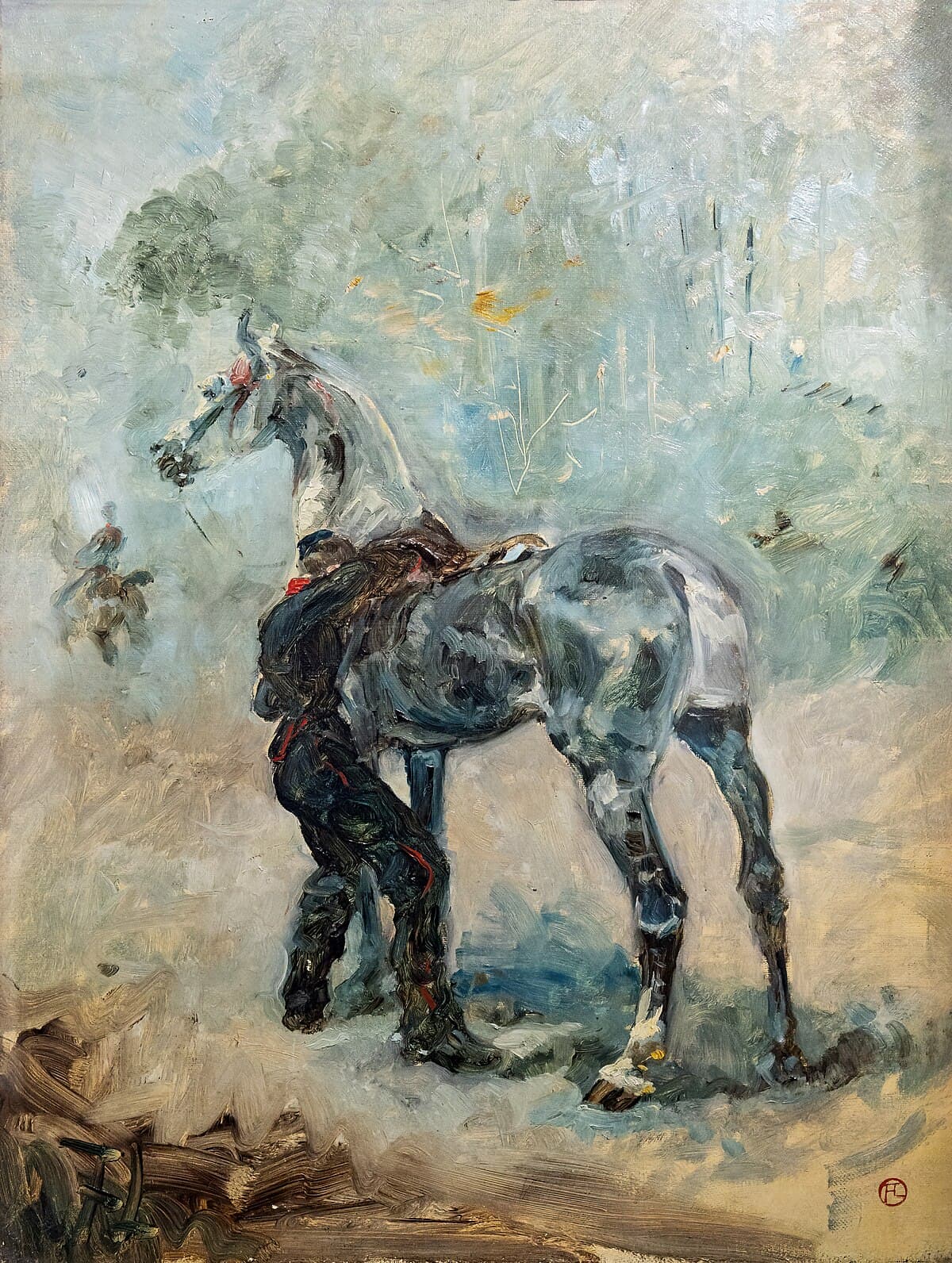
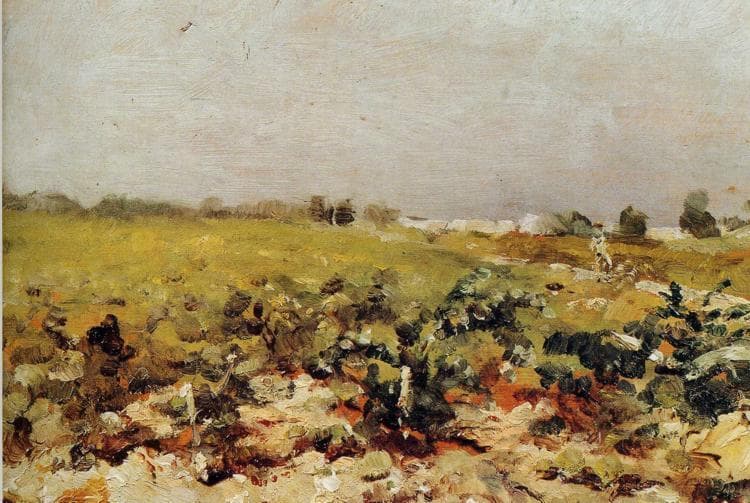
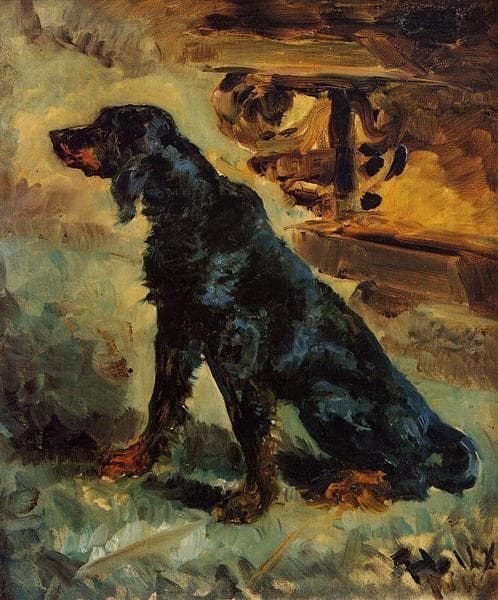
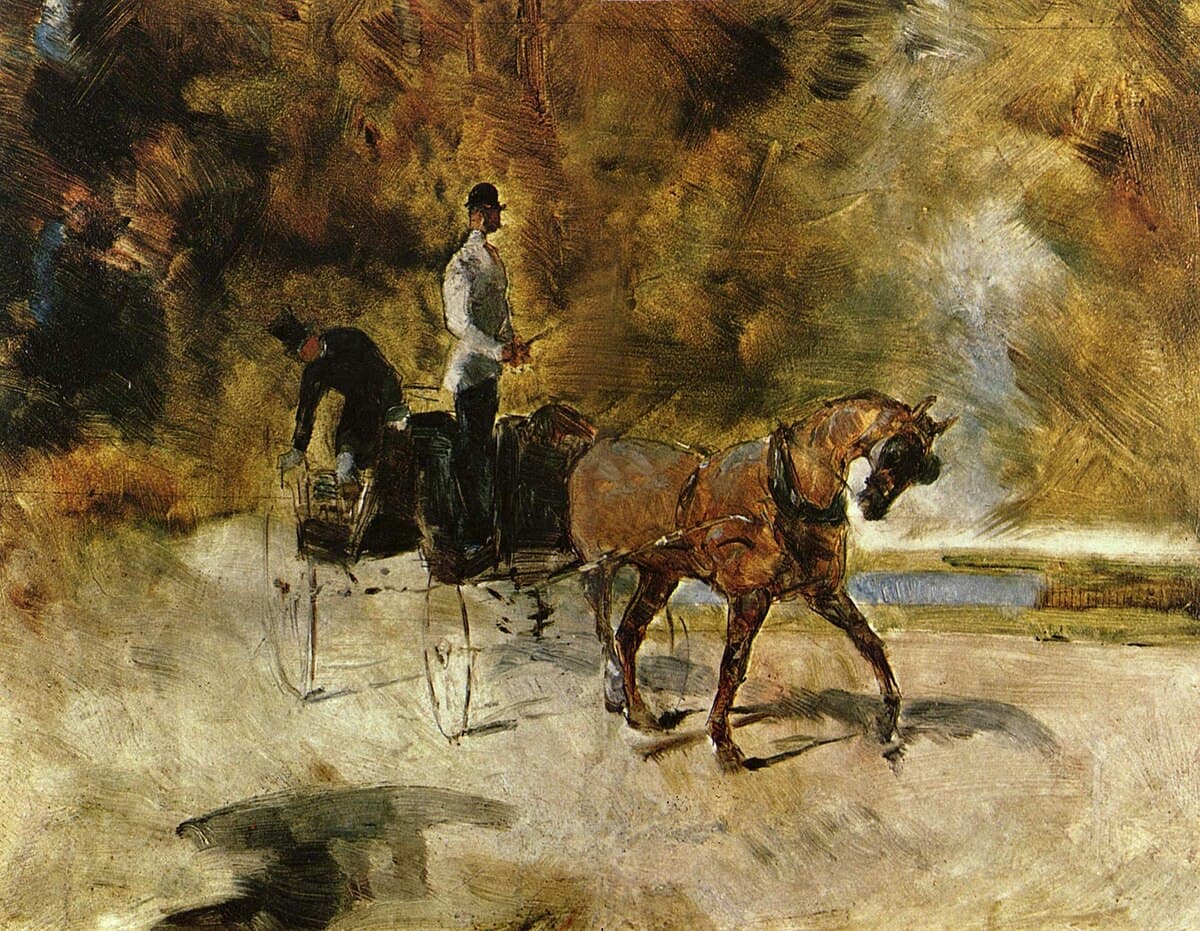
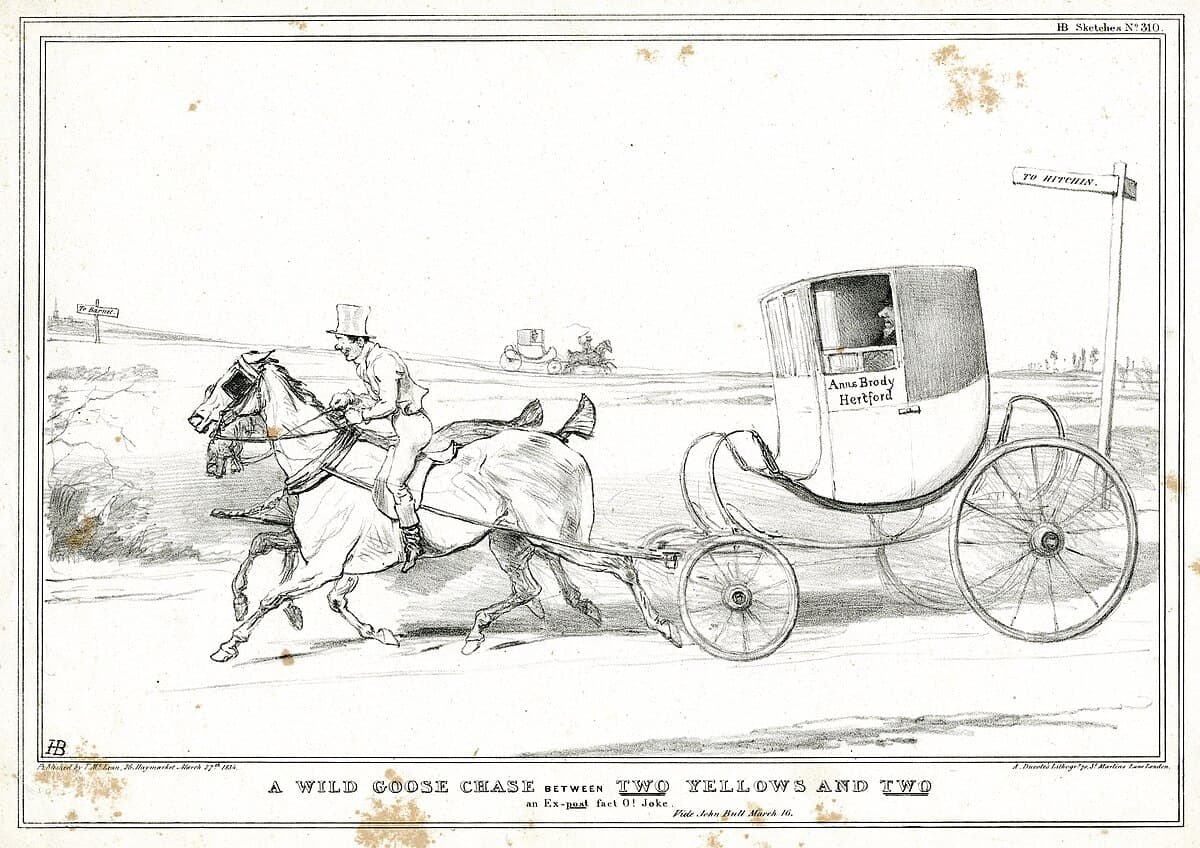
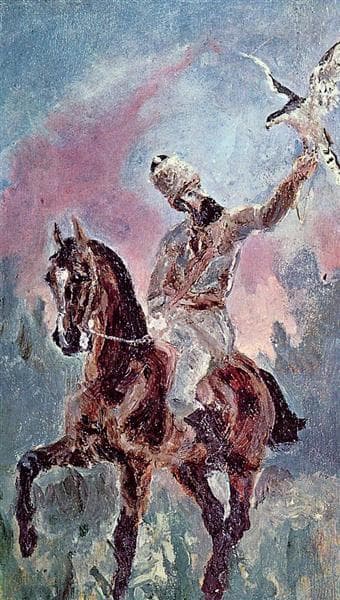
French artist Henri de Toulouse-Lautrec painted this hunting scene during his youth, when equestrian subjects dominated his work. The composition shows hunters gathering with their horses and dogs before a hunt, capturing the aristocratic world Toulouse-Lautrec was born into but would later reject for Montmartre's bohemian nightlife.
Born into a noble family, Toulouse-Lautrec grew up surrounded by hunting culture. His father was an avid sportsman, and scenes like this reflected his childhood environment. The early horse paintings show influence from Rene Princeteau, a deaf equestrian artist who mentored the young Toulouse-Lautrec.
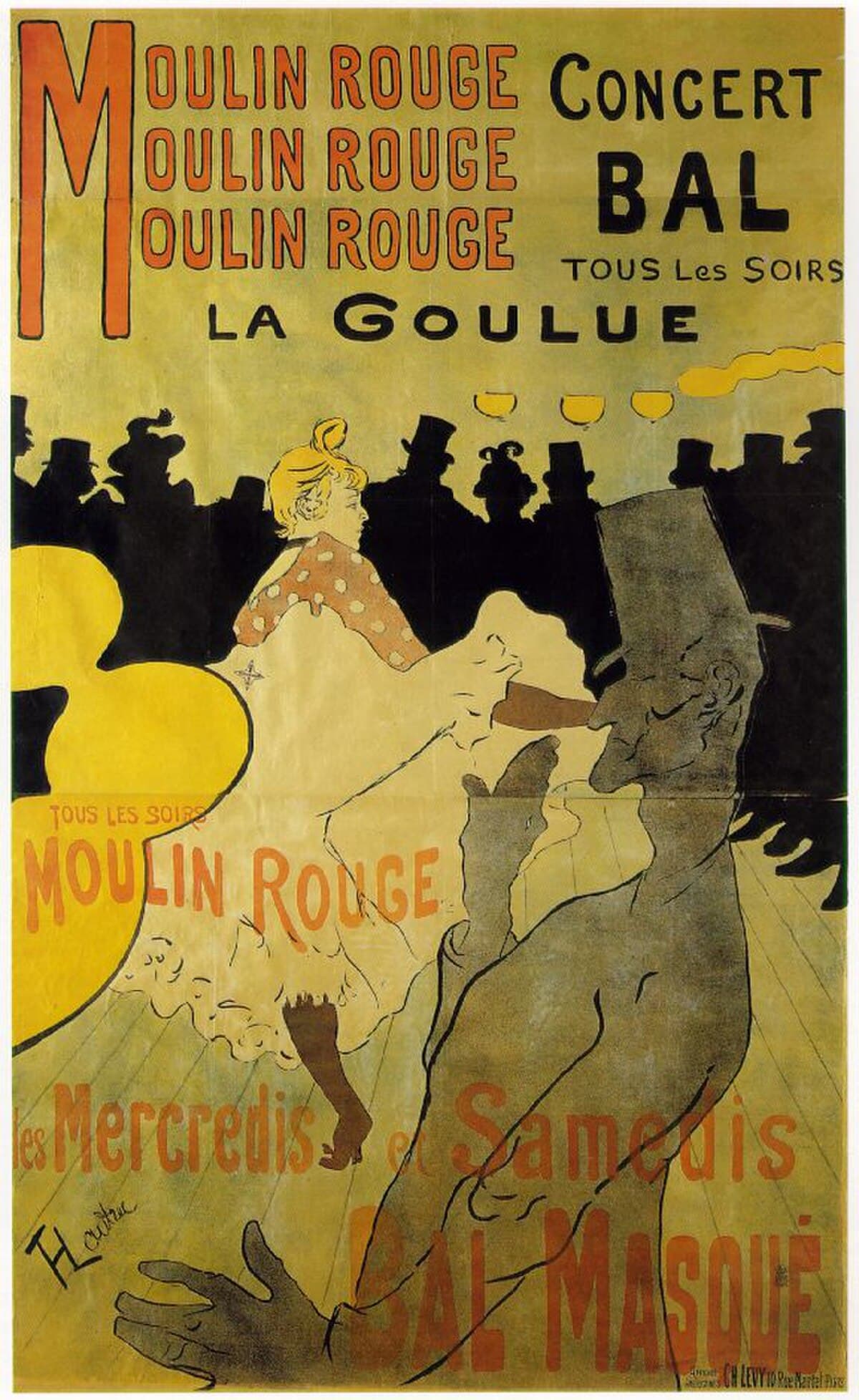
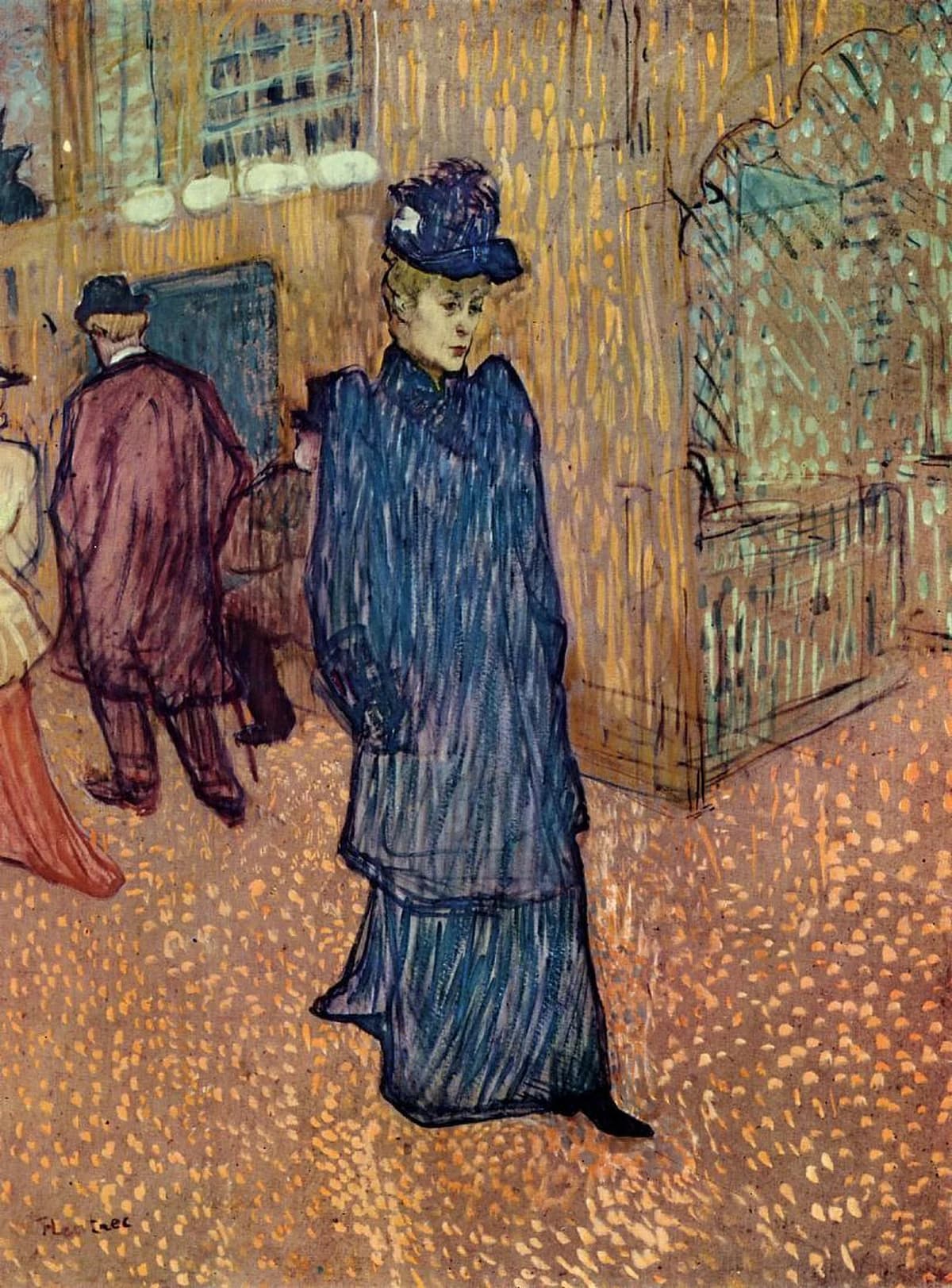
The painting hangs at the Musee Toulouse-Lautrec in Albi, housed in the medieval Palais de la Berbie. The museum displays his development from these conventional aristocratic subjects to the radical posters and portraits of Parisian entertainers that made him famous. His mother donated the core collection after his death in 1901.