Wikimedia Commons • Public Domain
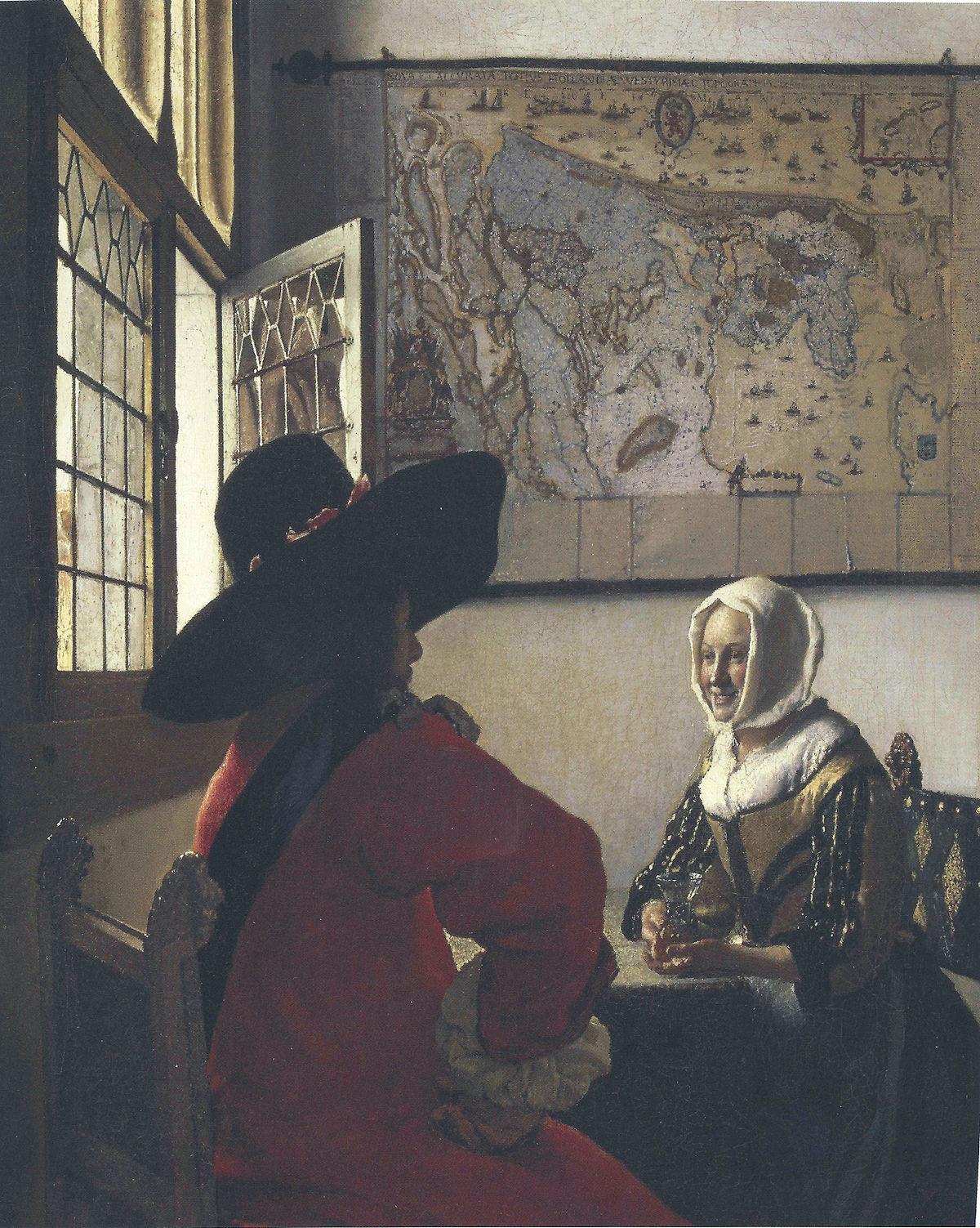
Officer and Laughing Girl
by Johannes Vermeer, 1657
MediumOil
Artwork Details
Details
- Year
- 1657
- Medium
- oil painting
Cite or Embed This Work
APA · MLA · Chicago1-click academic citation and embeddable “On View” museum badge for articles, syllabi, and research.
Johannes Vermeer painted this Officer and Laughing Girl around 1657, an oil on canvas measuring 50.5 x 46 cm. A dashing soldier in shadow fills the foreground, his back to us, while a young woman in yellow dress leans forward into morning light, her face animated by a smile. A large map of Holland and West Friesland hangs on the wall behind them.
The woman resembles Catharina Bolnes, Vermeer's wife, who likely posed for many of his paintings. The soldier's dramatic placement uses repoussoir, a technique where foreground objects increase the sense of depth. Ultramarine blue in the wall's shadows produces sparkling light that has "no precedent in European painting."
Some scholars suggest Vermeer used a camera obscura, an optical device that may explain certain artifacts in his perspective. The map, a Willem Blaeu chart, appears in three of his works, suggesting he owned it. The painting once bore a forged Pieter de Hooch signature. Henry Clay Frick purchased it in 1911. It hangs at the Frick Collection in New York.
More by Johannes Vermeer
View all →S
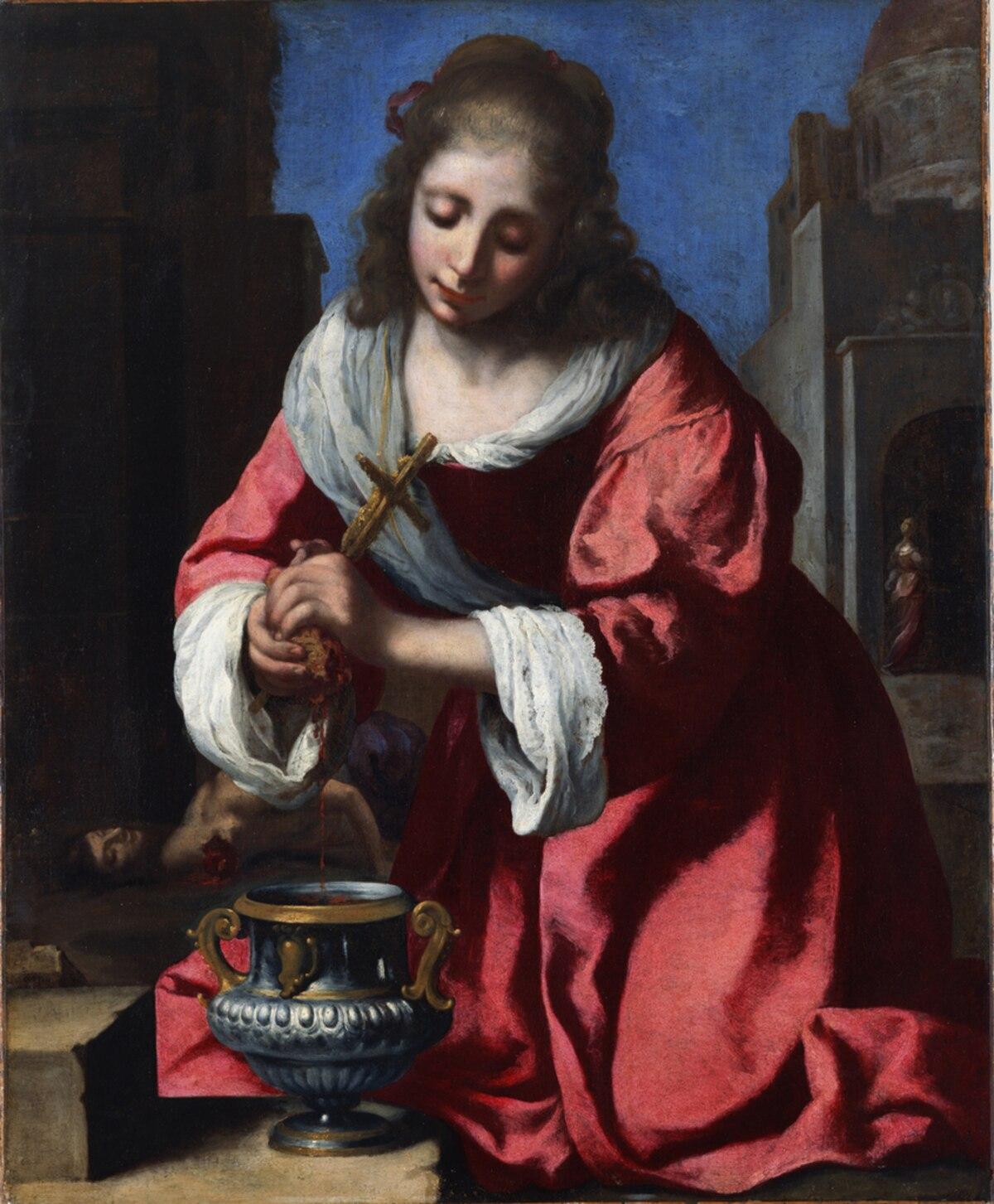
Saint Praxedis
Johannes Vermeer, 1655
National Museum of Western Art, Tokyo
Y
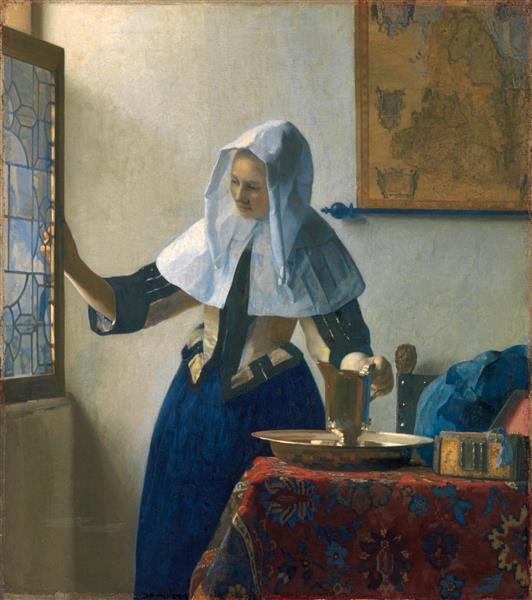
Young Woman with a Water Pitcher
Johannes Vermeer, 1664
The Metropolitan Museum of Art, New York
A
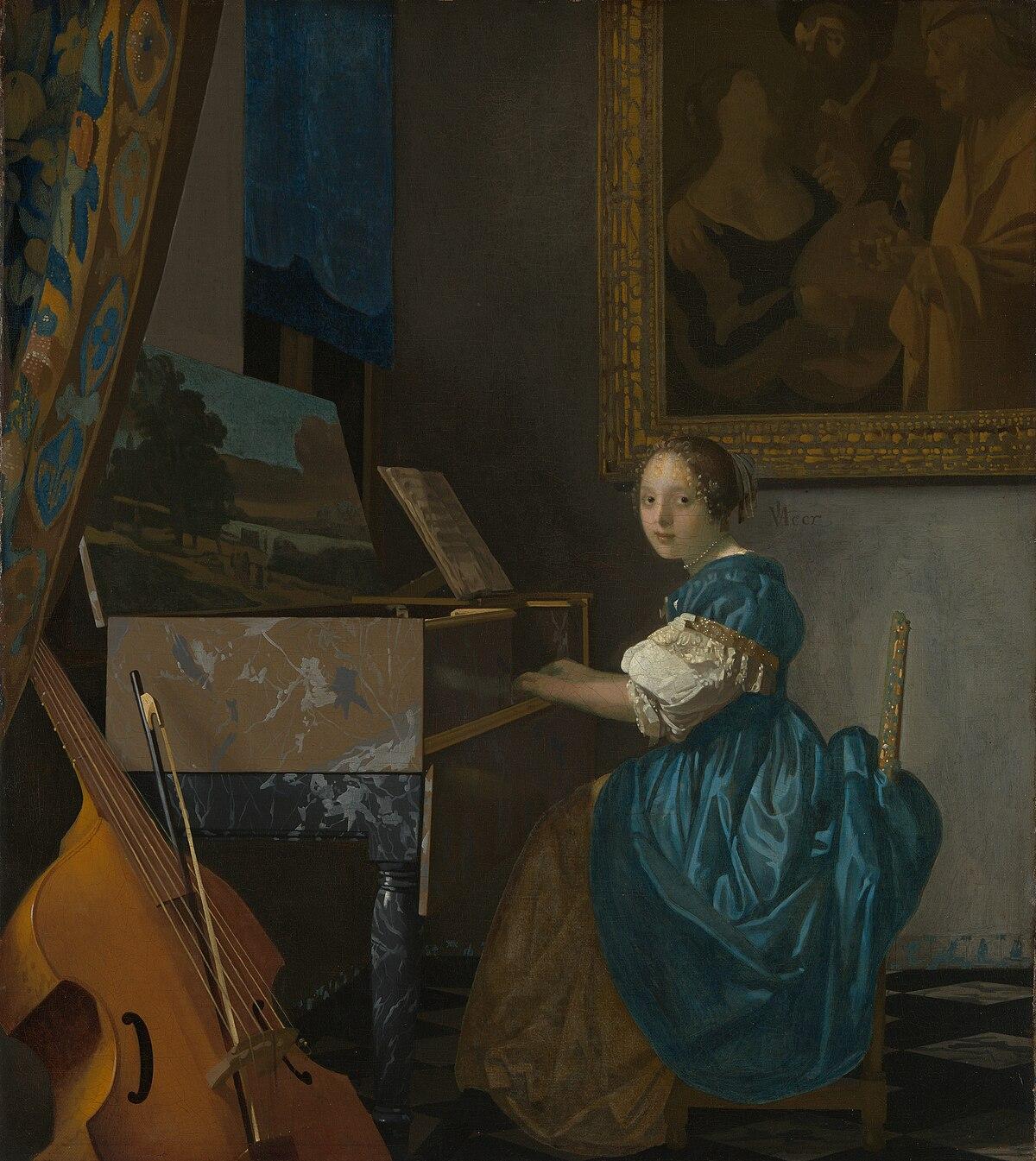
A Young Woman Seated at a Virginal
Johannes Vermeer
National Gallery, London
A
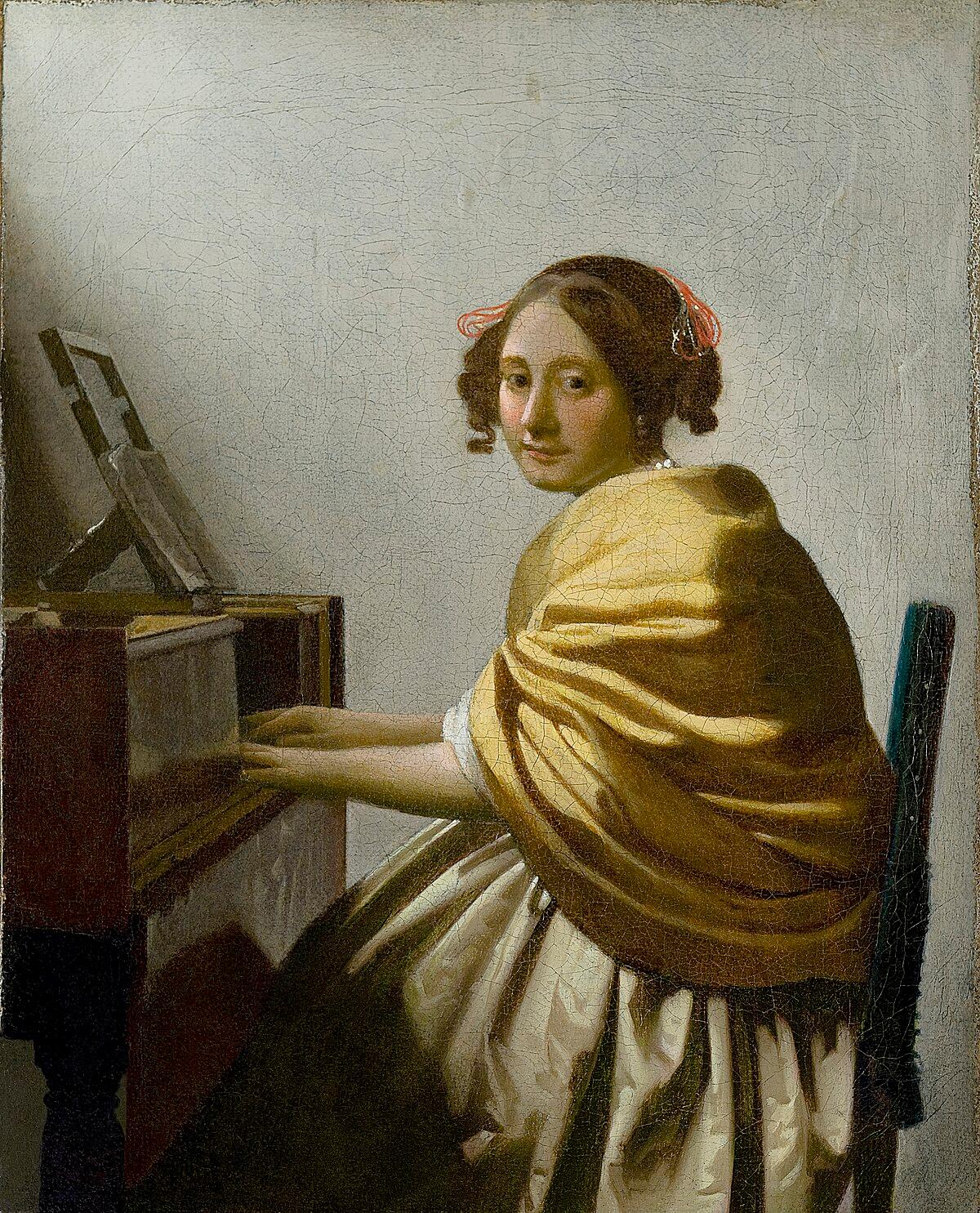
A Young Woman Seated at the Virginals
Johannes Vermeer
Leiden Collection, Leiden
Also at Frick Collection
View all →
Related Works
Works that share an artist, movement, museum, genre, palette or theme with Officer and Laughing Girl.
- Same artist
- Same movement
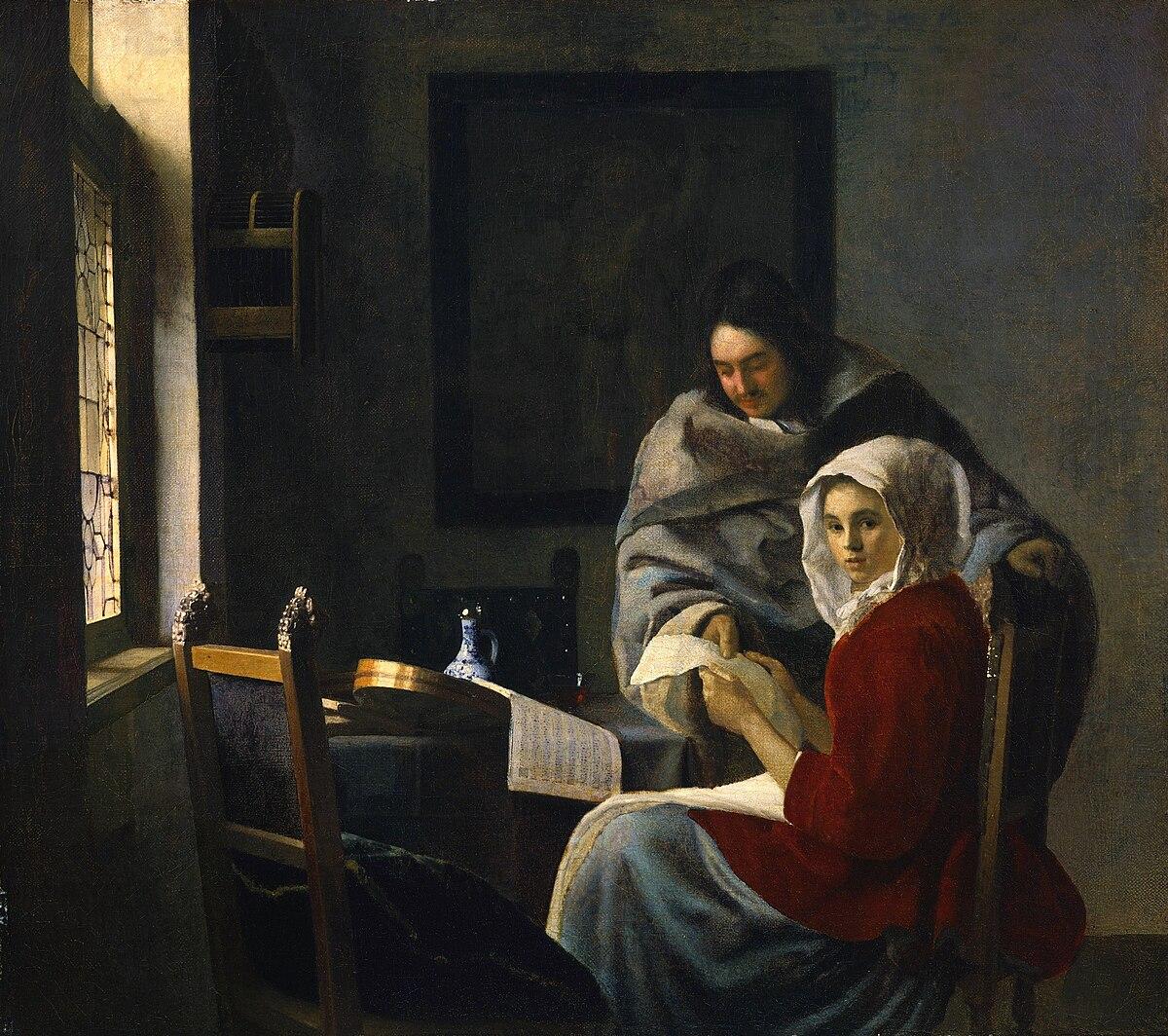
Girl Interrupted at Her Music
Johannes Vermeer, 1658

- Same artist
- Same movement
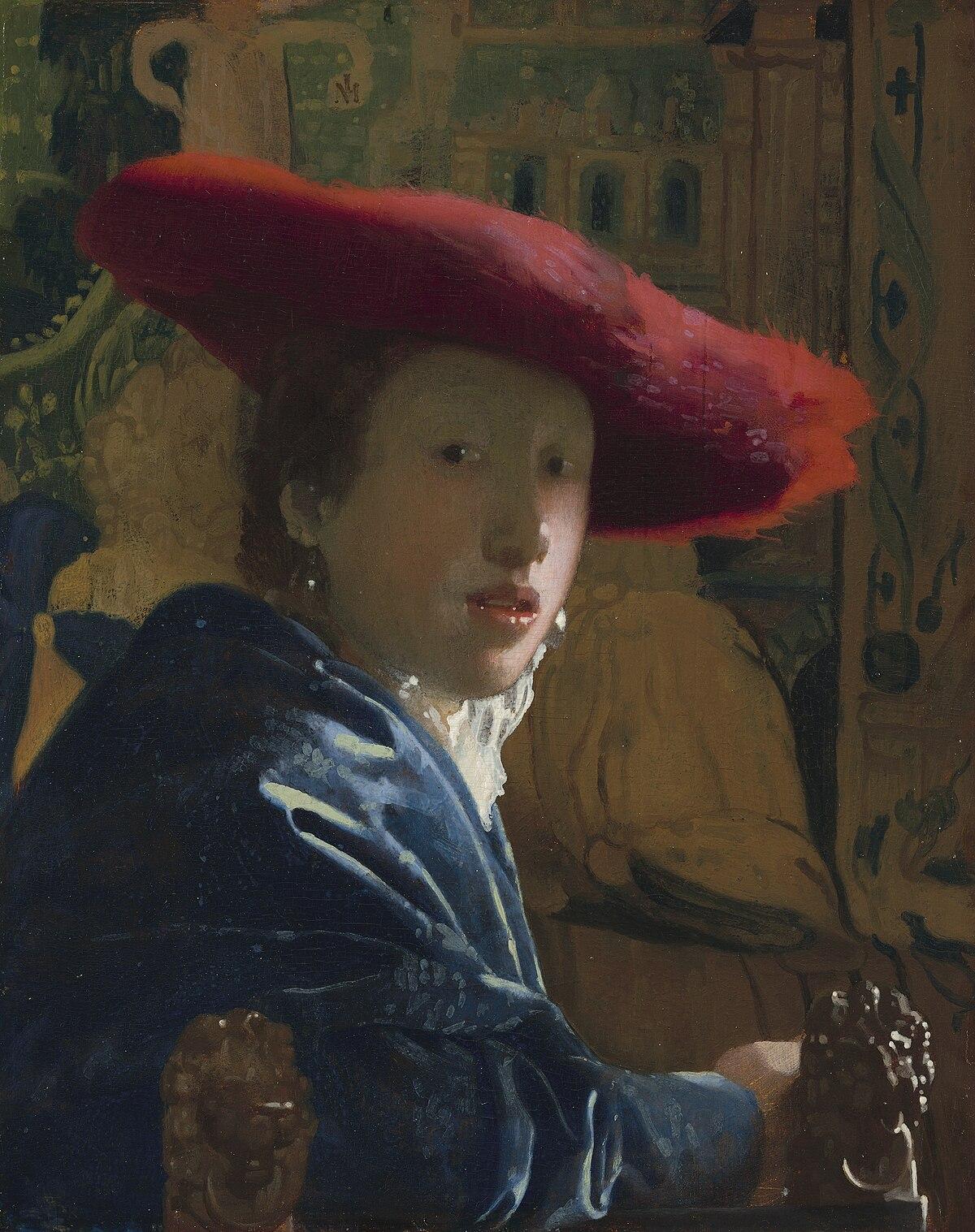
Girl with the Red Hat
Johannes Vermeer, 1666
- Same artist
- Same movement
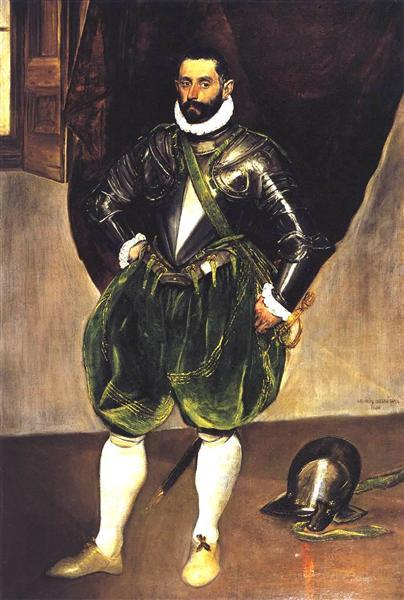
Girl with the Red Hat
Johannes Vermeer, 1665
- Same movement
- Same museum
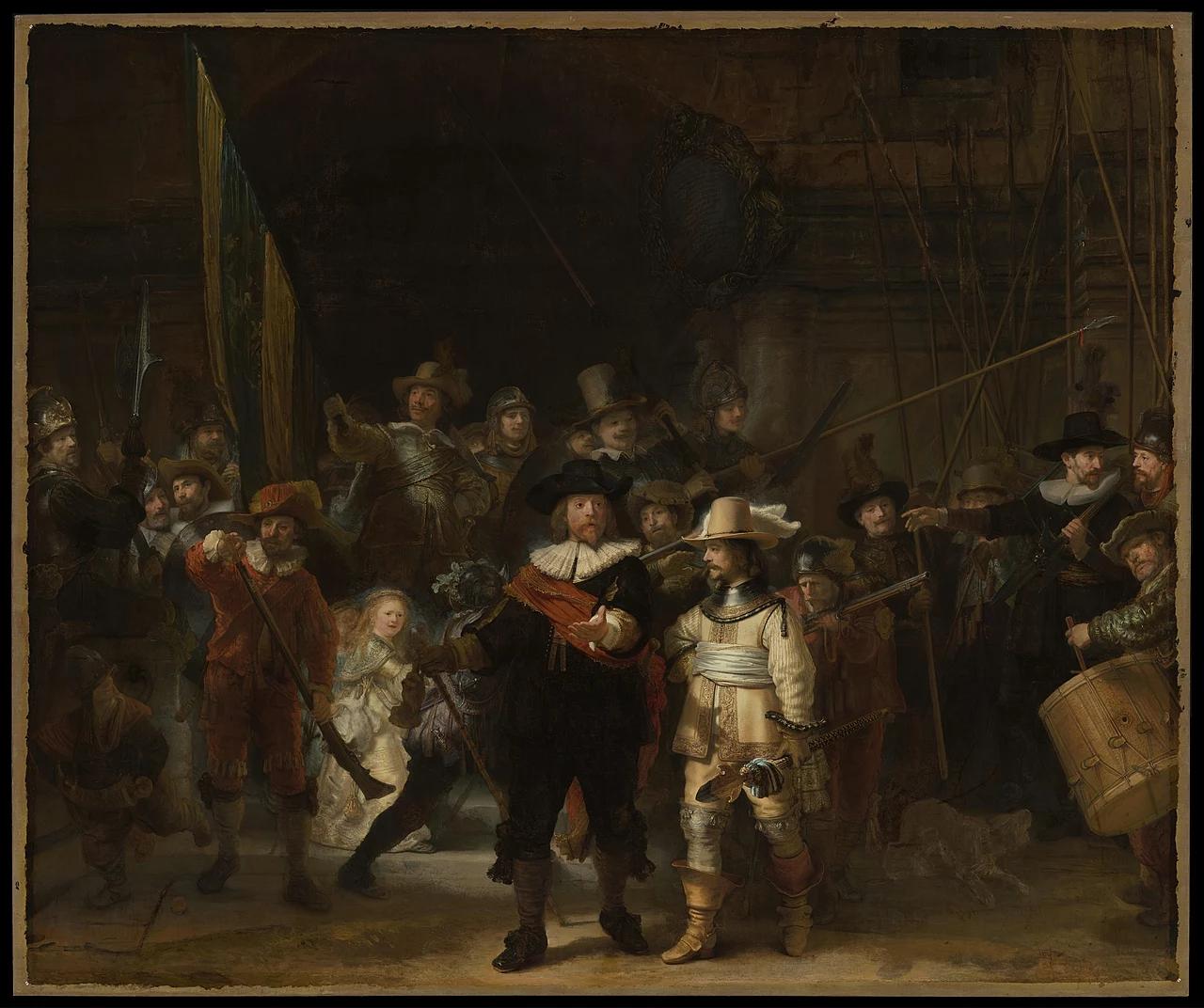
Vincenzo Anastagi
El Greco
- Same movement
The Night Watch
Rembrandt van Rijn, 1642
- Same movement
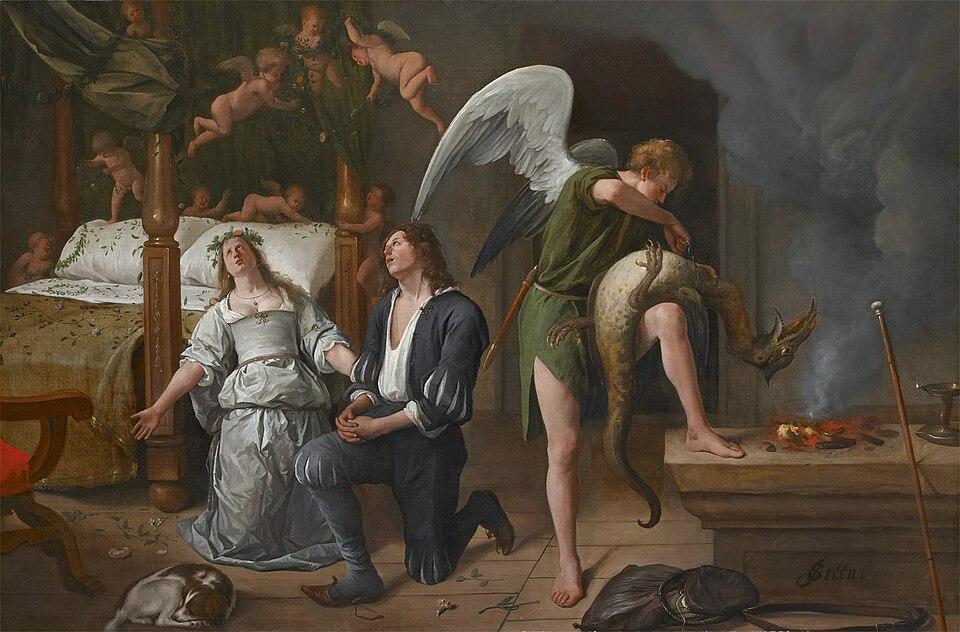
The Merry Family
Jan Steen, 1668
- Same movement
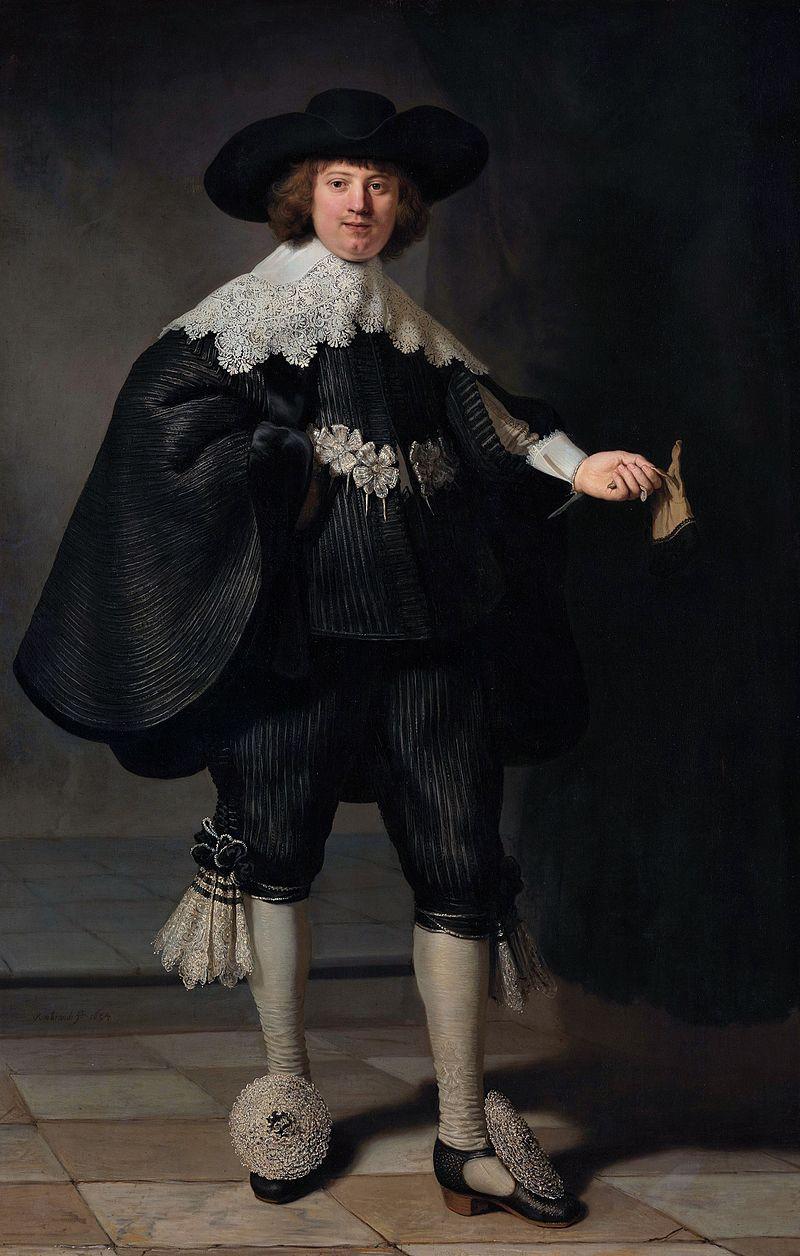
Pendant Portraits of Maerten Soolmans and Oopjen Coppit
Rembrandt van Rijn, 1634
- Same movement
The Jewish Bride
Rembrandt van Rijn, 1667
- Same movement
The Laughing Cavalier
Frans Hals, 1624
- Same movement
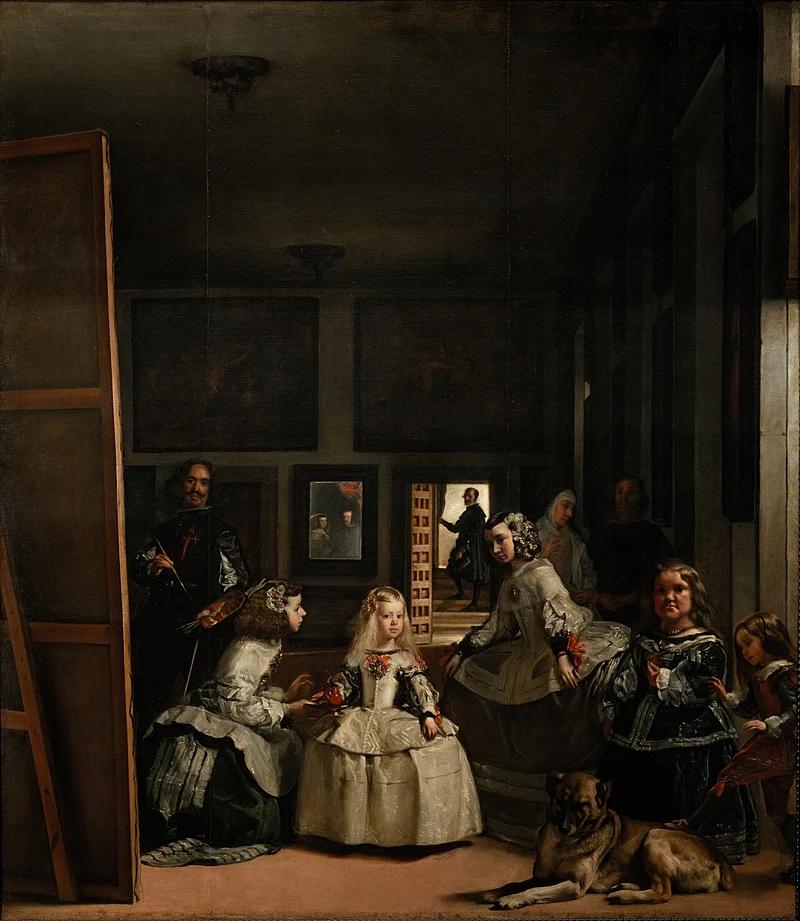
Las Meninas
Diego Velázquez, 1656
- Same movement
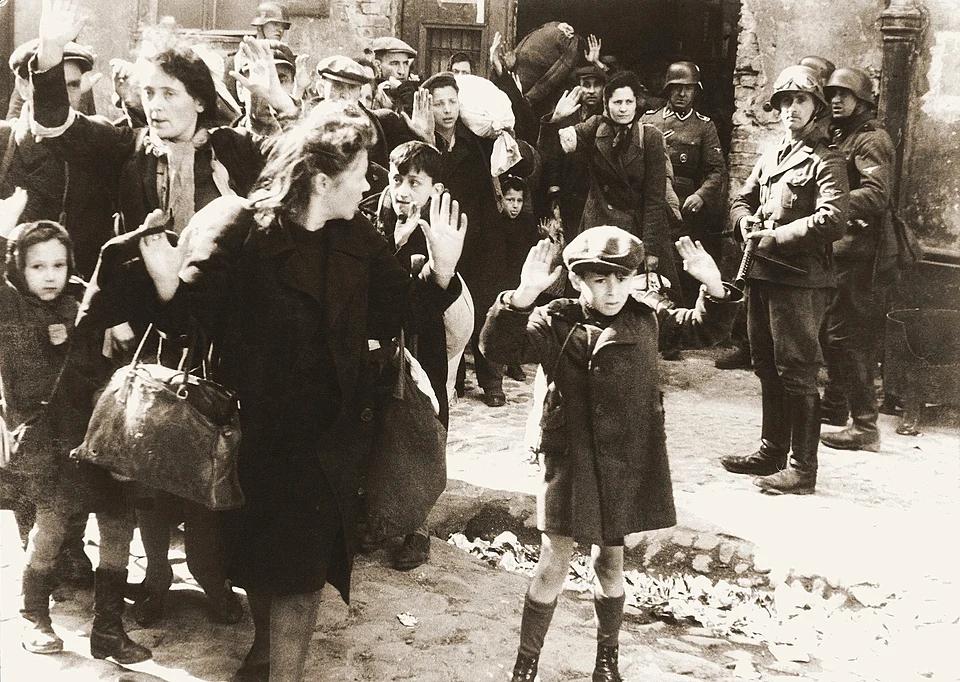
Woman and Child in a Courtyard
Pieter de Hooch, 1658
- Same movement
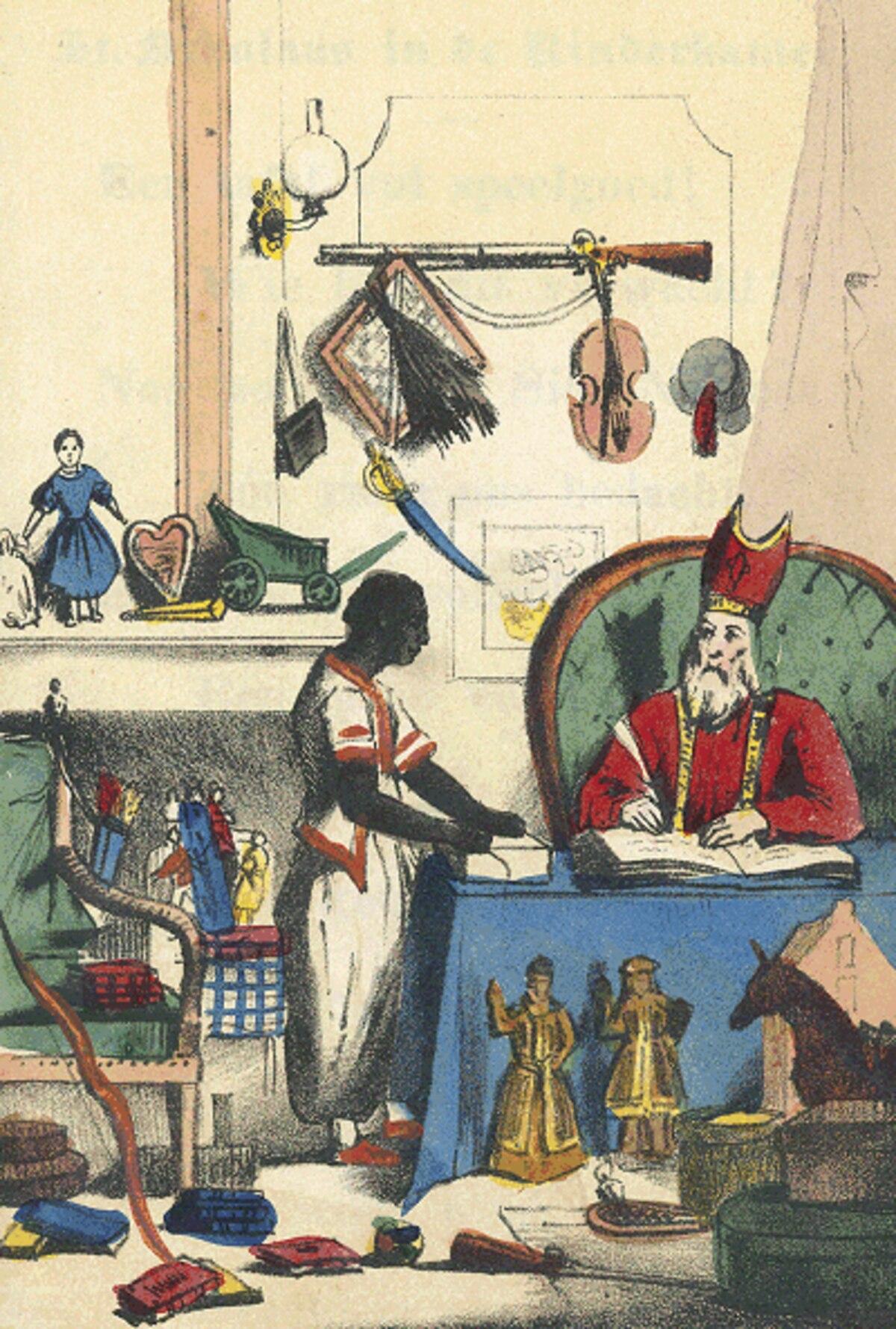
The Feast of Saint Nicholas
Jan Steen, 1665
About Officer and Laughing Girl
Officer and Laughing Girl is displayed at the Frick Collection in New York City. It's one of three Vermeers in the collection.
The model resembles Catharina Bolnes, Vermeer's wife, who is believed to have posed for many of his paintings This work dates to 1657.
The map is a Willem Blaeu chart of Holland and West Friesland. Vermeer owned it and used it in three of his paintings.
Officer and Laughing Girl measures 50.5 x 46 cm (approximately 20 x 18 inches) This work dates to 1657.
Own Art Like This
Luxury wall art with the same mood and energy. Gallery-quality canvas, no museum crowds.
Browse Collection