Wikimedia Commons • Public Domain
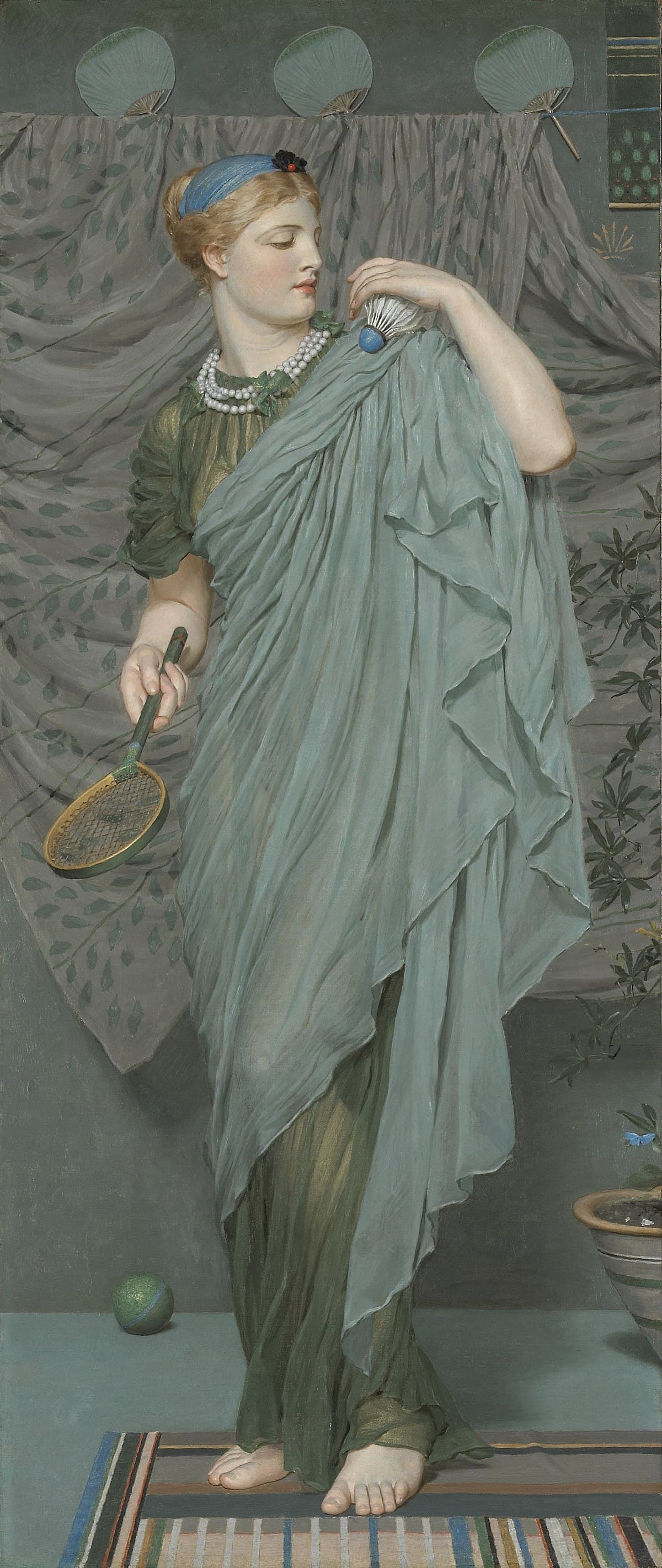
Innocent Amusements
StyleAcademic Art
Artwork Details
Cite or Embed This Work
APA · MLA · Chicago1-click academic citation and embeddable “On View” museum badge for articles, syllabi, and research.
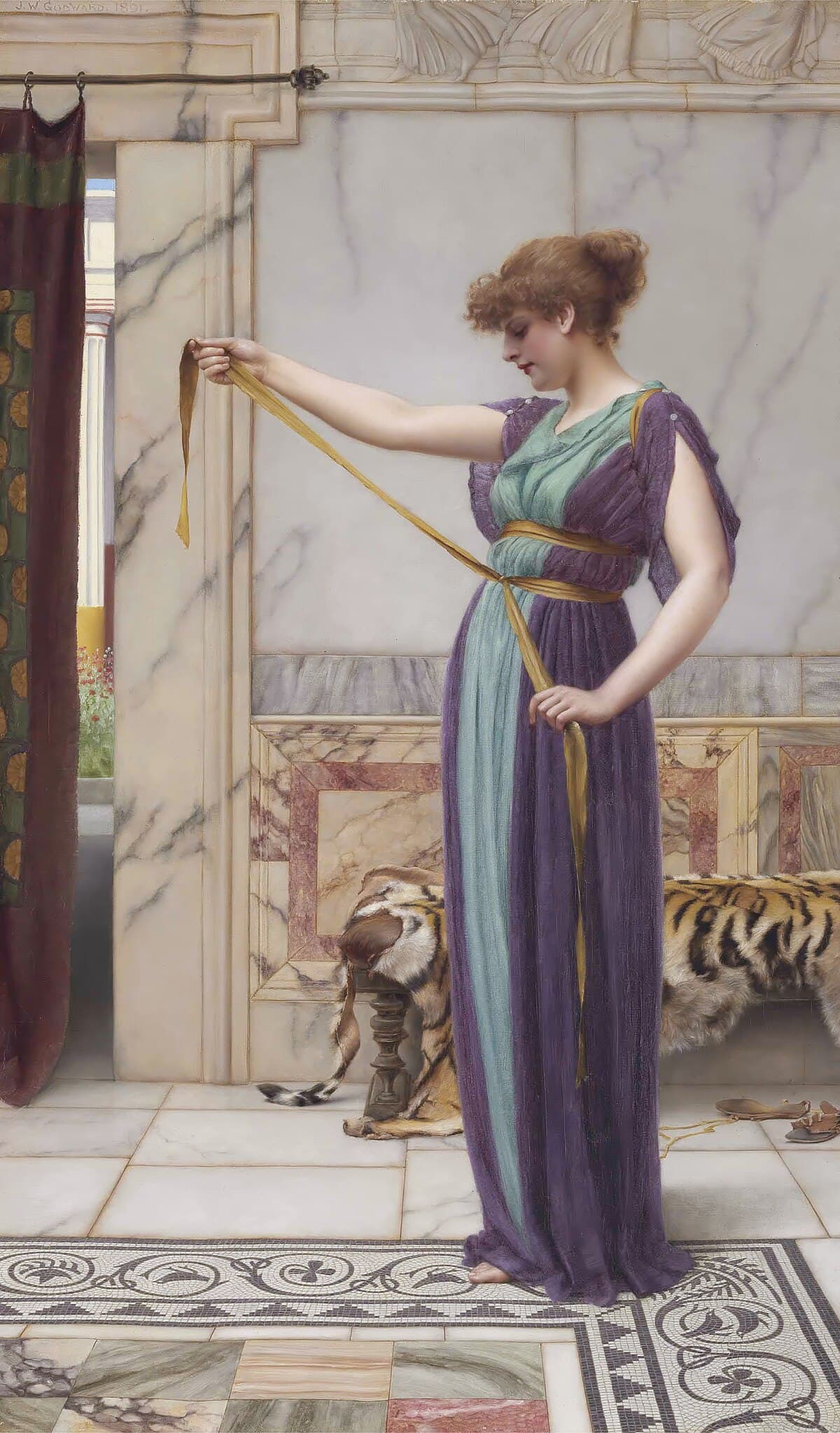
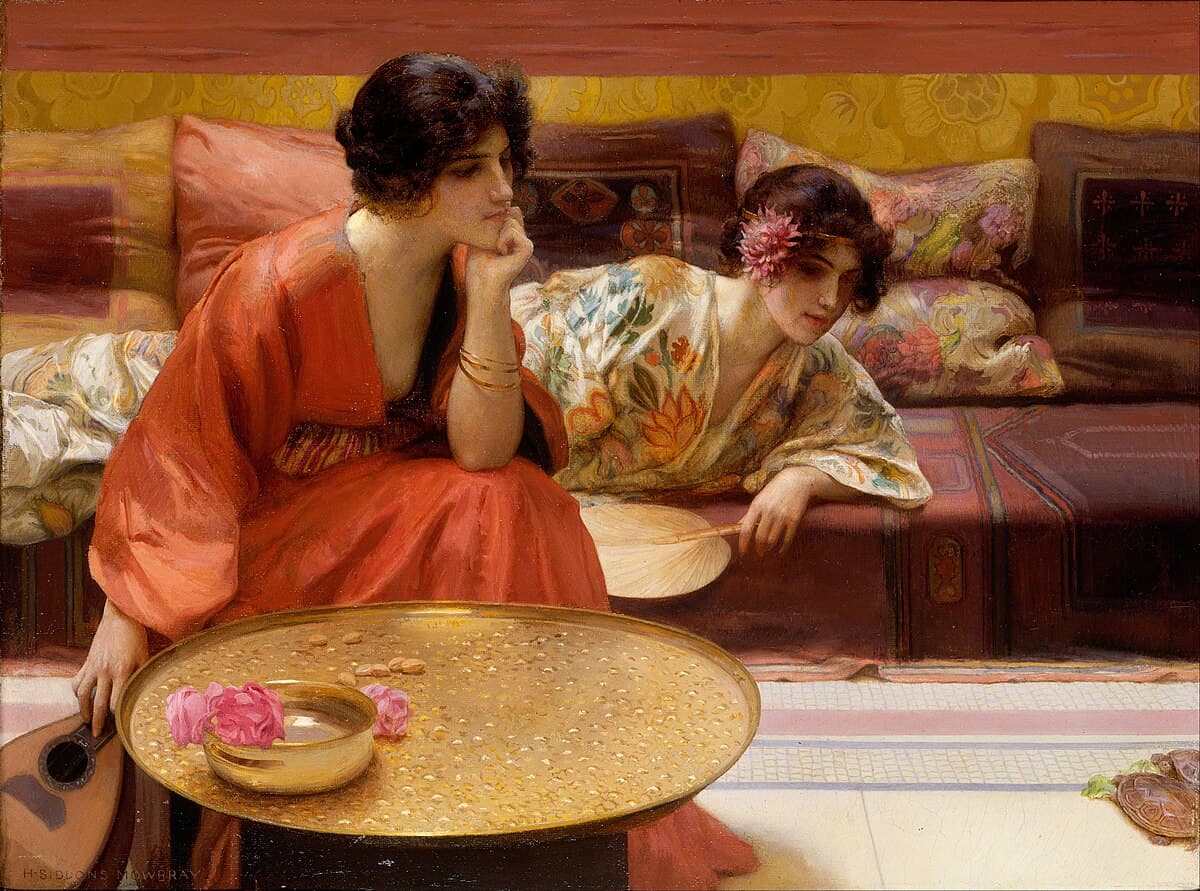
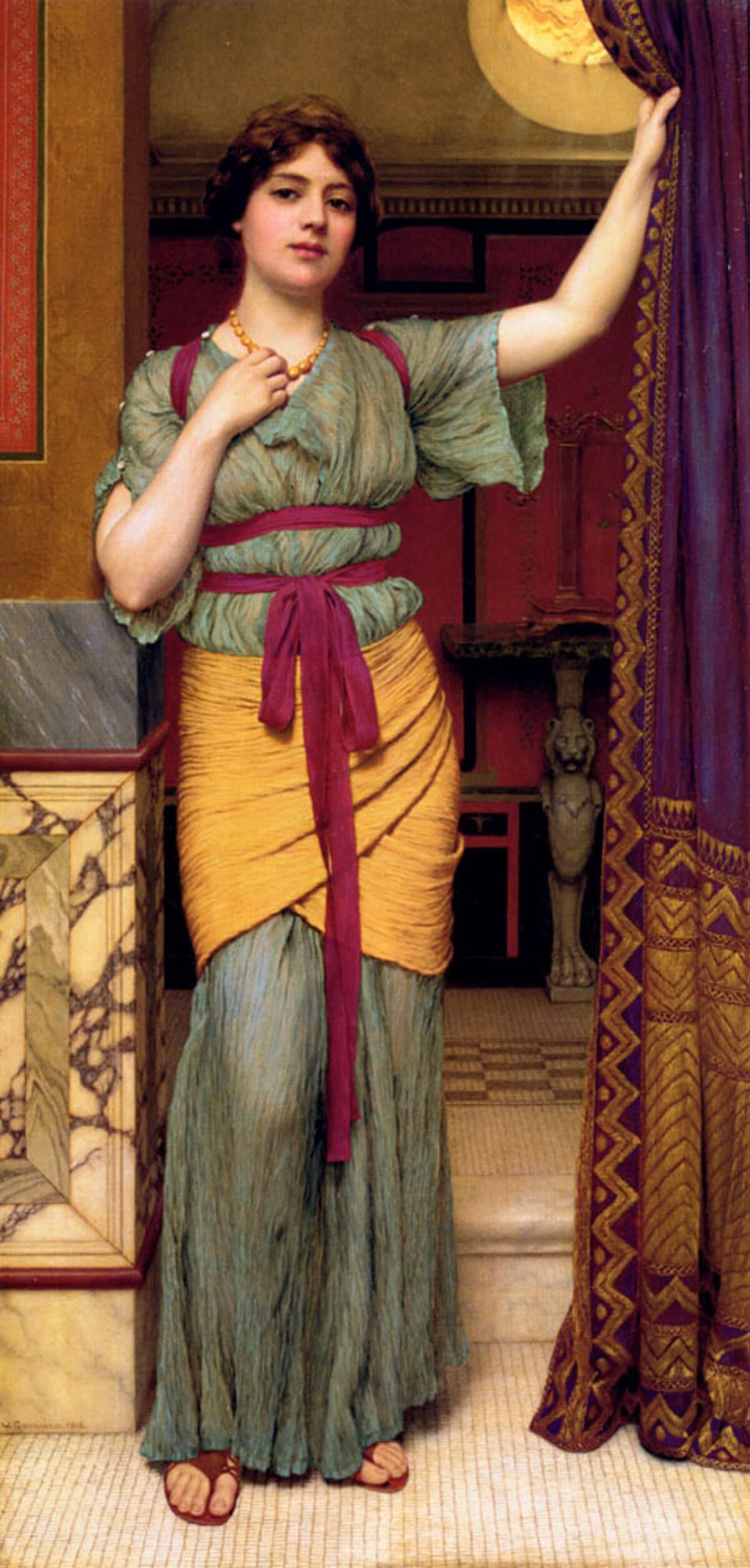
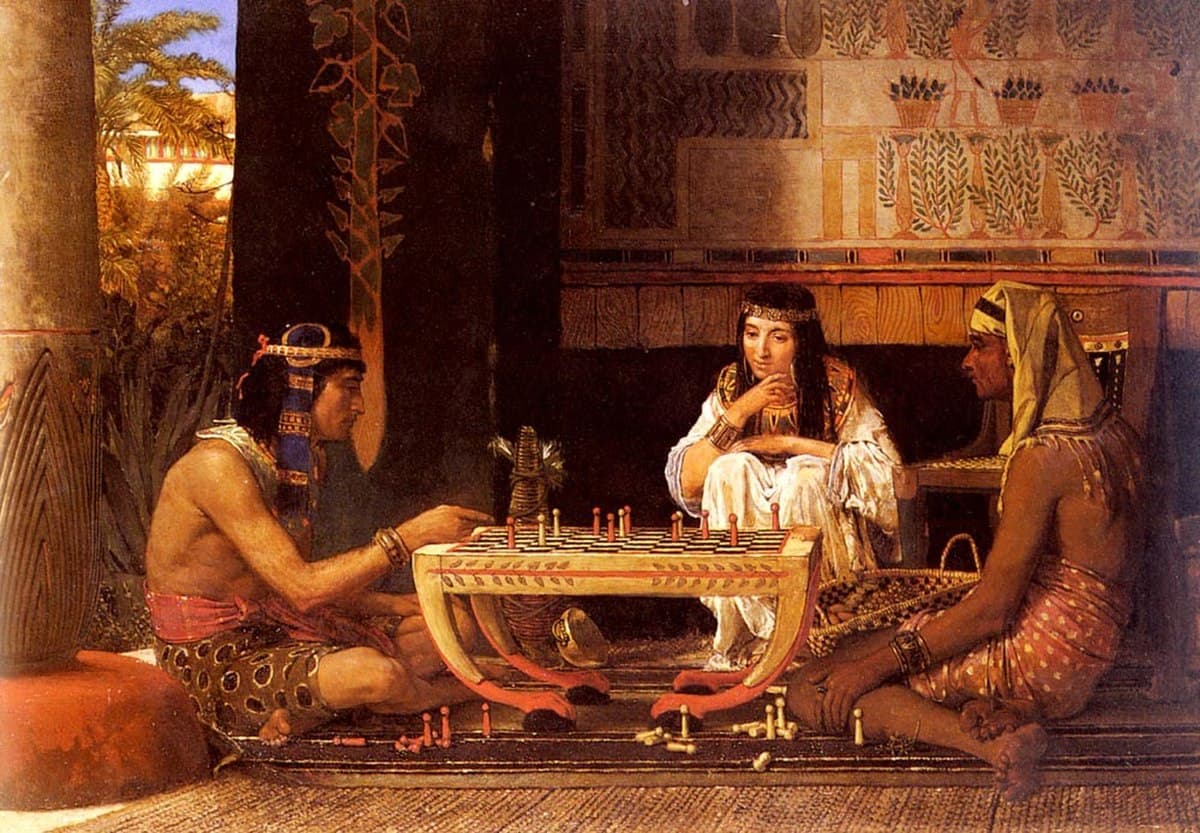
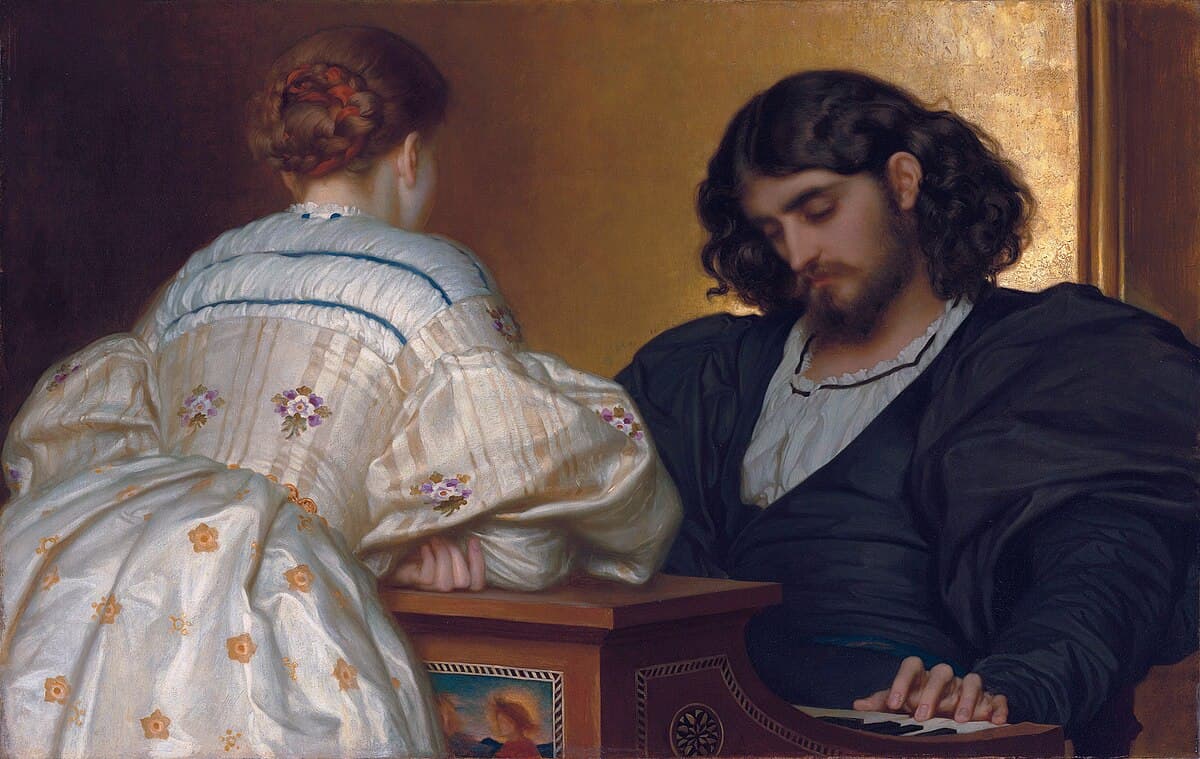
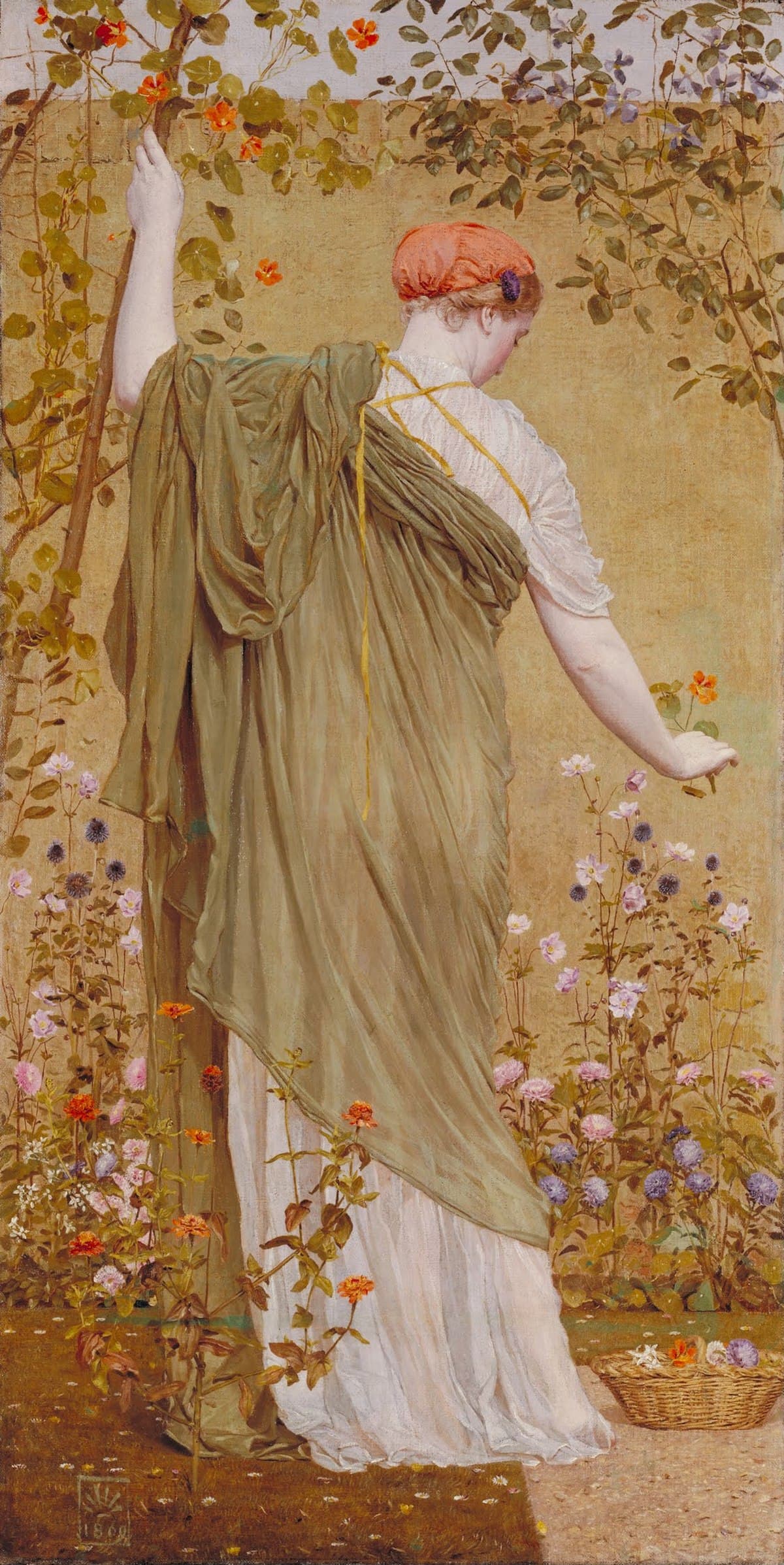
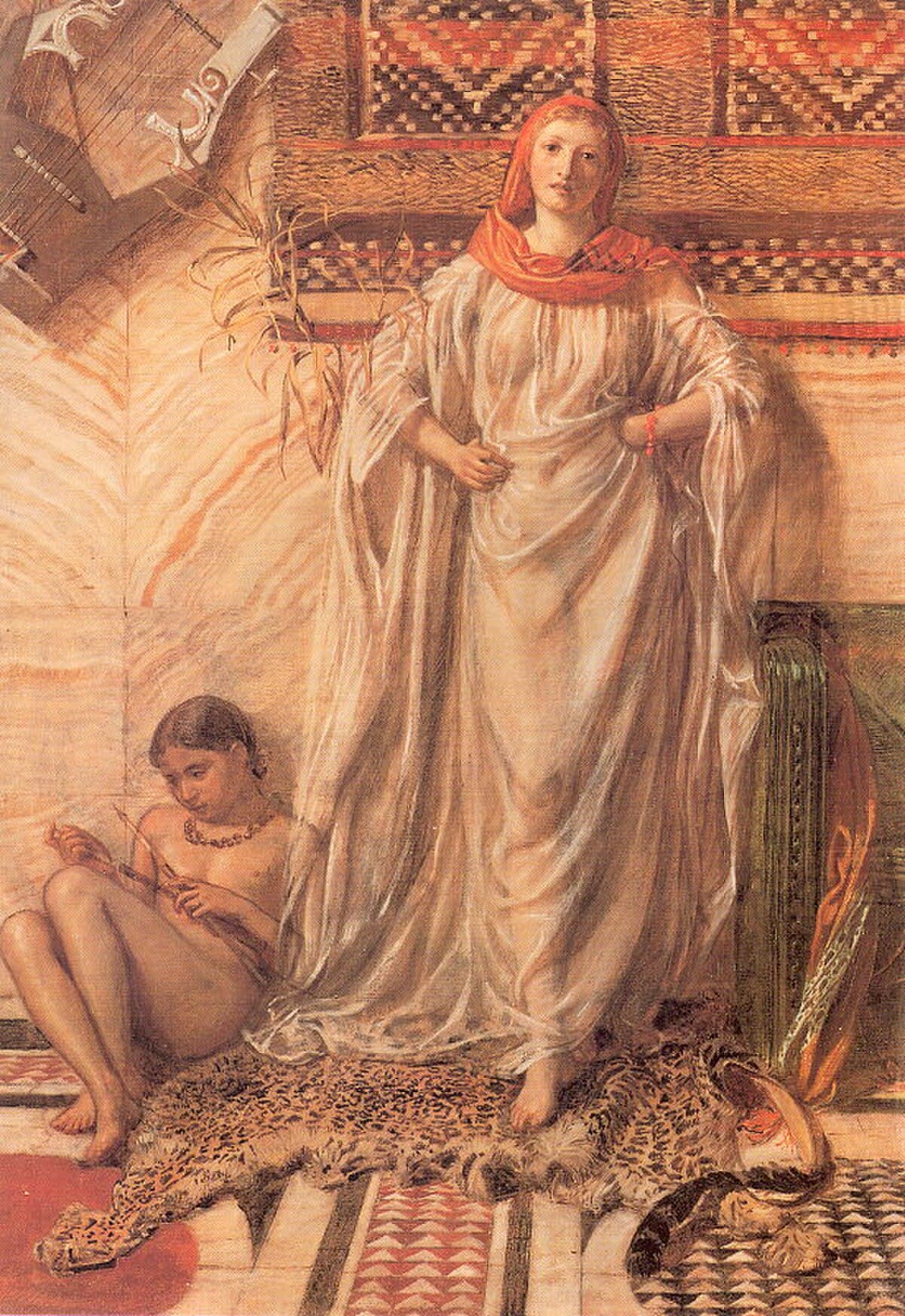
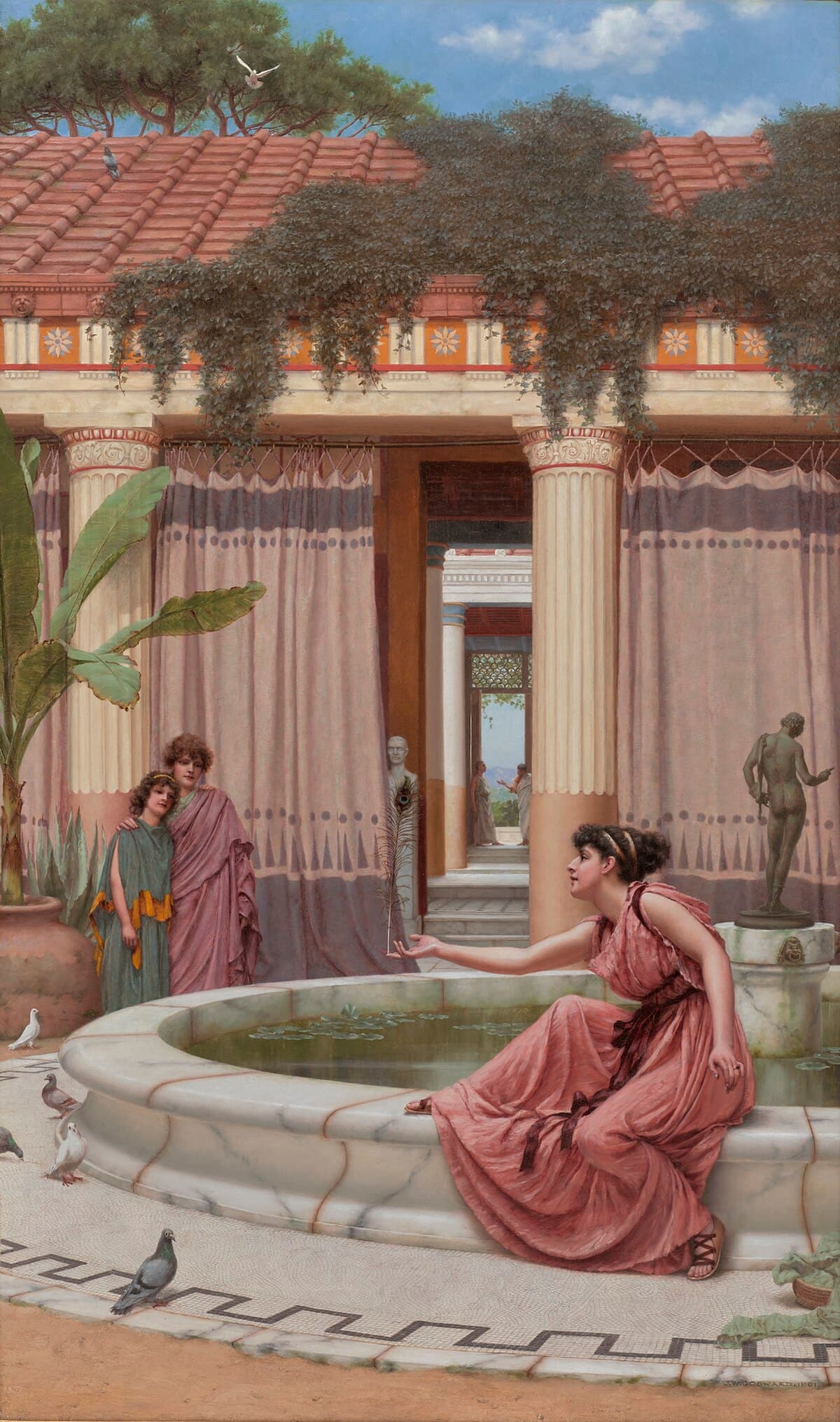
John William Godward created the Innocent Amusements in 1891, a work that shows his dedication to Neoclassical ideals during an era when modern art was rapidly overtaking academic traditions. The painting depicts a scene of leisurely activity, rendered with the careful attention to marble, fabric, and Mediterranean light that defined Godward's style throughout his career.
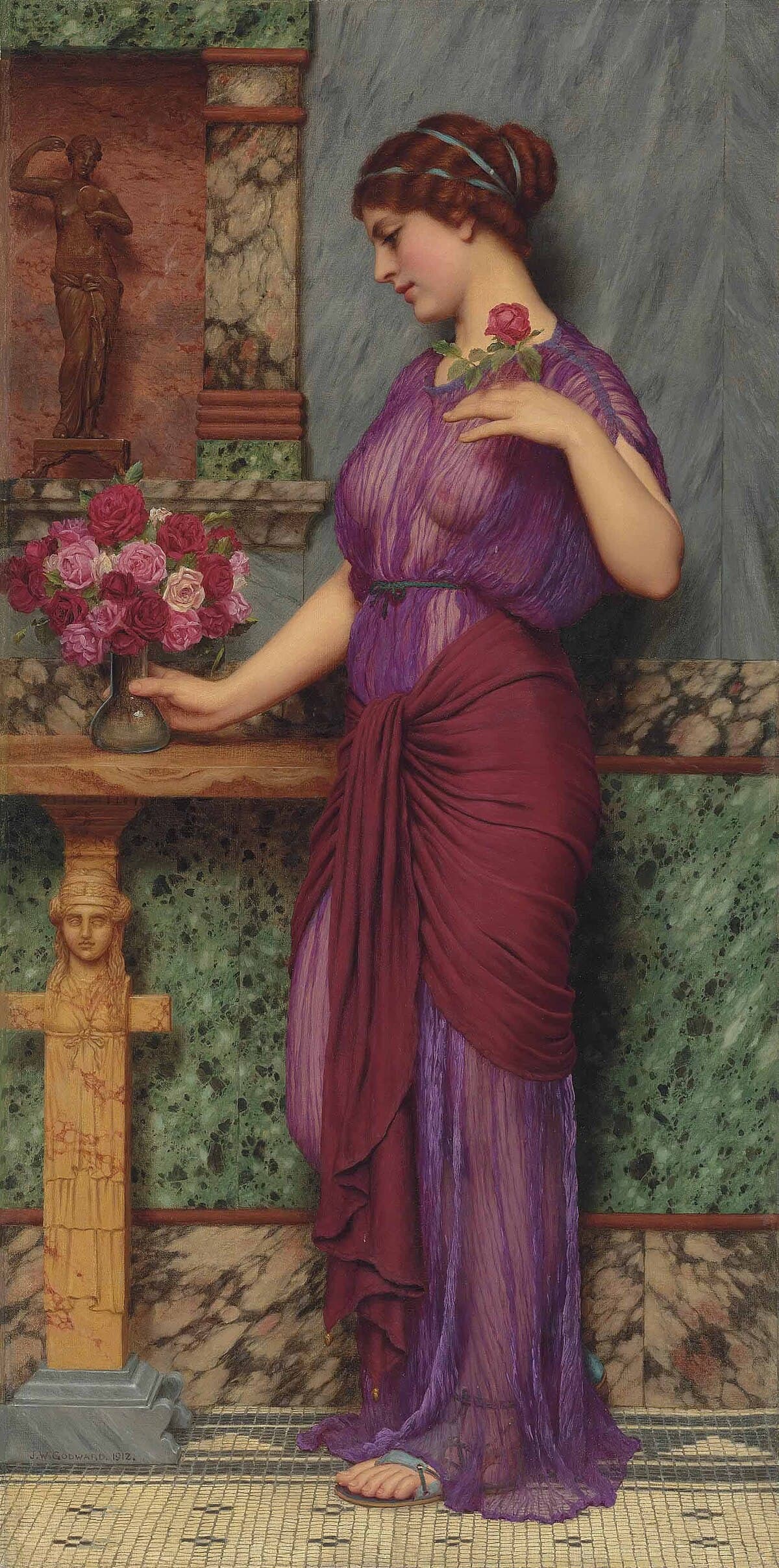
Godward studied under Sir Lawrence Alma-Tadema and became one of the last major painters to work in the English Neoclassical tradition. His subjects typically featured women in classical dress, often set against backdrops of ancient architecture. He painted with technical precision, creating surfaces that seem to glow from within. The Yale University Art Gallery holds a version of this work, signed and dated by the artist.
Godward's commitment to classical subjects left him increasingly isolated as the 20th century embraced abstraction and expressionism. He reportedly felt that "the world is not big enough for me and a Picasso." Despite falling out of fashion during his lifetime, his paintings have found renewed appreciation among collectors drawn to their feminine subjects and technical skill.