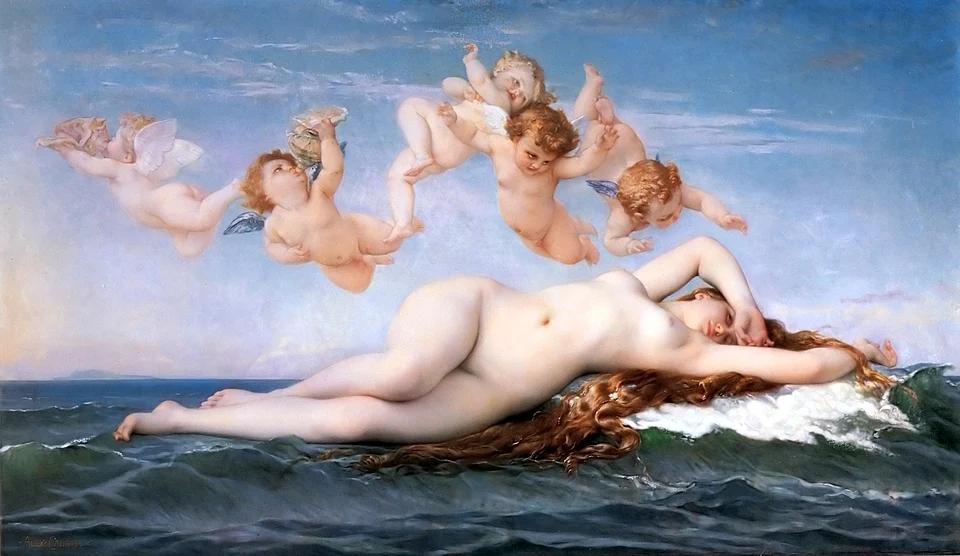
The Birth of Venus
by Alexandre Cabanel, 1863
Artwork Details
Details
- Year
- 1863
- Medium
- Oil on canvas
- Size
- 130 cm × 225 cm
Cite or Embed This Work
APA · MLA · Chicago1-click academic citation and embeddable “On View” museum badge for articles, syllabi, and research.
Alexandre Cabanel created a sensation at the Paris Salon of 1863 with this reclining Venus floating on the sea. Cherubs fly above her while she stretches languidly, eyes half-closed, one arm raised above her head. The composition offers the sensuality of a nude with the excuse of mythological subject matter.
Napoleon III himself purchased the painting immediately after the Salon. The year 1863 was dubbed the "Salon of the Venuses" for the number of alluring nudes on display, and Cabanel's won the emperor's favor over works by competitors. The same Salon rejected Manet's controversial Déjeuner sur l'herbe.
Writer Émile Zola criticized the painting's ambiguity: "The goddess, drowned in a sea of milk, resembles a delicious courtesan." But the public loved it. Cabanel made multiple versions, and the original remains at the Musée d'Orsay, a landmark of French Academic painting.
More by Alexandre Cabanel
View all →F
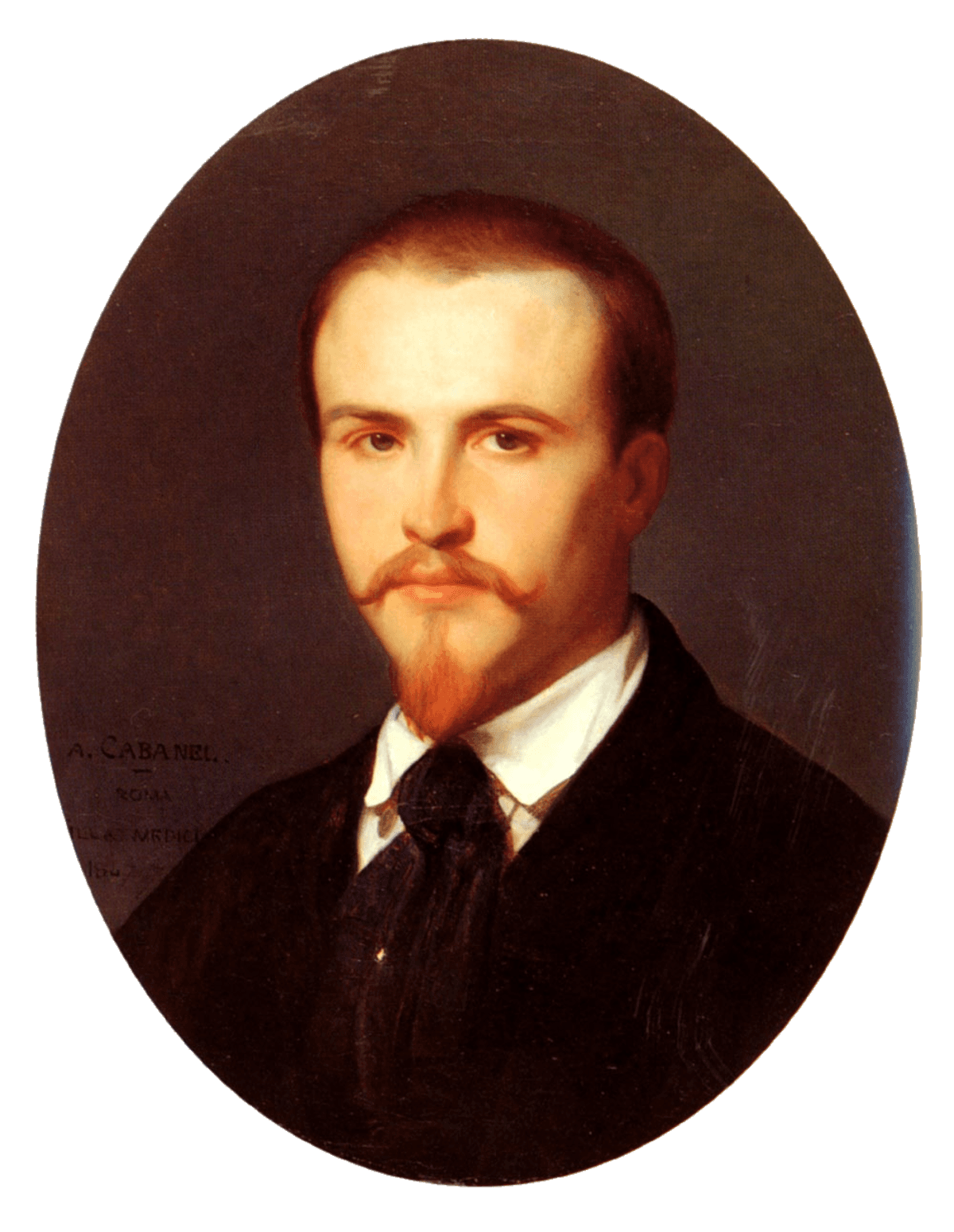
Felix Masse
Alexandre Cabanel
Private Collection, Unknown
S
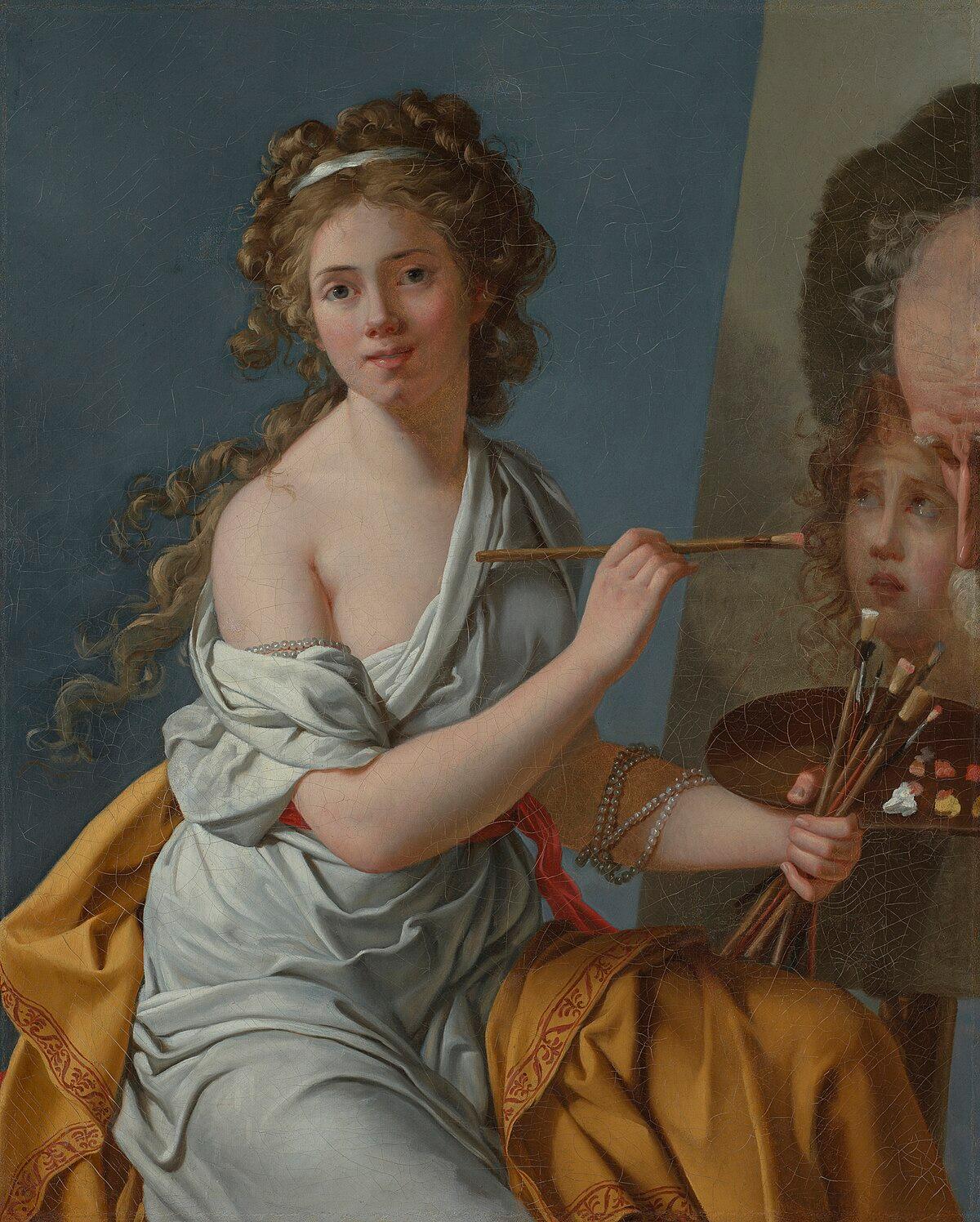
Self Portrait as a Child
Alexandre Cabanel
Musée Fabre, Montpellier, Montpellier
S
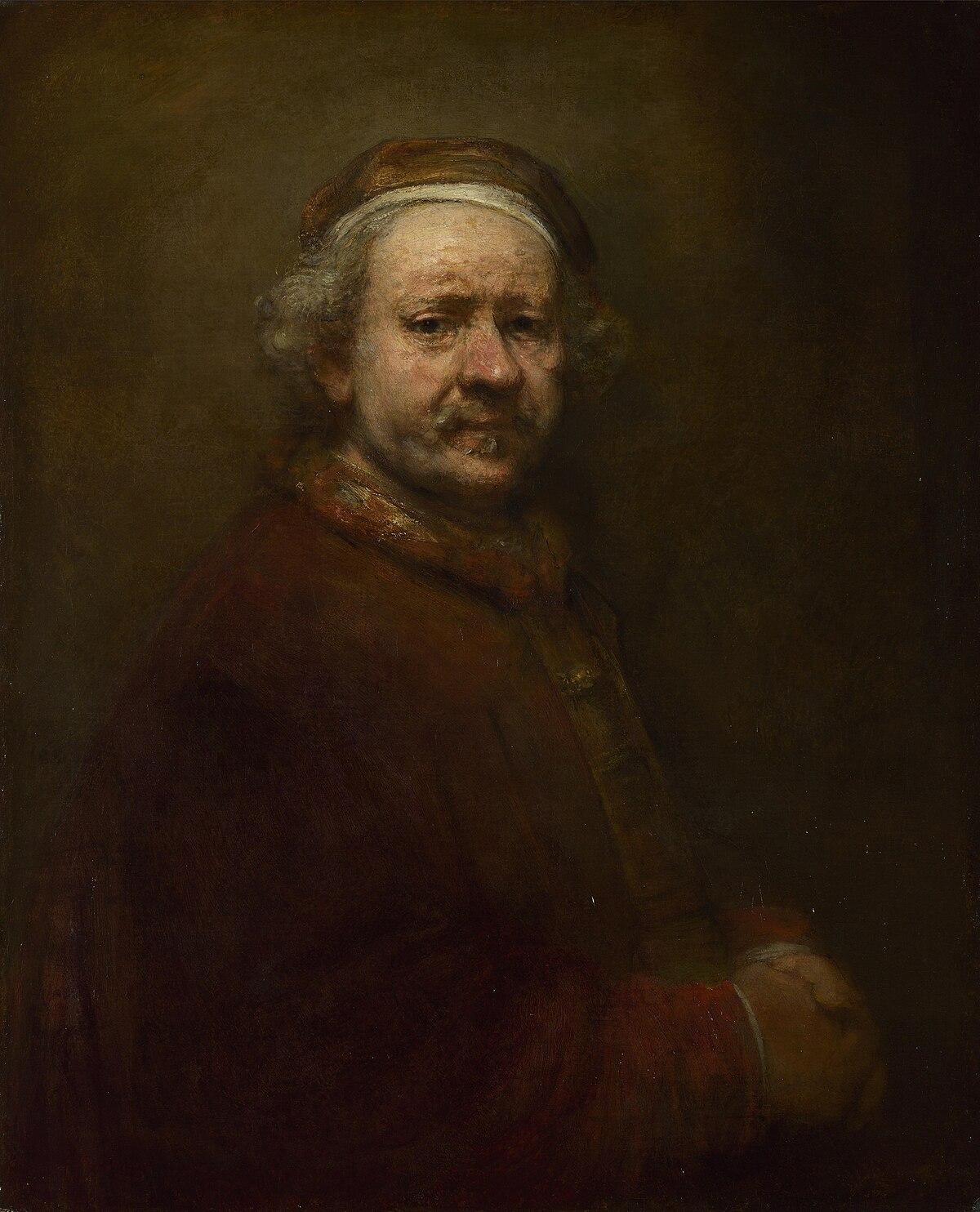
Self Portrait (aged 17)
Alexandre Cabanel
Musée Fabre, Montpellier, Montpellier
C
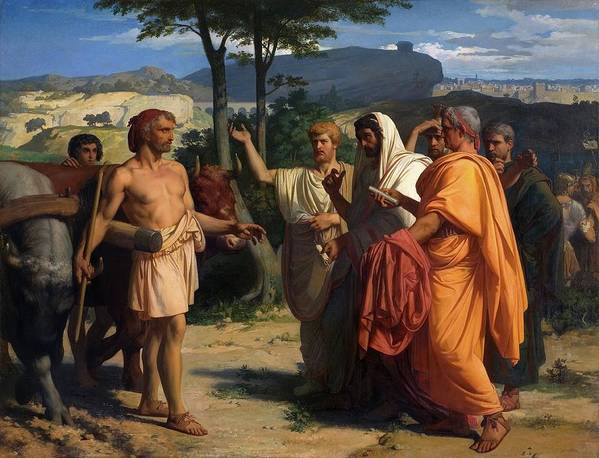
Cincinnatus Receiving The Ambassadors From Rome
Alexandre Cabanel
Musée Fabre, Montpellier, Montpellier
Also at Musée d'Orsay
View all →

Related Works
Works that share an artist, movement, museum, genre, palette or theme with The Birth of Venus.
- Same artist
- Same movement
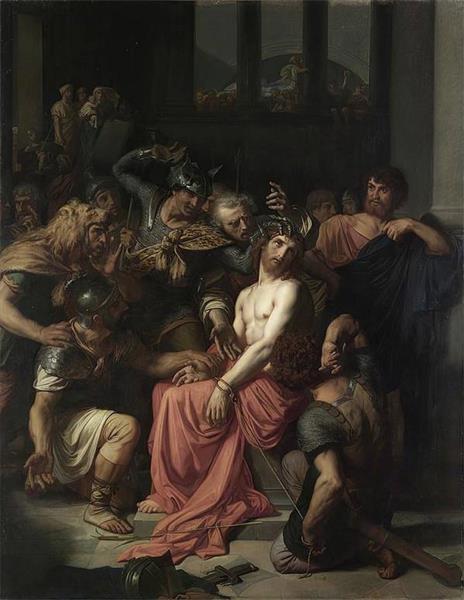
Jesus In The Pretorium
Alexandre Cabanel
- Same movement
- Same museum
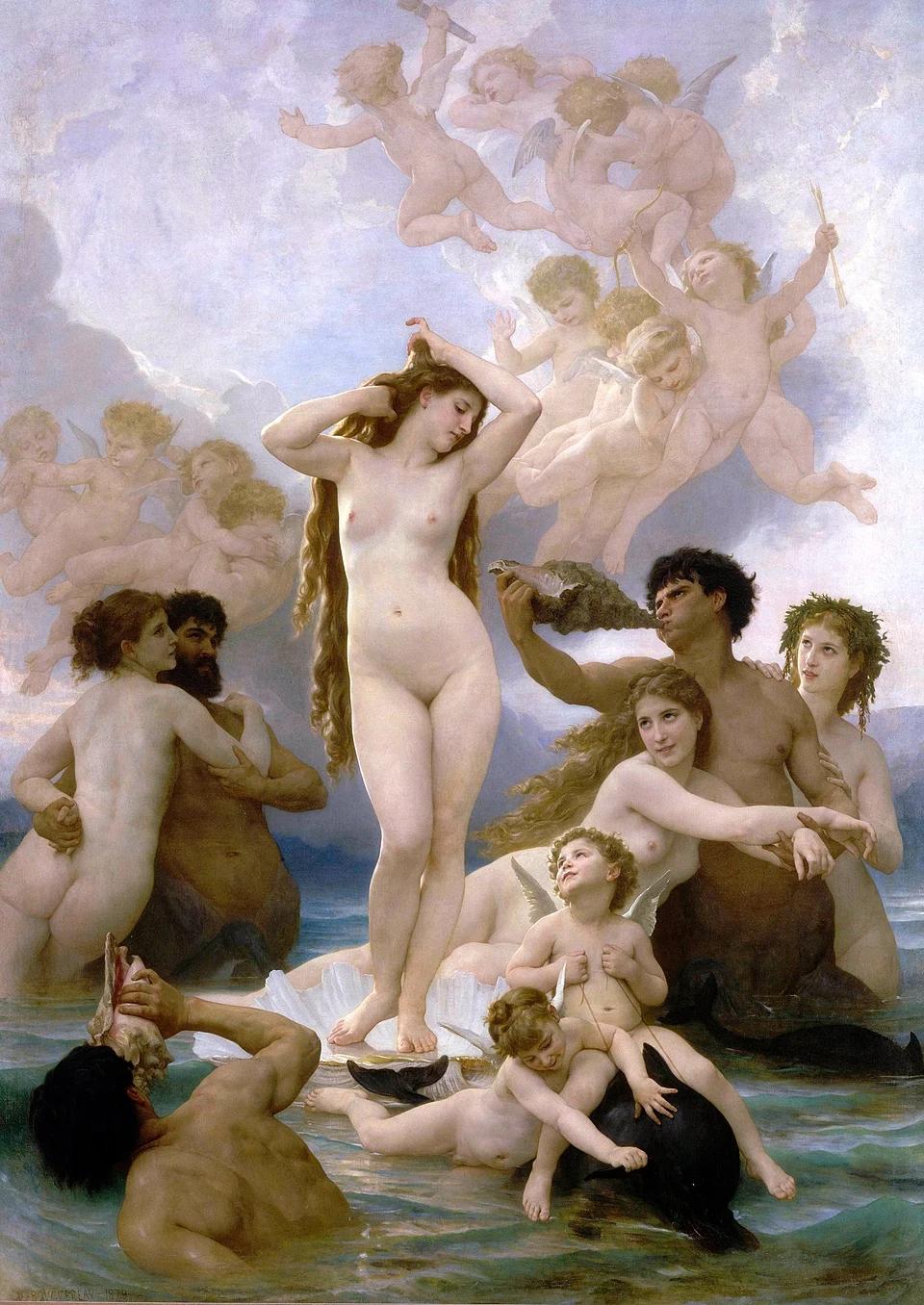
The Birth of Venus
William-Adolphe Bouguereau, 1879
- Same artist
- Same movement
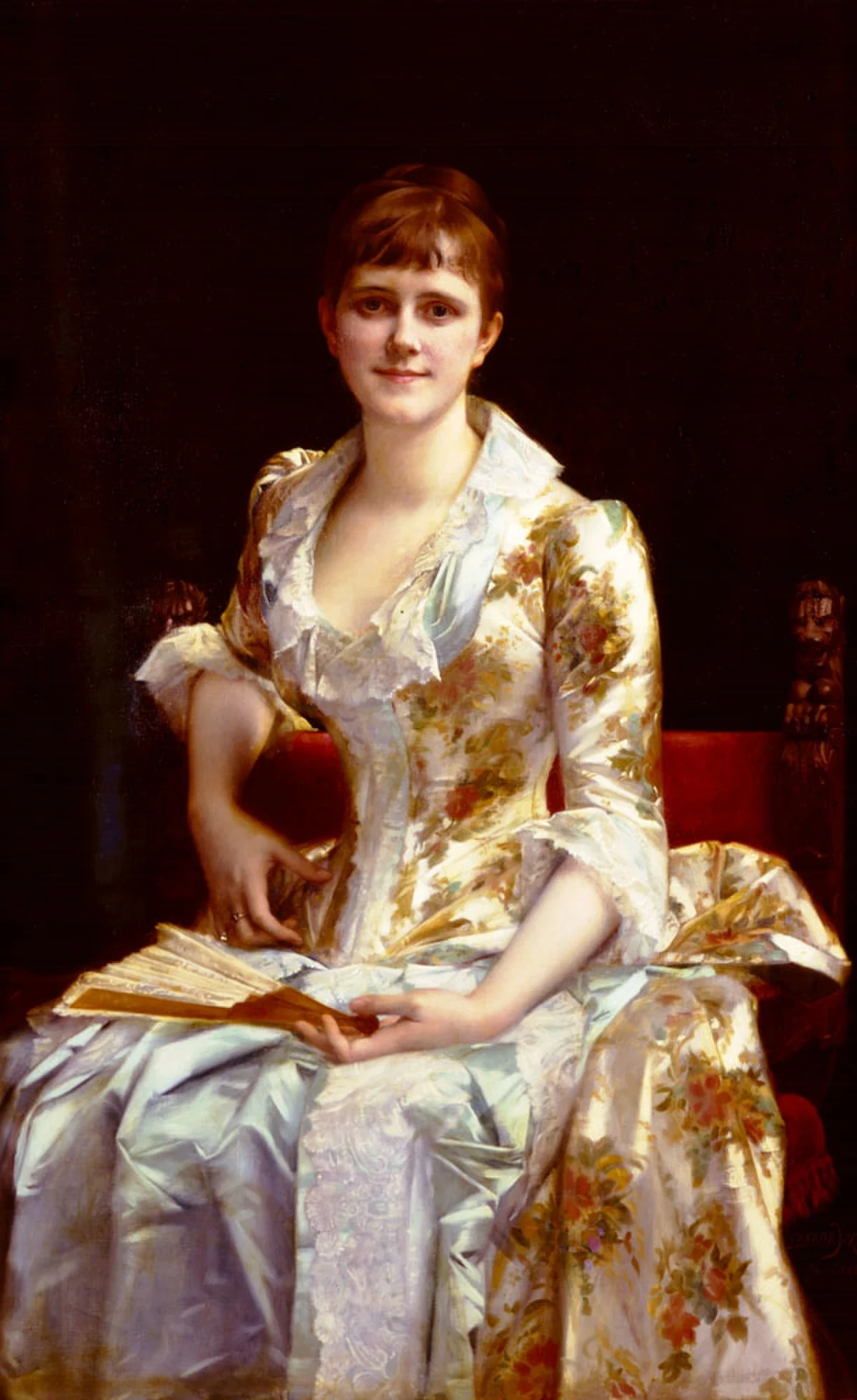
Portrait of a Young Artist
Alexandre Cabanel
- Same artist
- Same movement
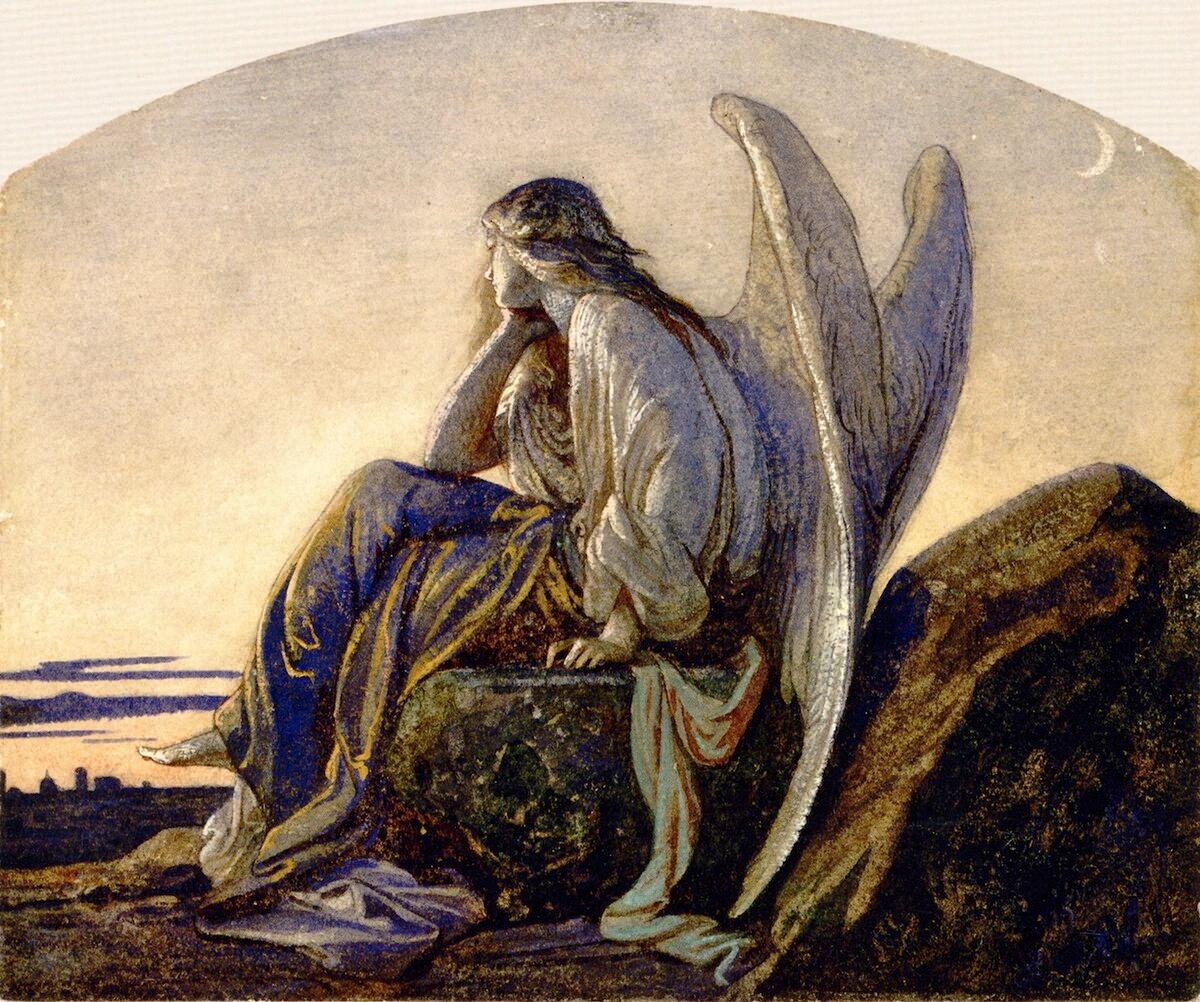
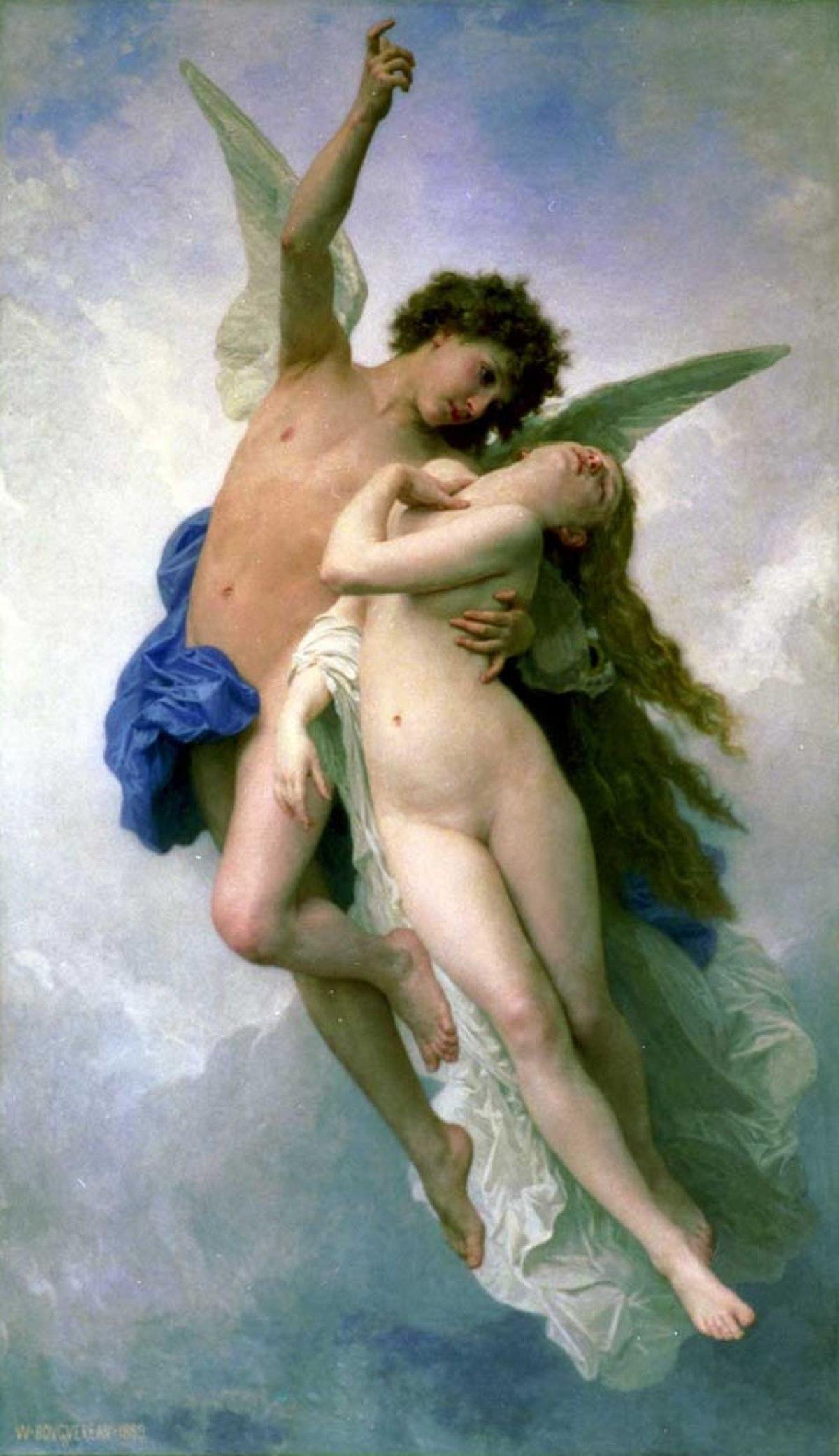
The Evening Angel
Alexandre Cabanel
- Same movement
- Same genre
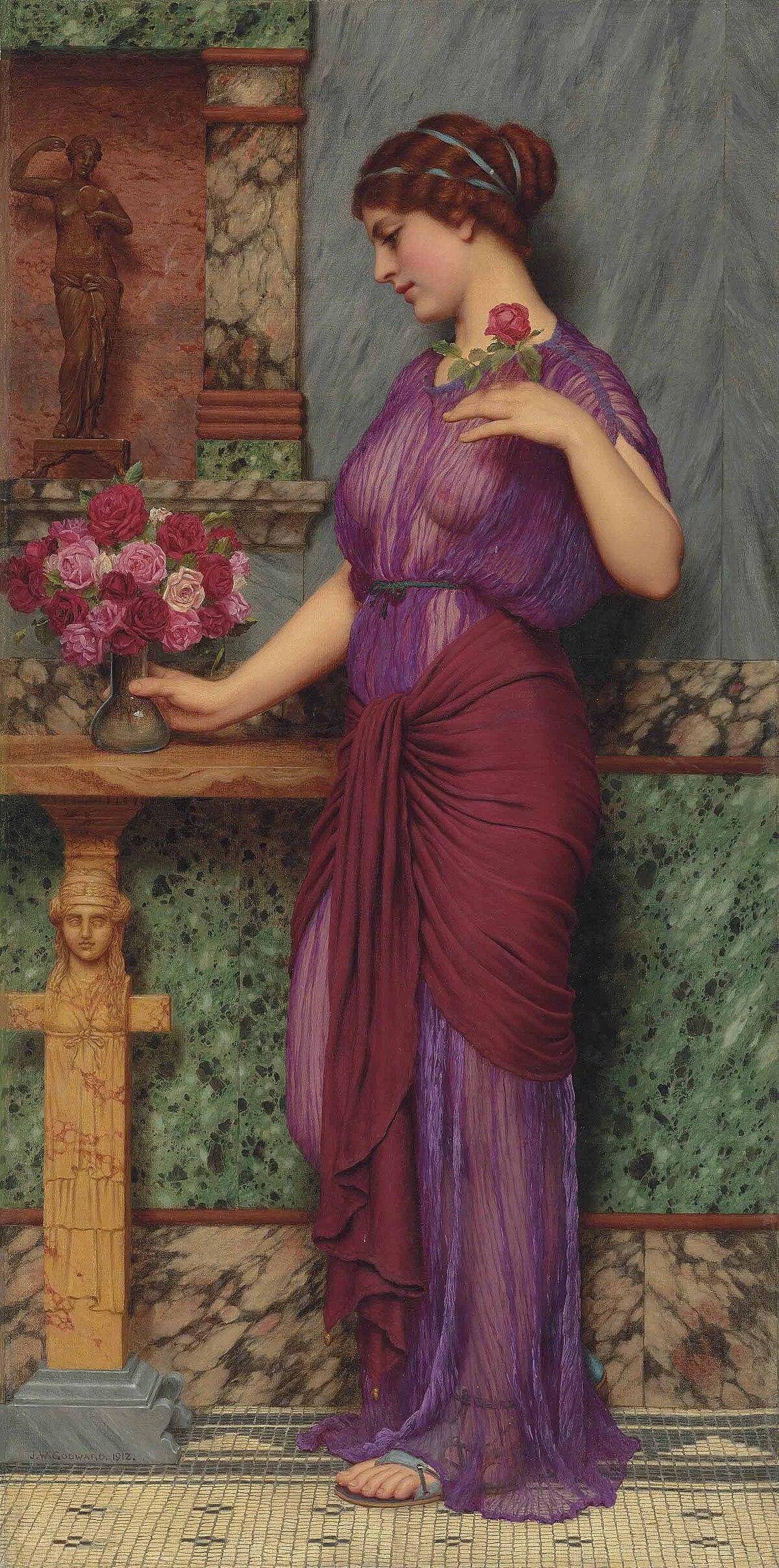
The Flowers of Venus
John William Godward
- Same movement
- Same genre
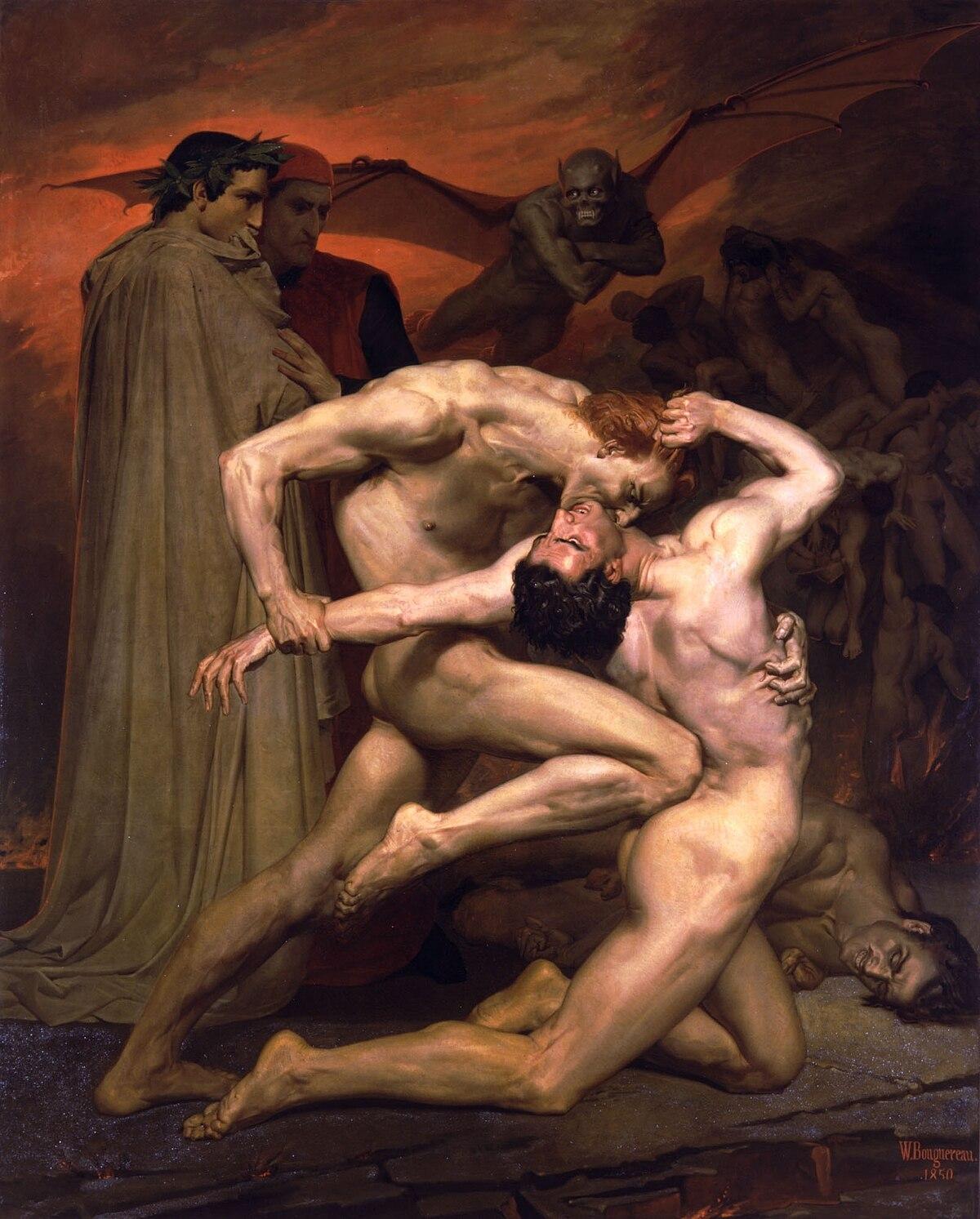
Nymphs and Satyr
William-Adolphe Bouguereau, 1873
- Same movement
- Same museum
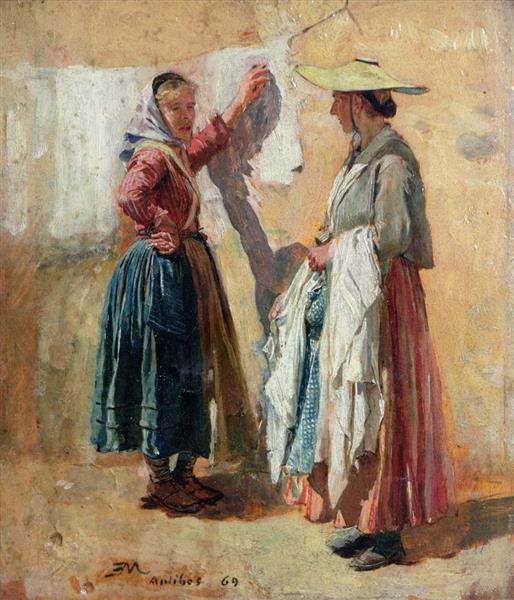
Dante and Virgil
William-Adolphe Bouguereau
- Same movement
- Same museum
Washerwomen in Antibes
Ernest Meissonier

- Same movement
The Horse Fair
Rosa Bonheur, 1853
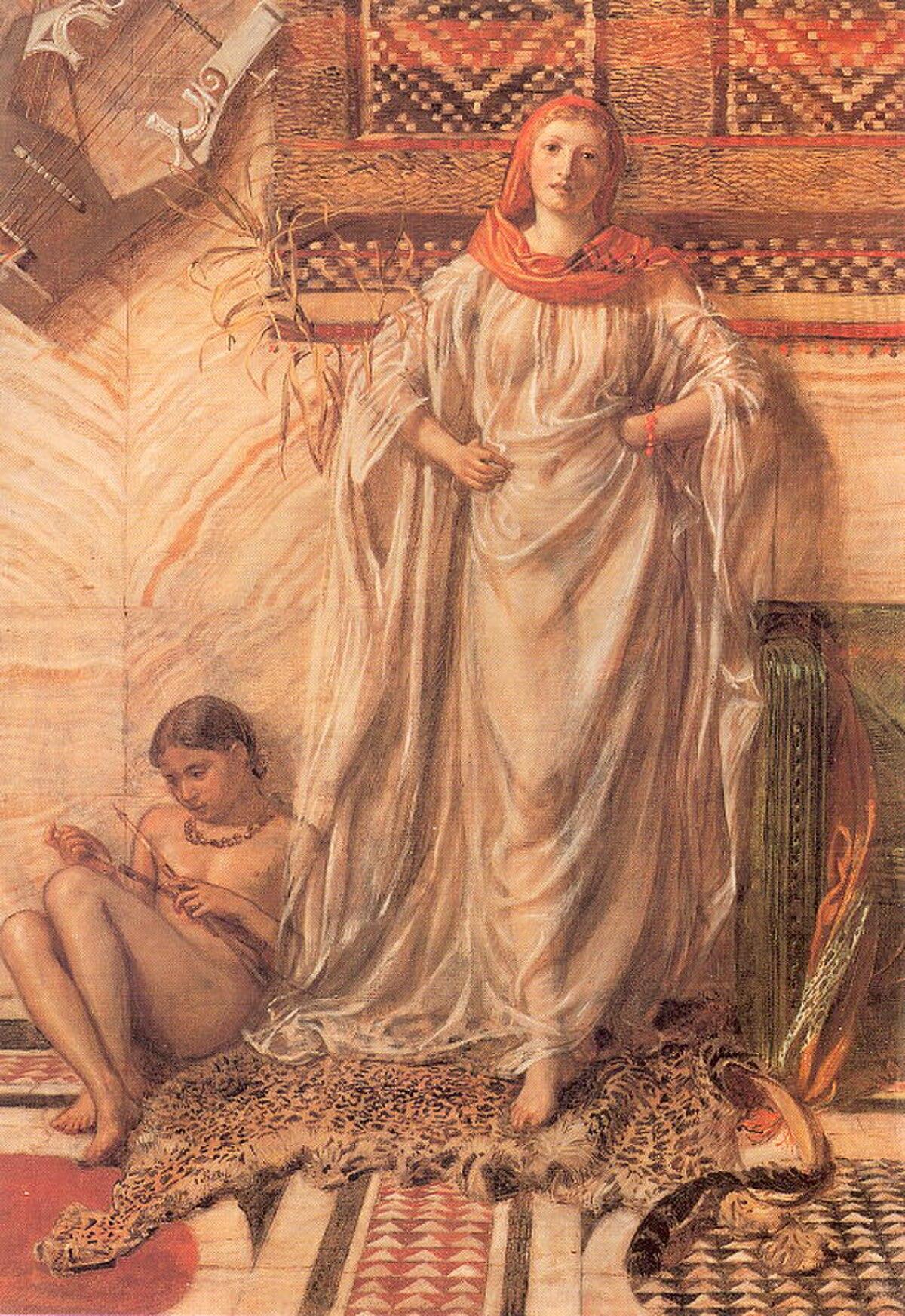
- Same movement
Dancing Girl Resting
Albert Joseph Moore
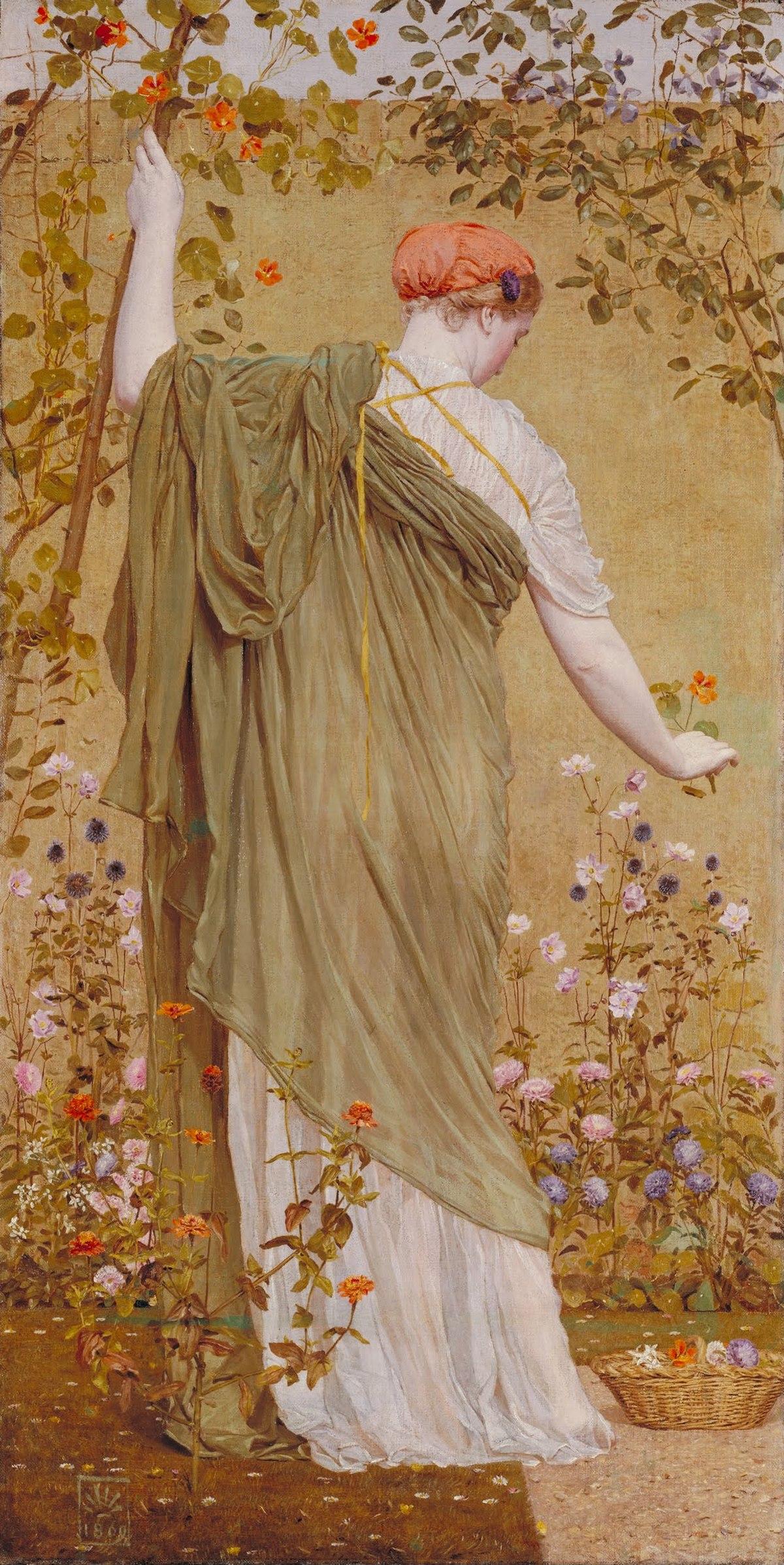
- Same movement
A Garden
Albert Joseph Moore
- Same movement
A Painter
Ernest Meissonier
About The Birth of Venus
The original 1863 version is at the Musée d'Orsay in Paris. Later versions exist at the Metropolitan Museum in New York and the Dahesh Museum.
Napoleon III purchased it directly from the 1863 Salon for his personal collection. The emperor's patronage helped establish Cabanel's reputation.
It measures 130 x 225.3 cm (about 51 x 89 inches). Cabanel later made smaller and larger versions of the composition.
Own Art Like This
Luxury wall art with the same mood and energy. Gallery-quality canvas, no museum crowds.
Browse Collection