Wikimedia Commons • Public Domain
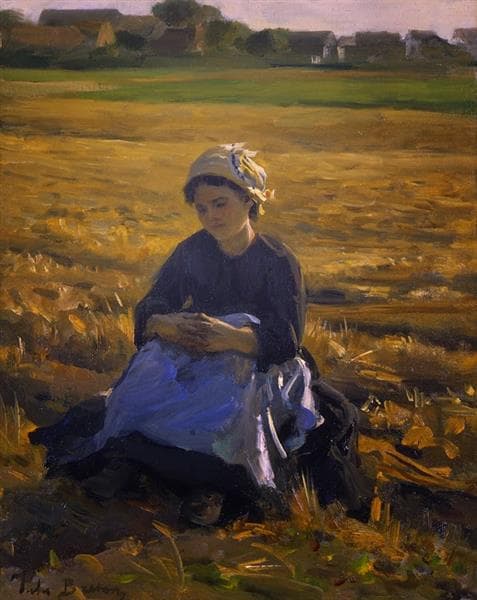
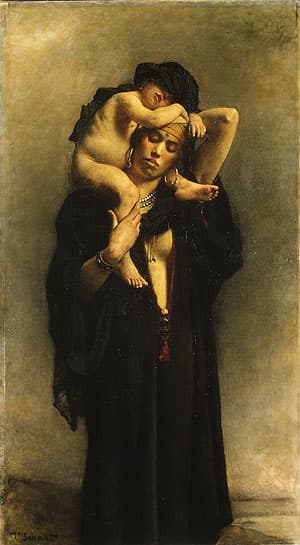
Head of a woman
by Jules Breton
StyleAcademic Art
Artwork Details
Cite or Embed This Work
APA · MLA · Chicago1-click academic citation and embeddable “On View” museum badge for articles, syllabi, and research.
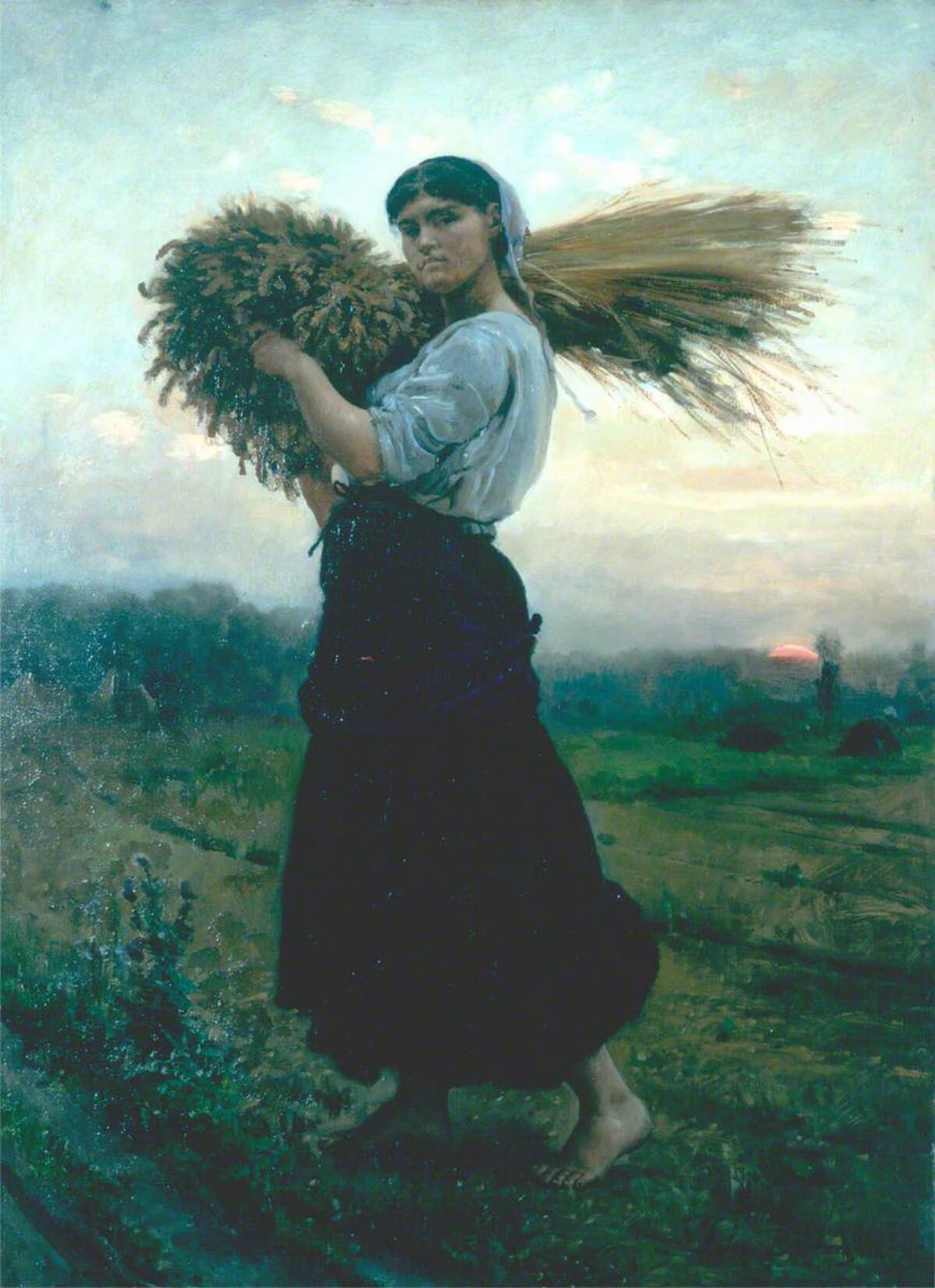
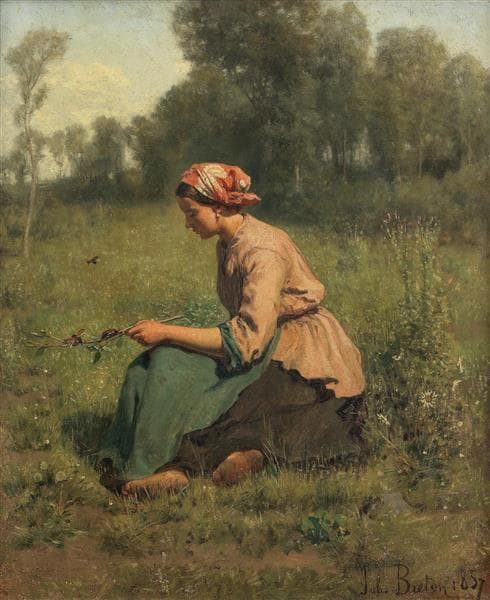
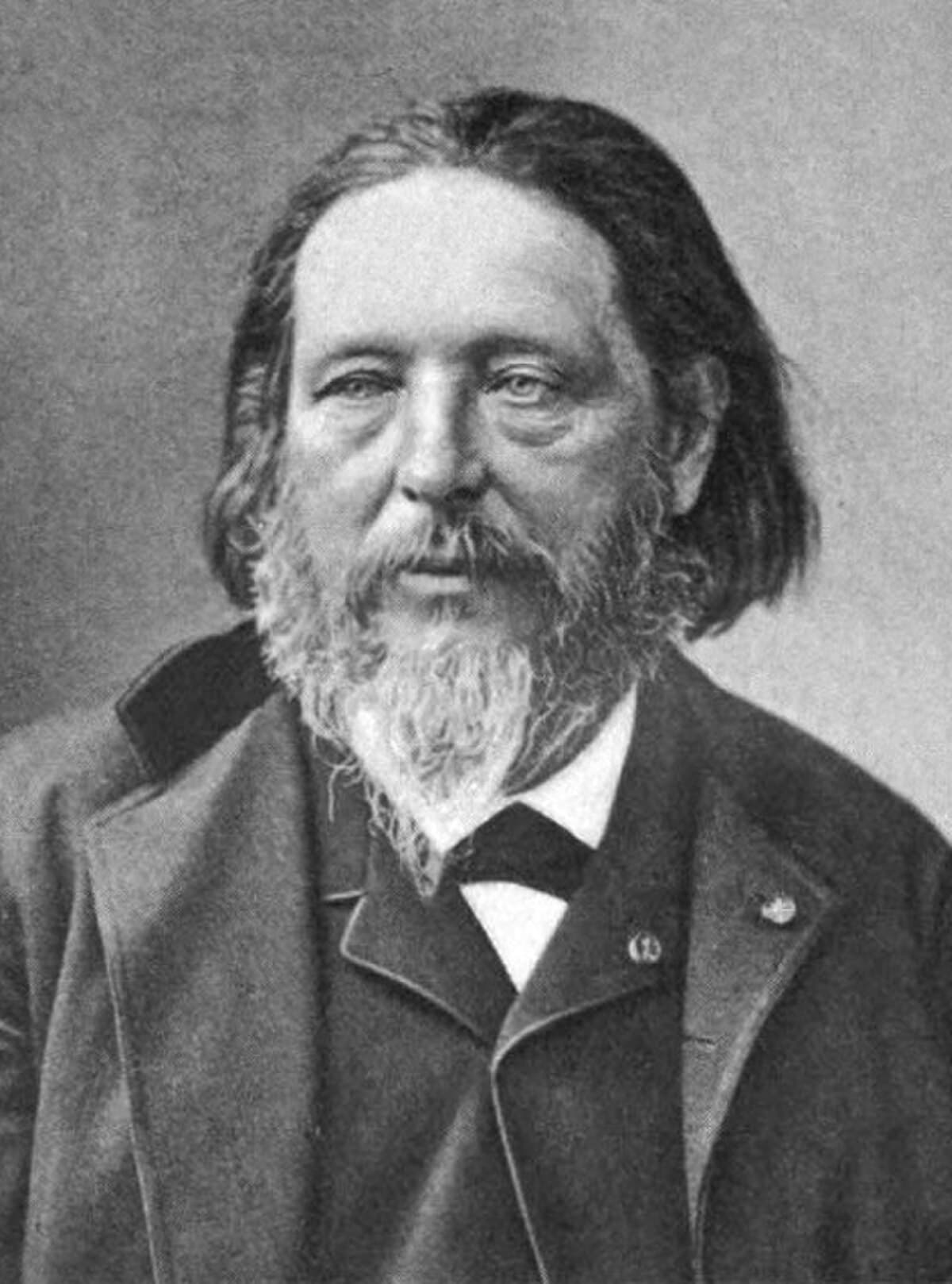
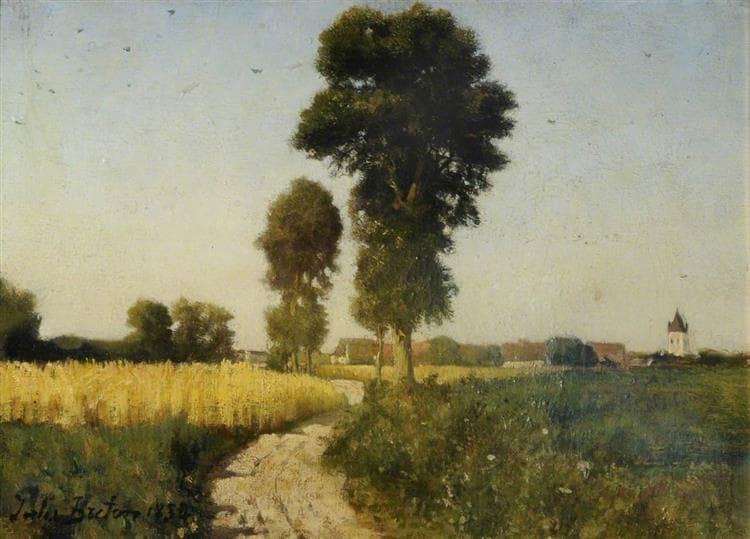
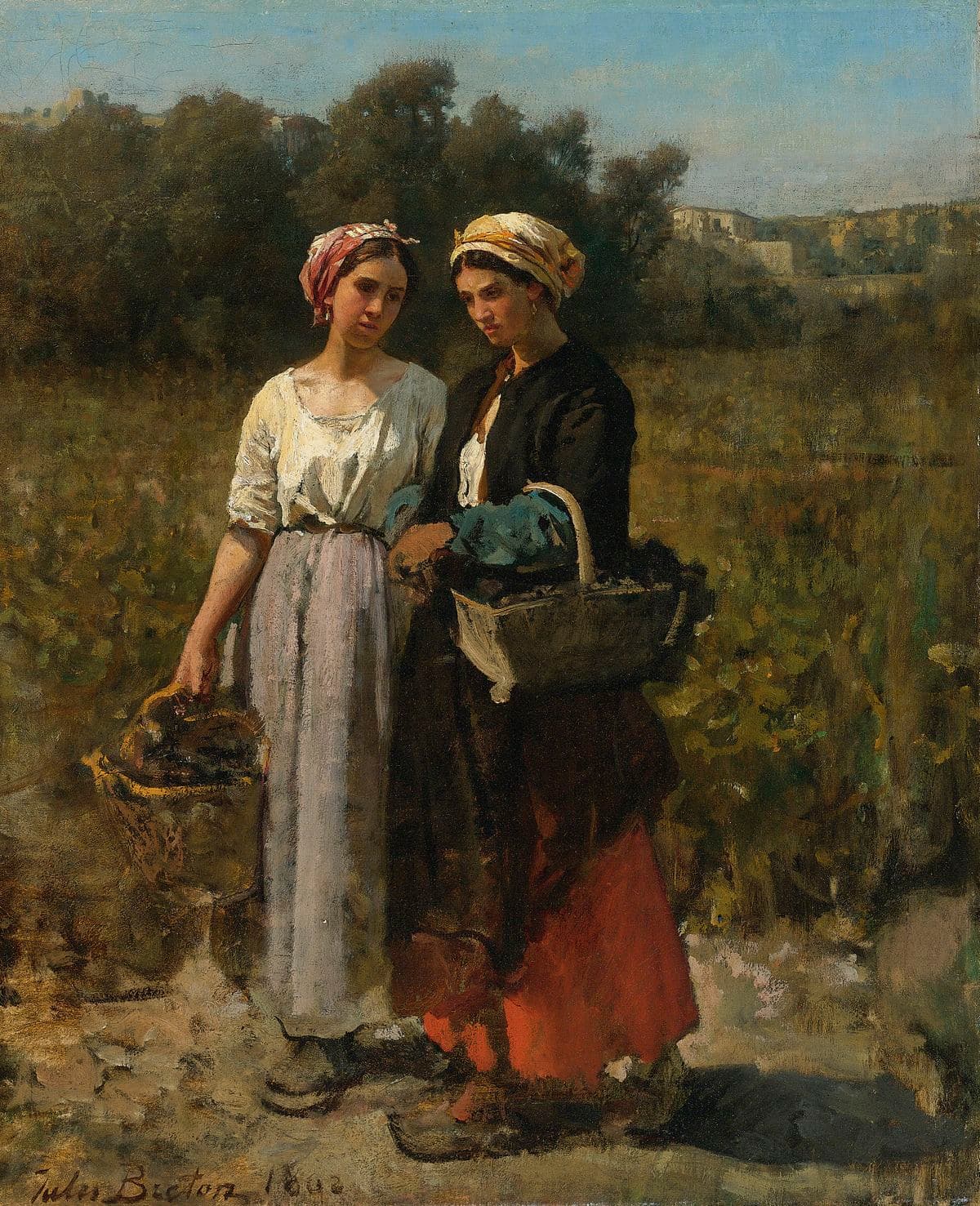
Jules Breton dedicated his career to depicting the dignity and quiet beauty of rural French life. This head study of a peasant woman reflects his lifelong commitment to portraying the people of his native Pas-de-Calais region. Breton combined realistic observation with an idealized, almost classical sensibility that gave his subjects a timeless quality.
Breton was deeply admired by his contemporaries. Vincent van Gogh walked 85 kilometers on foot from Mons to Courrières hoping to meet him, though he turned back at Breton's gate, intimidated. Van Gogh's brother Theo later acquired several of Breton's works. First Lady Eleanor Roosevelt named Breton's "Song of the Lark" as her favorite painting and declared it "the most beloved work of art in America" after a Chicago newspaper contest.
This portrait hangs at the Palais des Beaux-Arts de Lille in northern France, near the region that inspired so much of Breton's work. For those drawn to women in art, Breton's sensitive portrayals offer a distinctive perspective on 19th-century French painting.