Wikimedia Commons • Public Domain
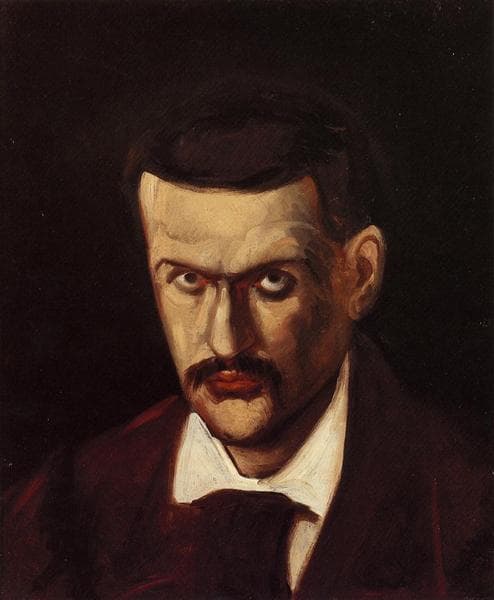
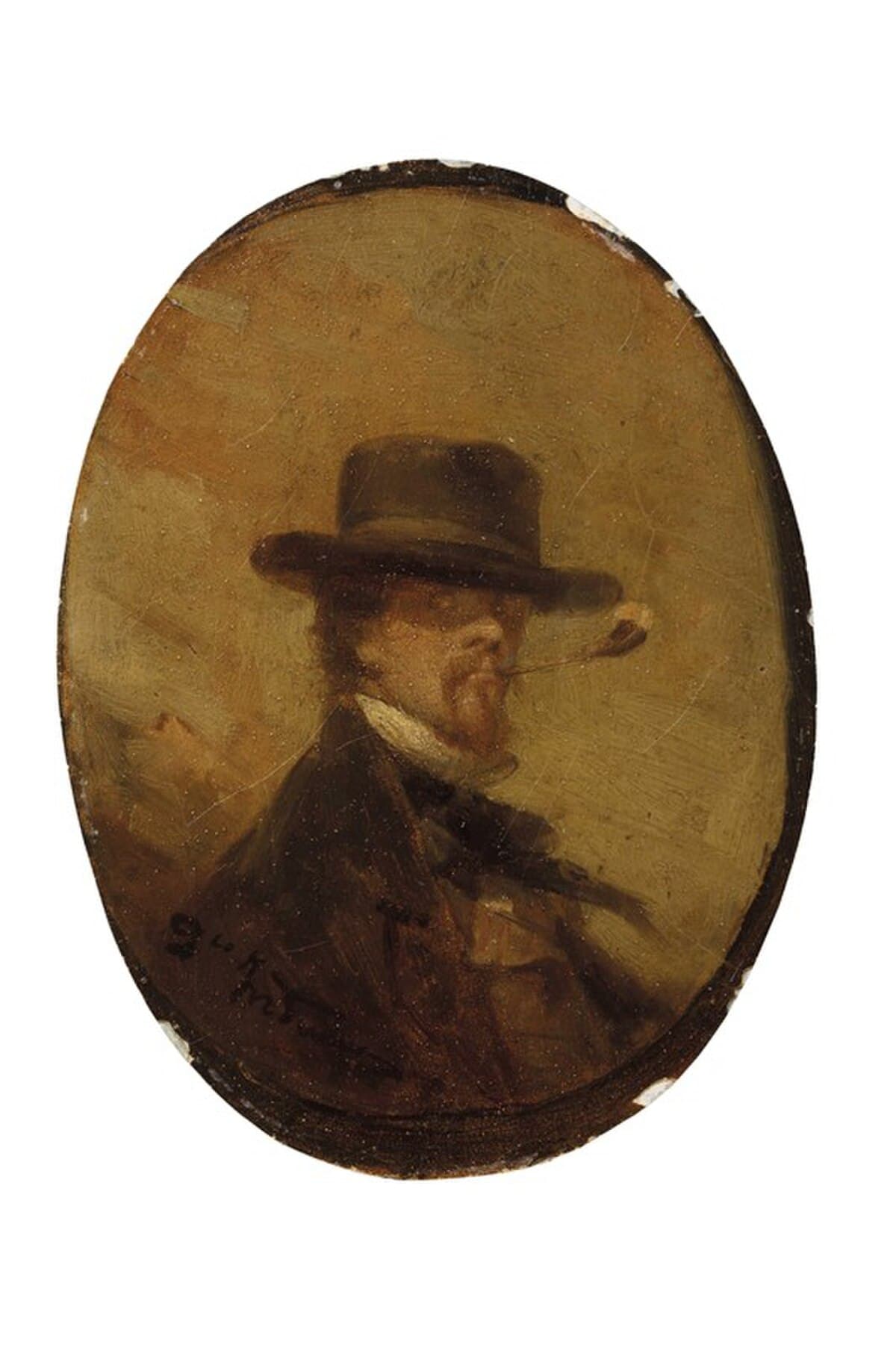
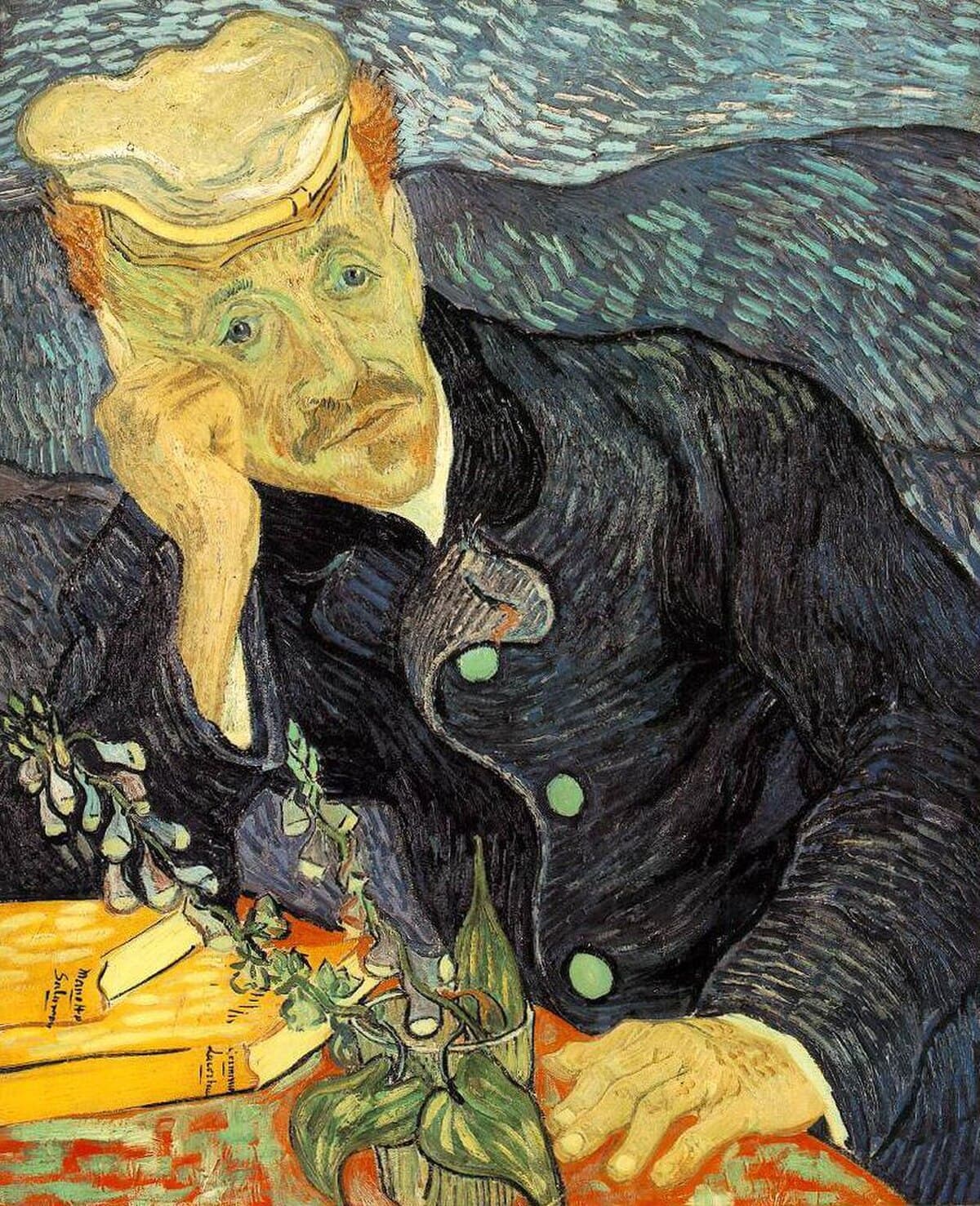
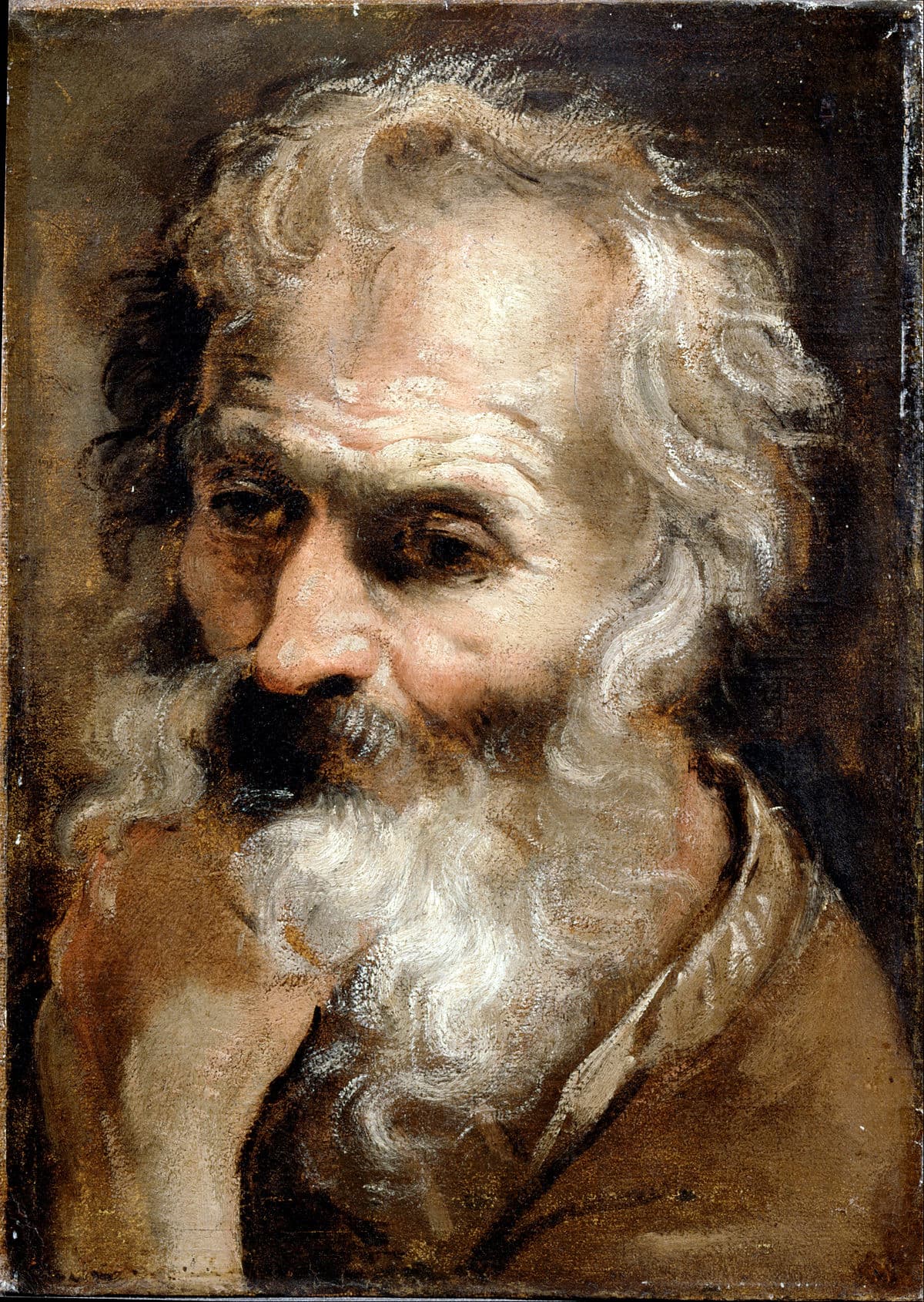
Head of an Old Man
by Paul Cézanne
Artwork Details
Paul Cézanne composed this portrait around 1866, during what scholars call his "dark period." The work predates the radical landscapes and still lifes that would later influence Cubism and modern art. Here, the young Cézanne works in a Romantic idiom with darker tones and more dramatic handling than his mature Post-Impressionist style.
The portrait measures 51 x 48 cm and demonstrates Cézanne's early engagement with traditional portraiture before he developed his distinctive approach to form and color. His later work would break down objects into geometric planes, but this piece shows him still absorbing the lessons of the Old Masters and the Realist painters he admired.
The painting hangs at the Musée d'Orsay in Paris, which holds important examples from throughout Cézanne's career. For those interested in seeing how a radical artist developed, these early works provide essential context for understanding his later innovations.