Wikimedia Commons • Public Domain
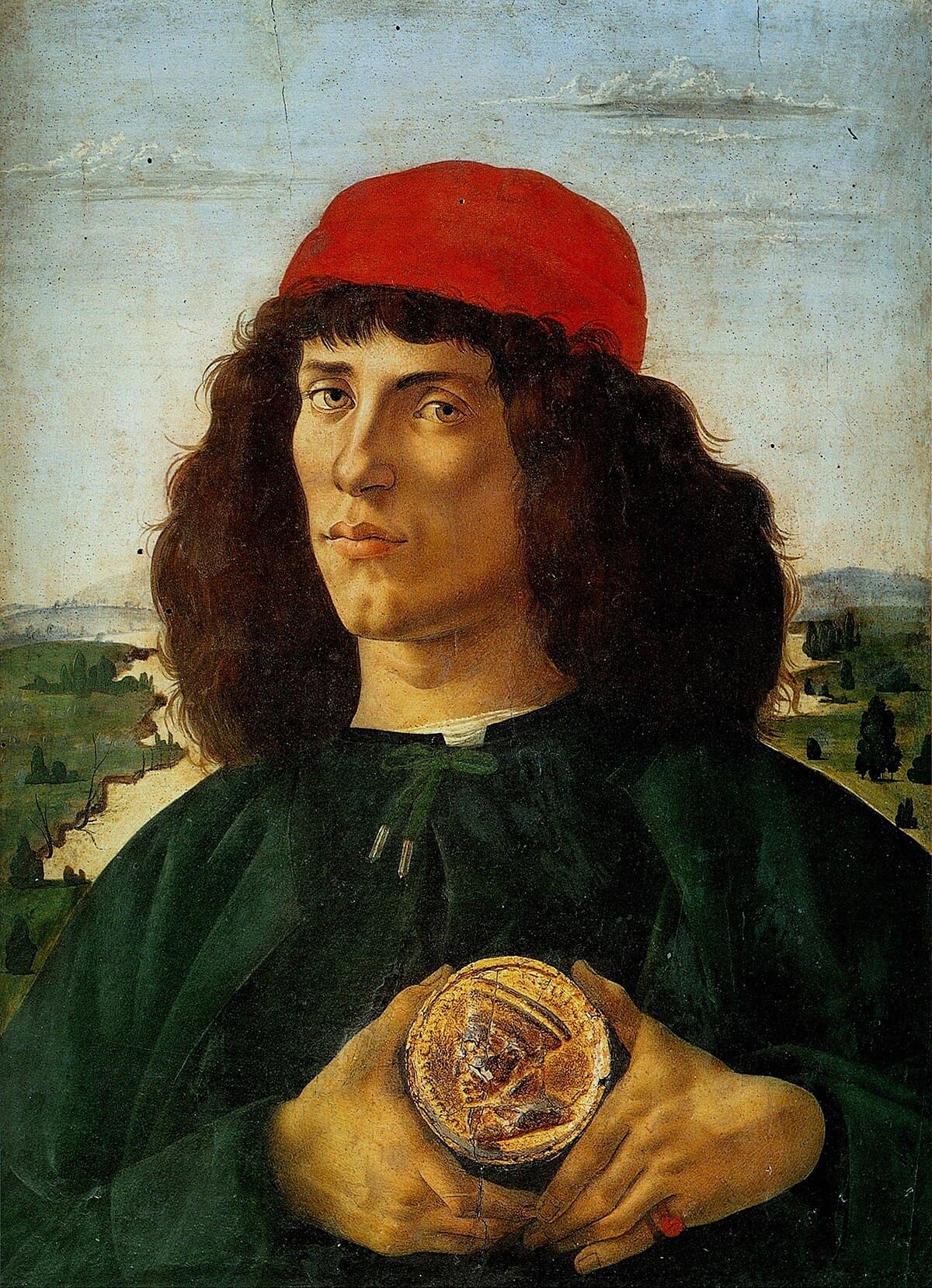
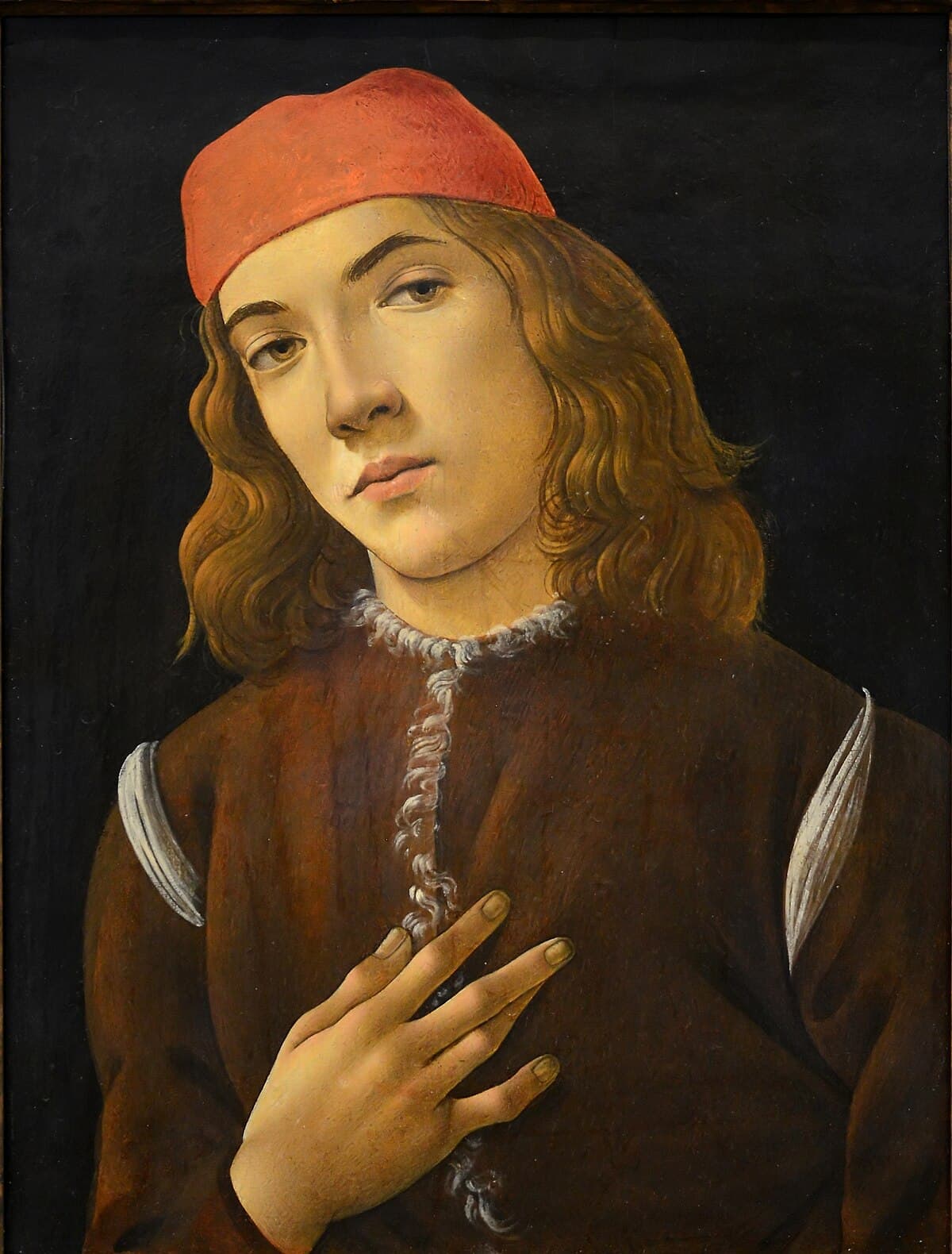
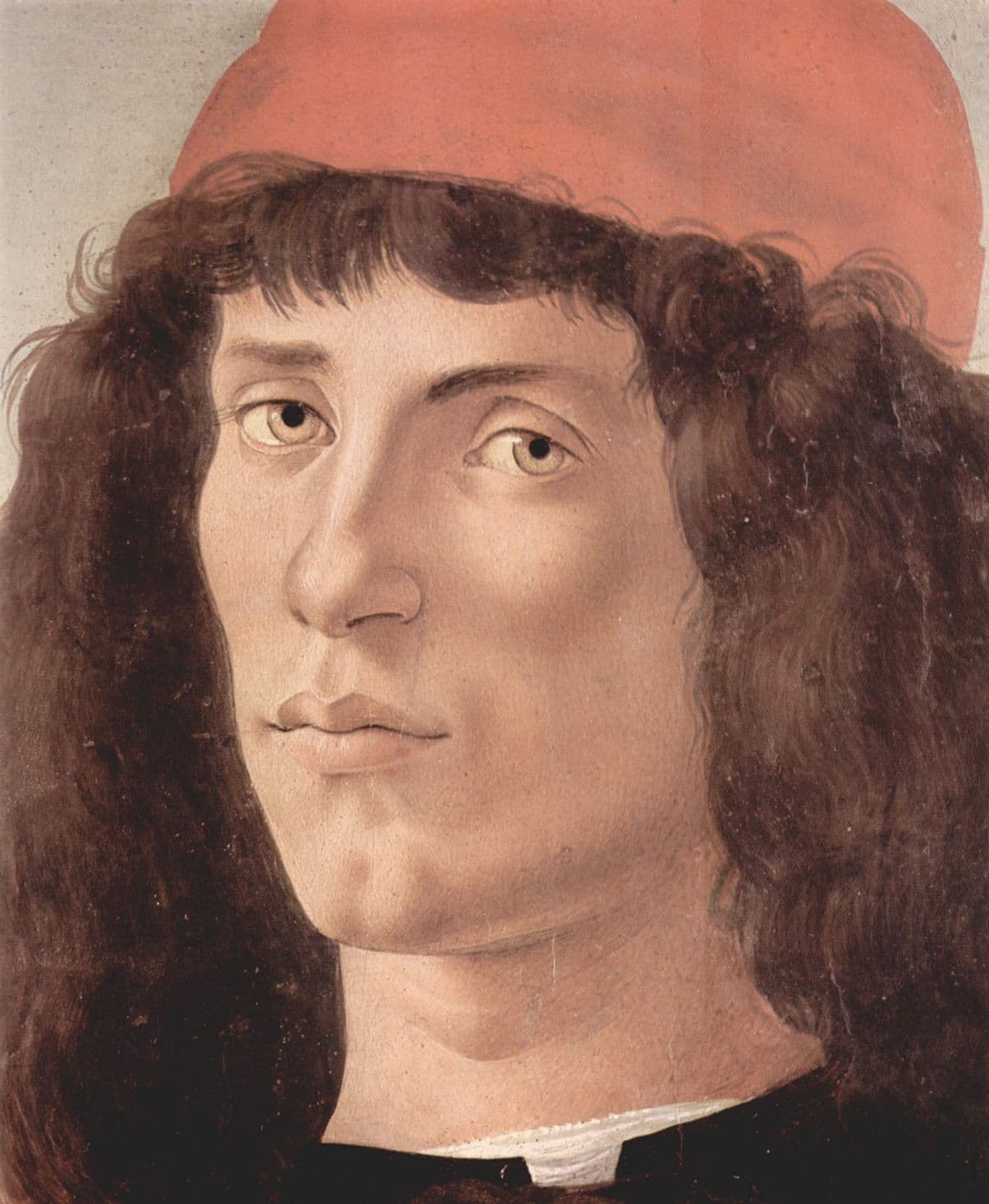
Portrait of a young man with red cap
StyleRenaissance
GenrePortrait
Artwork Details
Cite or Embed This Work
APA · MLA · Chicago1-click academic citation and embeddable “On View” museum badge for articles, syllabi, and research.
Sandro Botticelli executed this small but significant portrait around 1483, depicting a boy dressed simply in brown with dark blond curls escaping from beneath his red cap. The tempera on panel measures 51 by 36 centimeters and represents a radical departure from conventional portrait formats of the time.
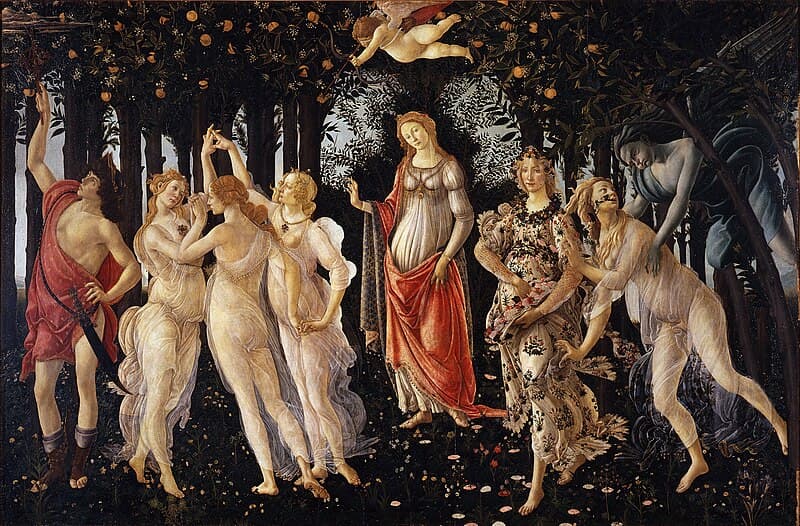
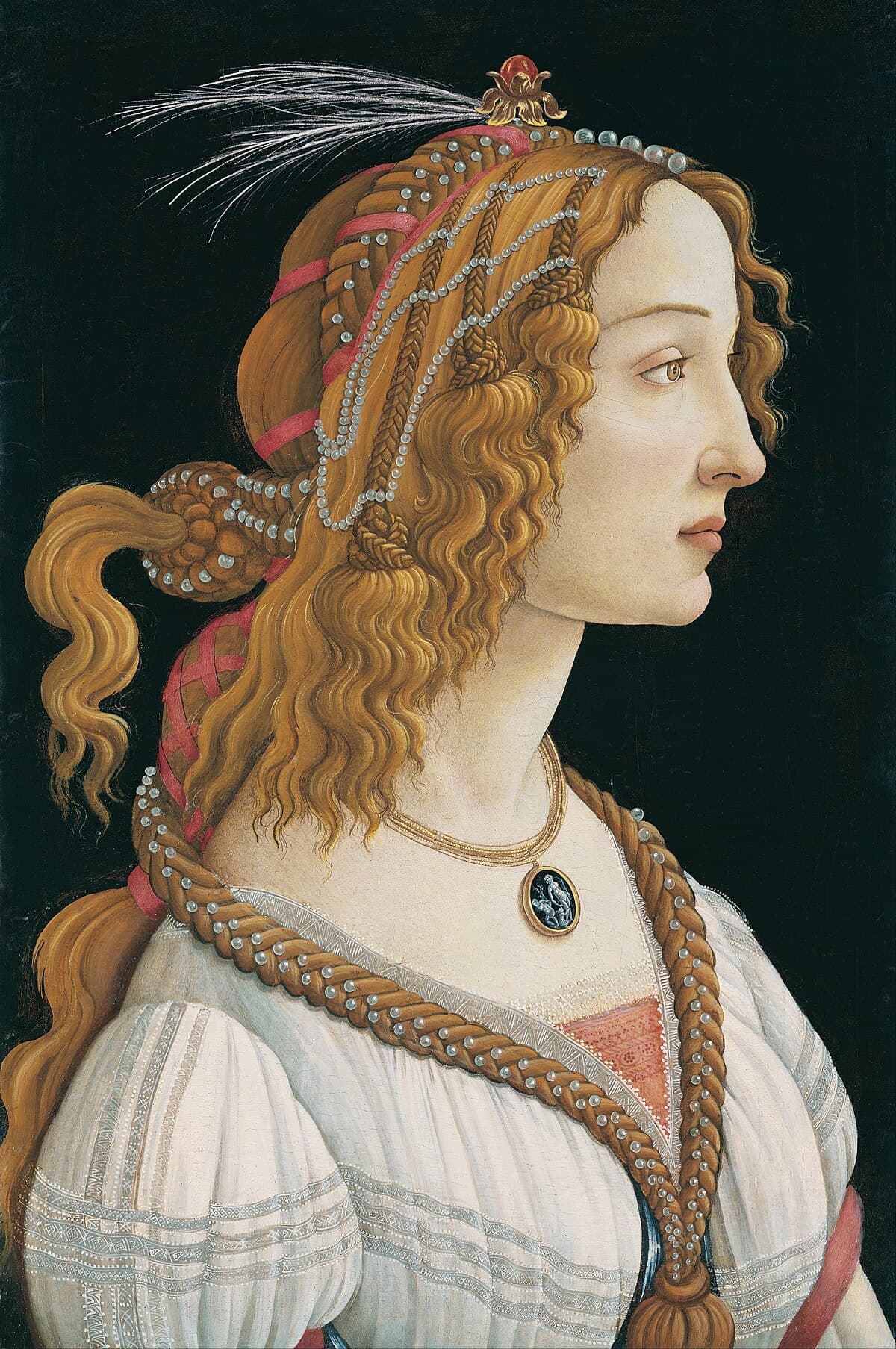
Most fifteenth-century portraits showed subjects in profile. Images of the whole face were reserved for devotional "portraits" of Christ used in private prayer. Botticelli broke this convention by depicting the young man head-on, his shoulders parallel to the picture's edges. His features are individual yet resemble Botticelli's idealized male type, particularly Mars in his painting Venus and Mars.
Renaissance philosophy held that outer beauty reflected inner virtue. The philosopher Marsilio Ficino wrote in 1469 that internal perfection produces the external. This portrait at the National Gallery in London shows Botticelli creating an eternal memorial to a youth who is both good and beautiful, though his identity remains unknown.