Wikimedia Commons • Public Domain
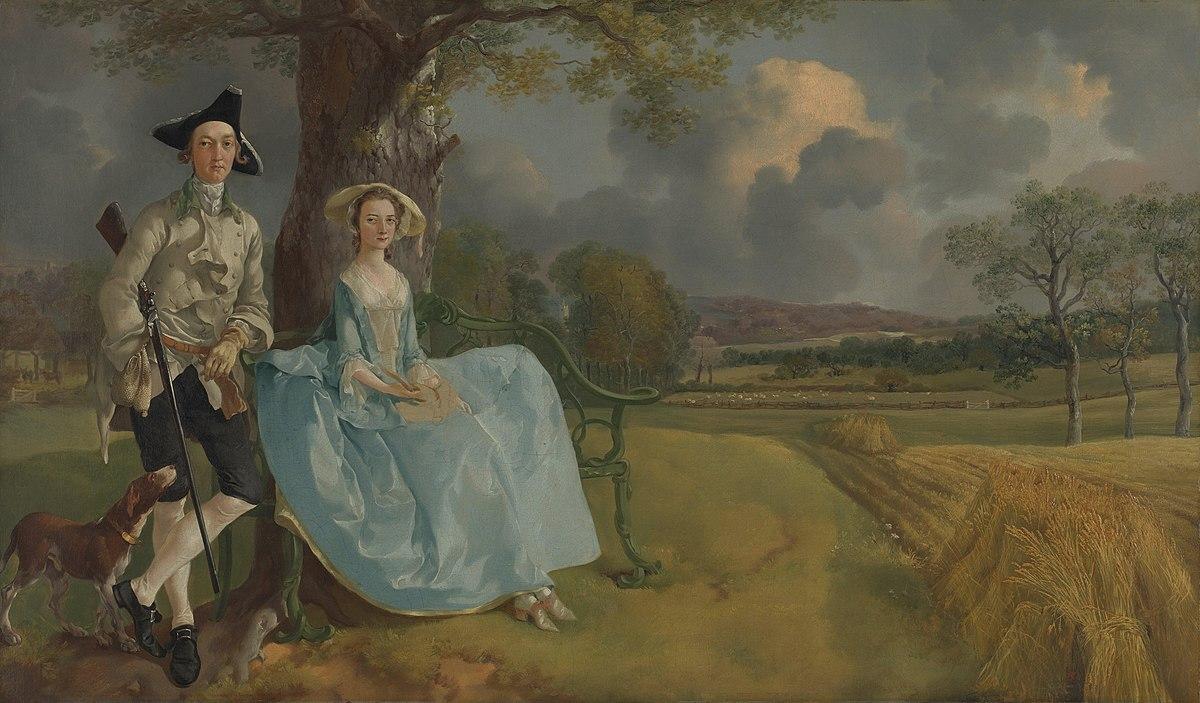
Mr. and Mrs. Andrews
StyleRococo
Artwork Details
Cite or Embed This Work
APA · MLA · Chicago1-click academic citation and embeddable “On View” museum badge for articles, syllabi, and research.
British artist Thomas Gainsborough painted this portrait around 1750, when he was about twenty-three years old. Robert Andrews and his wife Frances sit at the edge of their Suffolk estate, their land stretching behind them toward the churches where they worshipped and married. By 1750, Robert owned nearly 3,000 acres.
The painting has been called a "triple portrait" of the couple and their land. Gainsborough positioned them unusually on the far left, giving the landscape equal prominence. An unpainted patch on Mrs. Andrews's lap remains mysterious. Some speculate it was reserved for a pheasant her husband shot, others for a baby. The couple eventually had nine children.
The work stayed in the Andrews family until 1960 and was little known before appearing in an Ipswich exhibition in 1927. Today it's one of Gainsborough's most famous works, hanging at the National Gallery in London. The ornate carved and gilded frame features curling scrolls of leaves and shells.
More by Thomas Gainsborough
View all →A
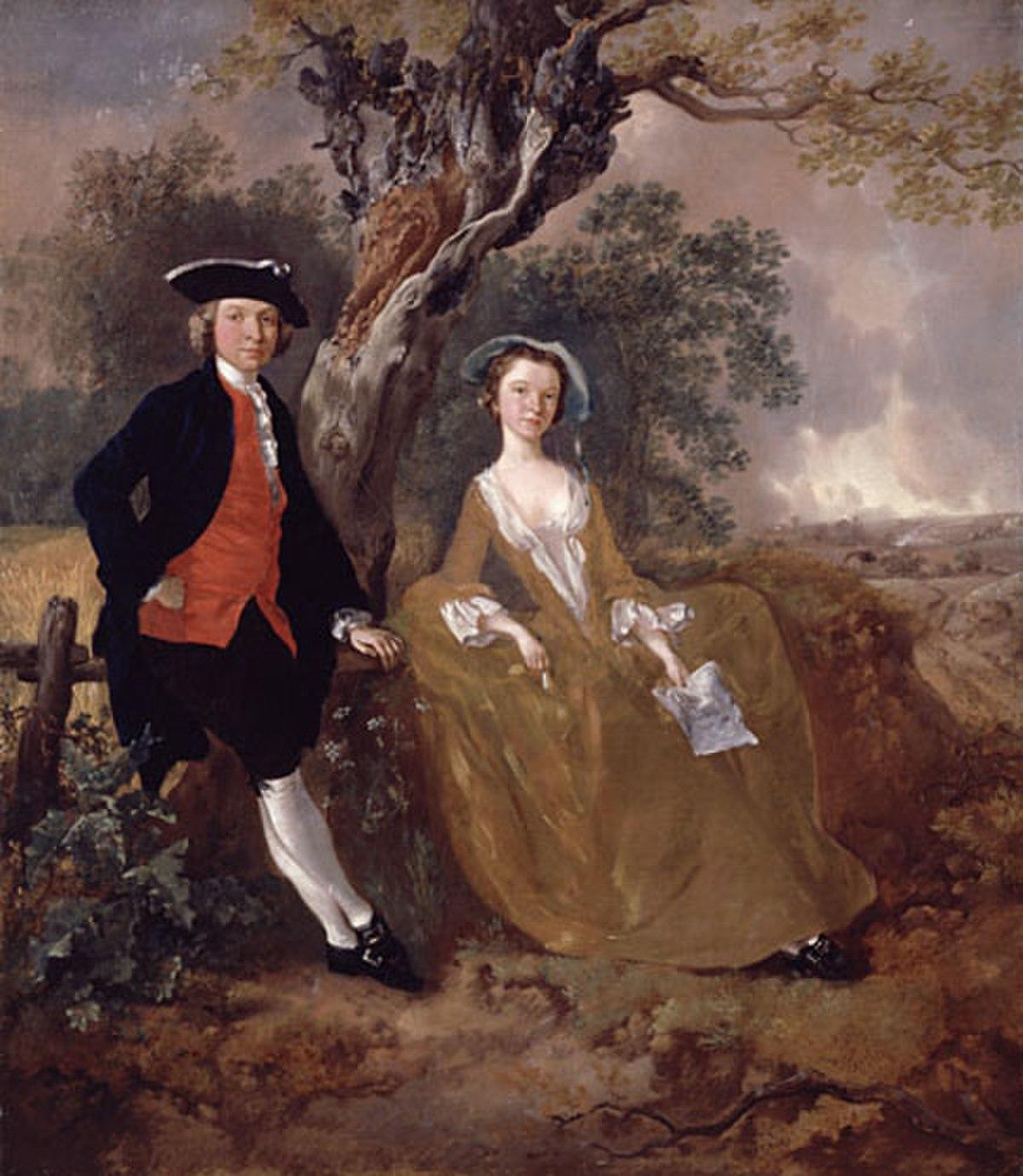
An Unknown Couple in a Landscape
Thomas Gainsborough
Dulwich Picture Gallery, London
S
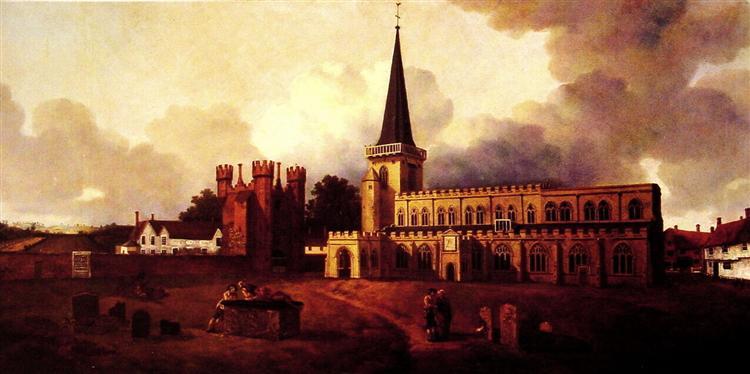
St. Mary's Church Hadleigh
Thomas Gainsborough
Private Collection, Unknown
M
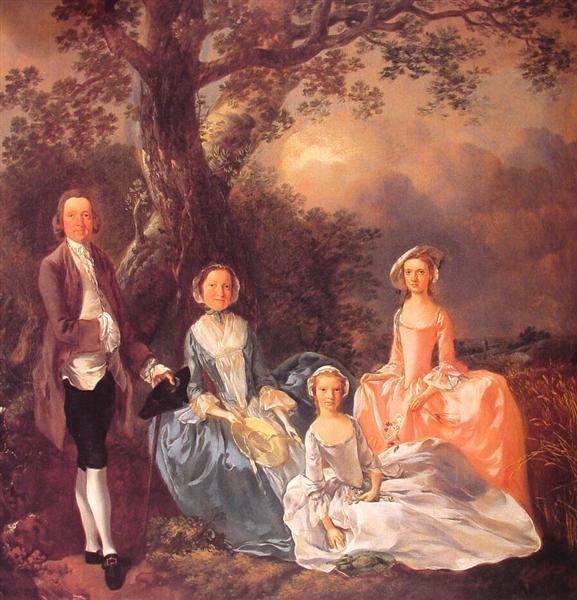
Mr. and Mrs. John Gravenor and their Daughters, Elizabeth and Ann
Thomas Gainsborough
Yale Centre For British Art (Yale University), New Haven, CT, New Haven
L
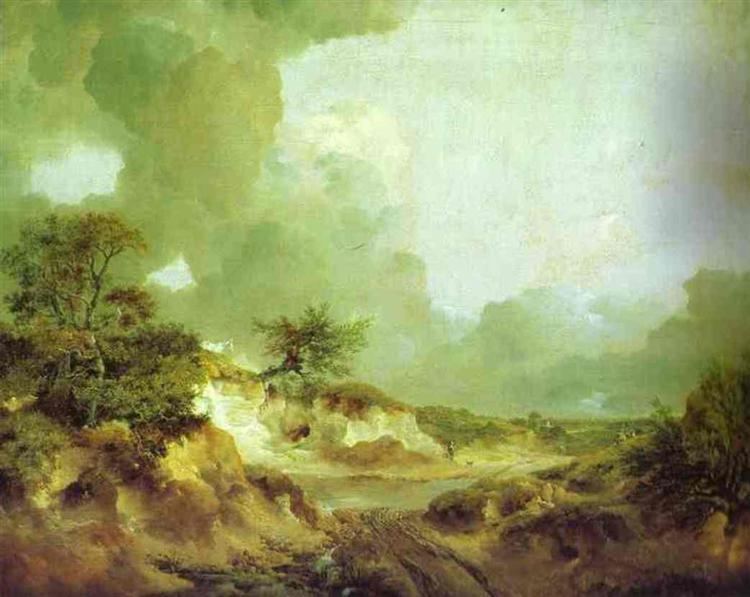
Landscape with Sandpit
Thomas Gainsborough
Private Collection, Unknown
Also at National Gallery
View all →T
The Piazza San Marco towards the Basilica
Francesco Guardi
National Gallery, London
T
The Japanis Bridge (Footbridge over the Water-Lily Pond)
Claude Monet
National Gallery, London
J
Jesus Christ s Body Carried to the Tomb
Rembrandt van Rijn
National Gallery, London
M
Miraculous Draught of Fishes
Raphael
National Gallery, London
Related Works
Works that share an artist, movement, museum, genre, palette or theme with Mr. and Mrs. Andrews.
- Same artist
- Same movement
Cornard Wood, near Sudbury, Suffolk
Thomas Gainsborough
- Same artist
- Same movement
Forest (Cornard Wood)
Thomas Gainsborough
- Same artist
- Same movement
John Plampin
Thomas Gainsborough
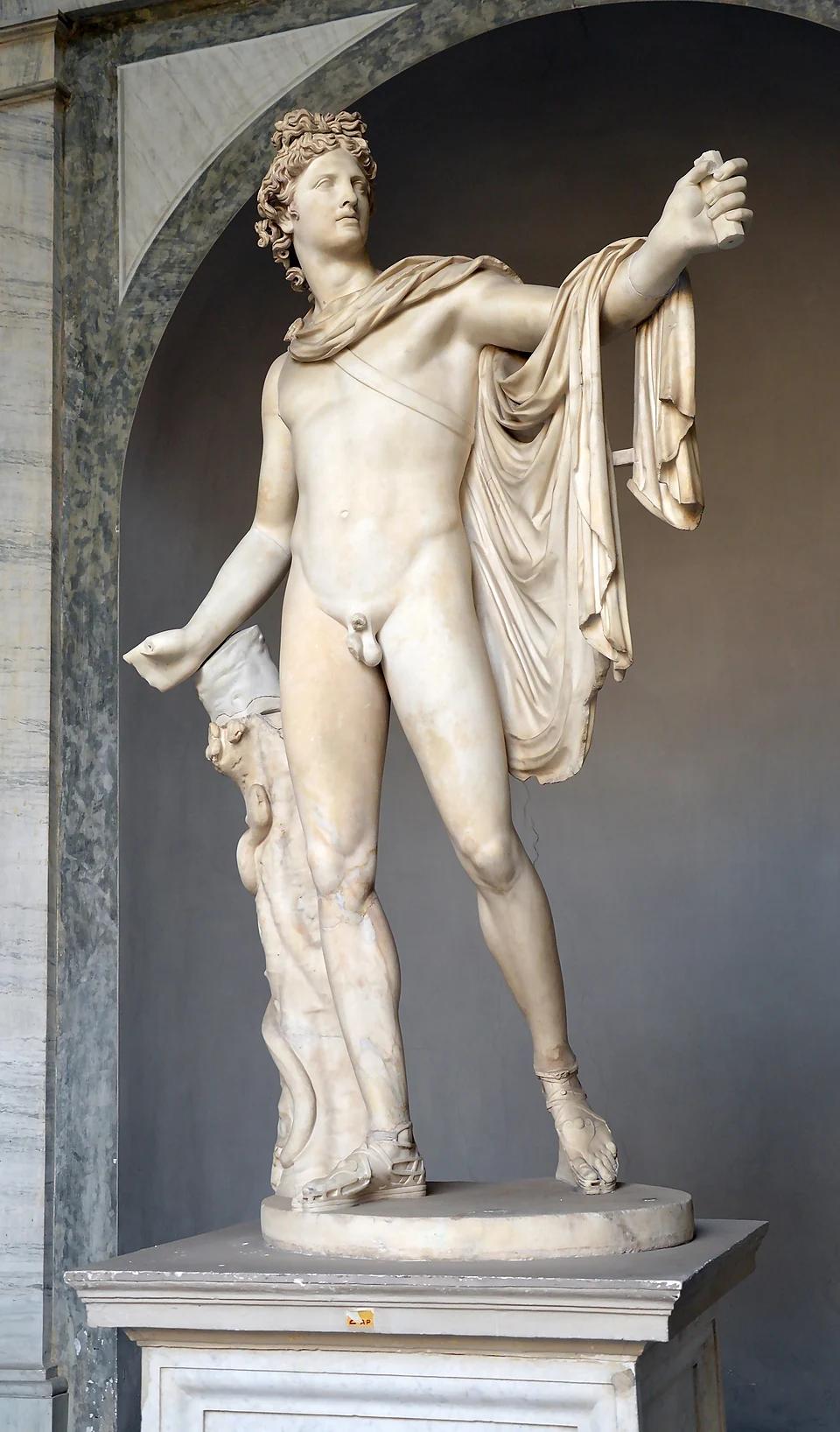
- Same movement
- Same museum
Portrait of Omai
Joshua Reynolds, 1776
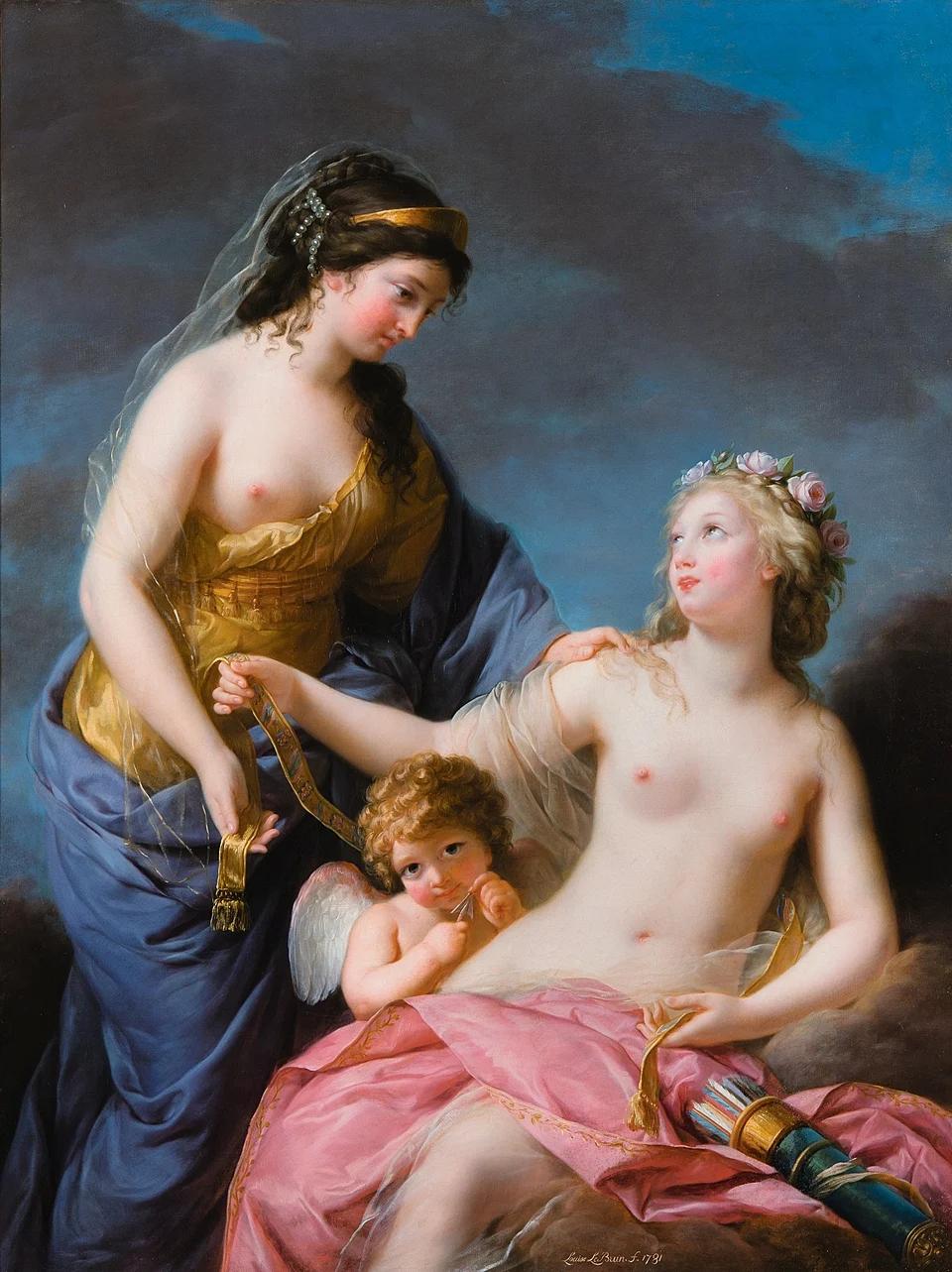
- Same movement
- Same museum
Self-Portrait in a Straw Hat
Élisabeth Vigée Le Brun, 1782
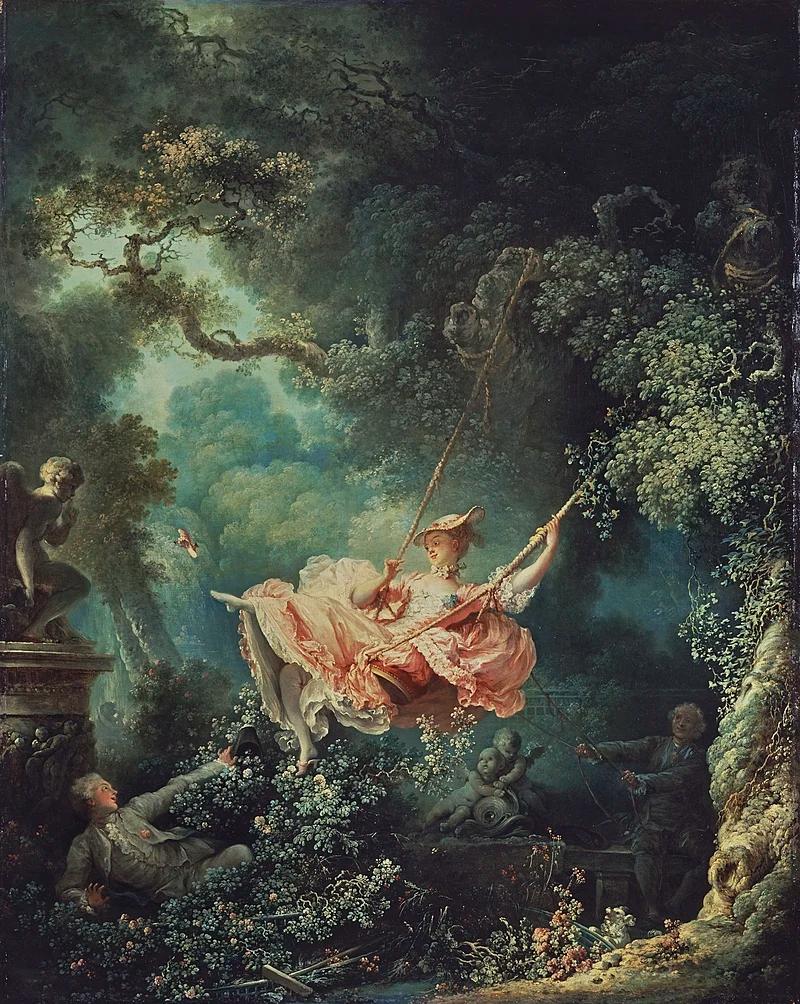
- Same movement
The Swing
Jean-Honoré Fragonard, 1767
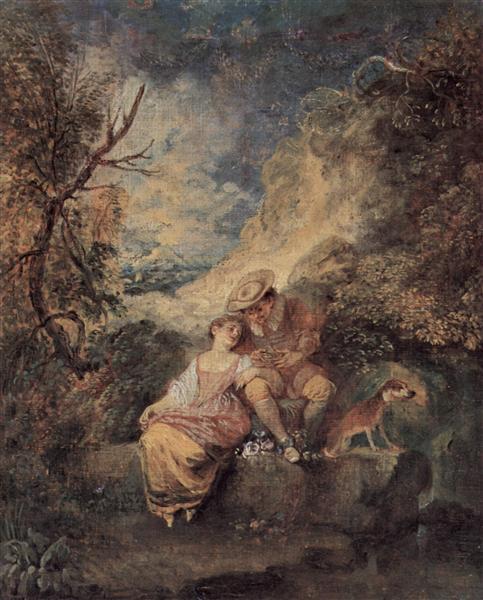
- Same movement
The Bird Nester
Jean-Antoine Watteau
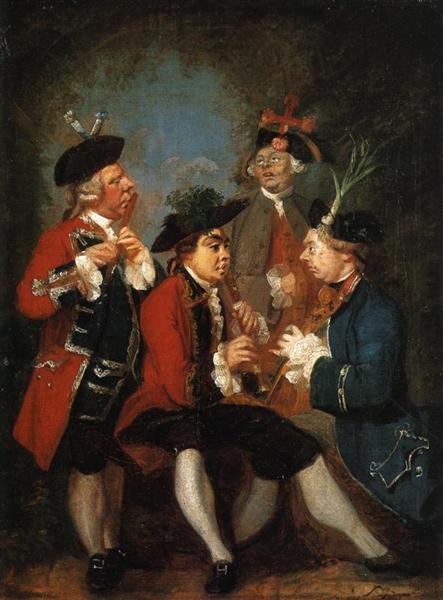
- Same movement
Sir Thomas Kennedy, James Caulfeild, Mr. Ward and Mr. Phelps
Joshua Reynolds
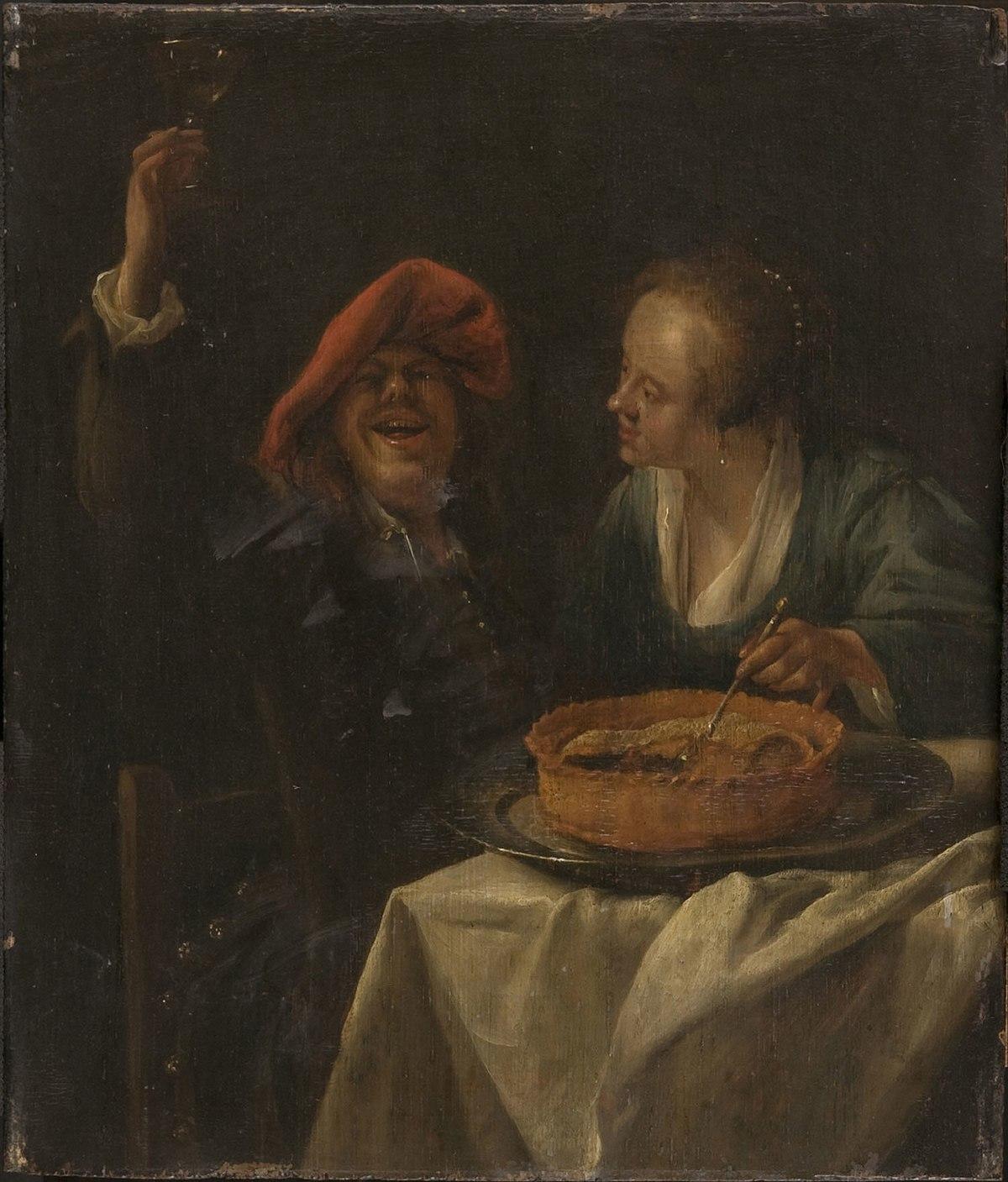
- Same movement
The Happy Lovers
Jean-Honoré Fragonard
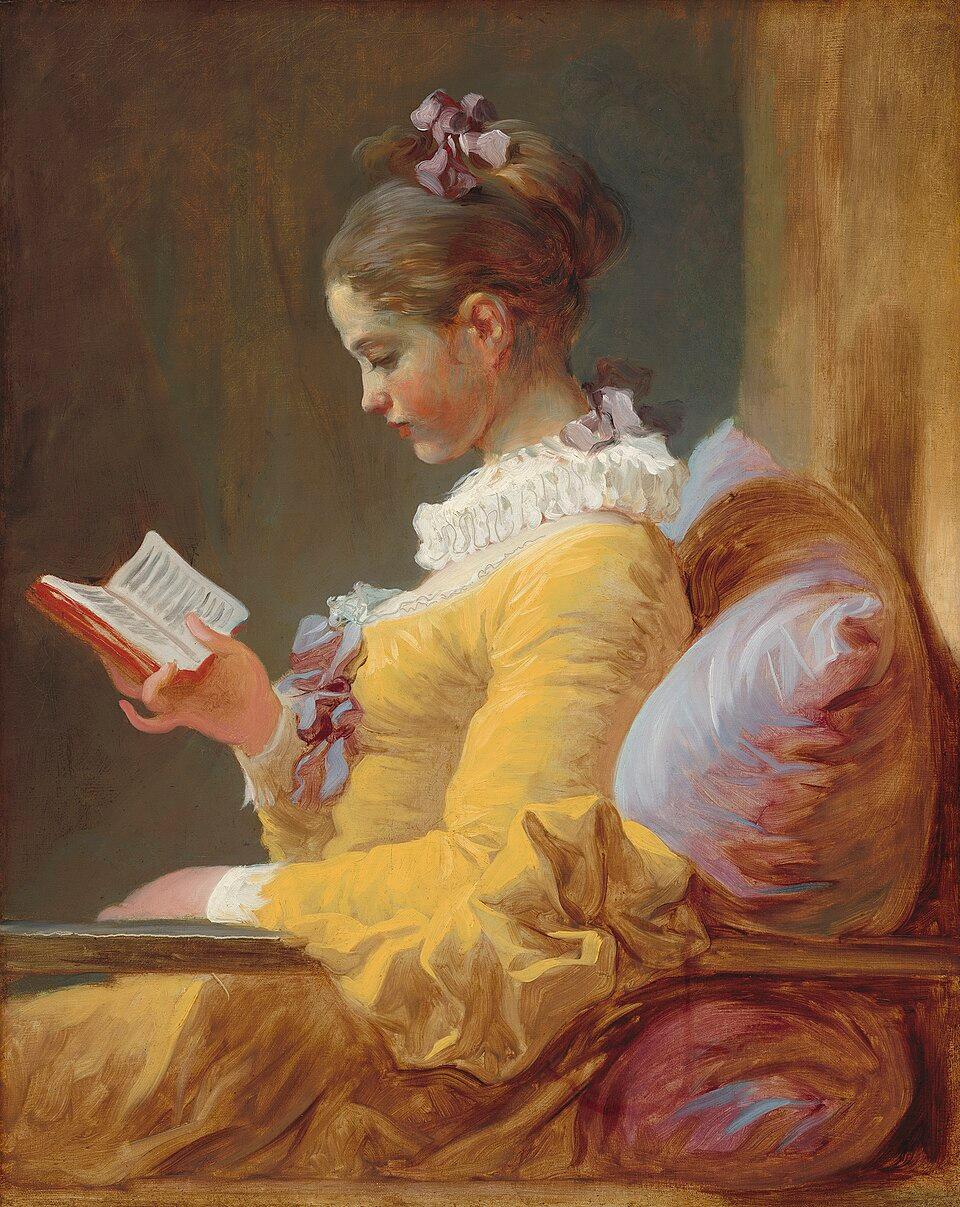
- Same movement
A Young Girl Reading
Jean-Honoré Fragonard, 1770
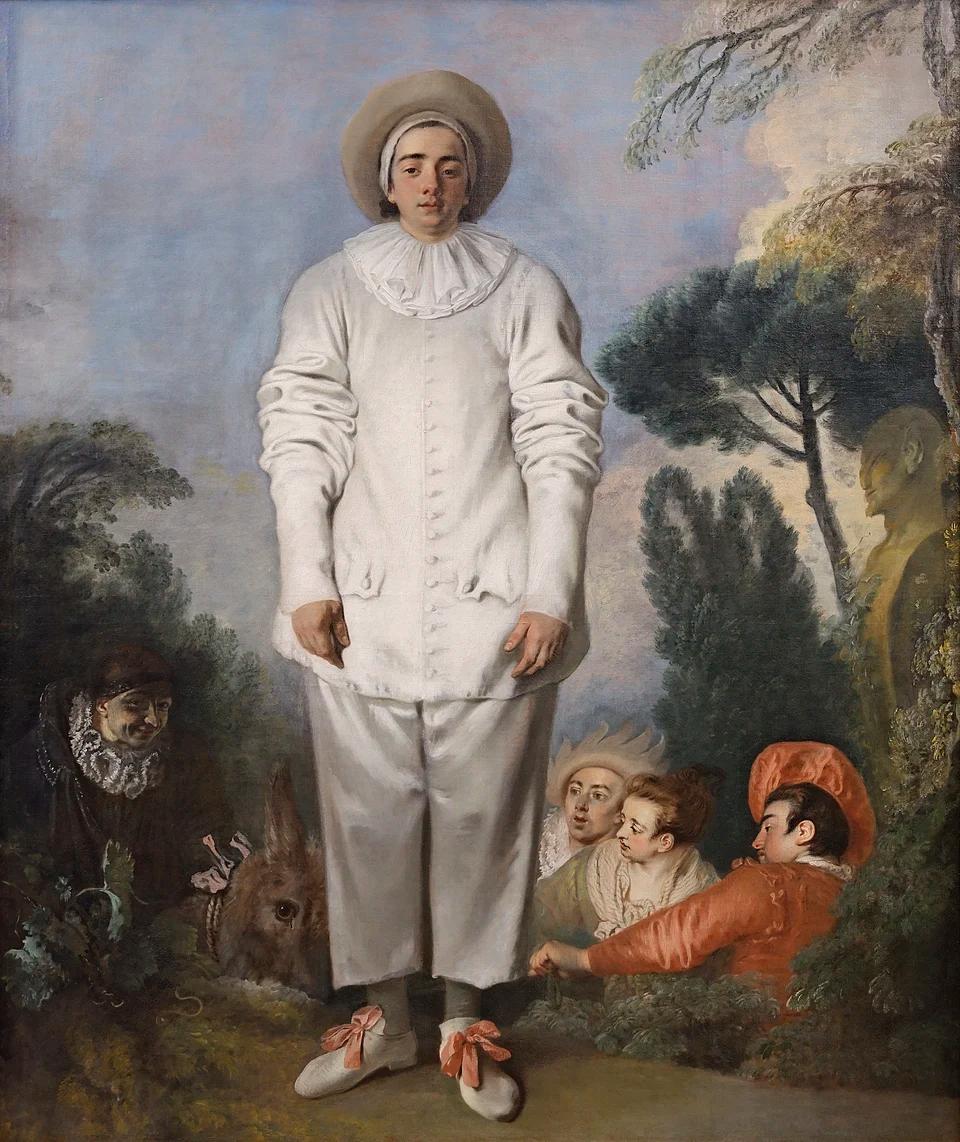
- Same movement
Pierrot (Gilles)
Jean-Antoine Watteau, 1719
- Same movement
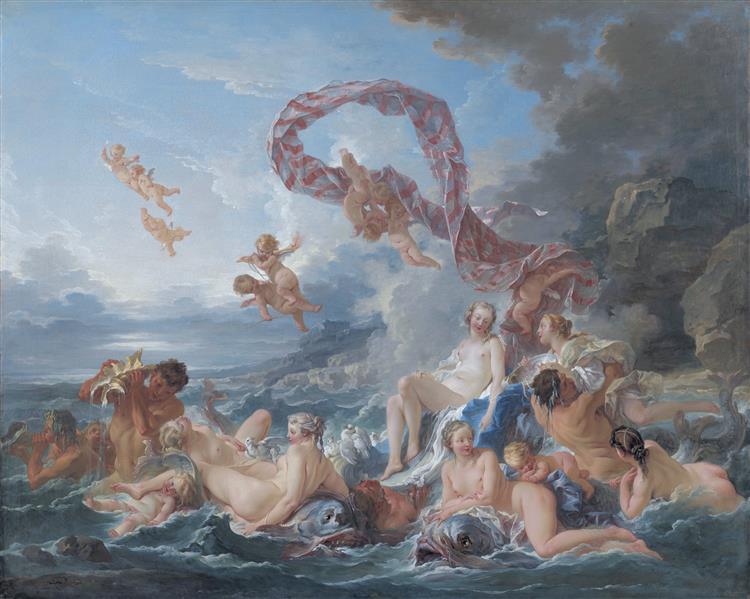
The Birth and Triumph of Venus
François Boucher
About Mr. and Mrs. Andrews
The painting hangs at the National Gallery in London. It measures approximately 70 x 120 cm in its ornate gilded frame.
Robert Andrews (1725-1806) and Frances Andrews (c.1732-1780) were a wealthy Suffolk couple. They married when he was 22 and she was 16, eventually having nine children.
The unpainted area remains a mystery. Theories suggest Gainsborough planned to add a pheasant her husband shot, or a baby, as their first child was born in 1751.
The painting stayed in the Andrews family until 1960. It was rarely exhibited before 1927 and only became iconic in the post-war years.
Own Art Like This
Luxury wall art with the same mood and energy. Gallery-quality canvas, no museum crowds.
Browse Collection