Wikimedia Commons • Public Domain
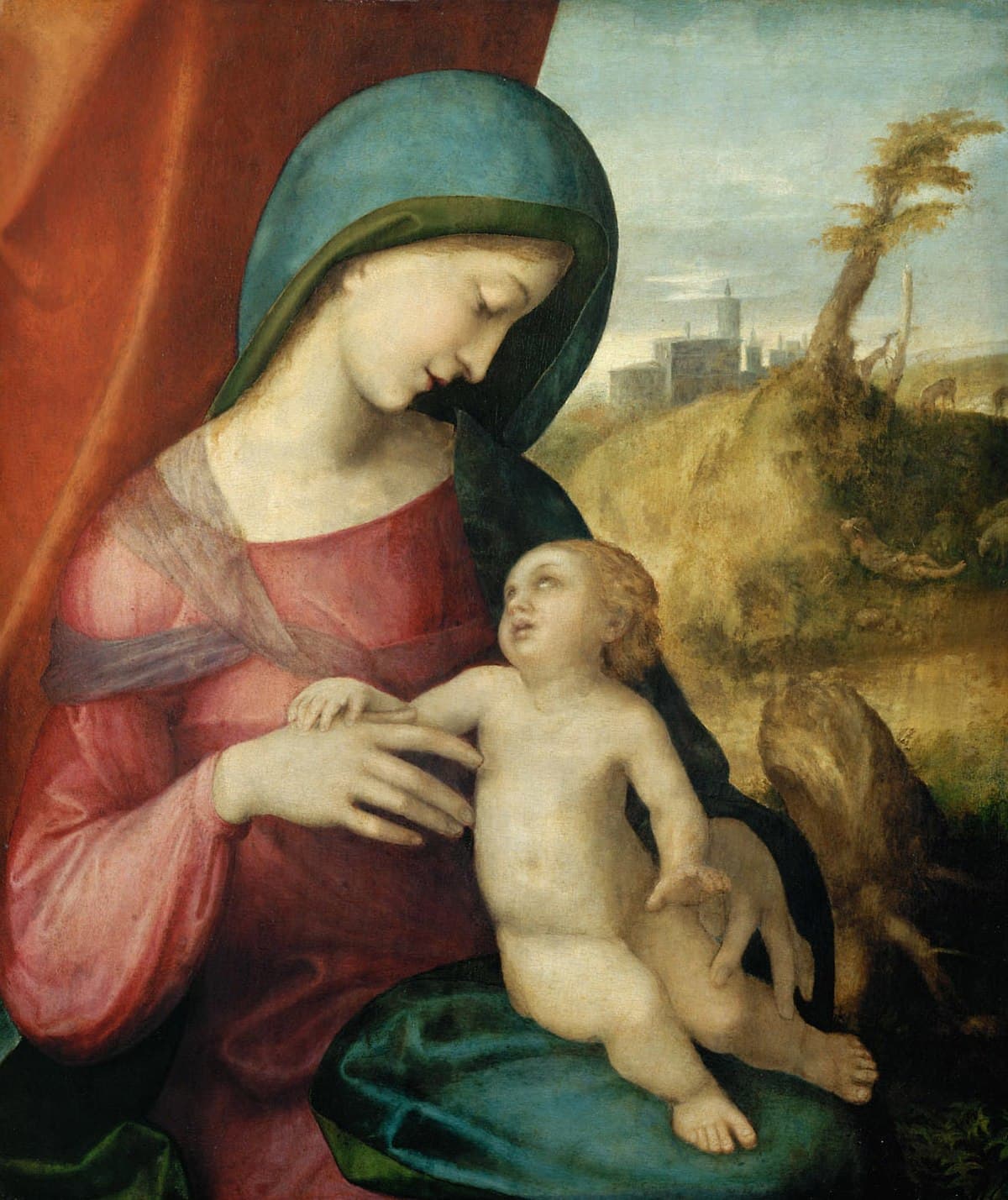
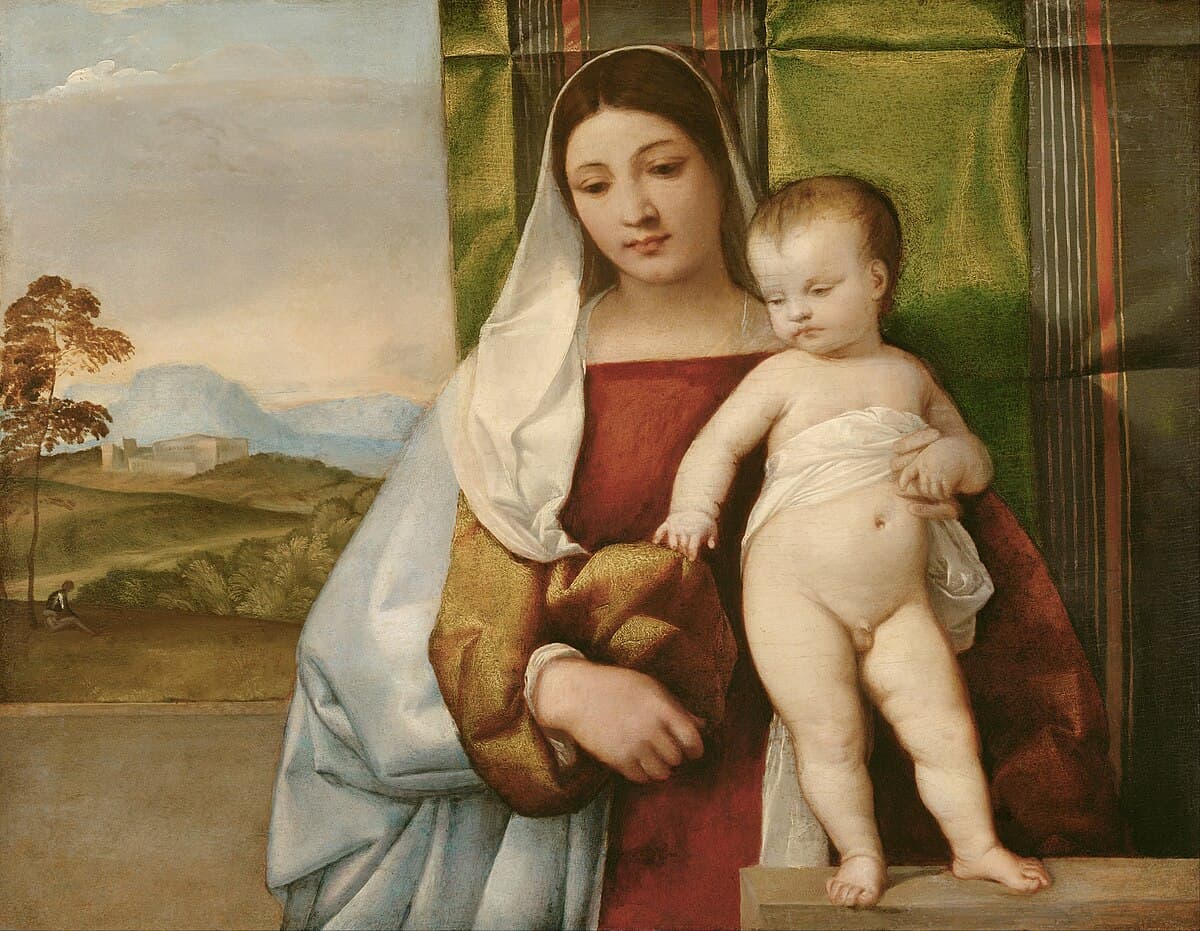
The Gipsy Madonna
by Titian
StyleRenaissance
GenreReligious
Artwork Details
Cite or Embed This Work
APA · MLA · Chicago1-click academic citation and embeddable “On View” museum badge for articles, syllabi, and research.
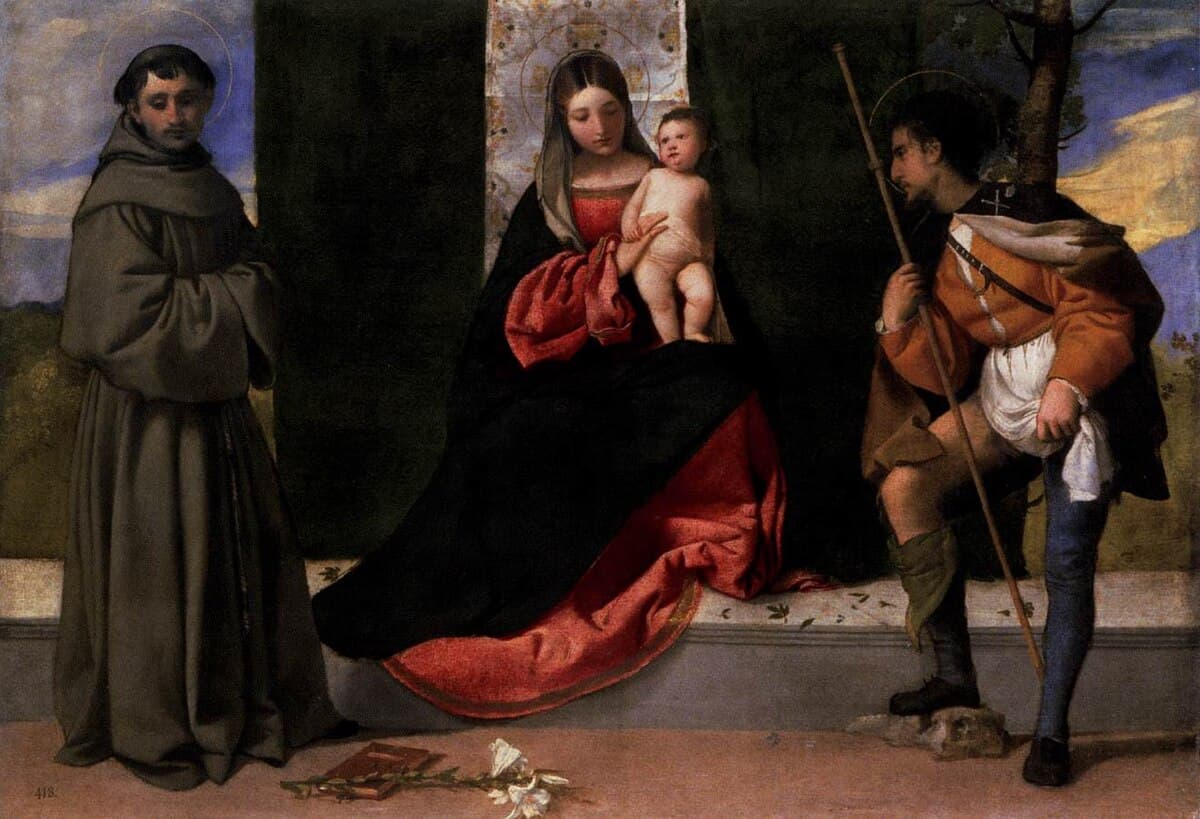
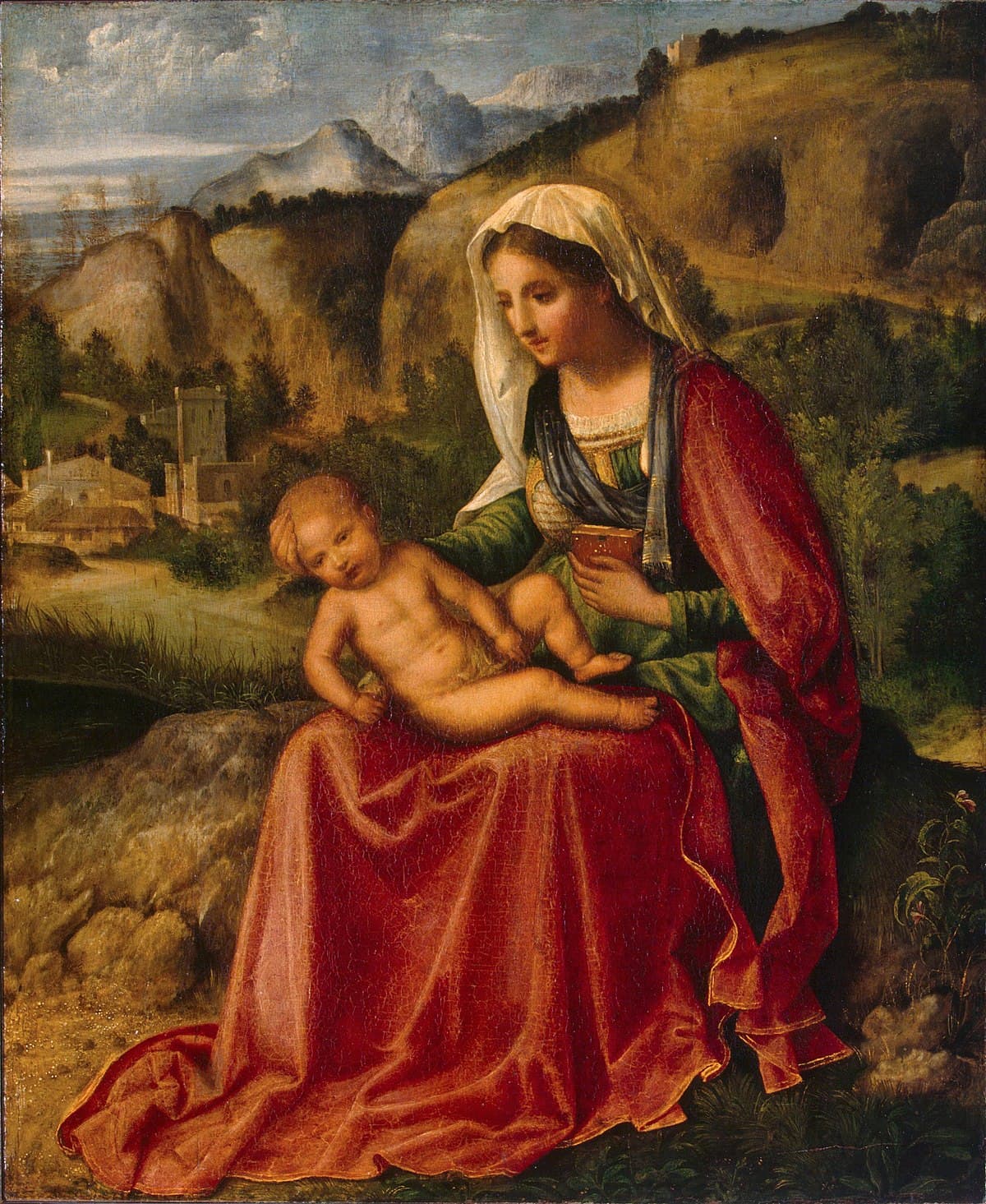
Titian painted the Gypsy Madonna around 1510-1511 during his early career, when he was still strongly influenced by his teacher Giorgione. The painting shows Mary holding the infant Christ against a landscape background, her face turned toward the viewer with an expression of gentle melancholy. The unusual title comes from Mary's warm, dusky complexion, which sixteenth-century viewers associated with Romani people.
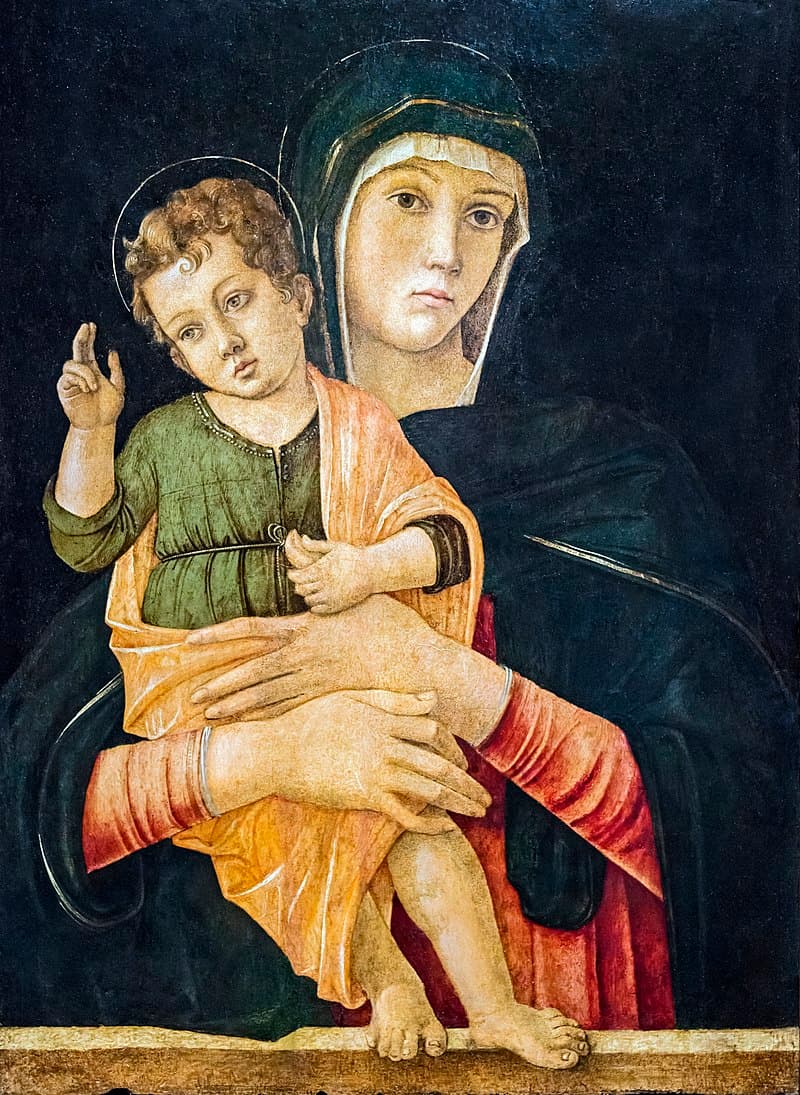
The work marks Titian's move away from the rigid symmetry of earlier Venetian painters like Giovanni Bellini. Mary sits off-center, with the landscape opening asymmetrically behind her. This compositional freedom would become characteristic of Titian's mature style. The background landscape appears virtually identical to that in the Dresden Venus, another early work associated with Giorgione's circle.
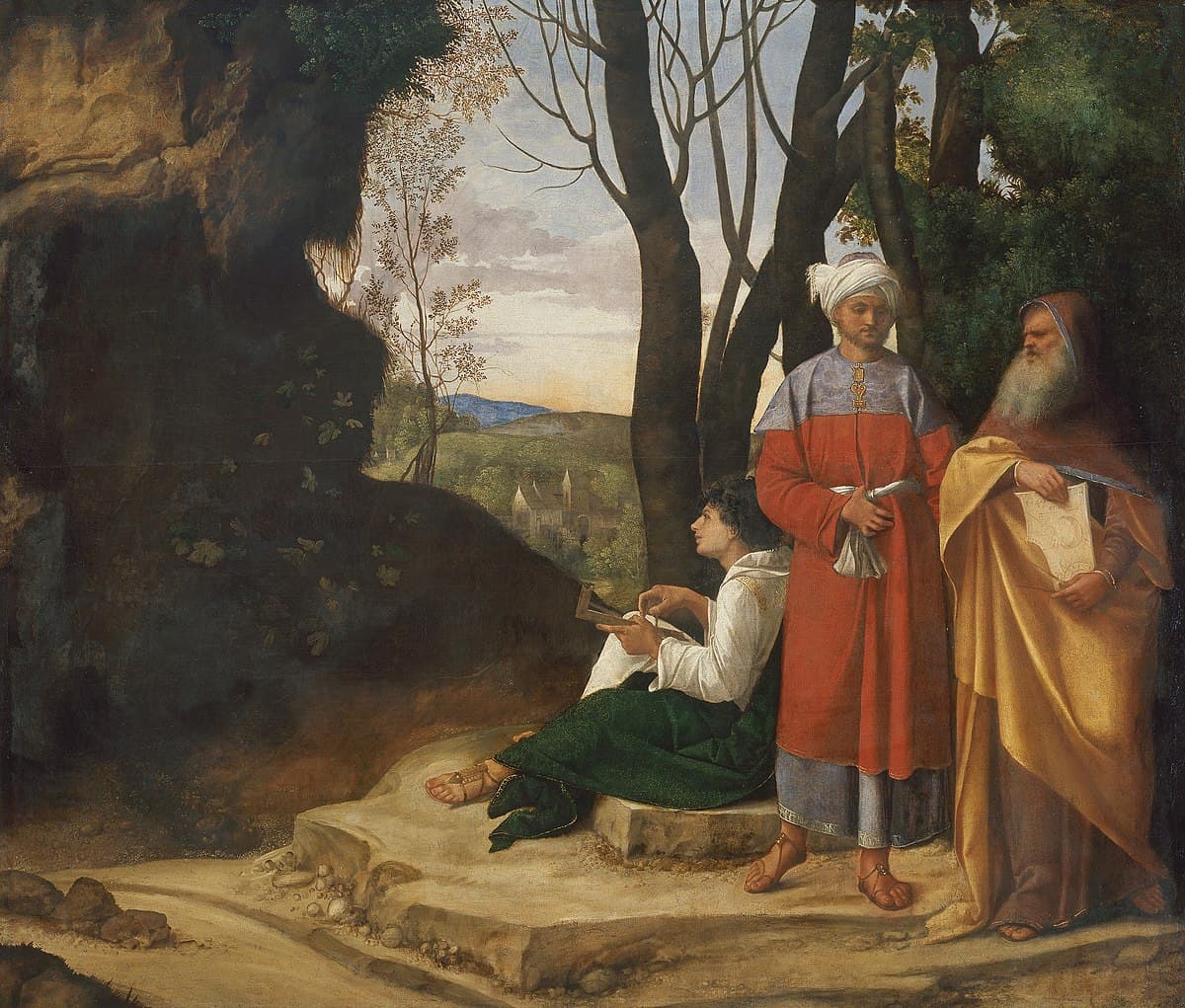
Scholars have long debated the painting's authorship. While now firmly attributed to Titian, the strong Giorgione influence means the work captures a moment when master and student were painting in nearly indistinguishable styles. The panel now hangs at the Kunsthistorisches Museum in Vienna, where it represents the origins of a career that would make Titian the greatest Venetian painter of the sixteenth century.