Francesco Furini
Italian·1603–1646
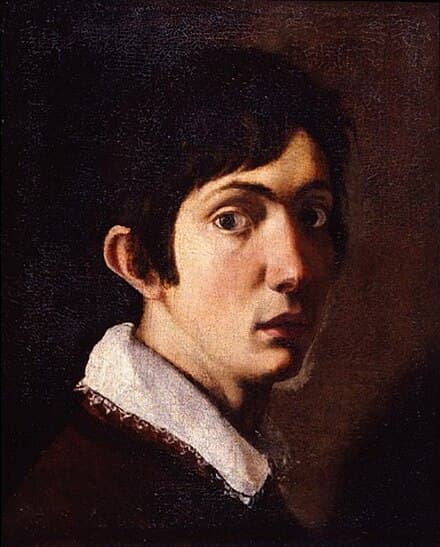
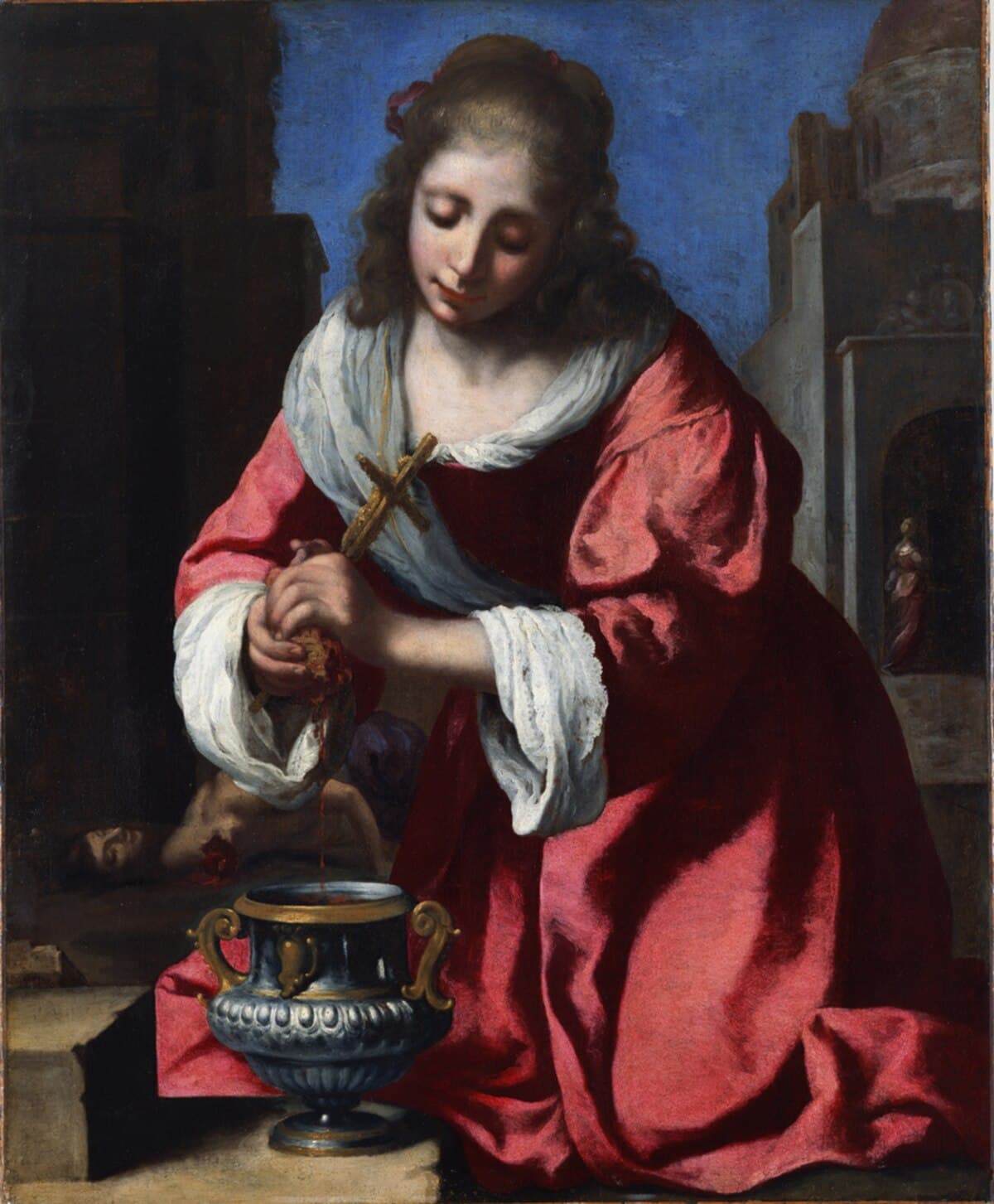
Baroque painter Francesco Furini (c. 1603-1646) created sensuous religious and mythological paintings that made him a leading figure in 17th-century Florence. Born into an artistic family (his father Filippo was a portrait painter, his sister Alessandra also painted, and another sister sang at the Medici court), he learned drawing basics at home before training with Matteo Rosselli.
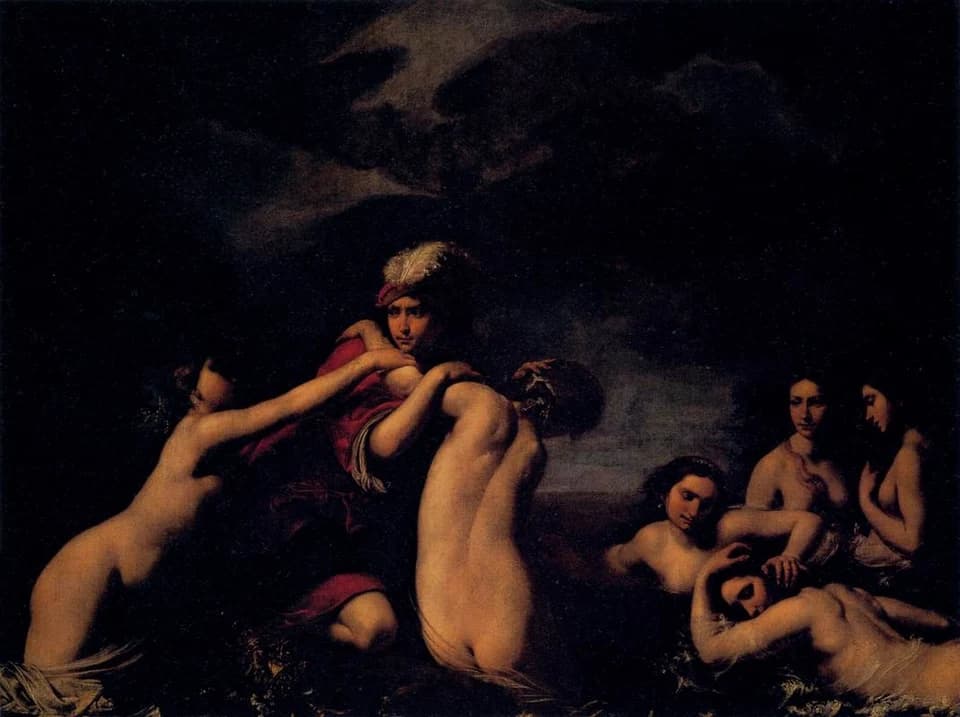
Furini traveled to Rome in 1619, where he worked in the studio of Bartolomeo Manfredi, the leading follower of Caravaggio. There he befriended Giovanni da San Giovanni, collaborating on frescoes at the Palazzo Pallavicini-Rospigliosi. Returning to Florence, he developed a distinctive style marked by soft sfumato modeling and idealized female figures. His nudes in paintings like Hylas and the Nymphs (1630) demonstrate the importance he placed on drawing from life. Galileo Galilei and Guido Reni were among his admirers.
In 1633, Furini took an unexpected turn: he became a parish priest in Sant'Ansano in Mugello. Yet he continued painting. Grand Duke Ferdinando II de' Medici commissioned frescoes for the Palazzo Pitti, which Furini completed between 1639 and 1642. The Platonic Academy of Careggi and Allegory of the Death of Lorenzo the Magnificent remain in the Silver Museum there. Furini died in Florence in 1646, just forty-three years old. The Uffizi Gallery holds paintings, including Hylas and the Nymphs. His pupils included Simone Pignoni. Furini was largely forgotten until scholars rediscovered him in the twentieth century.
Primary Genres
Notable Works by Francesco Furini
1 painting catalogued with museum locations
Museums with Francesco Furini's Work
1 museum displays Furini's works. Click any museum to see visiting info and the specific works they hold.
Related Artists
Other Baroque artists you might like
About Francesco Furini
Furini painted sensuous female figures in religious and mythological scenes. His soft sfumato technique and idealized nudes made him a leading Baroque painter in Florence.
The Uffizi Gallery holds Hylas and the Nymphs. Frescoes remain at the Palazzo Pitti's Silver Museum in Florence.
Furini was a Baroque painter who bridged Florentine Mannerist traditions and the new Roman style. He studied with followers of Caravaggio in Rome.
Yes. In 1633, Furini became a parish priest in Sant'Ansano in Mugello. He continued painting religious and mythological subjects while serving the church until his death in 1646.
Hylas and the Nymphs (1630) shows six female nudes surrounding the youth Hylas. The painting demonstrates Furini's skill at drawing from life and his characteristic soft modeling.
Galileo Galilei and Guido Reni were among Furini's admirers in Florence. Grand Duke Ferdinando II de' Medici commissioned important frescoes from him.
Love Francesco Furini's Style?
Explore art inspired by Baroque.
Browse Collection