Franz Marc
German·1880–1916
No Portrait Available
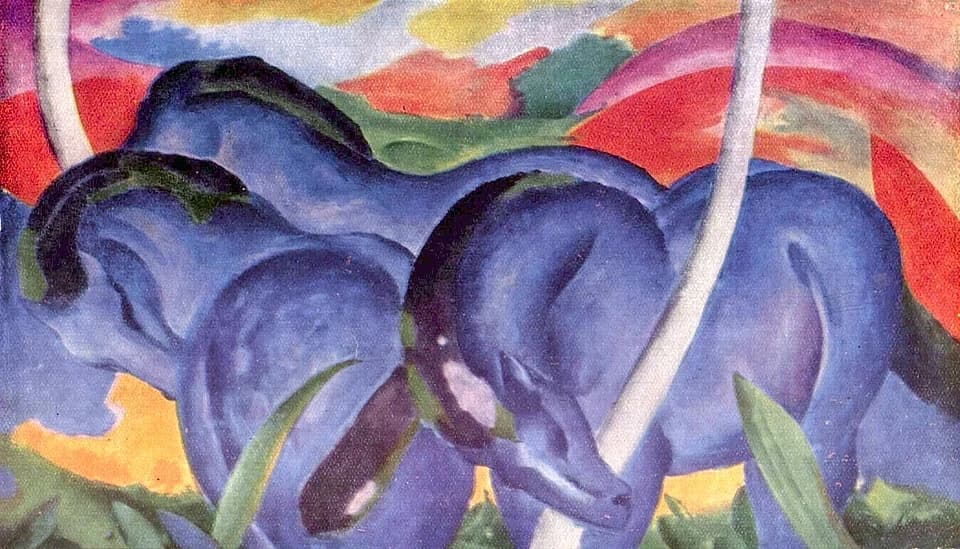
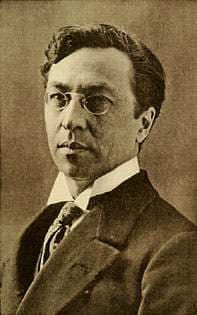
Franz Marc (1880–1916) painted animals with a spiritual intensity that set him apart from every other German Expressionist. Born in Munich to a landscape painter father, he studied at the Academy of Fine Arts before two trips to Paris exposed him to Van Gogh and the Post-Impressionists. In 1911, he co-founded Der Blaue Reiter (The Blue Rider) with Wassily Kandinsky, a group that rejected naturalism in favor of color as pure emotion. Marc assigned symbolic meaning to his palette: blue represented masculinity and spirituality, yellow stood for feminine joy, red conveyed violence.
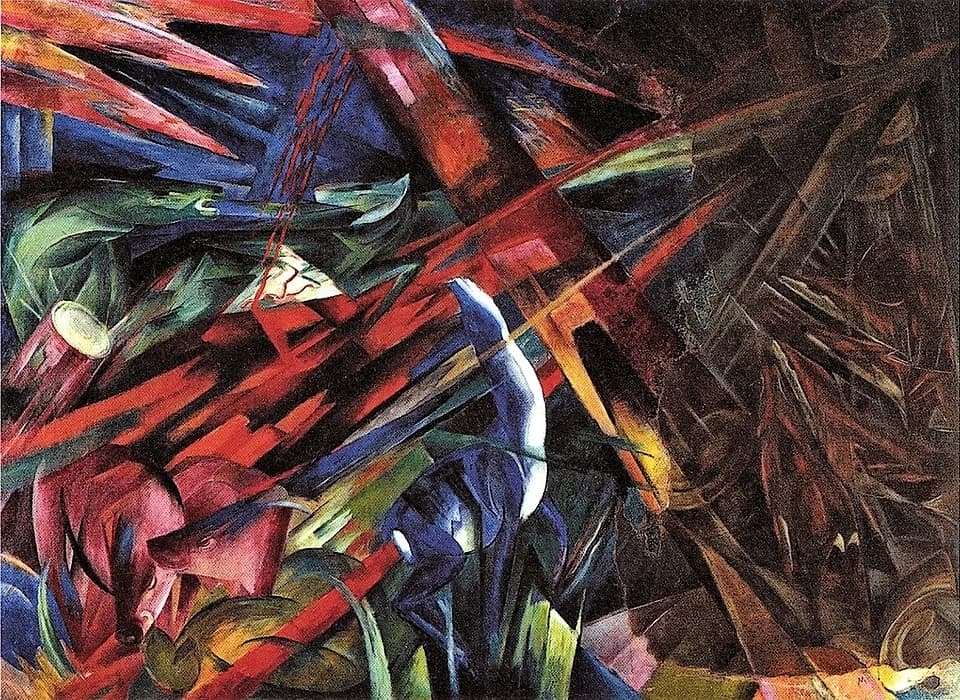
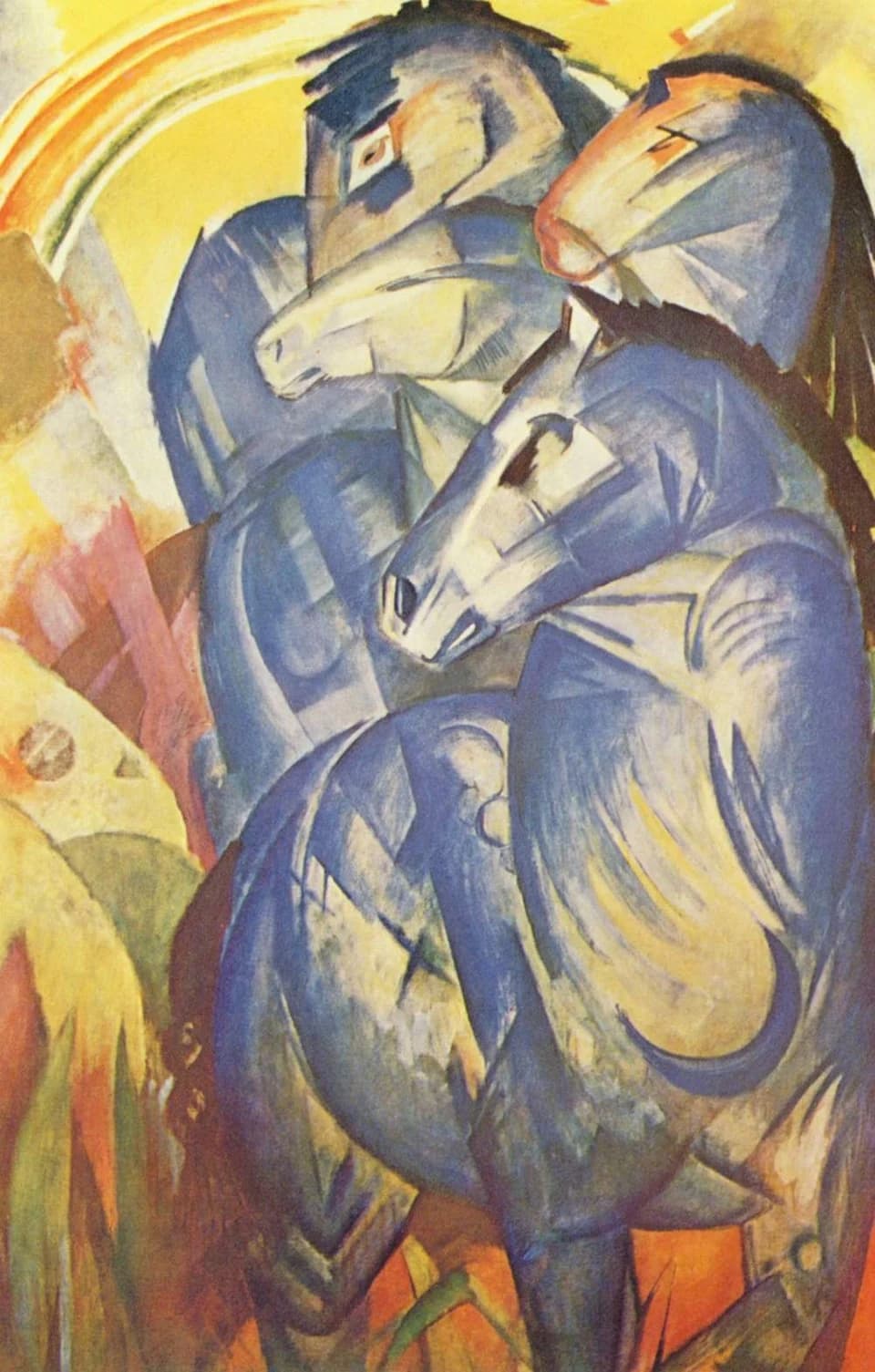
His subjects were almost exclusively animals, which he believed possessed a purity and innocence that modern humans had lost. Horses, deer, foxes, and tigers appear in bold, fragmented compositions influenced by Cubism and Futurism. Major works like The Tower of Blue Horses (1913), The Foxes (1913), and Fate of the Animals (1913) show his move toward abstraction. When World War I began, Marc enlisted in the German cavalry. The government later compiled a list of notable artists to withdraw from combat, but before the orders reached him, a shell splinter struck him in the head during the Battle of Verdun. He was thirty-six. The Nazis labeled his work "degenerate" in the 1930s, but most survived. In 2022, The Foxes sold for £42.6 million. Today his paintings hang in the Neue Pinakothek in Munich and the Guggenheim Museum in New York.
Primary Genres
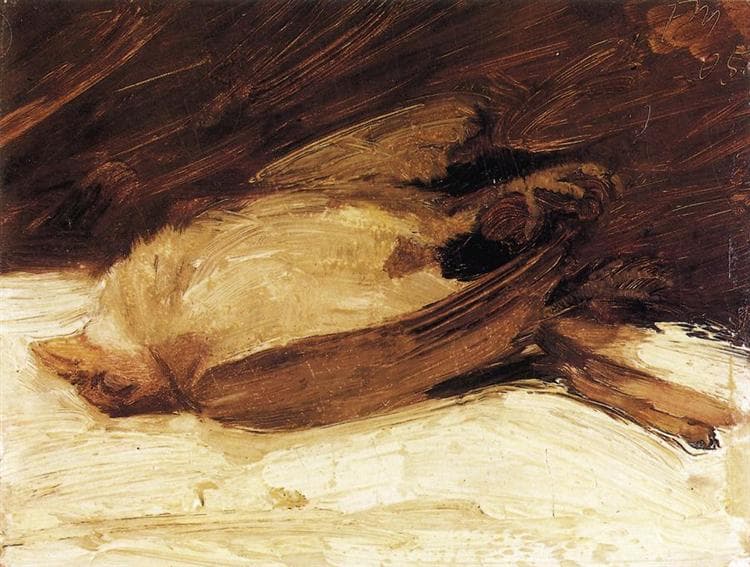
Notable Works by Franz Marc
6 paintings catalogued with museum locations
Museums with Franz Marc's Work
4 museums display Marc's works. Click any museum to see visiting info and the specific works they hold.

Related Artists
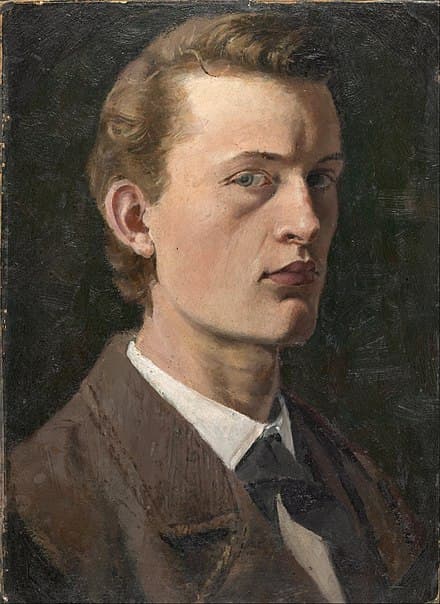
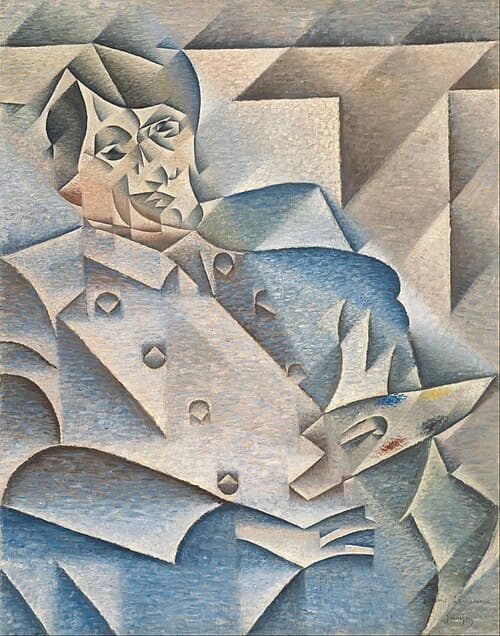
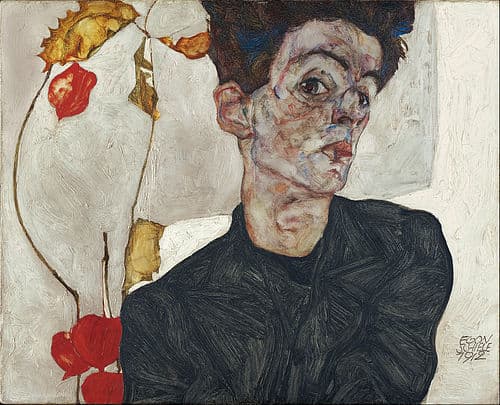
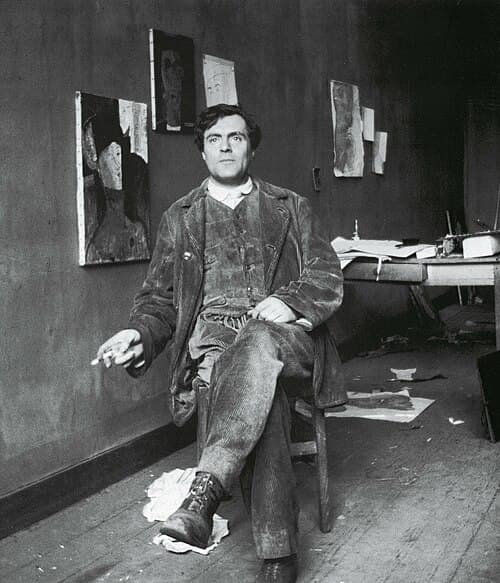
Other Expressionism artists you might like
About Franz Marc
Marc was a leading German Expressionist and co-founder of Der Blaue Reiter (The Blue Rider) in 1911 with Wassily Kandinsky. The group emphasized spiritual meaning through bold color.
Major collections are at the Neue Pinakothek in Munich, the Guggenheim Museum in New York, and the Städel Museum in Frankfurt.
Marc painted almost exclusively animals, especially horses, deer, foxes, and tigers. He believed animals had spiritual purity that humans lacked.
Marc was killed at the Battle of Verdun on March 4, 1916. A shell splinter struck him in the head before military orders to withdraw him from combat could arrive.
His best-known works include The Tower of Blue Horses (1913), The Foxes (1913), and Fate of the Animals (1913). The Foxes sold for £42.6 million in 2022.
Love Franz Marc's Style?
Explore art inspired by Expressionism.
Browse Collection