Frederick Arthur Bridgman
American·1847–1928
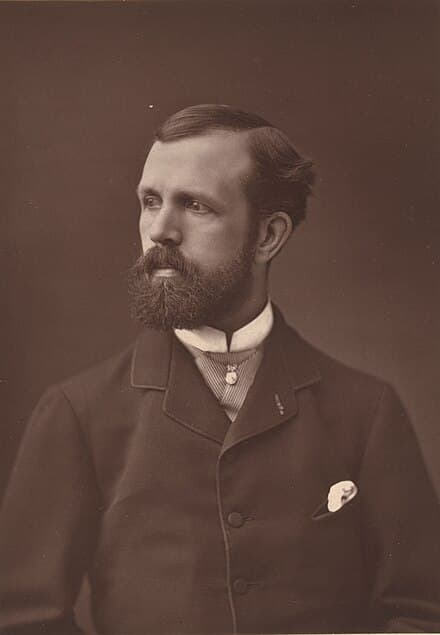
Frederick Arthur Bridgman (1847–1928) earned the title "the American Gérôme" for his Orientalist paintings. Born in Tuskegee, Alabama, he moved to New York after his physician father's death. He worked as a draughtsman at the American Bank Note Company while studying at the Brooklyn Art Association and National Academy of Design. In 1866, a group of Brooklyn businessmen sponsored his move to France.
Bridgman studied under Jean-Léon Gérôme at the École des Beaux-Arts, absorbing his teacher's precise draftsmanship and Middle Eastern themes. Between 1872 and 1874, he traveled to Morocco, Tunisia, Algeria, and Egypt, producing approximately 300 sketches that fueled his career. His large canvas Funeral of a Mummy on the Nile (1877), exhibited at the Paris Salon, won him the Cross of the Legion of Honor in 1878.
Unlike Gérôme's archaeological precision, Bridgman developed a more naturalistic approach with bright colors and painterly brushwork. John Singer Sargent joked that his overstuffed studio, alongside the Eiffel Tower, was one of Paris's must-see attractions. In 1890, he exhibited over 400 pictures at New York's 5th Avenue galleries, making so many sales that only 300 traveled to Chicago's Art Institute. He was elected to the National Academy of Design in 1881 and received France's highest artistic honor, Officer of the Légion d'Honneur, in 1907. His first wife died of neurological illness in 1901; he remarried in 1904. After World War I, he retired to Normandy, dying in Rouen in 1928. His work is at the Art Institute of Chicago, the Corcoran Gallery, and Liverpool's Walker Art Gallery.
Notable Works by Frederick Arthur Bridgman
1 painting catalogued with museum locations
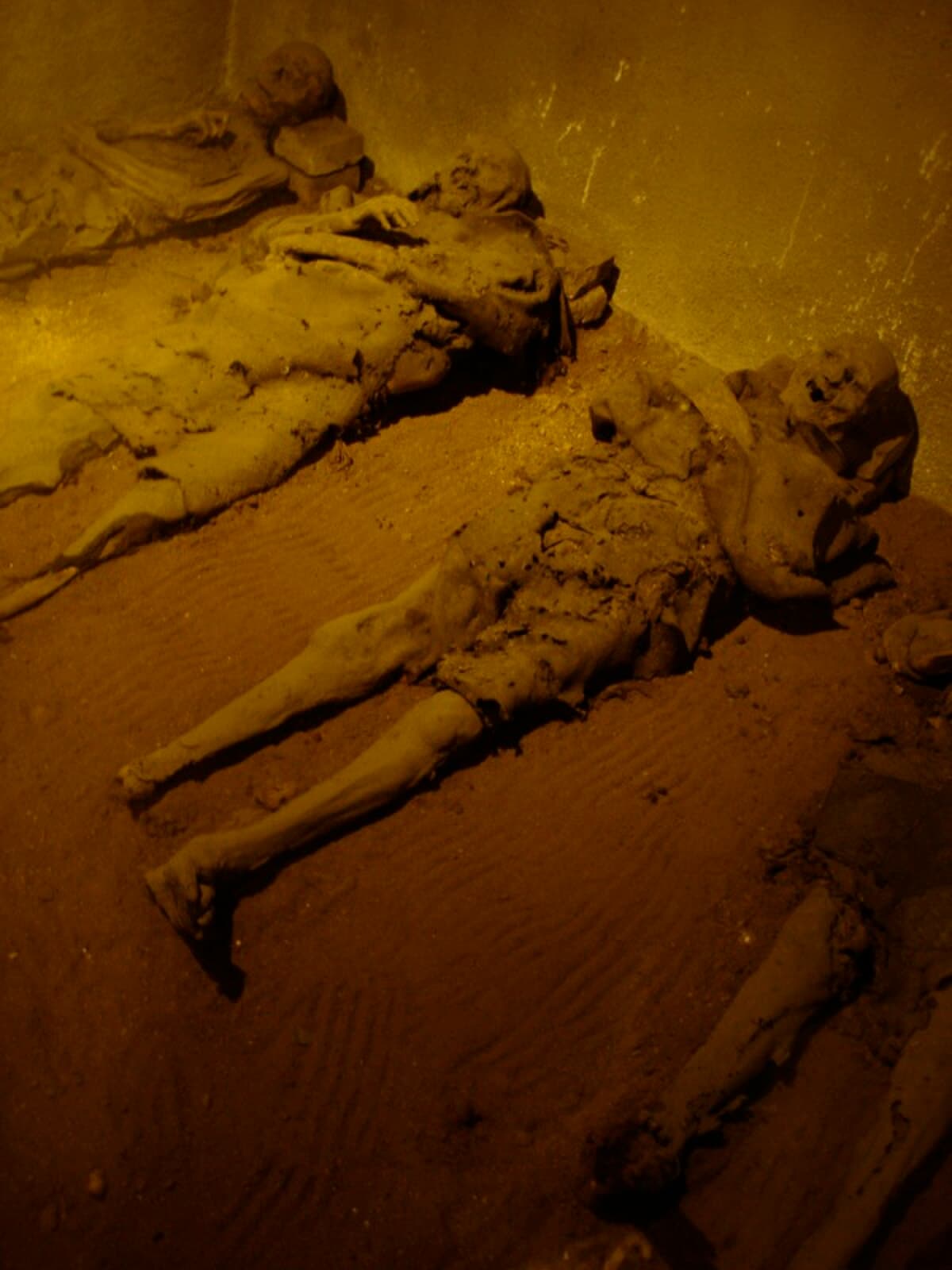
Museums with Frederick Arthur Bridgman's Work
1 museum displays Bridgman's works. Click any museum to see visiting info and the specific works they hold.
Related Artists
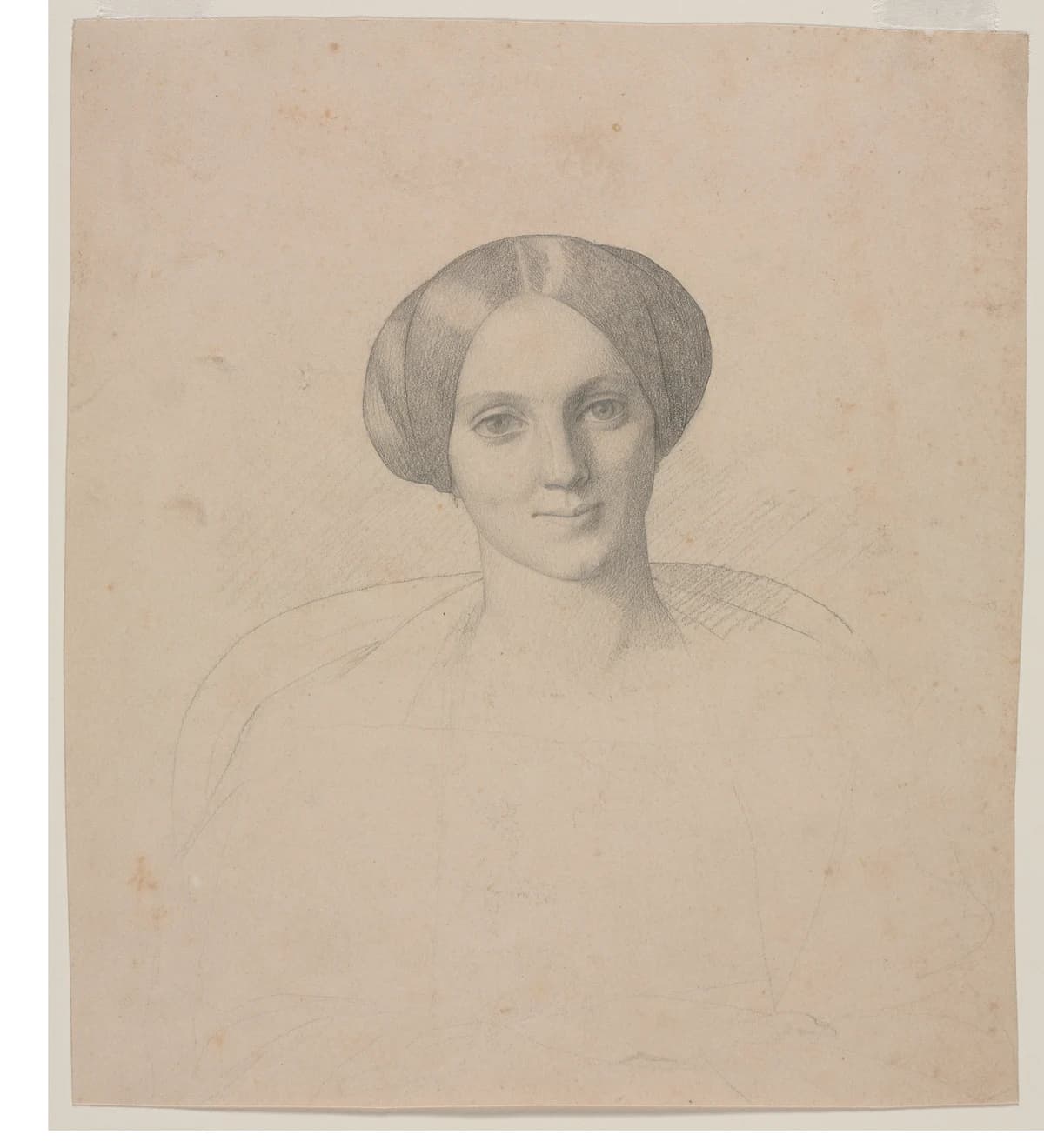
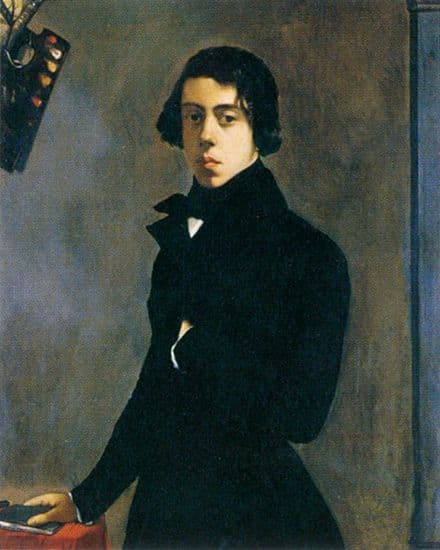
Other Orientalism artists you might like
About Frederick Arthur Bridgman
Bridgman specialized in Orientalist subjects depicting daily life in North Africa and Egypt. He painted mosque interiors, harem scenes, street vendors, and historical subjects set in ancient Egypt like Cleopatra on the Terraces of Philae. His richly detailed studio in Paris, packed with costumes and artifacts, became a famous attraction.
His work is at the Art Institute of Chicago, the Smithsonian American Art Museum, and the Speed Art Museum in Louisville, which holds his major Funeral of a Mummy on the Nile. Liverpool's Walker Art Gallery and the Dahesh Museum of Art also display his paintings.
He studied under the celebrated Jean-Léon Gérôme in Paris from 1867, absorbing his teacher's precise draftsmanship and Middle Eastern themes. Like Gérôme, Bridgman painted Orientalist subjects with documentary attention to detail. However, he later developed a more naturalistic aesthetic with brighter colors and looser brushwork than his master.
Yes, between 1872 and 1874 Bridgman traveled extensively through Morocco, Tunisia, Algeria, and Egypt, often accompanied by fellow artist Charles Sprague Pearce. He journeyed up the Nile to Abu Simbel, producing approximately 300 sketches of monuments, street life, and people that fueled decades of studio paintings.
He received France's Legion of Honor in 1878 after exhibiting Funeral of a Mummy at the Paris Exposition, and was elevated to Officer in 1907. He was elected to the National Academy of Design in 1881. In 1890, he mounted a personal exhibition of over 400 pictures in New York's Fifth Avenue galleries.
While studying in Gérôme's atelier, Bridgman befriended Thomas Eakins and Harry Humphrey Moore, both Americans drawn to academic portrait painting. These connections shaped American art history, as all three became influential painters who brought European training back to the United States.
Love Frederick Arthur Bridgman's Style?
Explore art inspired by Orientalism.
Browse Collection