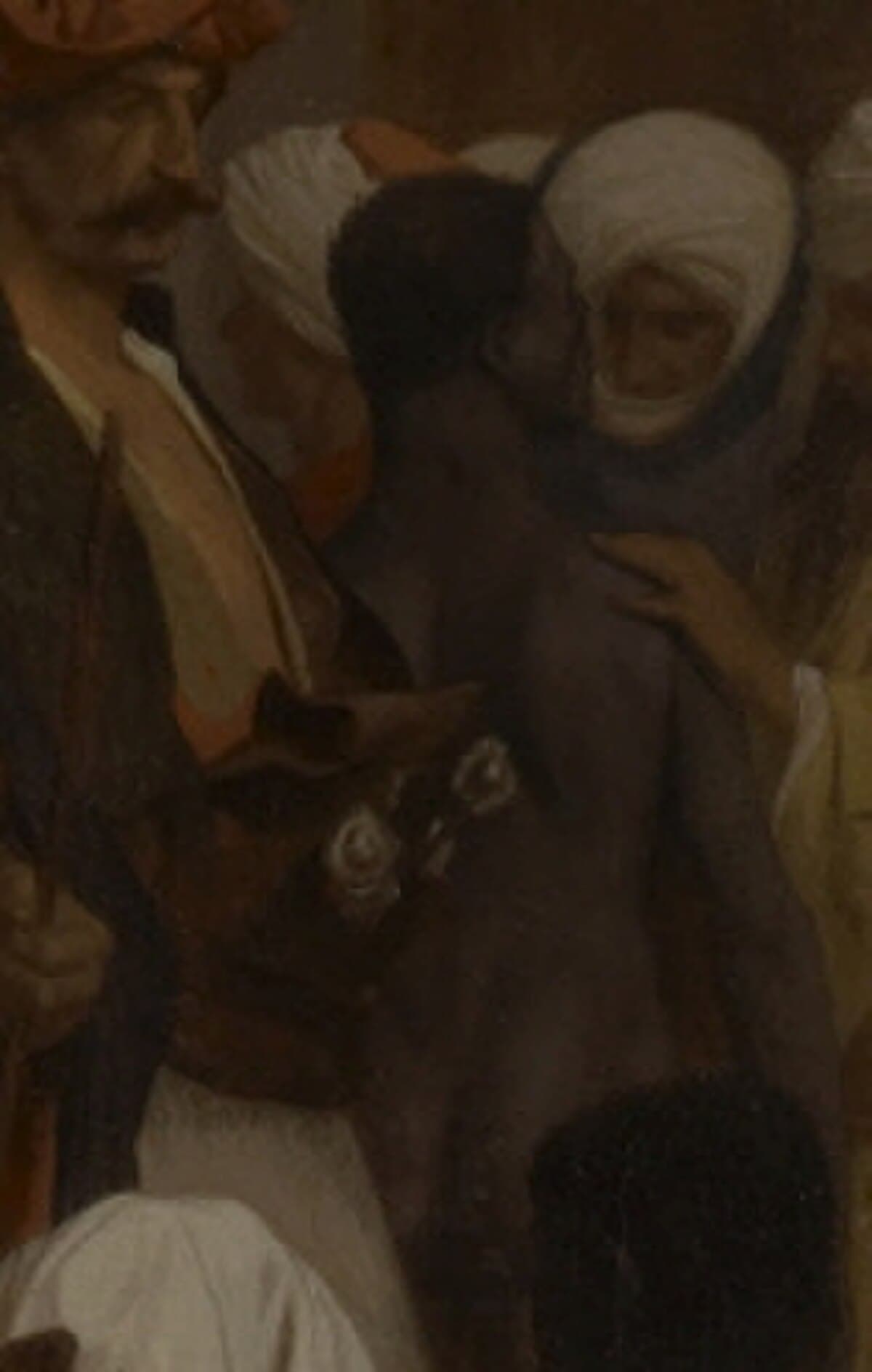
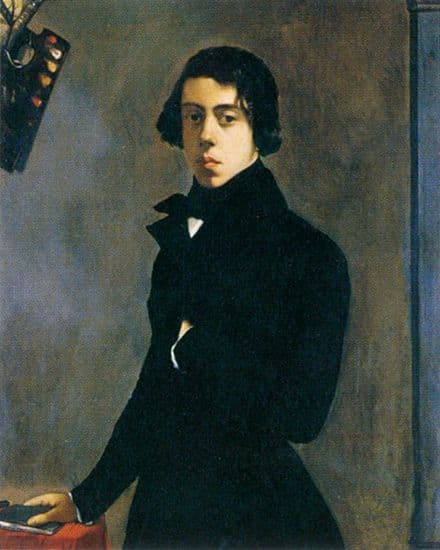
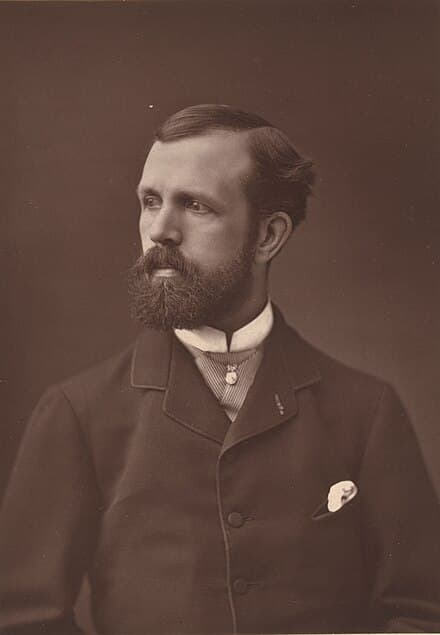
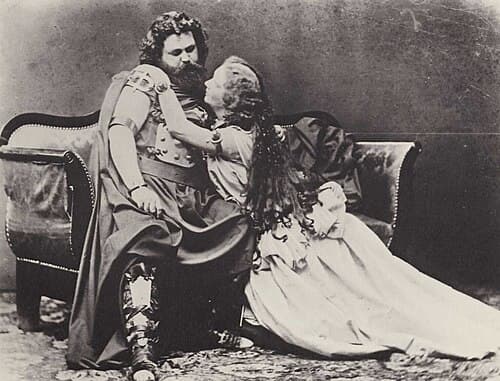
<p>Orientalism describes the way 19th-century European painters depicted the Middle East, North Africa, and parts of Asia, a trend that grew alongside colonial expansion and increased travel between roughly 1800 and 1920. Artists traveled to Cairo, Damascus, and Istanbul, then returned home to paint markets, mosques, and desert scenes for audiences who had never been there. The style favored sharp detail, warm light, and richly patterned surfaces, often applied to genre scenes of daily life rather than grand historical events.</p> <p><a href="/apps/masterpieces/artist/jean-leon-gerome"><strong>Jean-Léon Gérôme</strong></a> was the movement's most technically precise painter, known for scenes like <a href="/apps/masterpieces/art/slave-market-gerome"><strong>The Slave Market</strong></a> and <a href="/apps/masterpieces/art/pollice-verso"><strong>Pollice Verso</strong></a>, both painted with the crisp finish of academic realism. <a href="/apps/masterpieces/artist/theodore-chasseriau"><strong>Théodore Chassériau</strong></a> brought a Romantic sensibility to North African subjects after his own travels through Algeria. Vienna produced its own circle of Orientalist specialists in <a href="/apps/masterpieces/artist/ludwig-deutsch"><strong>Ludwig Deutsch</strong></a> and <a href="/apps/masterpieces/artist/rudolf-ernst"><strong>Rudolf Ernst</strong></a>, who painted interiors and courtyards from studio references rather than firsthand sketches. American painter <a href="/apps/masterpieces/artist/frederick-arthur-bridgman"><strong>Frederick Arthur Bridgman</strong></a> studied under Gérôme in Paris before turning his own attention to Egyptian subjects. Today the movement is read with more skepticism than it once was, since its romanticized version of the region tells us as much about European fantasy as it does about the places depicted.</p>
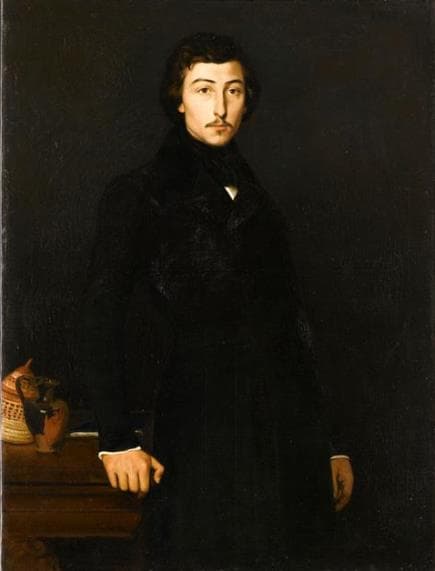
Théodore Chassériau
Louvre, Paris, Paris
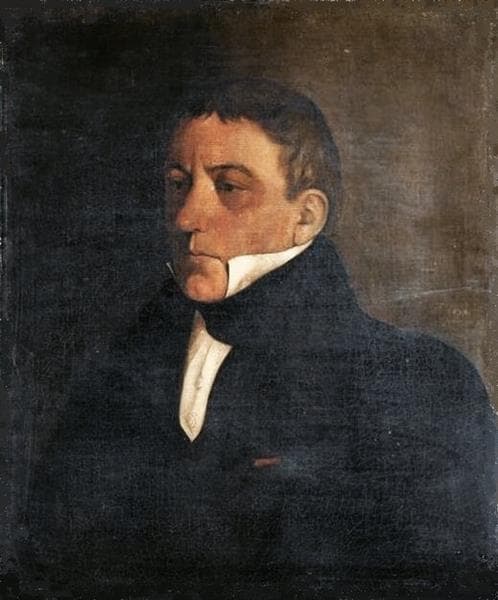
Théodore Chassériau
Louvre, Paris, Paris
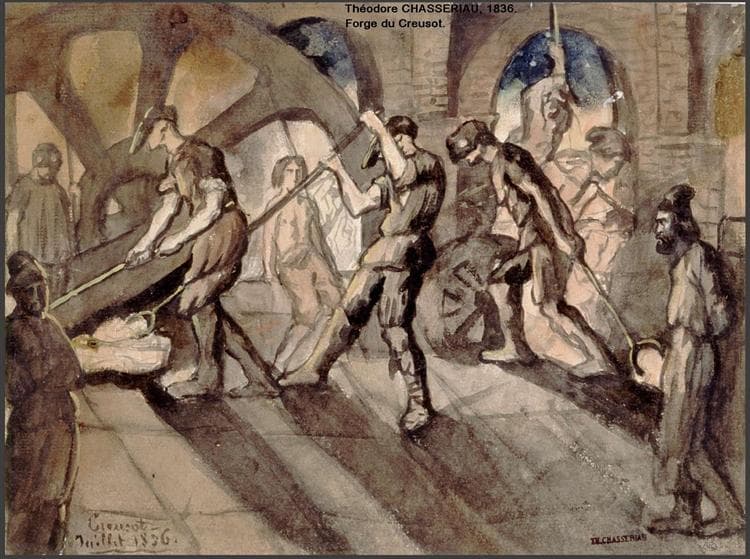
Théodore Chassériau
Louvre, Paris, Paris
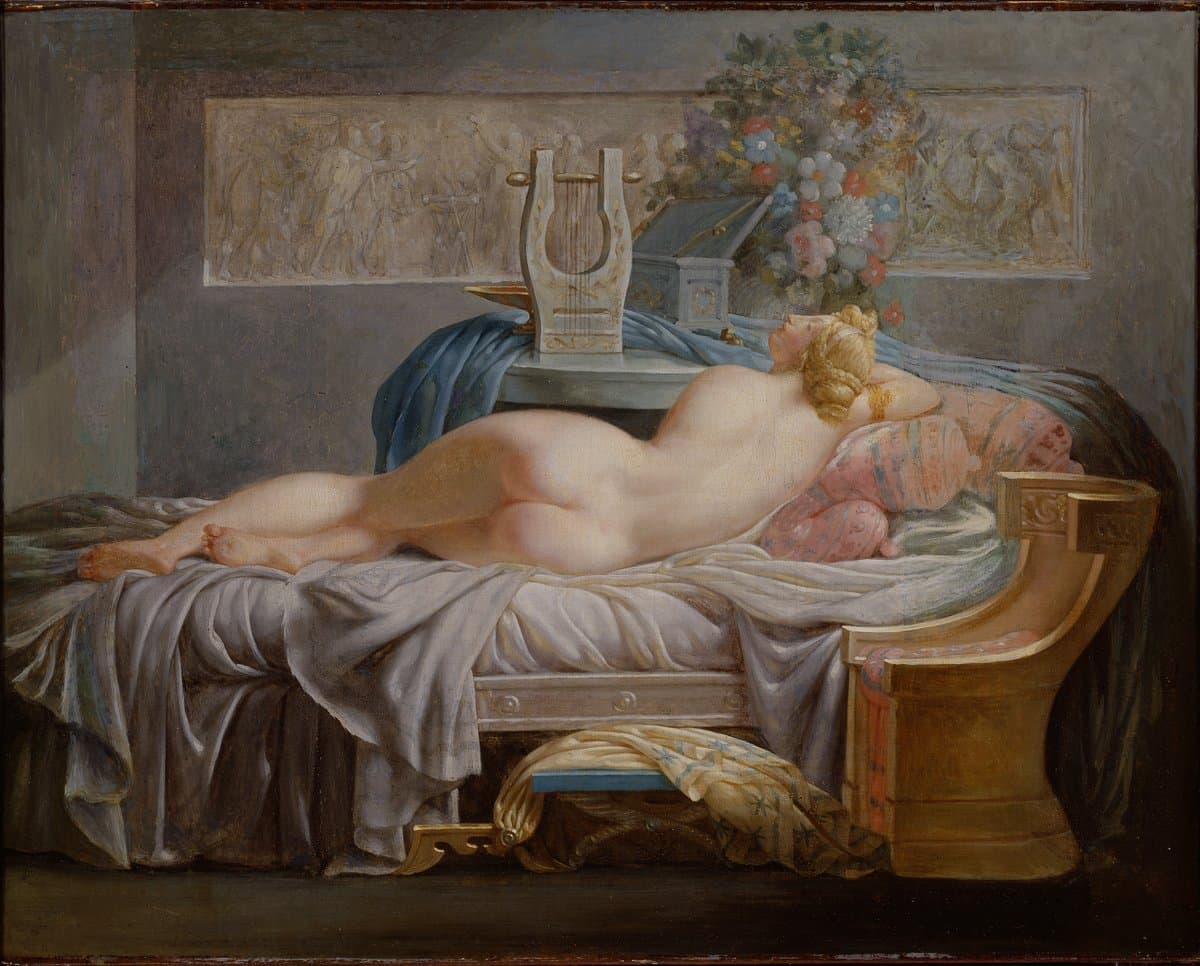
Théodore Chassériau
Musée d'Orsay, Paris
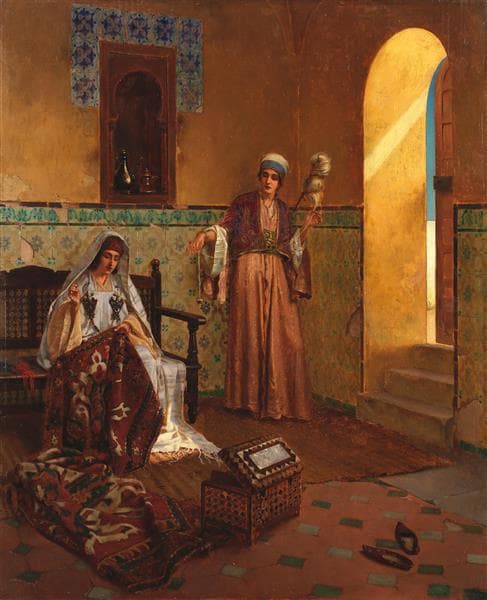
Rudolf Ernst
Private Collection, Unknown
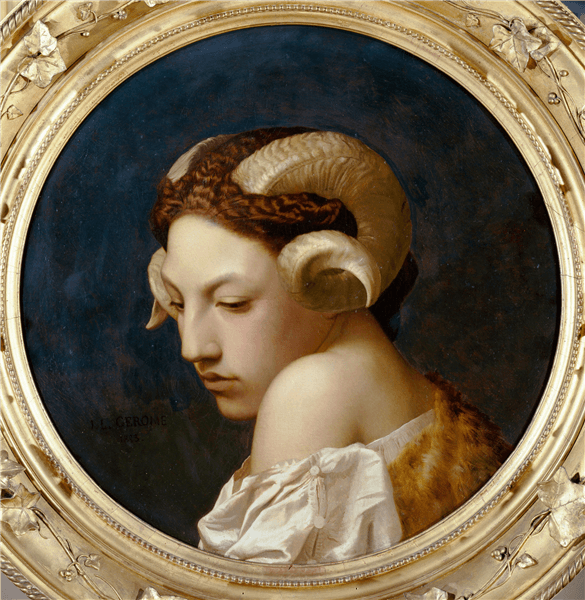
Jean-Léon Gérôme
Musée des Beaux-Arts de Nantes, Nantes, Nantes
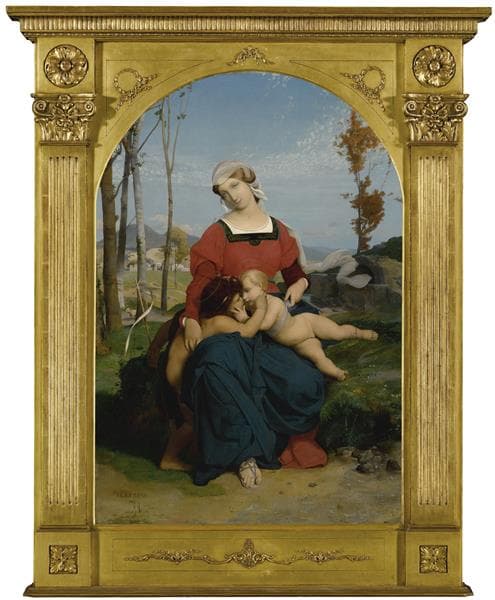
Jean-Léon Gérôme
Private Collection, Unknown
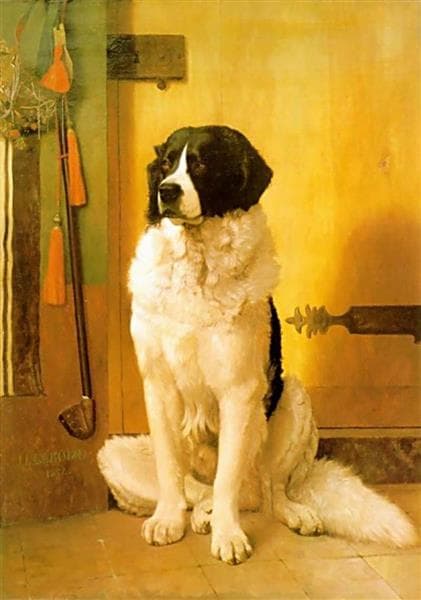
Jean-Léon Gérôme
Private Collection, Unknown
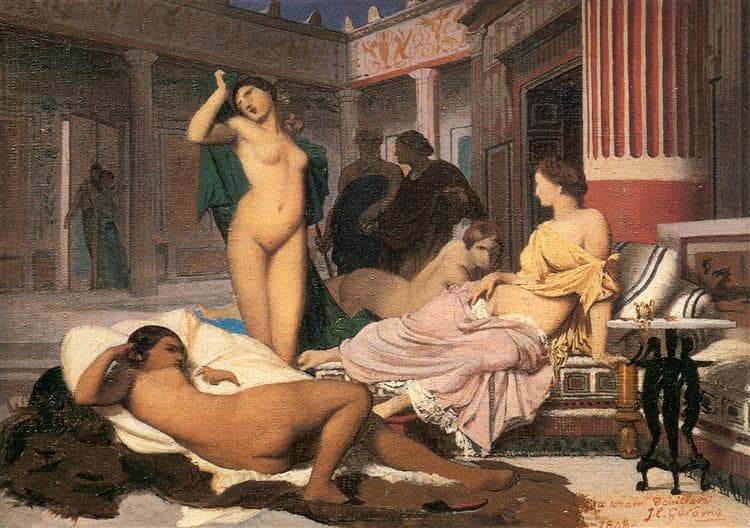
Jean-Léon Gérôme
Musée d'Orsay, Paris
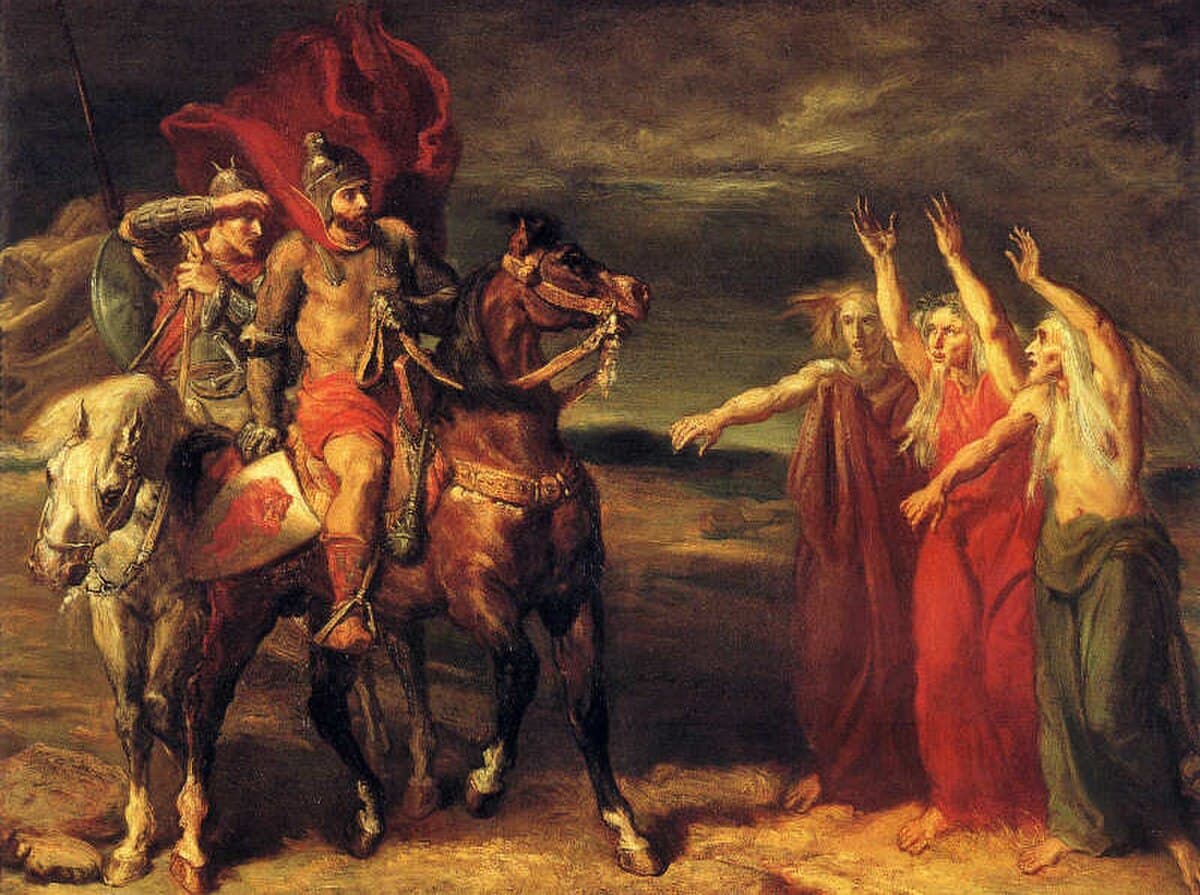
Théodore Chassériau, 1841
Louvre, Paris, Paris
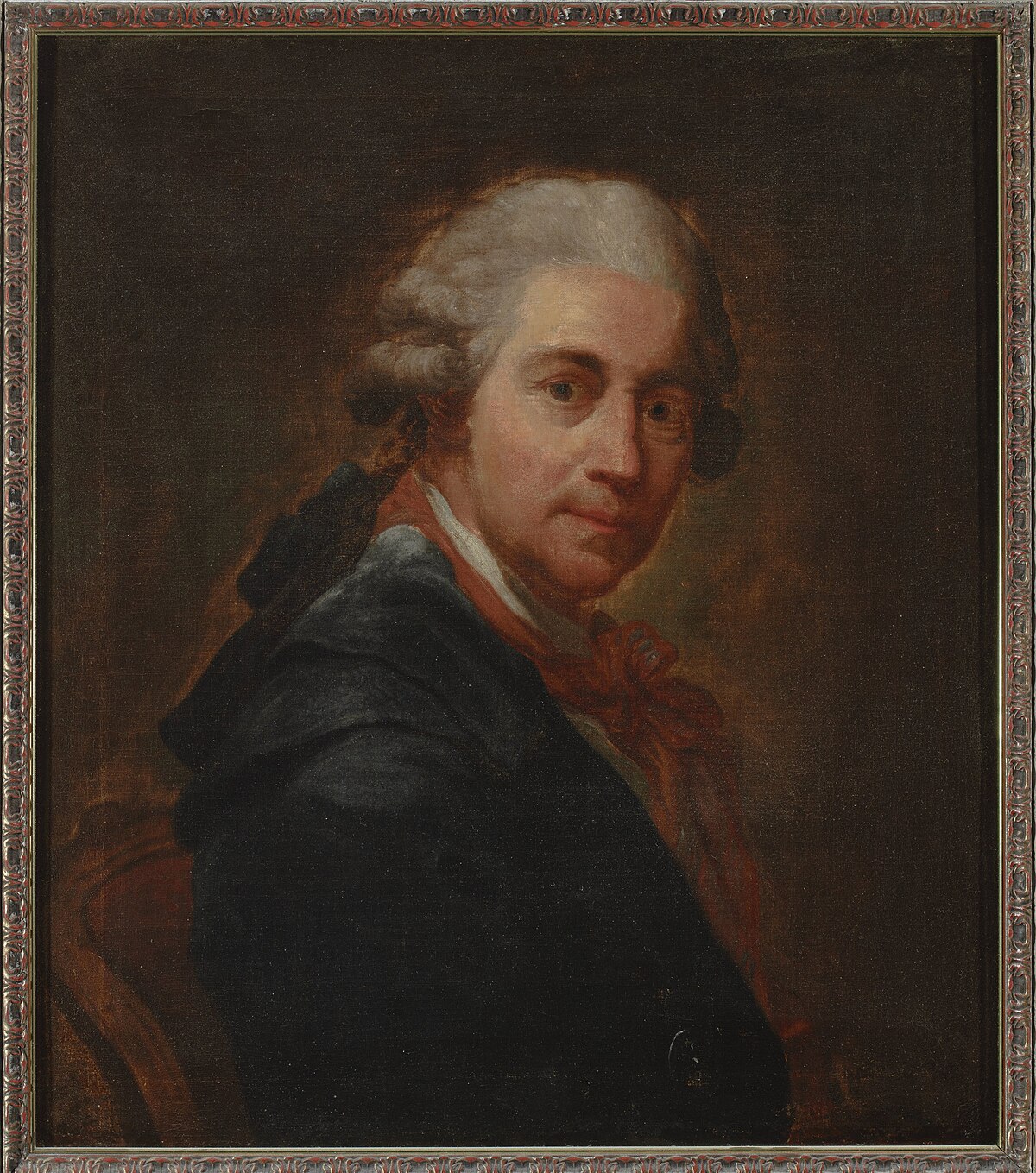
Théodore Chassériau
Louvre, Paris, Paris
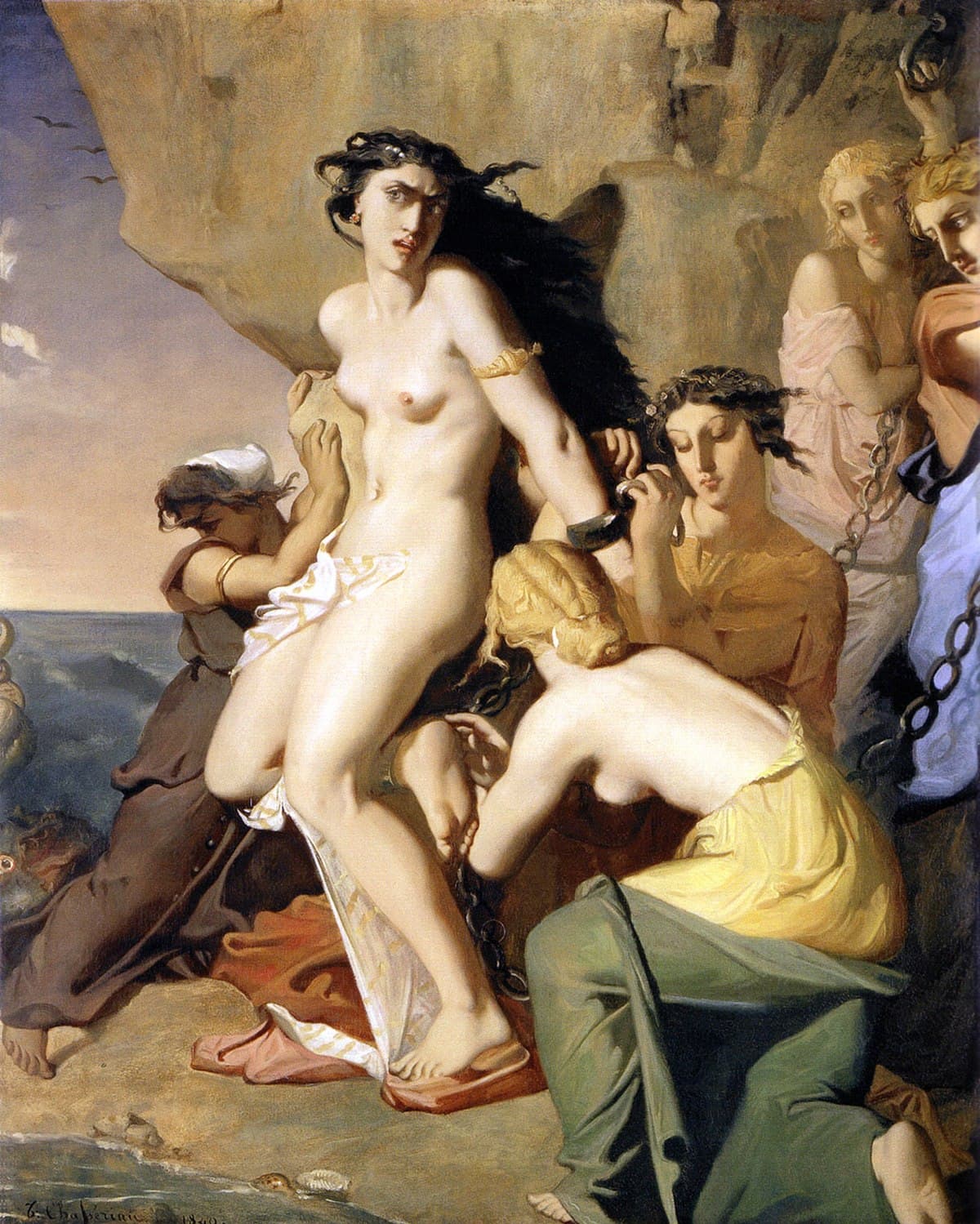
Théodore Chassériau
Louvre, Paris, Paris
Luxury decor featuring museum-quality canvas prints inspired by these iconic masterpieces.
Shop Orientalism Art