Théodore Chassériau
French·1819–1856
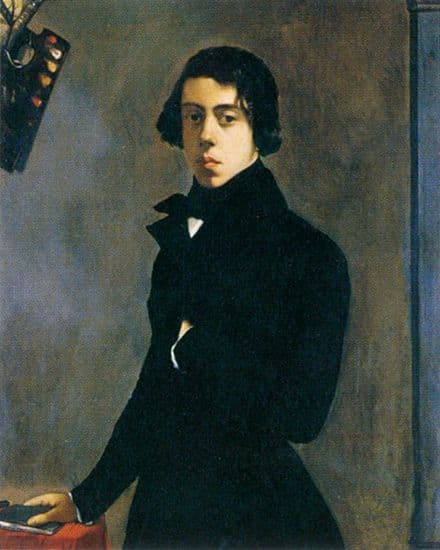
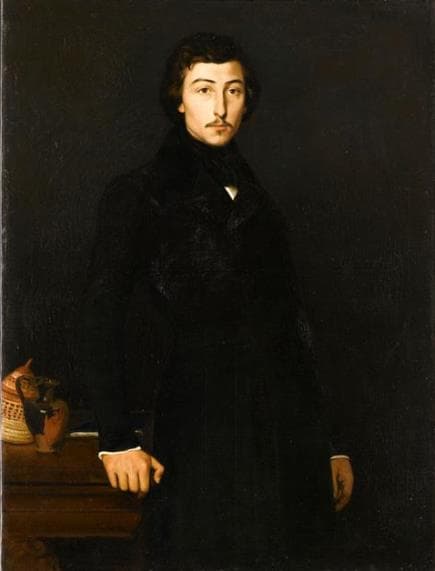
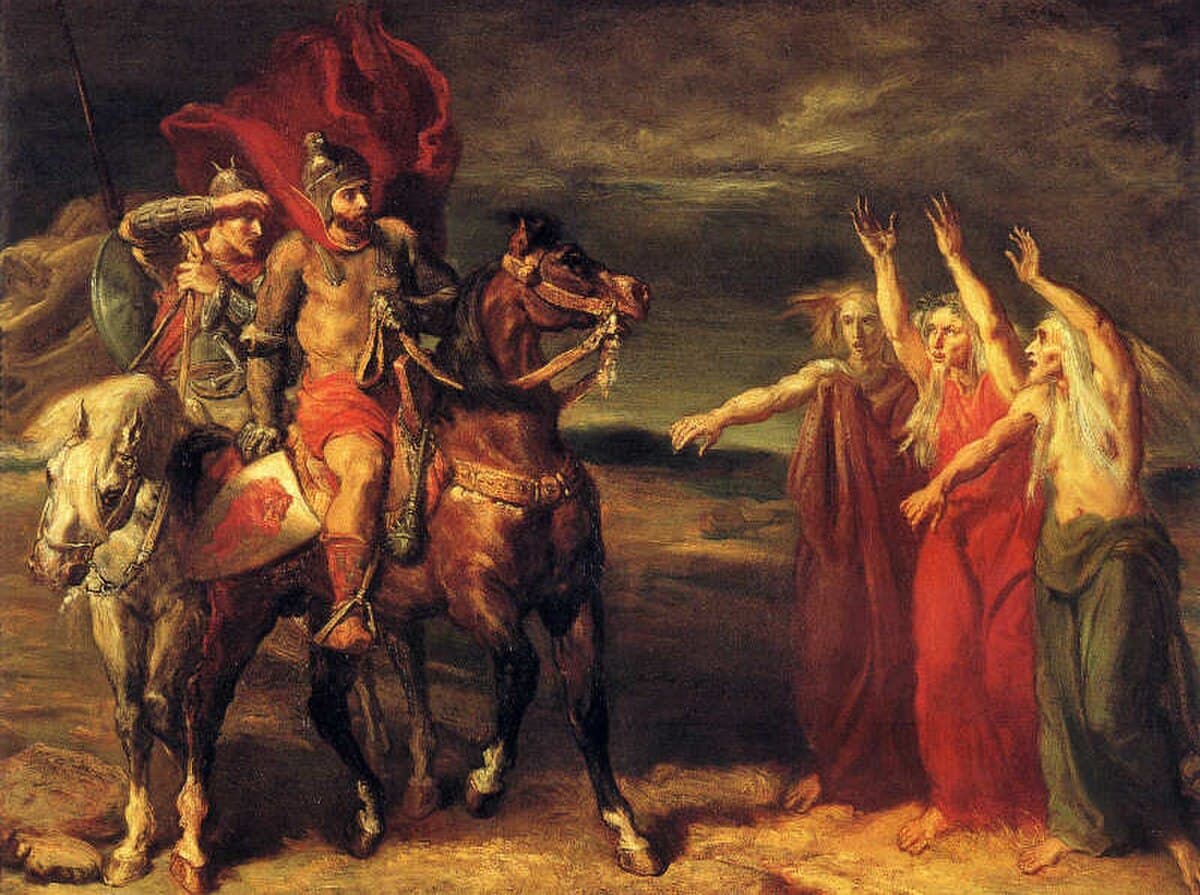
Théodore Chassériau (1819–1856) fused classical precision with Romantic passion. Born in the Dominican Republic to a French diplomat, he moved to Paris at age one. By eleven, he had entered the studio of Jean-Auguste-Dominique Ingres, becoming the master's favorite pupil. Ingres called him his "truest disciple." The relationship soured when Chassériau fell under the spell of Ingres's rival, Eugène Delacroix, whose coloristic approach was everything Ingres opposed.
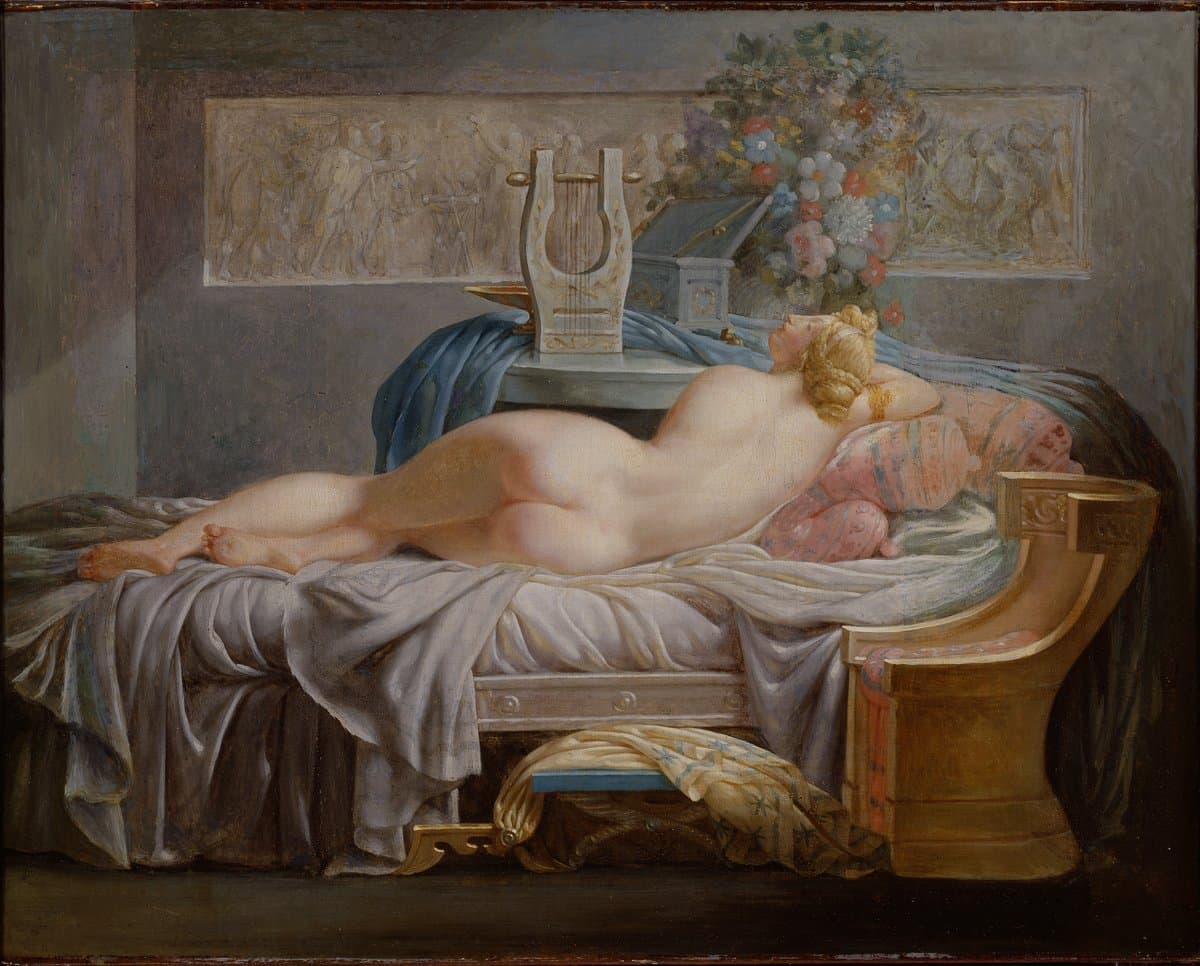
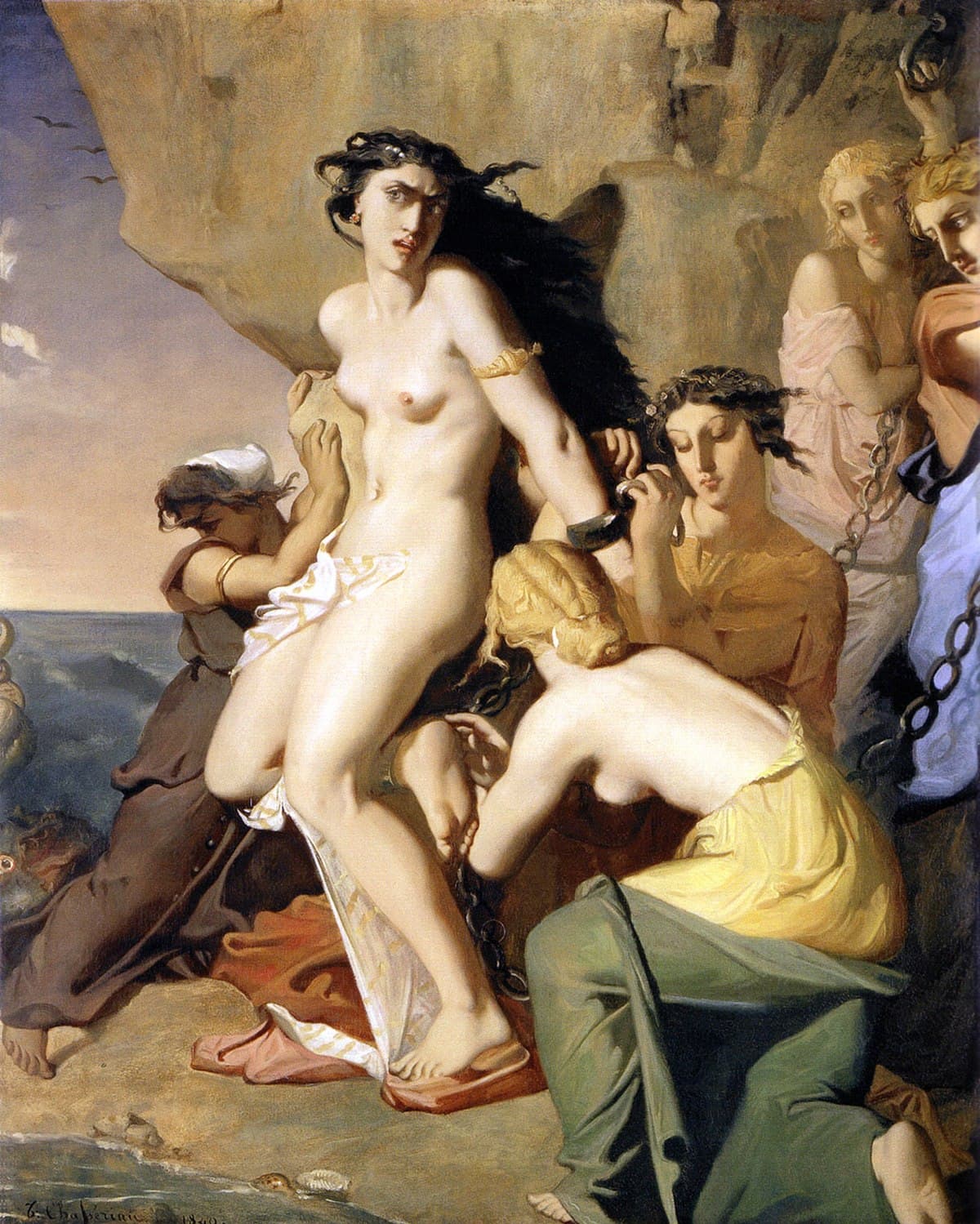
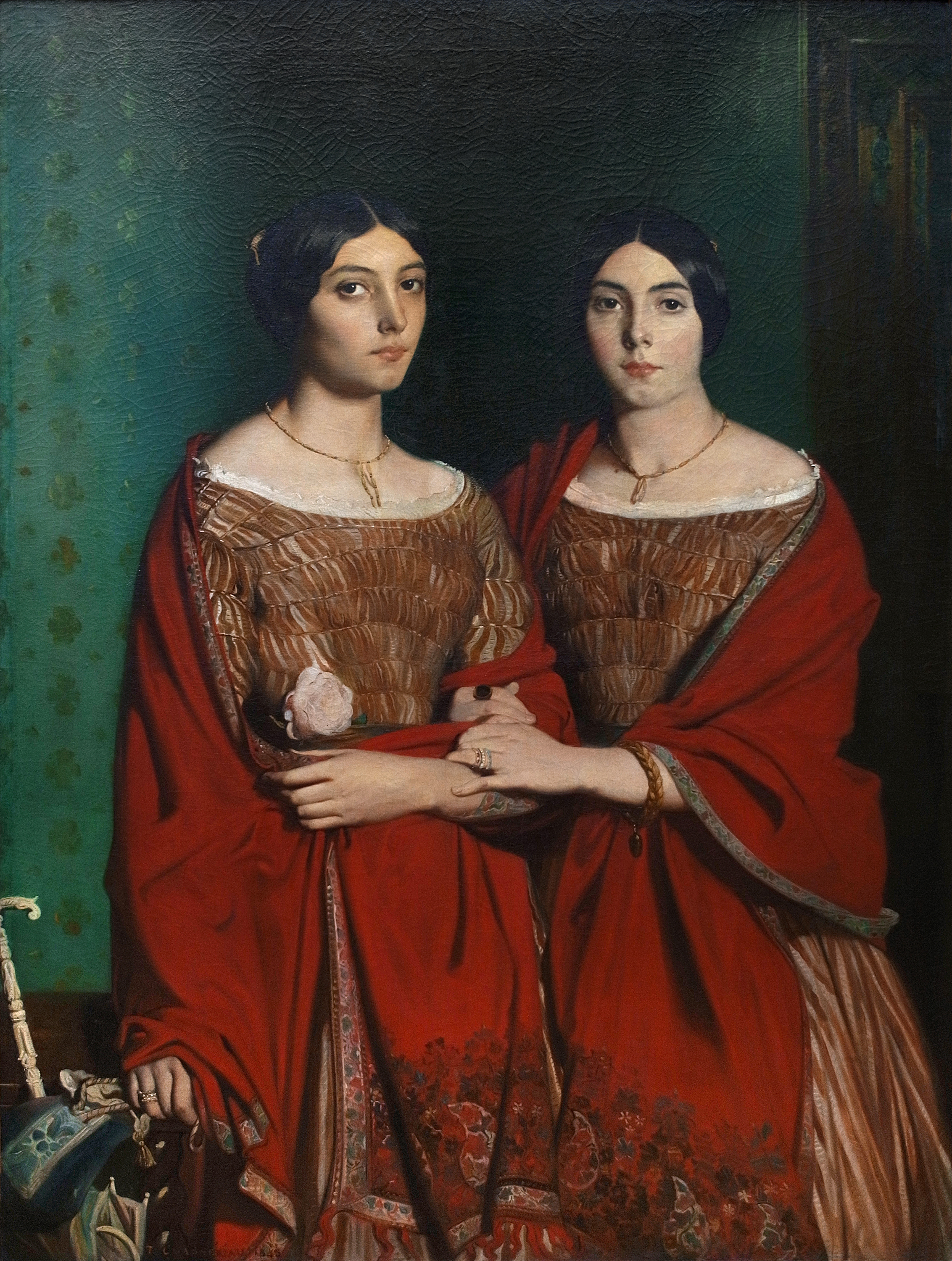
Chassériau deliberately attempted to merge the two schools: Ingres's precise linear draftsmanship with Delacroix's rich color and emotional intensity. The result was something new. His early nudes, including Susanna and the Elders (1839) and Venus Anadyomene (1839), revealed a personal ideal of female beauty. A trip to Algeria in 1846 produced Orientalist works like The Tepidarium (1853), an erotically charged scene of Roman bathers that became one of his most celebrated paintings.
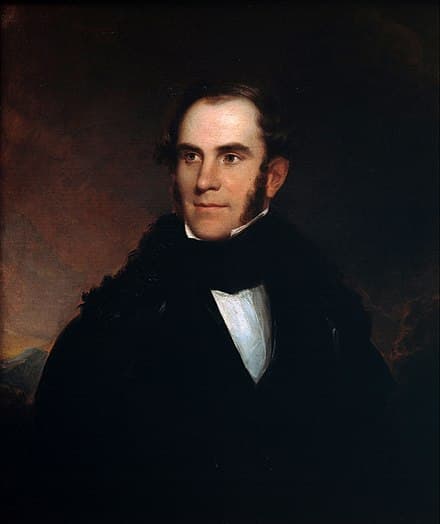
His most ambitious project was decorating the grand staircase of the Cour des Comptes (1844–48), painted in oil on plaster following Delacroix's technique. Much of it was destroyed during the Paris Commune. The portrait he completed at age fifteen of Prosper Marilhat made him the youngest painter represented in the Louvre. His influence reached Puvis de Chavannes, Gustave Moreau, and through them to Gauguin and Matisse. He died at thirty-seven. Major works are at the Musée d'Orsay and Louvre.