Martin Johnson Heade
American·1819–1904
No Portrait Available
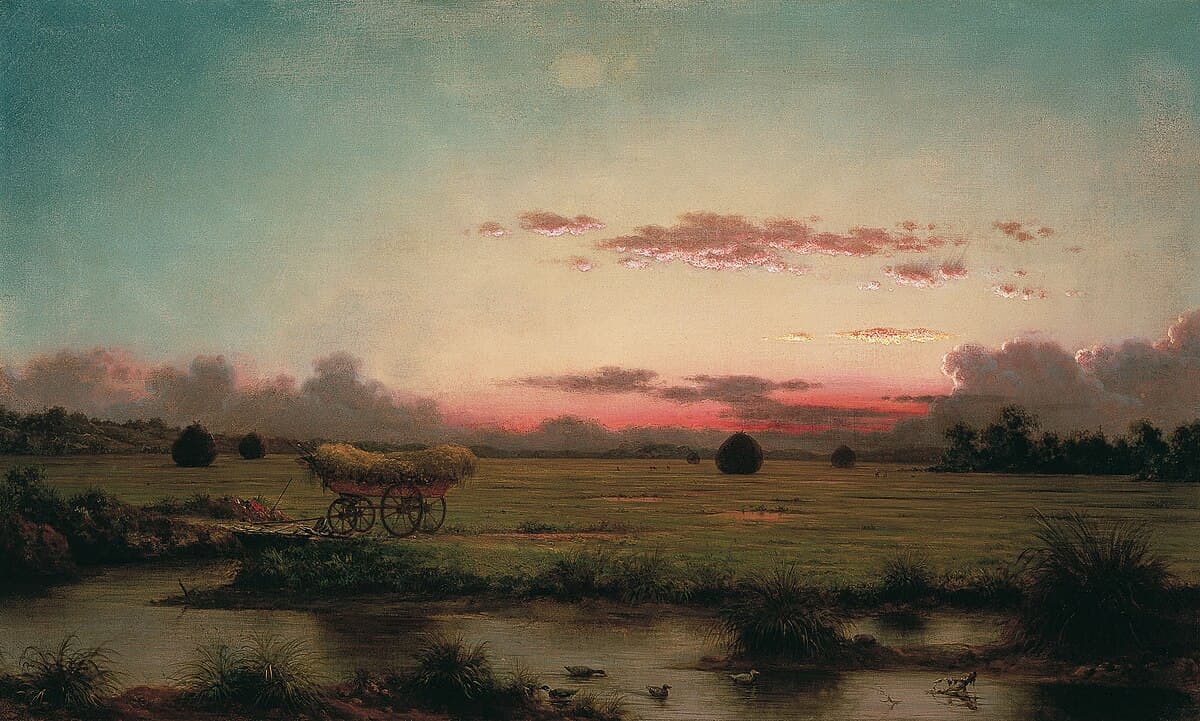
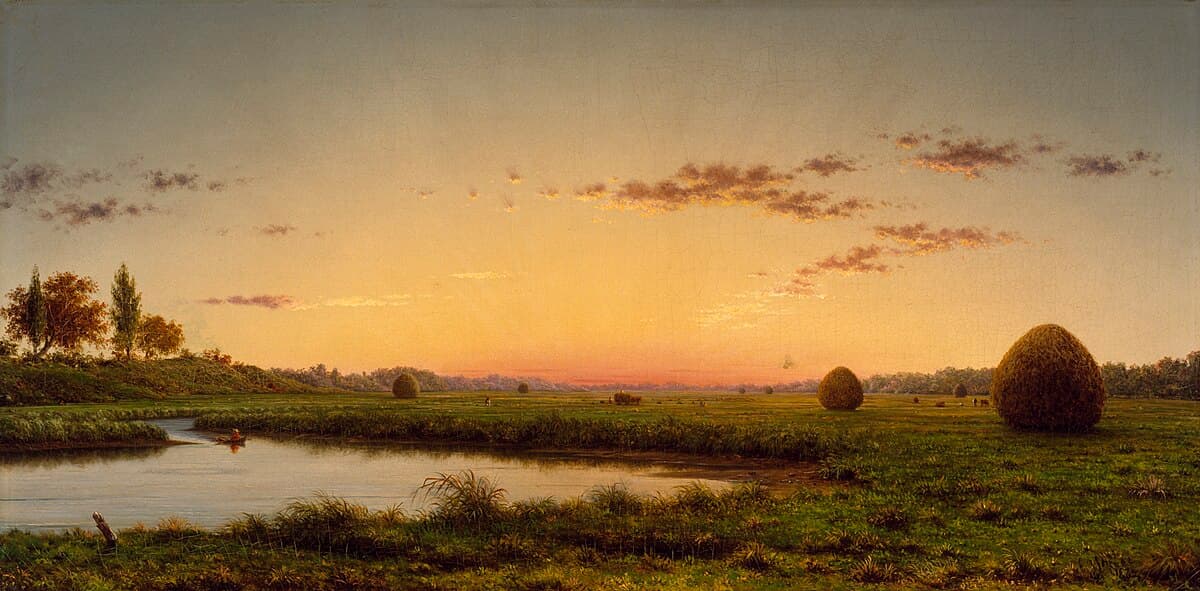
Luminist painter Martin Johnson Heade (1819-1904) created meditative landscapes and intimate studies of hummingbirds and orchids that stand among American art's most distinctive achievements. Born in Lumberville, Pennsylvania, he studied under Edward Hicks and traveled widely before finding his mature subjects. His salt marsh landscapes, with their horizontal expanses and subtle atmospheric effects, exemplify Luminism's emphasis on spiritual tranquility over dramatic grandeur. Small haystacks and diminutive figures create contemplative rhythms across these serene compositions.
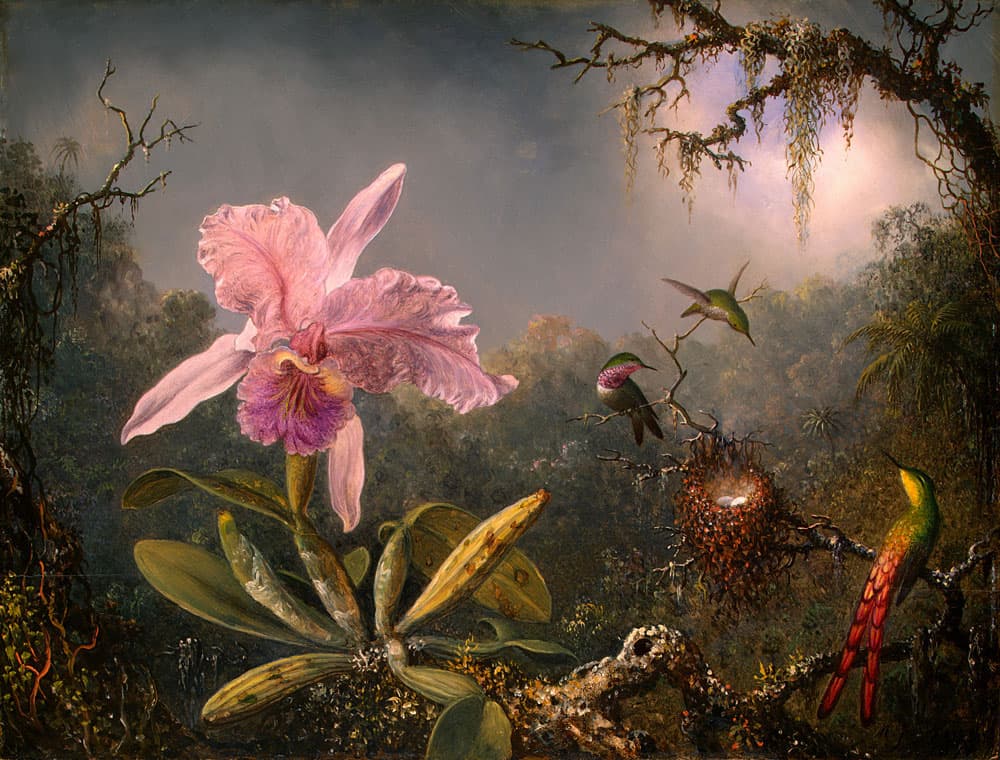
Heade became friends with Frederic Church and was influenced by Fitz Henry Lane's coastal scenes. Three trips to Brazil (1863-64 and later) inspired his remarkable hummingbird and orchid paintings, which he planned to publish as "The Gems of Brazil." Over 40 of these tropical studies combine scientific observation with decorative sensibility. In 1883, at age 64, he married and moved to St. Augustine, Florida, where he painted magnolia blossoms and continued working until his death. Nearly forgotten for the first half of the 20th century, his reputation revived around World War II. The Museum of Fine Arts, Boston holds an outstanding collection of approximately 30 paintings, with additional works at the Metropolitan Museum of Art and the National Gallery of Art.
Primary Genres
Notable Works by Martin Johnson Heade
3 paintings catalogued with museum locations
Museums with Martin Johnson Heade's Work
3 museums display Heade's works. Click any museum to see visiting info and the specific works they hold.
About Martin Johnson Heade
Heade was a master of Luminism, an American approach emphasizing subtle atmospheric light and contemplative stillness. His friendships with Hudson River School artists shaped his early career, but he developed a distinctly personal vision focusing on horizontal compositions with glowing, meditative skies.
His salt marsh landscapes of the New England coast, featuring haystacks under dramatic skies, are his signature works. Thunderstorm on Narragansett Bay (1868) captures an approaching storm with luminous intensity. His later hummingbird and orchid paintings, numbering over forty, combine tropical color with precise botanical detail.
The Museum of Fine Arts, Boston holds about 30 works, the largest collection anywhere. The Metropolitan Museum of Art and National Gallery of Art also own major pieces. His floral still lifes from Florida appear in collections nationwide.
Yes, he made three trips to Brazil between 1863 and 1870, captivated by tropical hummingbirds and orchids. Emperor Dom Pedro II was so impressed he made Heade a Knight of the Order of the Rose. Heade planned a book called The Gems of Brazil with chromolithograph illustrations, but it was never published due to financial difficulties.
Heade was nearly forgotten for the first half of the 20th century despite a successful career. His reputation revived dramatically during the 1940s when scholars rediscovered his luminous salt marshes. He's now considered among the most important American landscape painters of his generation, with works commanding high prices at auction.
Love Martin Johnson Heade's Style?
Explore art inspired by their style.
Browse Collection