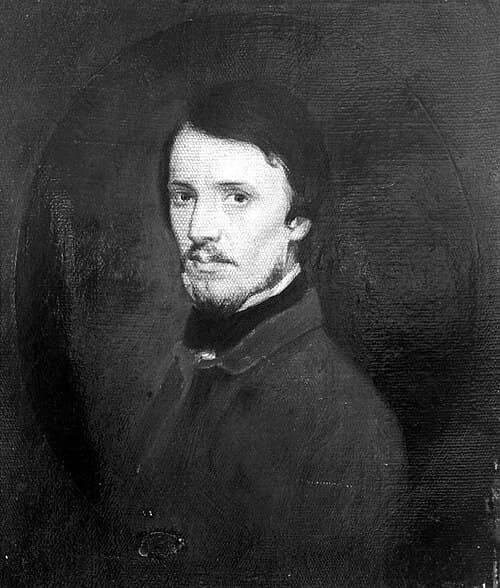
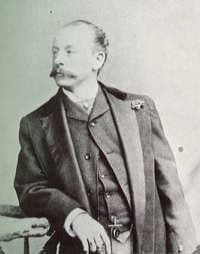
<p>Luminism describes a mid-19th century American landscape style, active roughly from 1850 to 1875, defined less by a formal group than by a shared interest in rendering light with extreme precision. Where the Hudson River School painters often favored drama and scale, Luminist painters worked toward stillness, using smooth, almost invisible brushwork to make paint disappear and let light itself become the subject.</p> <p><a href="/apps/masterpieces/artist/fitz-henry-lane"><strong>Fitz Henry Lane</strong></a> painted calm harbors and coastal inlets under soft, hazy skies, as in <a href="/apps/masterpieces/art/boston-harbor-lane"><strong>Boston Harbor</strong></a>, where glassy water and pale light matter more than any single dramatic event. <a href="/apps/masterpieces/artist/john-frederick-kensett"><strong>John Frederick Kensett</strong></a> painted similarly quiet coastal scenes, including <a href="/apps/masterpieces/art/eatons-neck-long-island"><strong>Eaton's Neck, Long Island</strong></a>, built almost entirely from horizontal bands of water, sand, and sky.</p> <p><a href="/apps/masterpieces/artist/sanford-robinson-gifford"><strong>Sanford Robinson Gifford</strong></a> specialized in a golden, atmospheric haze that softened even active scenes like <a href="/apps/masterpieces/art/kauterskill-falls-gifford"><strong>Kauterskill Falls</strong></a>, while <a href="/apps/masterpieces/artist/alfred-thompson-bricher"><strong>Alfred Thompson Bricher</strong></a> carried the same tranquil light into later coastal works like <a href="/apps/masterpieces/art/time-and-tide-bricher"><strong>Time and Tide</strong></a>. Because these painters worked independently rather than as a named group, the term "Luminism" was only applied by art historians decades later, to describe the shared quality of light they all pursued.</p>
Alfred Thompson Bricher, 1873
Dallas Museum of Art, Dallas
Sanford Robinson Gifford, 1862
The Metropolitan Museum of Art, New York
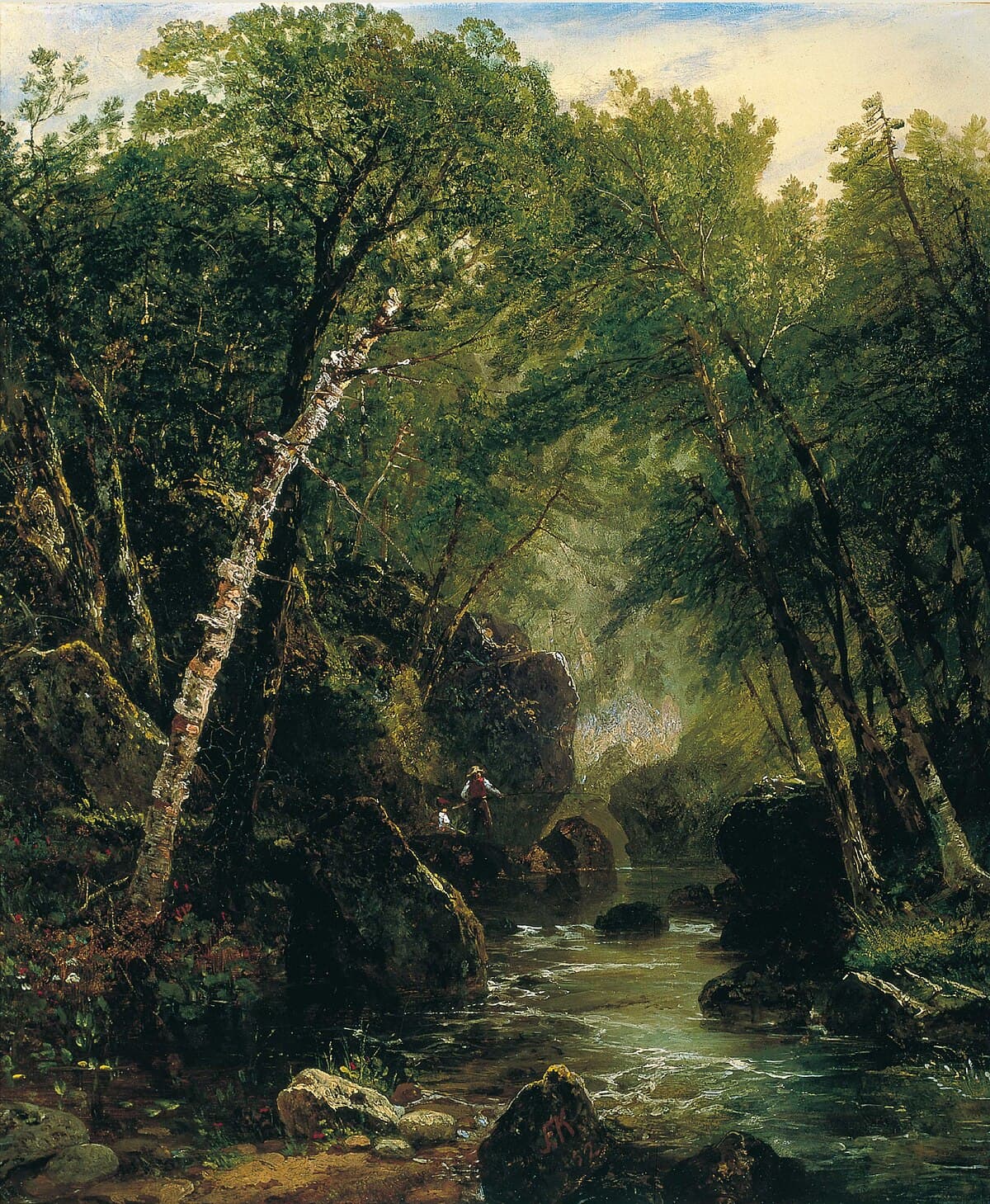
John Frederick Kensett
Thyssen-Bornemisza Museum, Madrid, Madrid
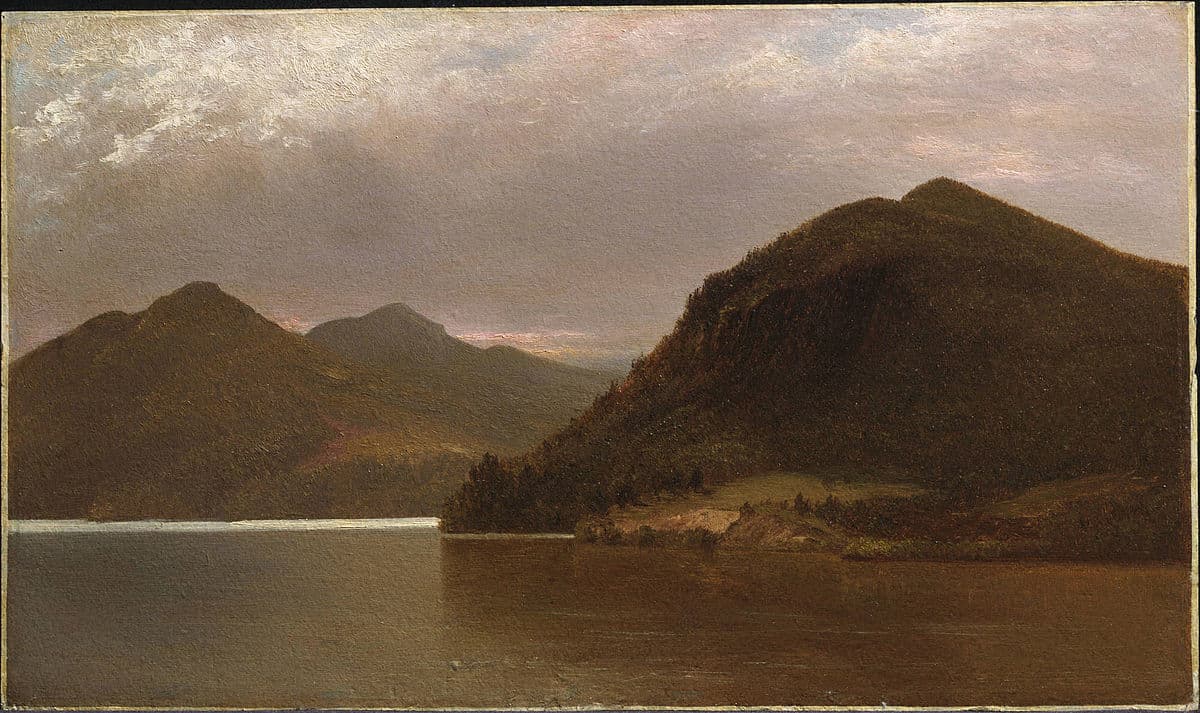
John Frederick Kensett
The Metropolitan Museum of Art, New York
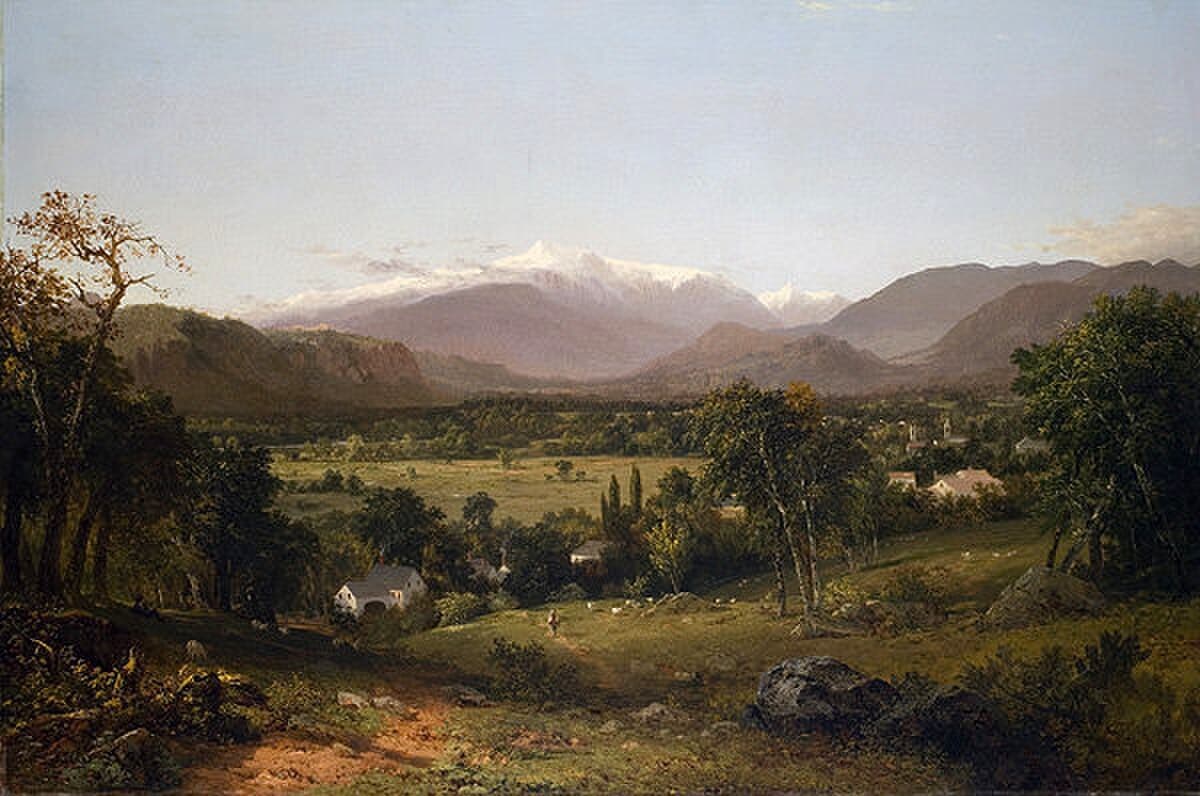
John Frederick Kensett, 1872
The Metropolitan Museum of Art, New York
Fitz Henry Lane, 1850
Museum of Fine Arts, Boston, Boston
Luxury decor featuring museum-quality canvas prints inspired by these iconic masterpieces.
Shop Luminism Art