Paolo Veronese
Italian·1528–1588
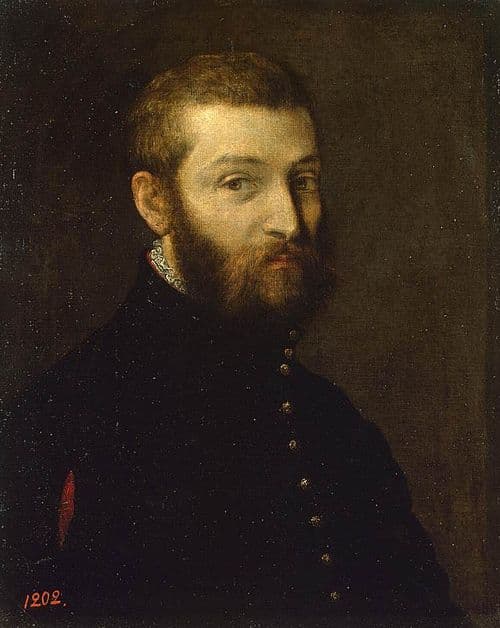
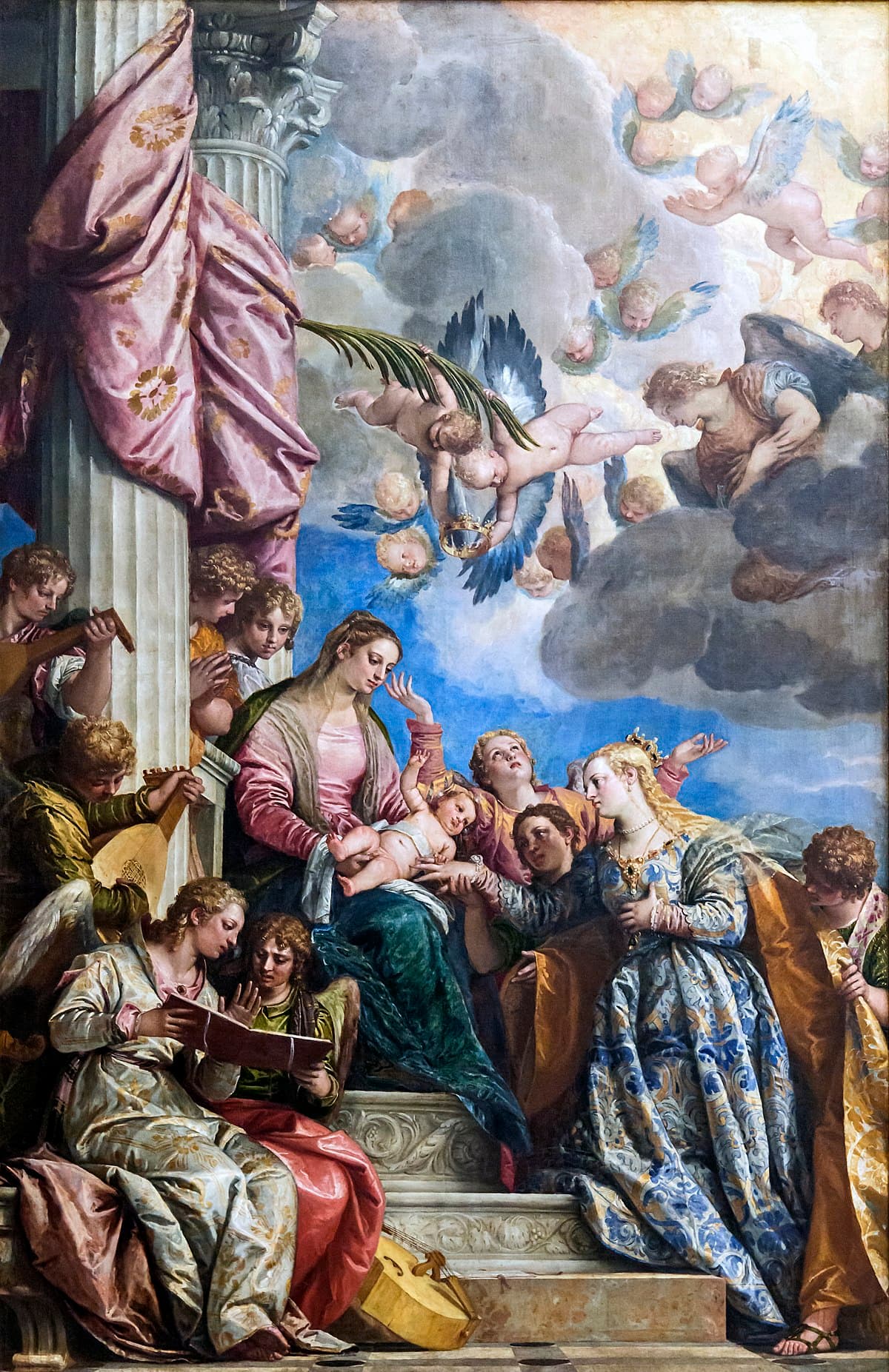
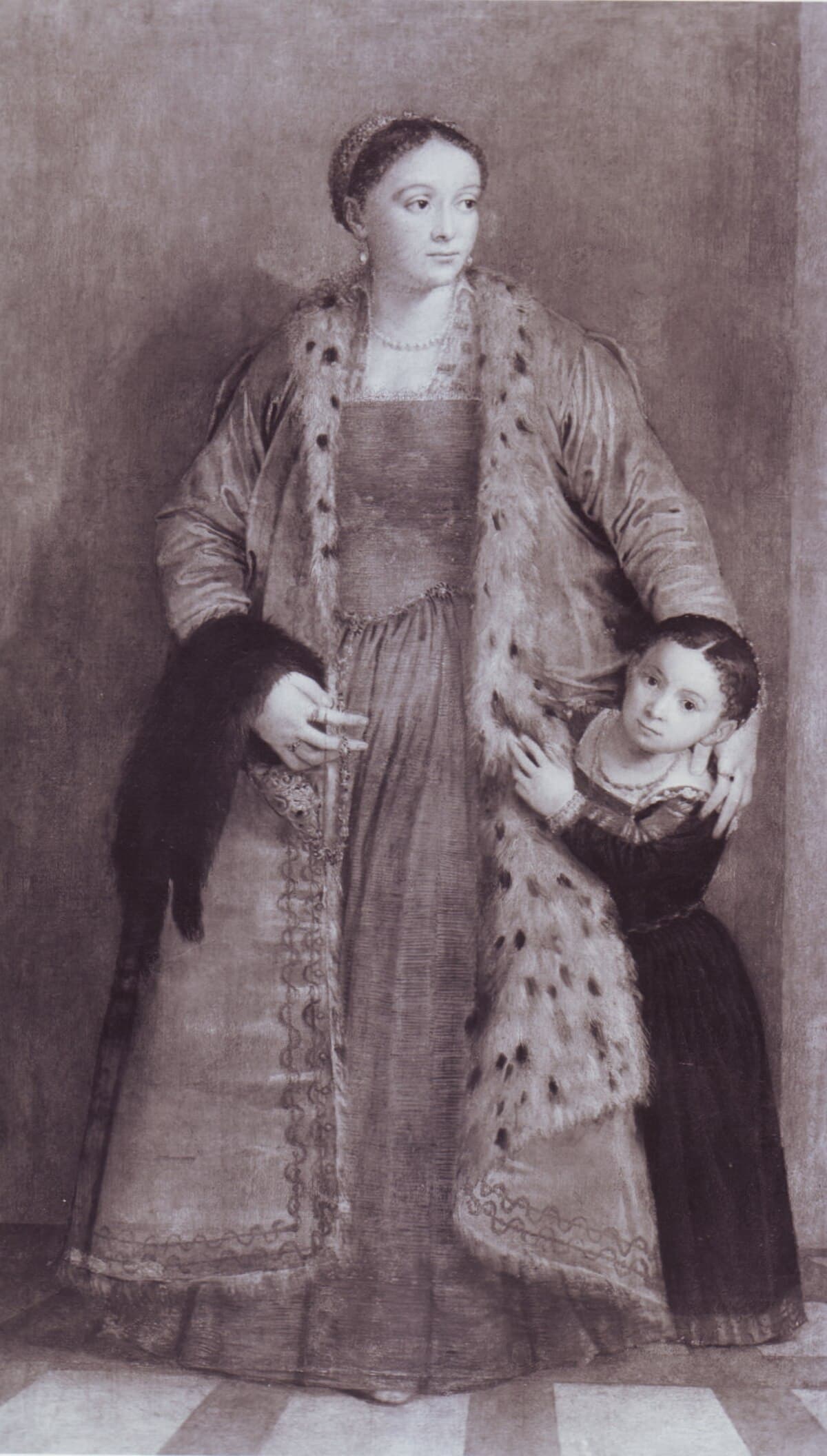
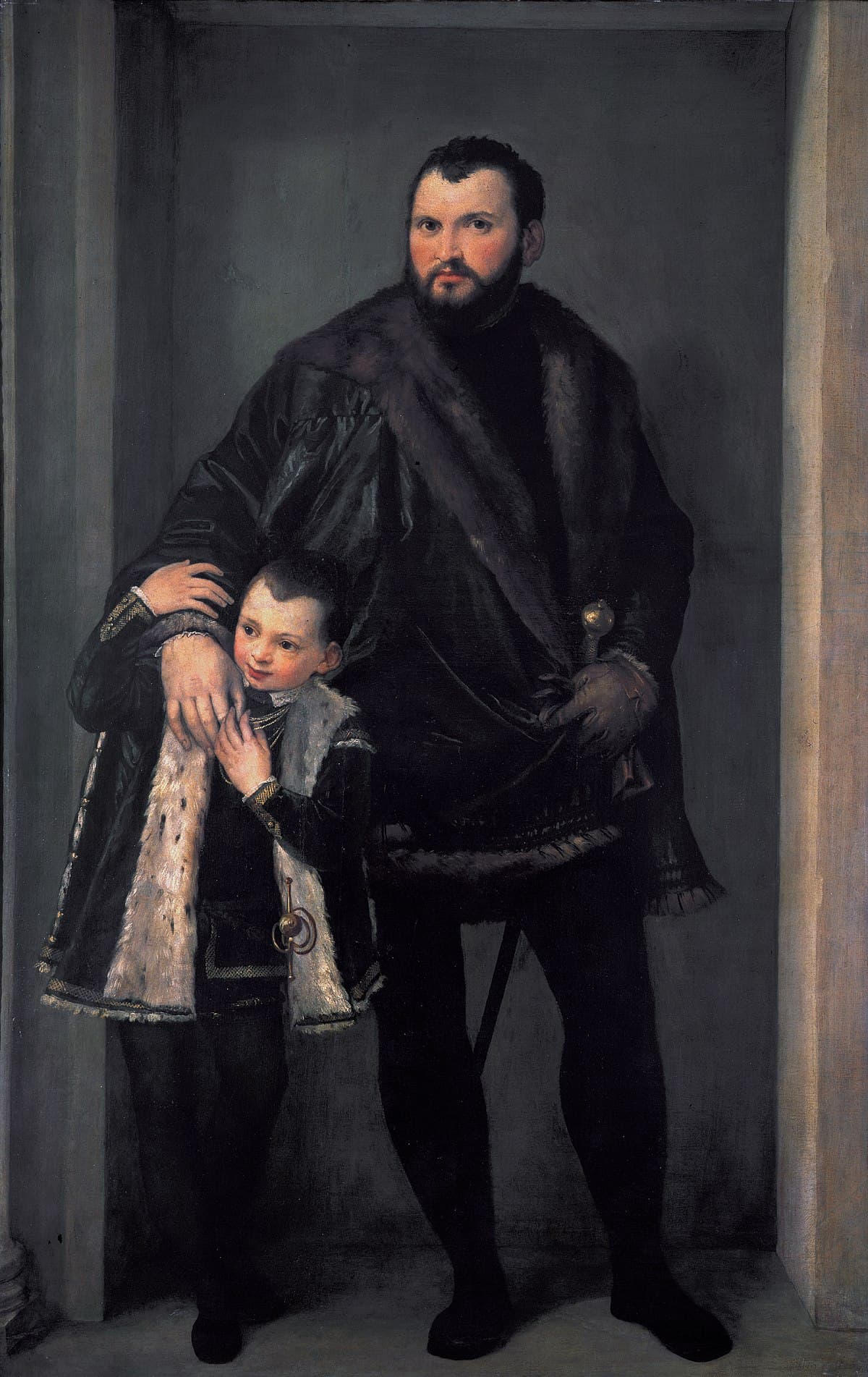
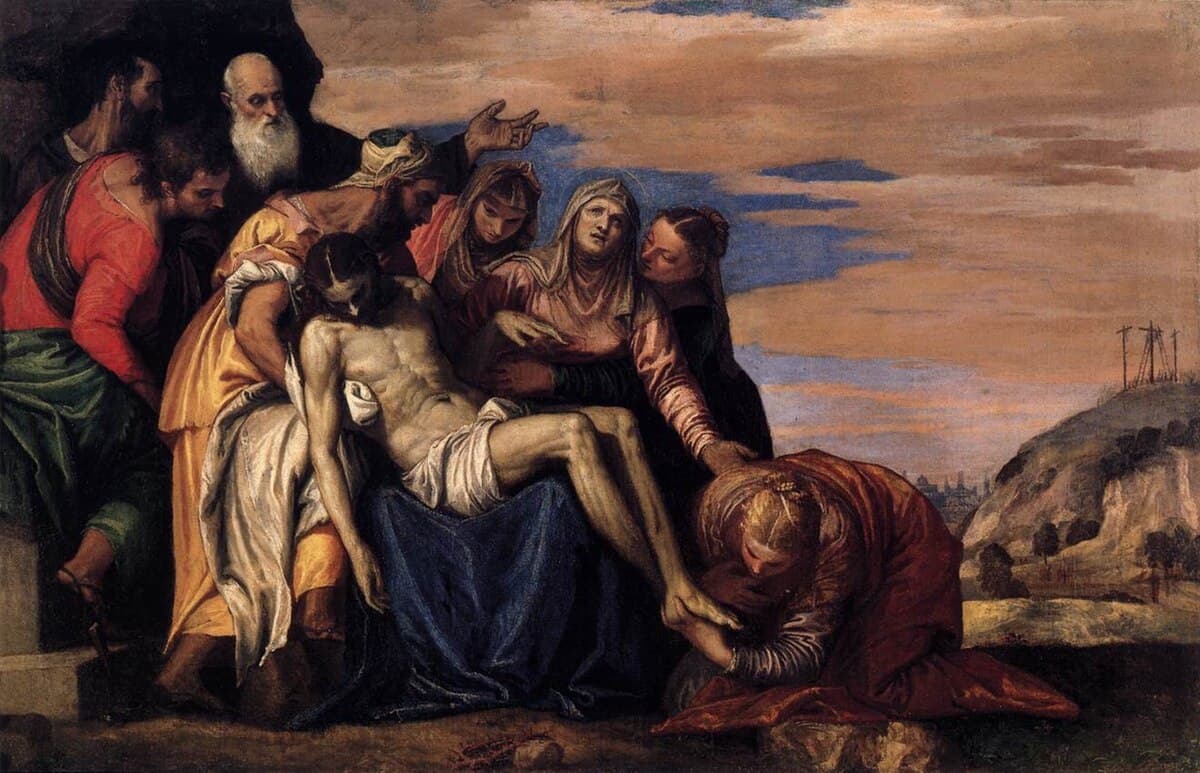
Paolo Veronese (1528–1588) painted Venice at its most opulent. Born Paolo Caliari in Verona (hence his nickname), he was the fifth child of a stonecutter. By fourteen, he had abandoned stone for canvas, apprenticing to the painter Antonio Badile. In 1553, he moved to Venice and never left. Along with Titian and Tintoretto, he formed the great trio that dominated Venetian Renaissance painting.
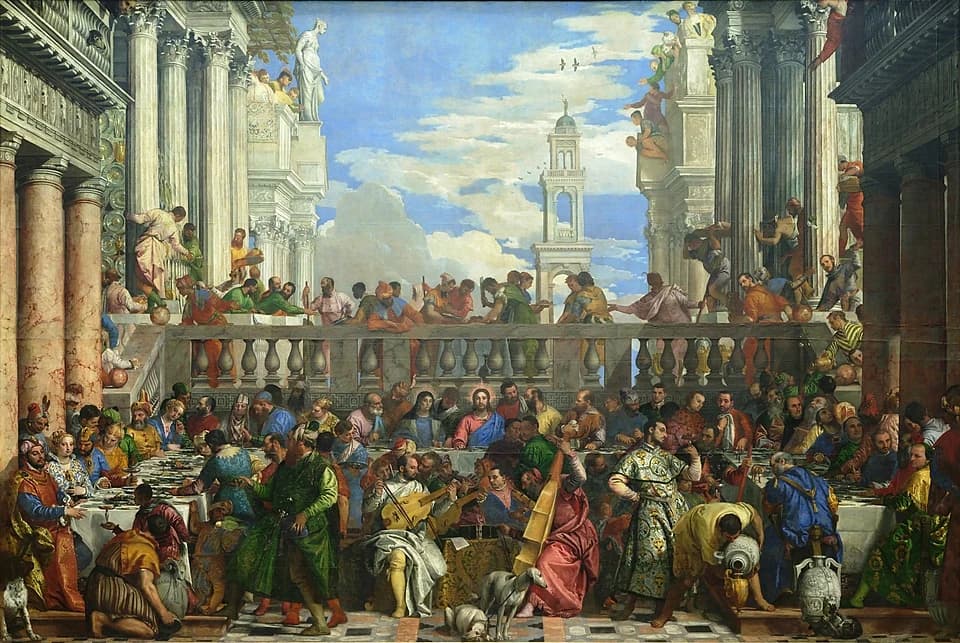
Veronese specialized in enormous narrative paintings filled with majestic architecture, glittering pageantry, and brilliant color. His Wedding at Cana (1562–63) measures nearly 70 square meters and depicts Christ's first miracle as a lavish Venetian feast, crowded with over 130 figures in contemporary dress. Napoleon's soldiers looted it from San Giorgio Maggiore in 1797; it now hangs in the Louvre opposite the Mona Lisa. His Feast in the House of Levi (1573) caused trouble with the Inquisition, who questioned the inclusion of "buffoons, drunkards, Germans, dwarfs, and similar vulgarities" in a sacred scene. Veronese's solution was practical: he simply changed the title.
He decorated the Doge's Palace and numerous Venetian churches, often working with architect Andrea Palladio. His influence stretched across centuries, from Rubens and Van Dyck to Tiepolo and Delacroix. He died in 1588 from a fever caught at a religious procession and was buried in San Sebastiano, the church he had almost single-handedly decorated. His works fill the National Gallery, Metropolitan Museum, and Venice's Gallerie dell'Accademia.