Pontormo
Italian·1494–1557
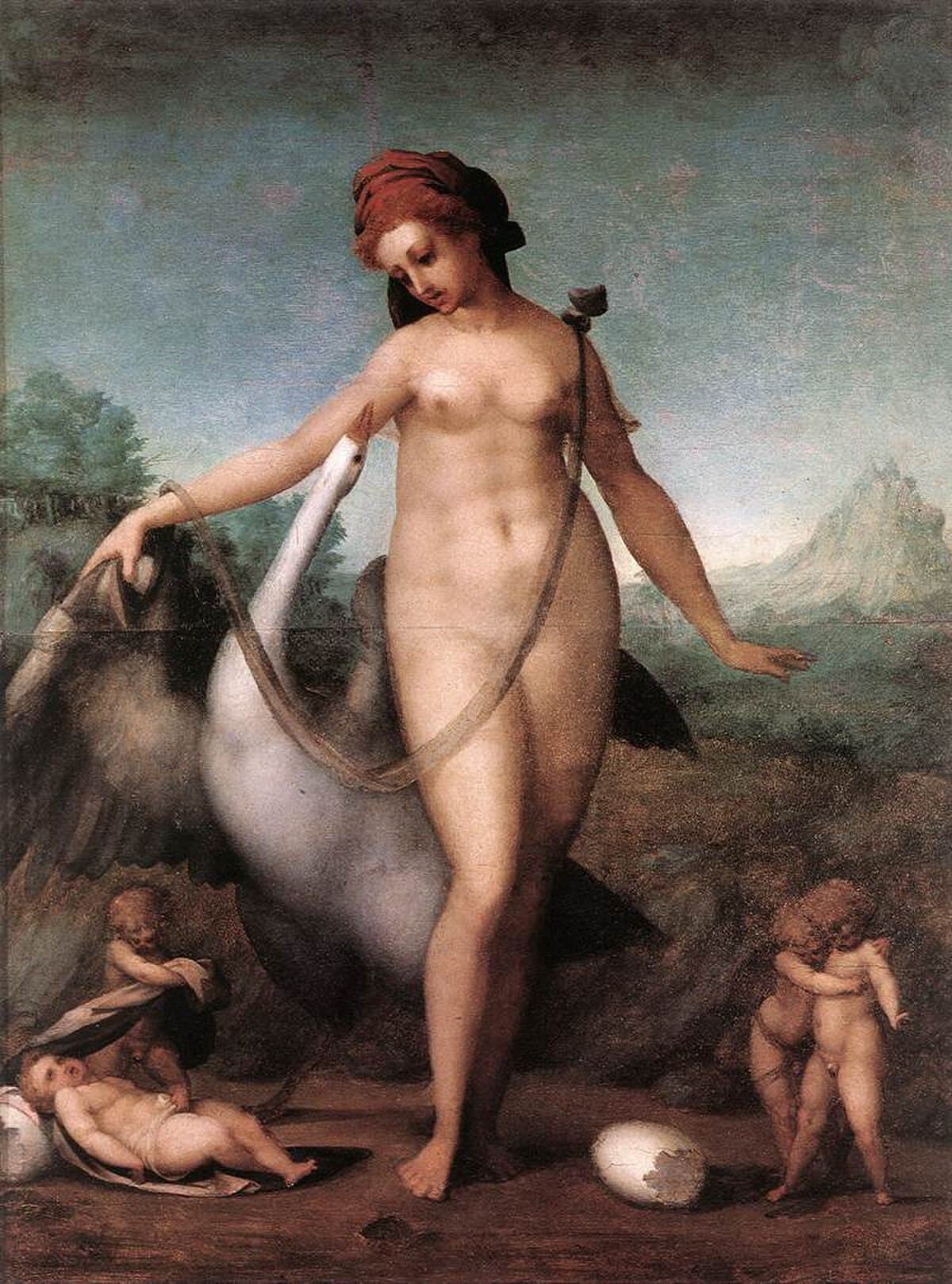
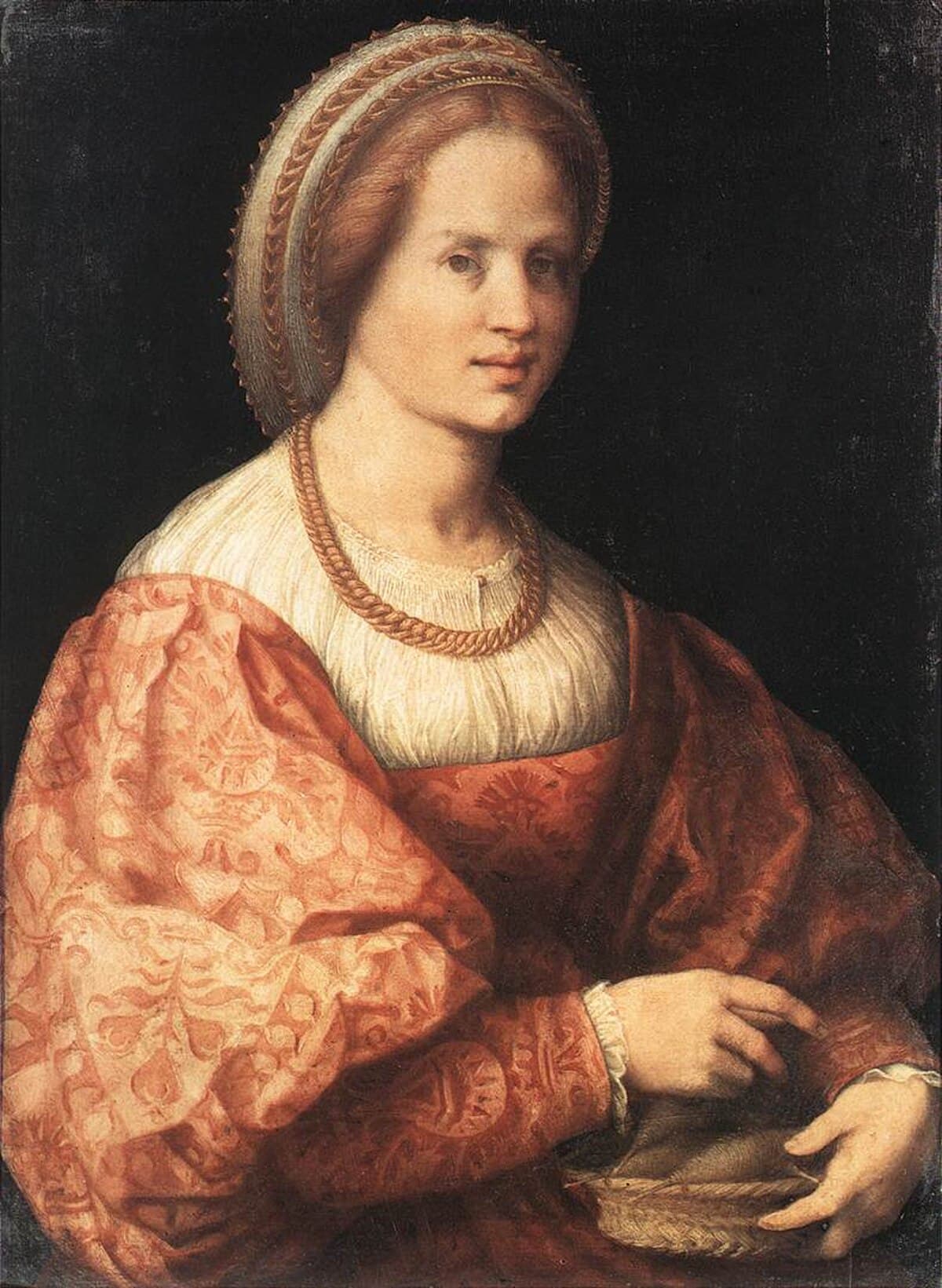
Jacopo da Pontormo (1494–1557) painted figures that seem to float in colored dreams. Born Jacopo Carucci in Pontormo near Empoli, he was orphaned young and passed through the workshops of Leonardo da Vinci, Piero di Cosimo, and Andrea del Sarto before emerging as Florence's most original painter.
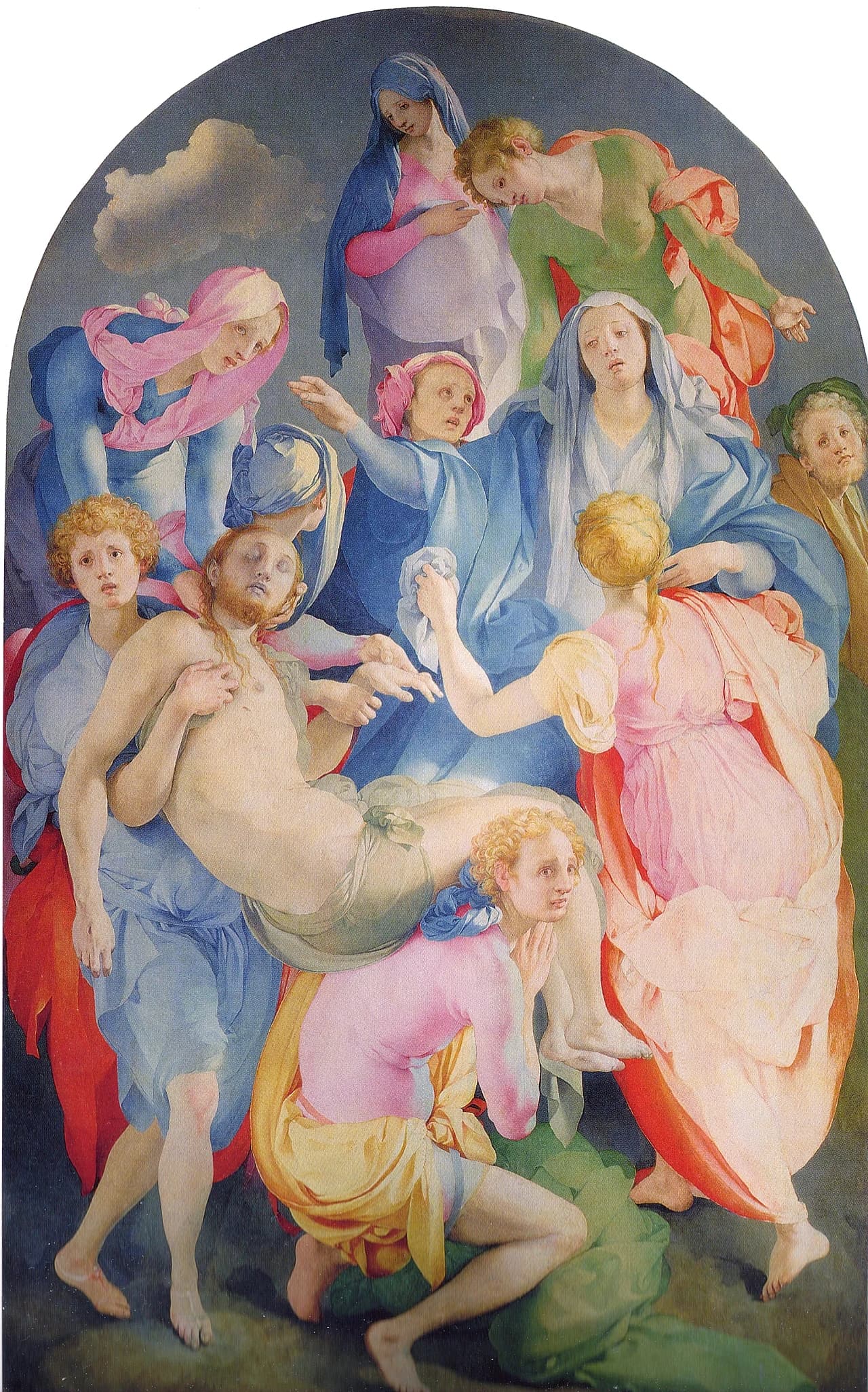
His work marks the break from High Renaissance harmony into Mannerism. Elongated bodies, ambiguous space, haunted faces, colors that seem to glow from within. His Deposition (1525–28) in the Capponi Chapel shows figures arranged in a spiral, their pale pink and blue robes impossibly bright, their grief somehow both theatrical and genuine. There's no cross, no ground, no clear source of light. Just bodies suspended in grief.
The Medici kept him busy. He painted frescoes at their villa at Poggio a Caiano, decorated their chapel at San Lorenzo, worked on their tombs. He was popular with the powerful. But according to biographer Giorgio Vasari, he was also deeply eccentric: reclusive, anxious, prone to obsessions. A diary survives from his last years (1554–57), recording his meals, his bowel movements, his moods. He spent the final decade of his life on the San Lorenzo frescoes, work known today only from drawings. The frescoes themselves were destroyed. His pupil was Agnolo Bronzino, who became the leading painter of late Florentine Mannerism. Pontormo's paintings are at the Uffizi Gallery in Florence, the Louvre, and the Metropolitan Museum of Art.
Notable Works by Pontormo
7 paintings catalogued with museum locations

Museums with Pontormo's Work
5 museums display Pontormo's works. Click any museum to see visiting info and the specific works they hold.
About Pontormo
Pontormo was a founder of Mannerism, the style that followed the High Renaissance. His work features elongated figures, unusual colors, and ambiguous space, deliberately breaking classical rules of proportion and perspective. He pushed Renaissance innovations toward expressive distortion.
His work is at the Uffizi Gallery in Florence, the Louvre in Paris, and the Metropolitan Museum of Art. The Deposition remains in its original location in the Capponi Chapel at Santa Felicita church in Florence.
He studied briefly with Leonardo da Vinci, Piero di Cosimo, and Andrea del Sarto. The influence of del Sarto, with whom he trained the longest, is most visible in his early work. He also studied Michelangelo's figures and Dürer's prints, absorbing diverse influences into his personal style.
Giorgio Vasari described him as eccentric and reclusive, so socially anxious he avoided company. A surviving diary from 1554-1556 reveals his obsessive tracking of meals, bowel movements, health, and moods. He pulled up the ladder to his upper-floor studio to prevent visitors, living in increasing isolation.
His most famous student was Agnolo Bronzino, who became the leading painter of late Florentine Mannerism and court portraitist to the Medici. Bronzino appears in Pontormo's paintings, and together they're considered central figures in the development of the Mannerist movement.
Love Pontormo's Style?
Explore art inspired by their style.
Browse Collection