Wikimedia Commons • Public Domain
Joseph Revealing Himself to His Brothers
by Pontormo
Artwork Details
Cite or Embed This Work
APA · MLA · Chicago1-click academic citation and embeddable “On View” museum badge for articles, syllabi, and research.
Pontormo completed this panel around 1516 as part of the celebrated Borgherini cycle depicting scenes from the life of Joseph. The painting shows the dramatic moment when Joseph, now a powerful Egyptian official, reveals his true identity to the brothers who had sold him into slavery years before. Their father Jacob believed Joseph dead, and this reunion would ultimately bring the entire family to Egypt.
The work belongs to a unique decorative ensemble commissioned by Salvi Borgherini for his son Pierfrancesco's bridal chamber in Florence. Several painters contributed to the cycle, including Andrea del Sarto, Granacci, and Bacchiacca, but Pontormo's panels are considered the most innovative. The crowded composition, artificial colors, and elongated figures mark the transition from High Renaissance to Mannerism.
It now hangs at the National Gallery in London, along with Pontormo's other Joseph panels. The Borgherini paintings were originally installed as decorative panels in wooden furniture, making their preservation as individual works notable.
More by Pontormo
View all →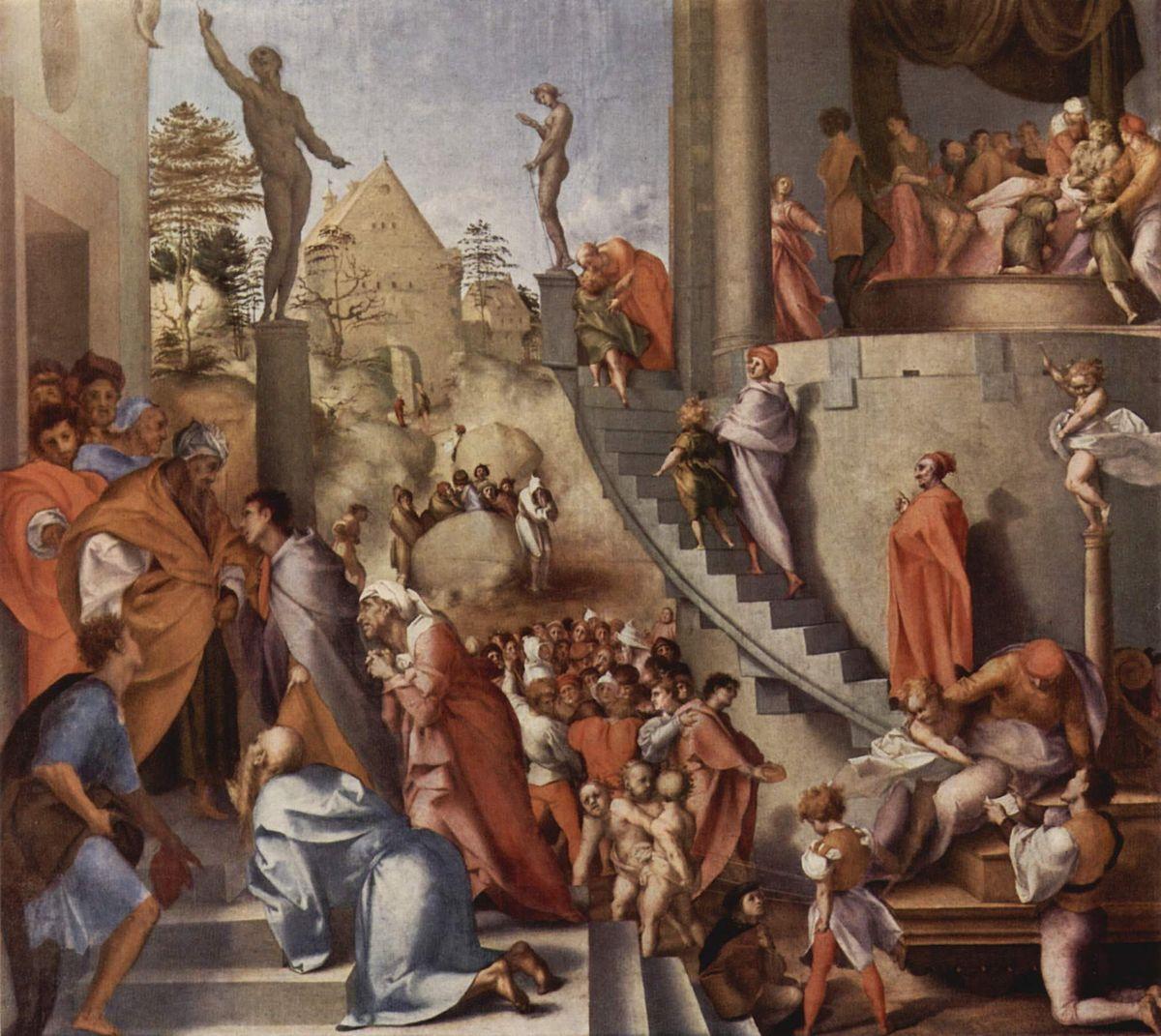

Also at National Gallery
View all →T
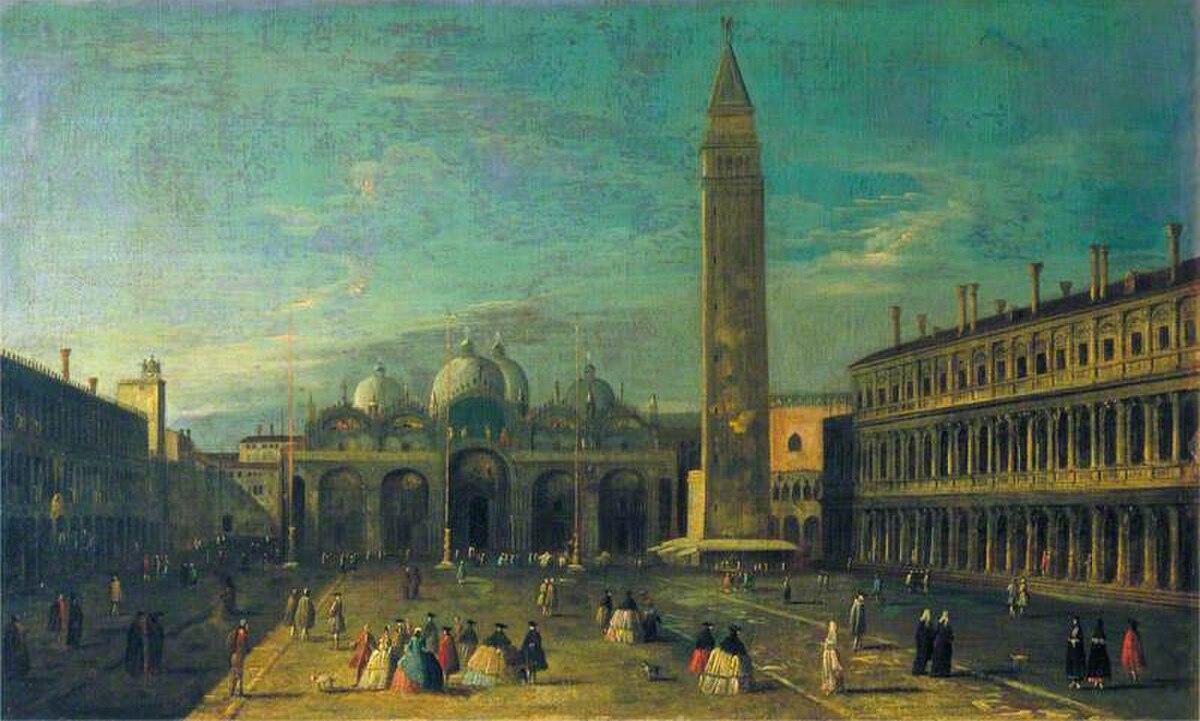
The Piazza San Marco towards the Basilica
Francesco Guardi
National Gallery, London
T
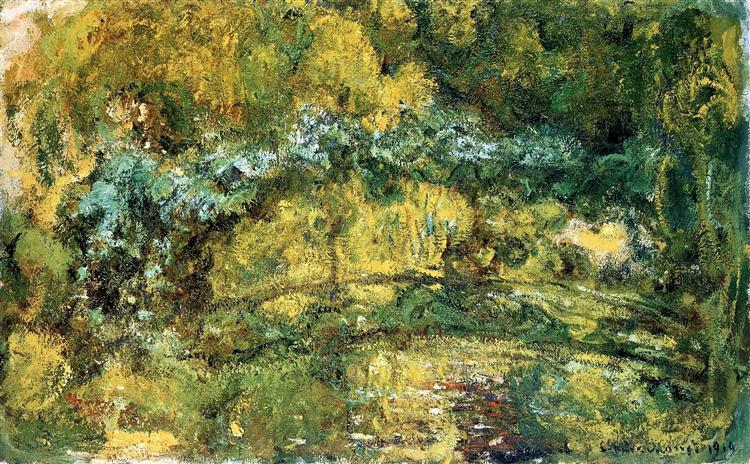
The Japanis Bridge (Footbridge over the Water-Lily Pond)
Claude Monet
National Gallery, London
J
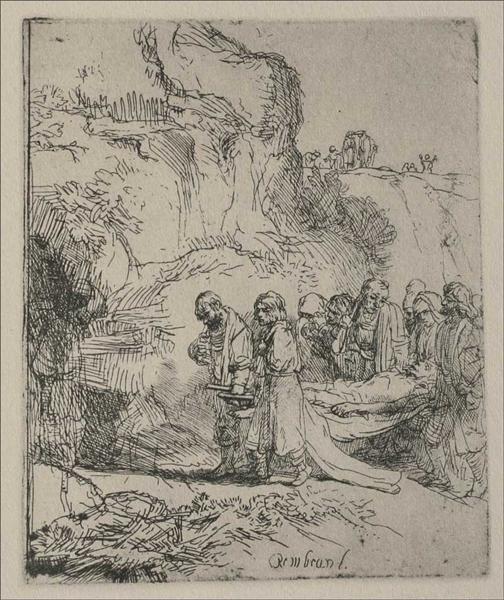
Jesus Christ s Body Carried to the Tomb
Rembrandt van Rijn
National Gallery, London
M
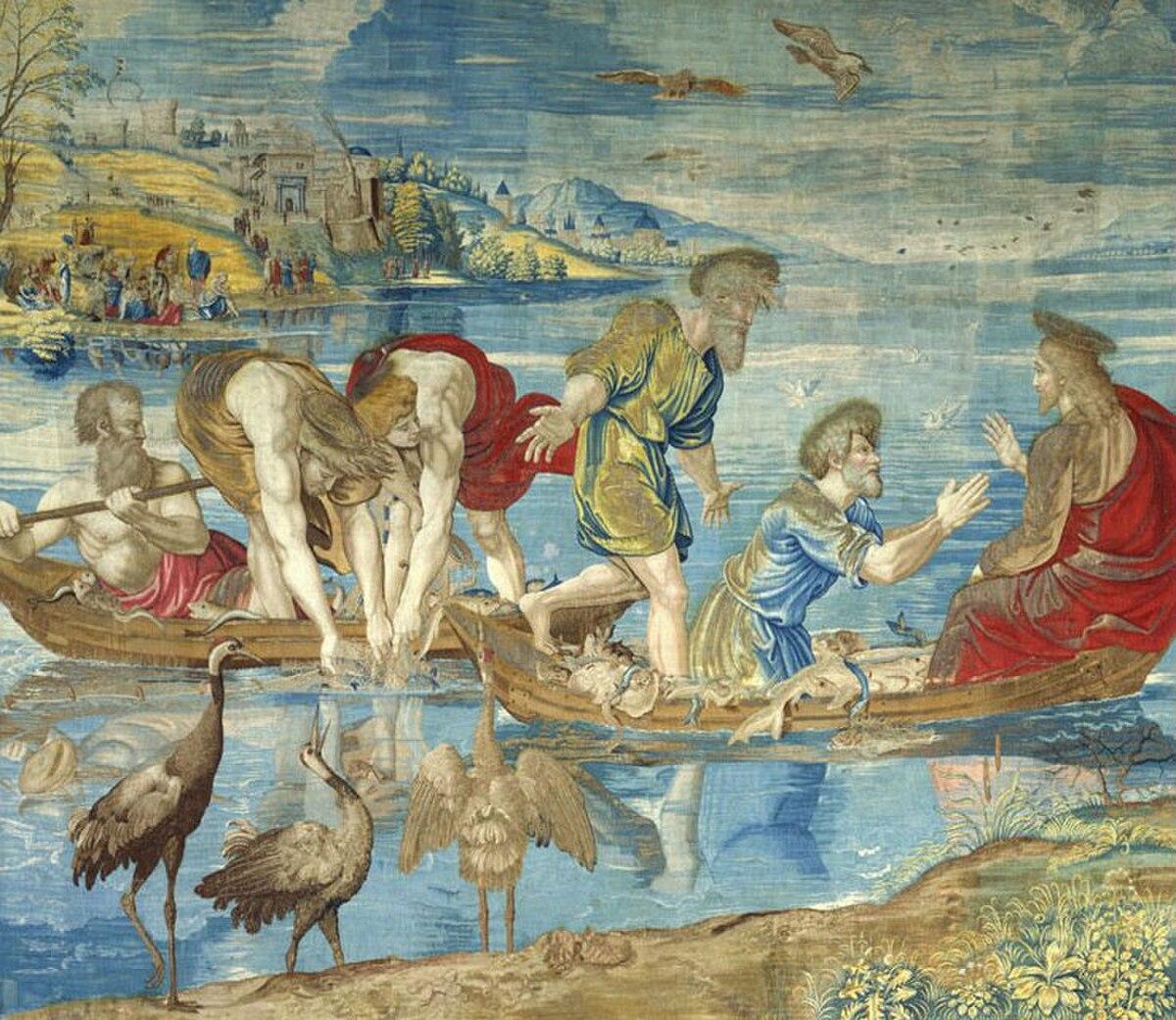
Miraculous Draught of Fishes
Raphael
National Gallery, London
Related Works
Works that share an artist, movement, museum, genre, palette or theme with Joseph Revealing Himself to His Brothers.
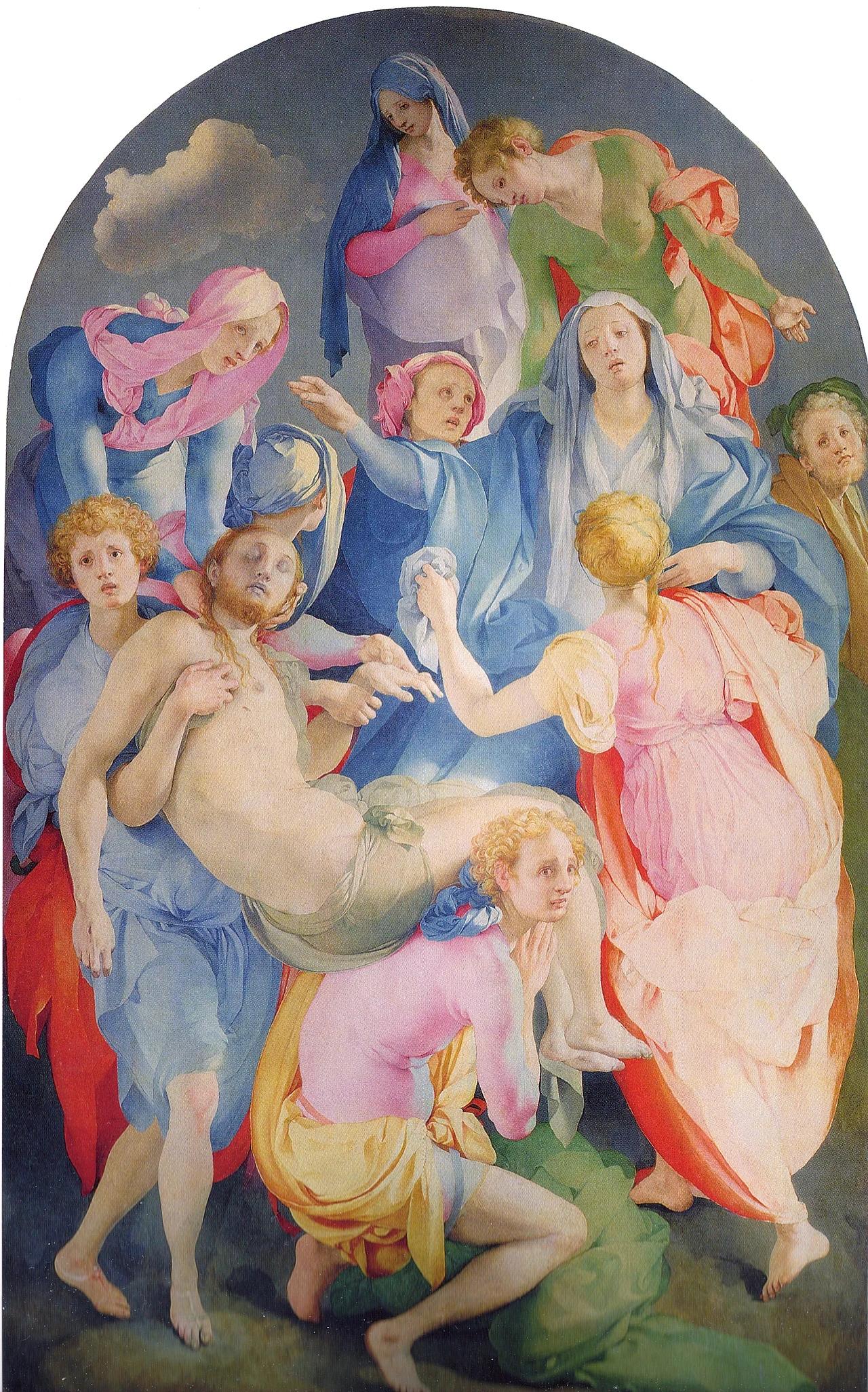
- Same artist
Deposition from the Cross
Pontormo, 1528
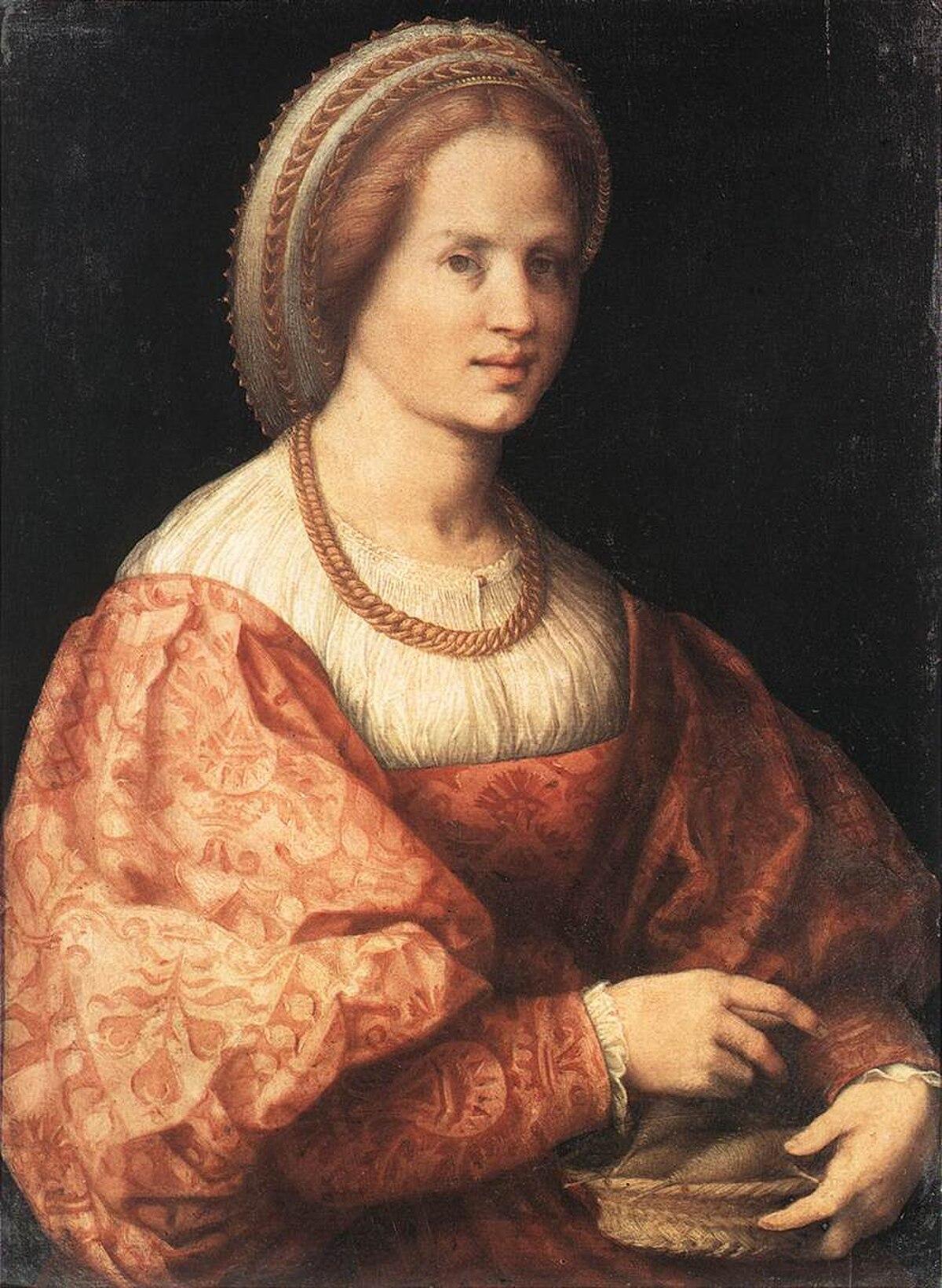
- Same artist
Lady with a Basket of Spindles
Pontormo
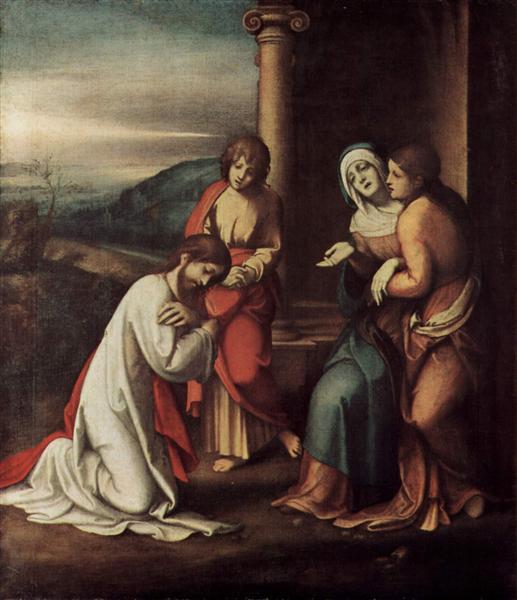
- Same museum
Departure of Christ from Mary, with Mary and Martha, the sisters of Lazarus
Correggio
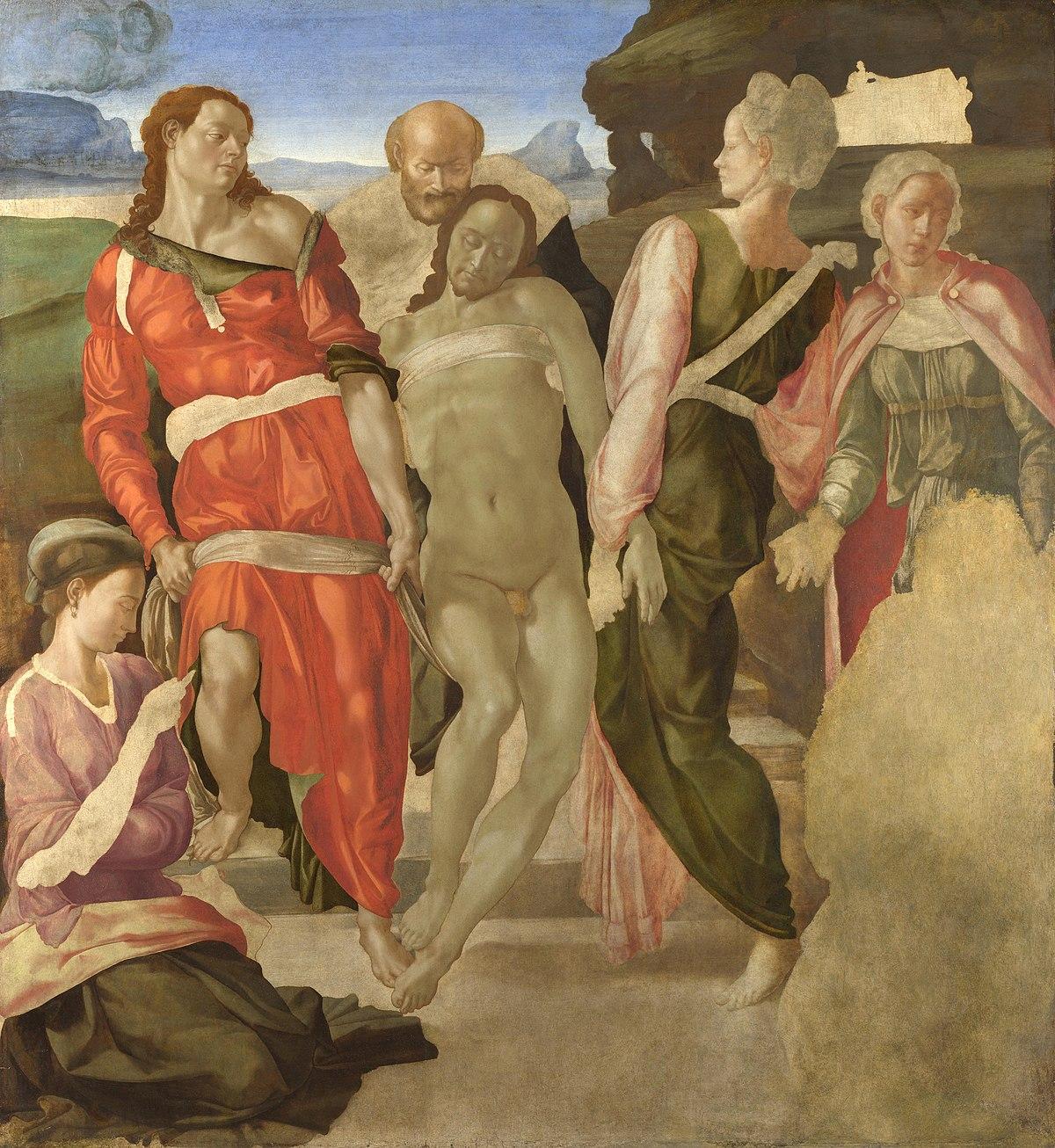
- Same museum
The Entombment
Michelangelo
- Same museum
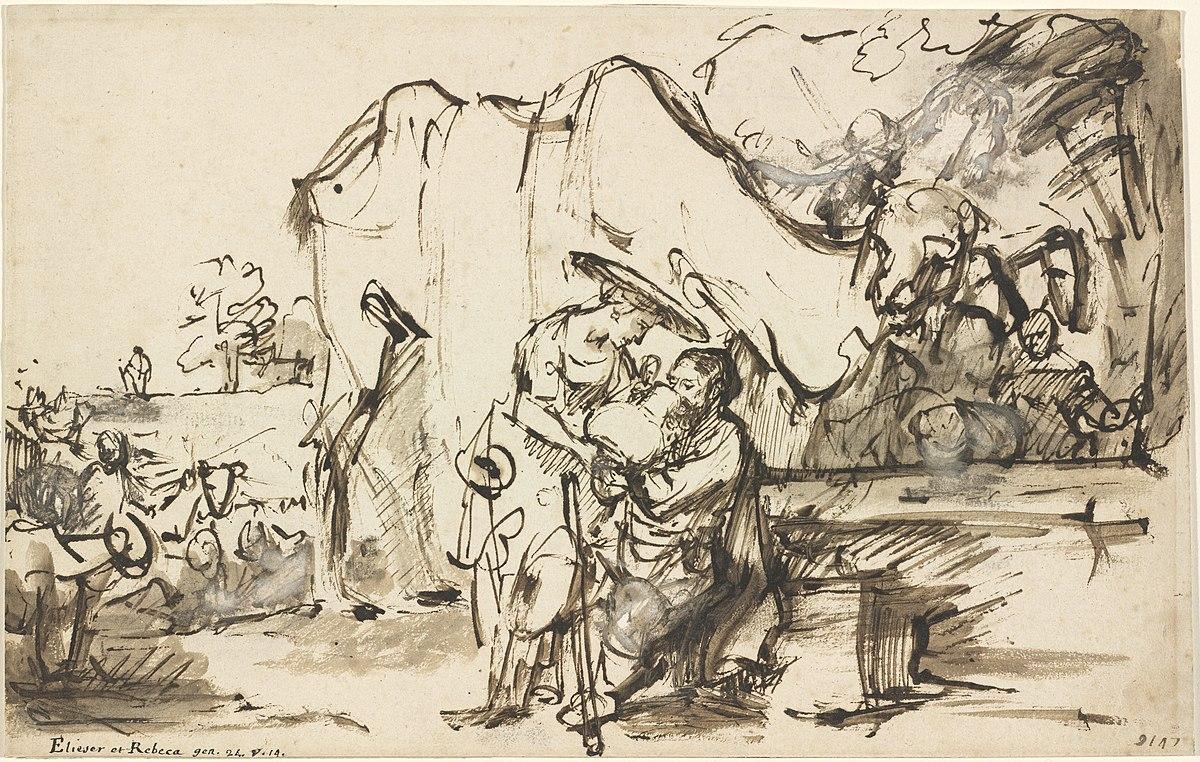
Eliezer and Rebecca at the Well
Rembrandt van Rijn
- Same museum
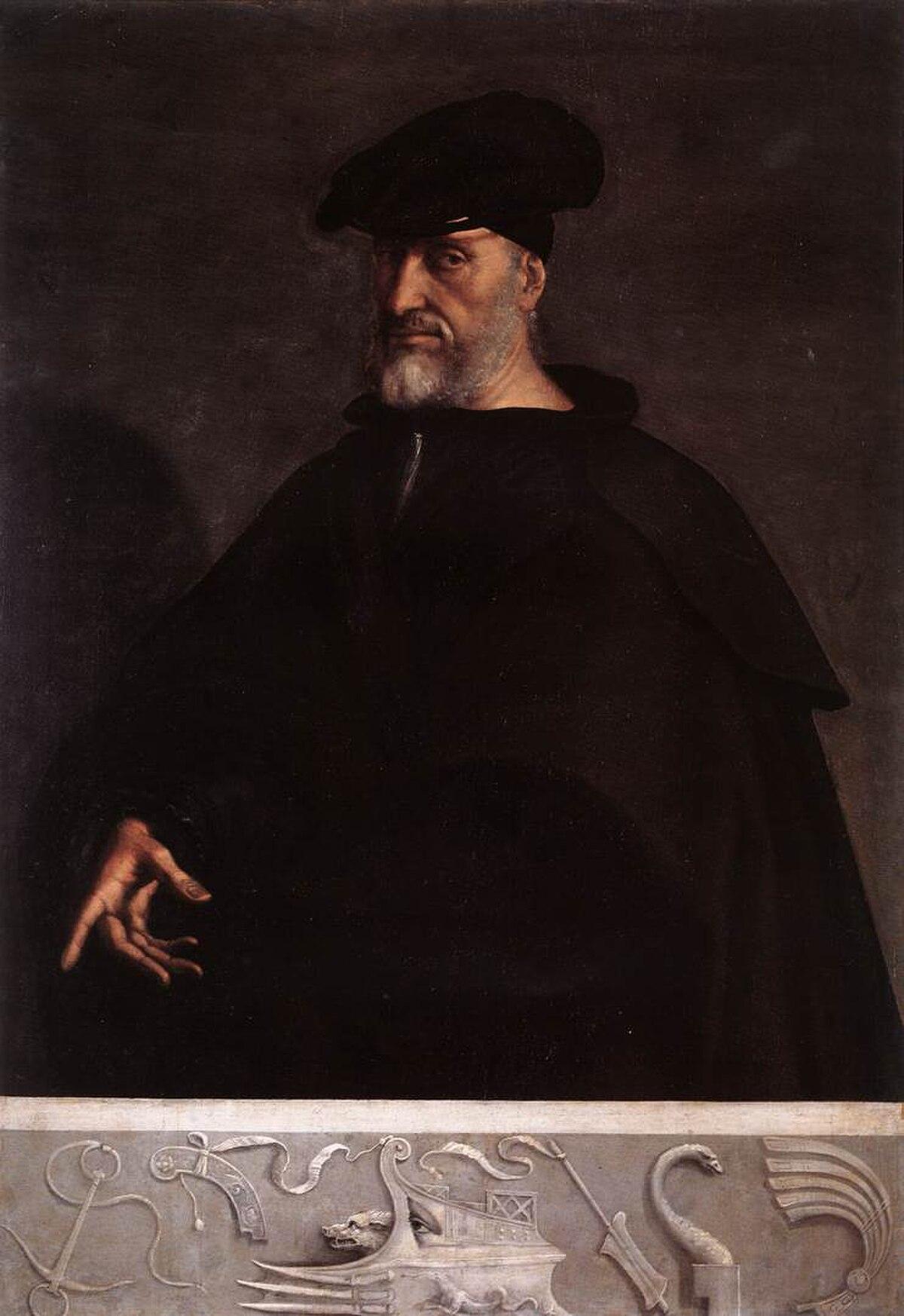
The Raising of Lazarus
Sebastiano del Piombo, 1519
- Same museum
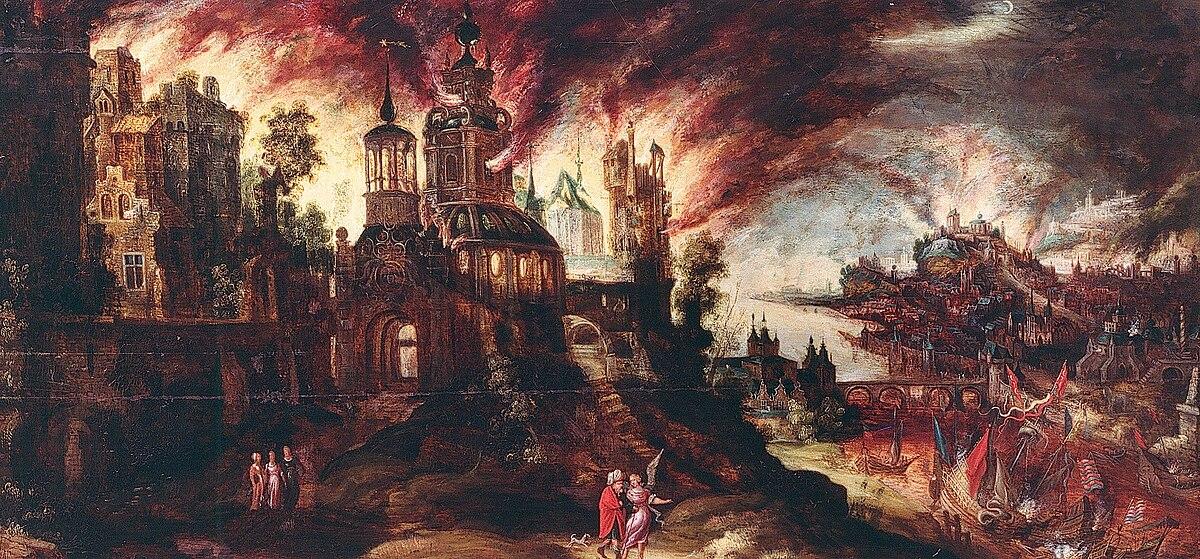
Lot and His Family Leaving Sodom
Rembrandt van Rijn
- Same museum
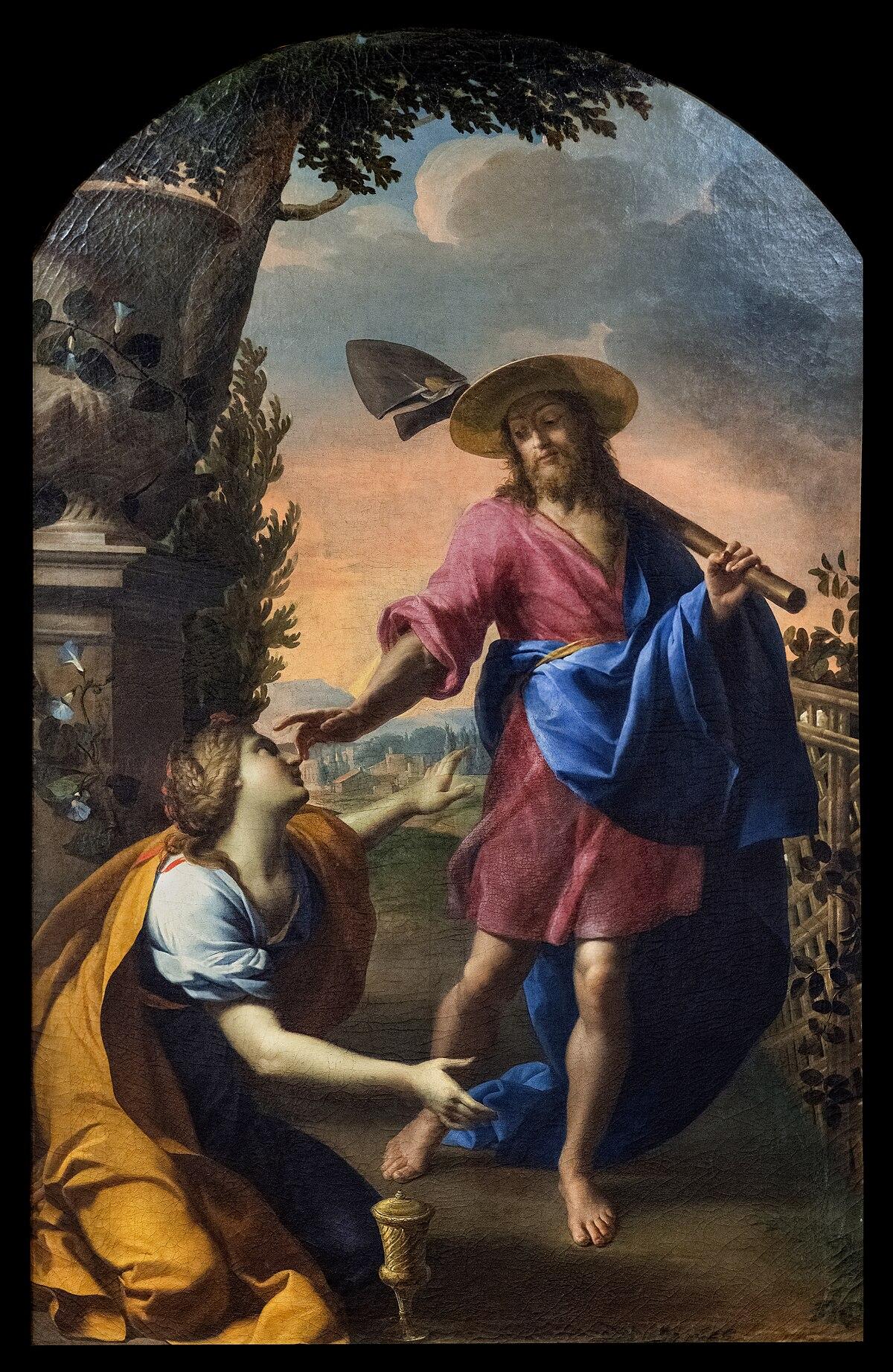
Christ and St. Mary Magdalene at the Tomb
Rembrandt van Rijn
- Same museum
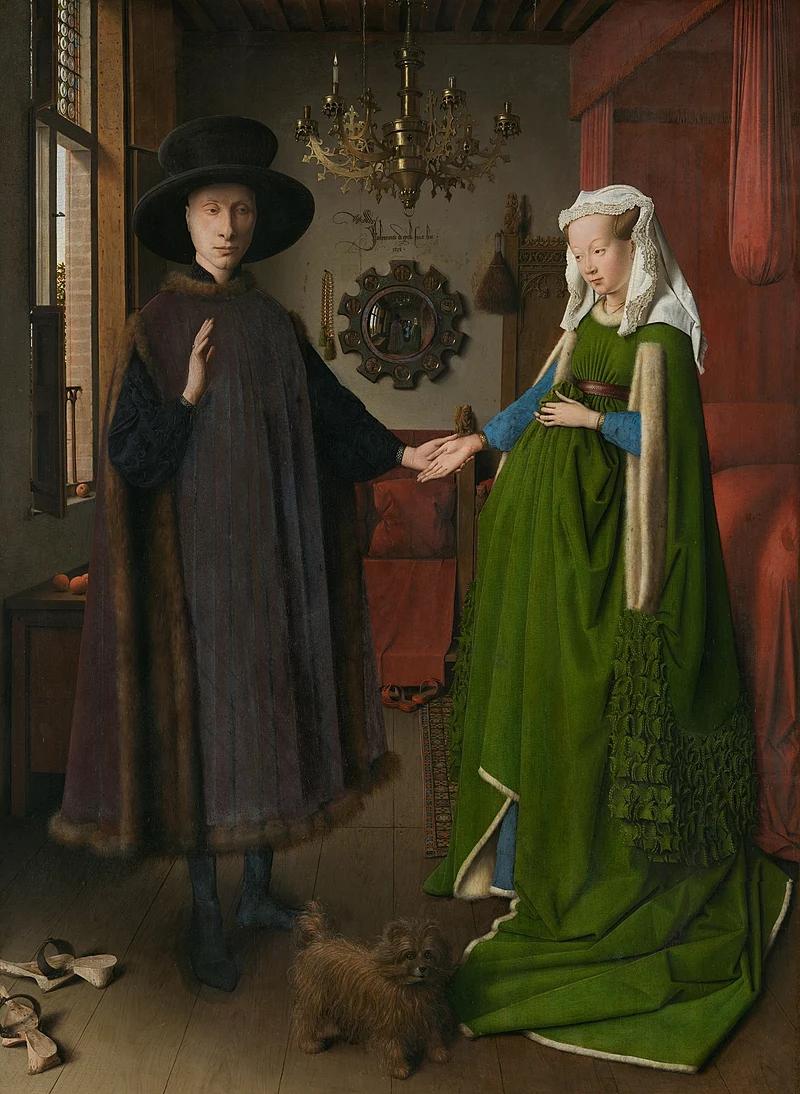
Arnolfini Portrait
Jan van Eyck, 1434
- Same museum
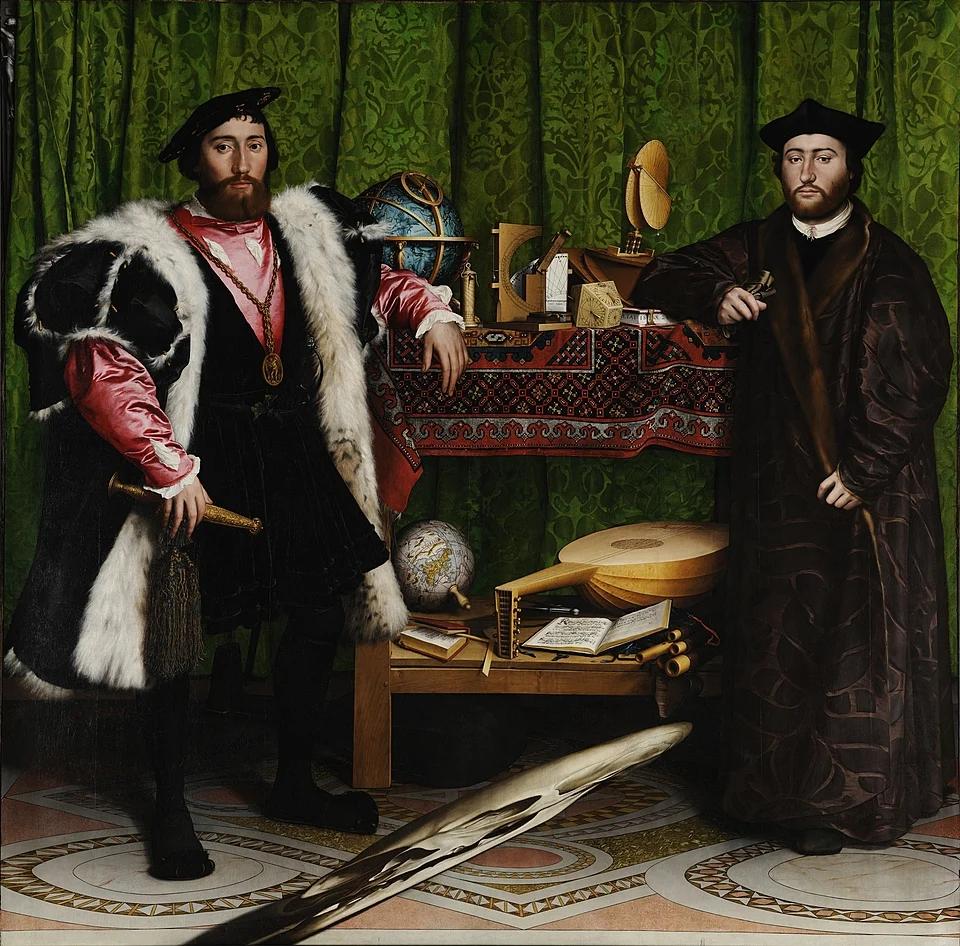
The Ambassadors
Hans Holbein the Younger, 1533
- Same museum
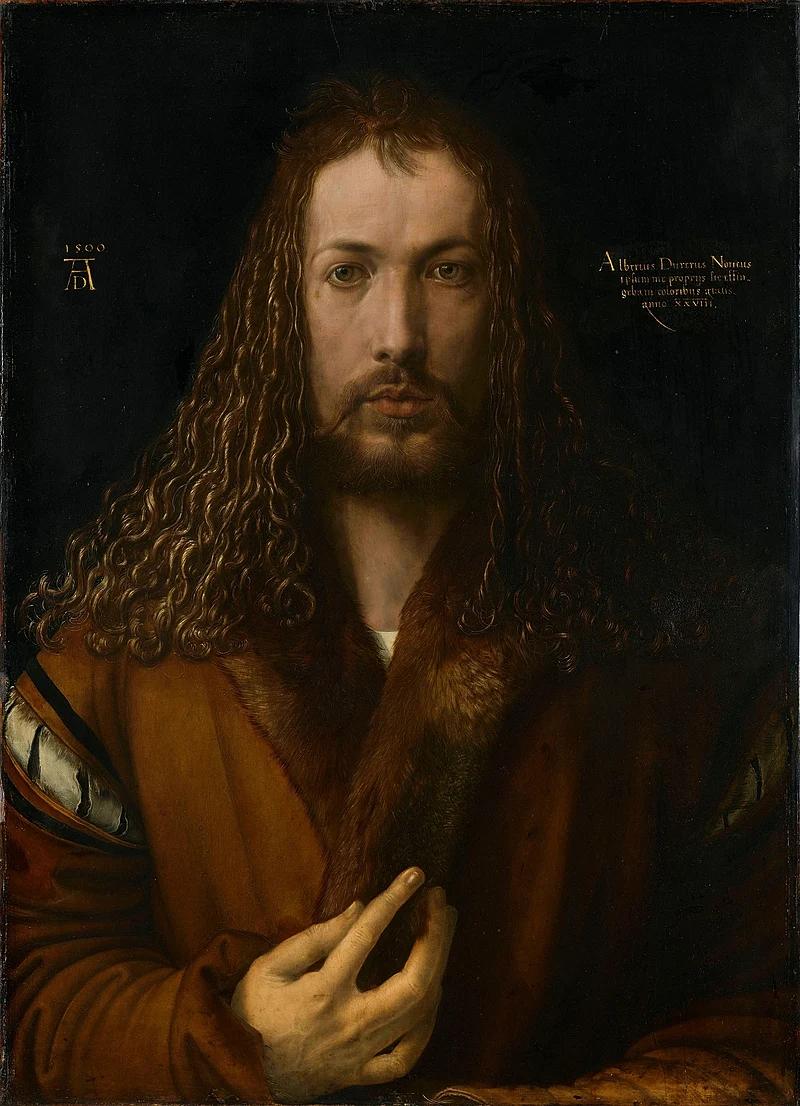
Self-Portrait at Twenty-Eight
Albrecht Dürer, 1500
- Same museum
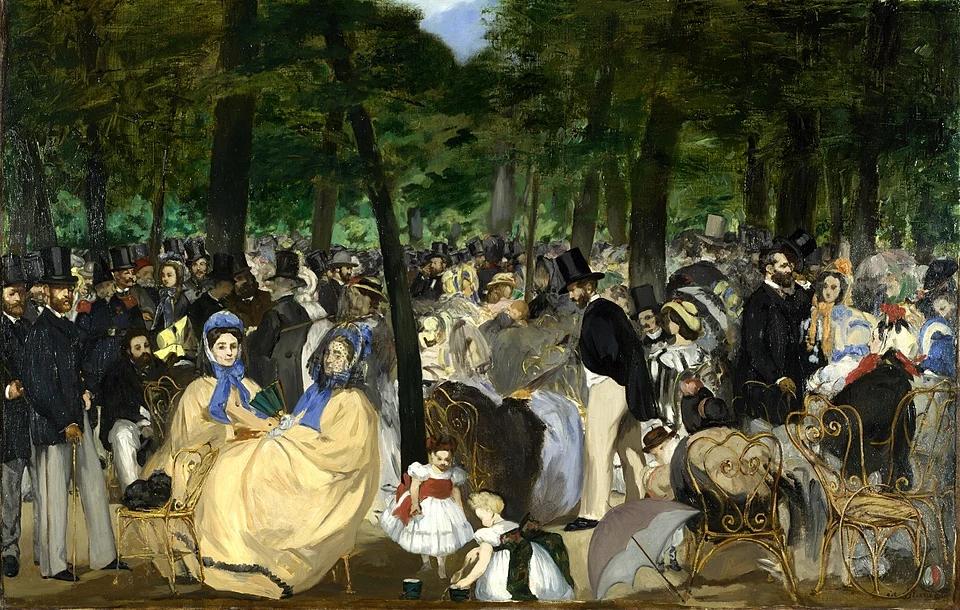
Music in the Tuileries
Édouard Manet, 1862
About Joseph Revealing Himself to His Brothers
This Pontormo panel is at the National Gallery in London. It's displayed alongside the artist's other panels from the Borgherini commission.
It depicts the moment Joseph reveals his identity to the brothers who sold him into slavery. Now a powerful Egyptian official, Joseph forgives them and arranges for his family to join him.
This is an early example of Mannerism, showing the transition from High Renaissance balance. Pontormo's elongated figures and artificial colors break classical rules.
Own Art Like This
Luxury wall art with the same mood and energy. Gallery-quality canvas, no museum crowds.
Browse Collection