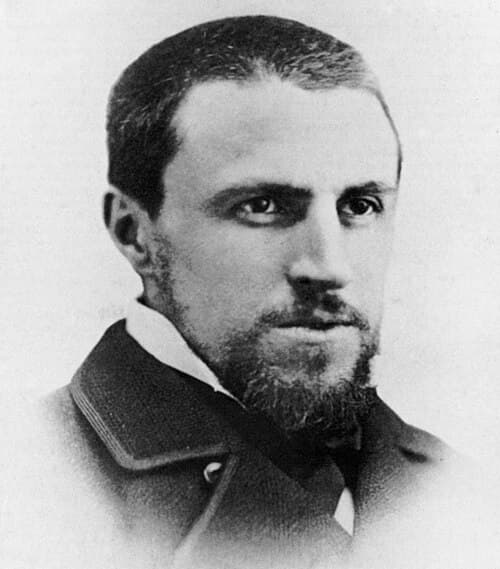
Wilhelm Leibl
German·1844–1900

Wilhelm Leibl (1844–1900) was Germany's greatest Realist painter. Born in Cologne, the son of the Cathedral choir director, he initially trained as a locksmith before his drawing talent was recognized. He entered the Munich Academy in 1864, studying with Carl Theodor von Piloty and establishing a group studio with fellow young painters.
In 1869, Gustave Courbet came to Munich to exhibit his work, making a powerful impact on Leibl and his circle. After studying Courbet's method, Leibl's paintings became looser, their subjects depicted with thick impasto against dark backgrounds. At Courbet's suggestion, Leibl went to Paris, where he met Édouard Manet. The Franco-Prussian War forced his return in 1870.
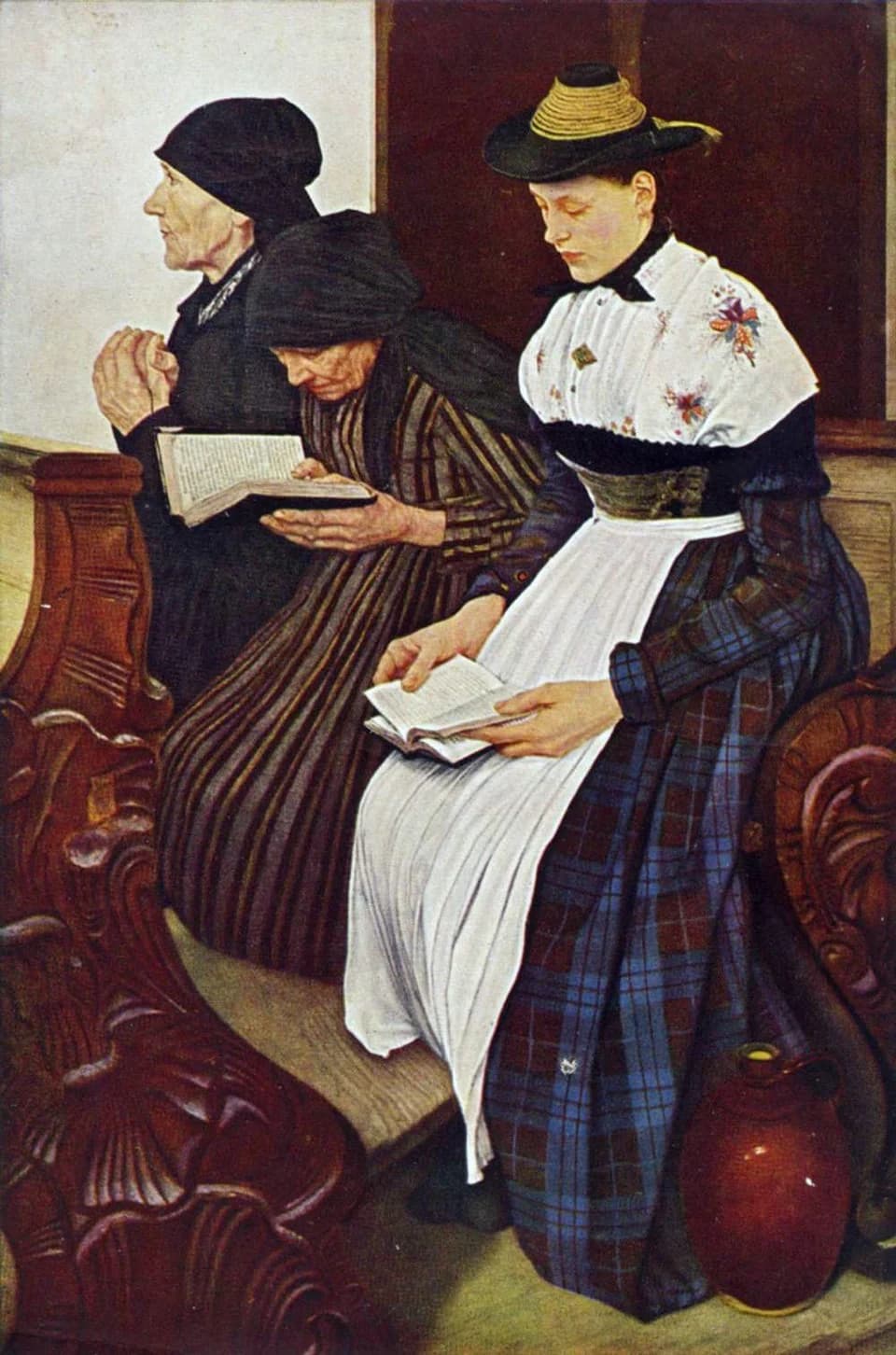
In 1873, Leibl left Munich for the isolated Bavarian countryside, where he spent the rest of his life painting peasants without sentimentality or anecdote. His masterpiece, Three Women in Church (1878–1882), took four years to complete and recalls the clarity of Holbein. This period is known as his "Holbein period" for its disciplined precision. He led a group called the Leibl-Kreis (Leibl Circle), including Carl Schuch and Wilhelm Trübner. Unlike Impressionists, Leibl painted without preliminary drawing, working directly with color. He visited the Netherlands in 1898 and exhibited at the Berlin Secession in 1899. He died in Würzburg in 1900. His work is held at the Alte Pinakothek in Munich and the Kunsthalle Hamburg.
Notable Works by Wilhelm Leibl
2 paintings catalogued with museum locations
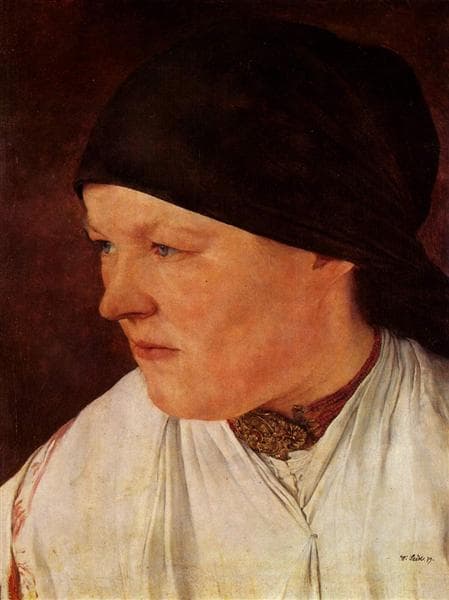
Museums with Wilhelm Leibl's Work
2 museums display Leibl's works. Click any museum to see visiting info and the specific works they hold.
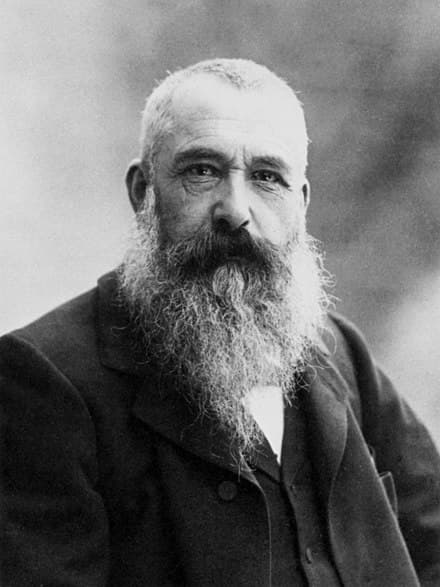
Related Artists
Other Impressionism artists you might like
About Wilhelm Leibl
Leibl was Germany's leading Realist painter, inspired by Gustave Courbet's direct approach. He led the Leibl-Kreis (Leibl Circle), a group of German realists who rejected Academic idealization. His peasant subjects are painted with unflinching honesty, earning comparison to Hans Holbein's clarity.
His work is at the Alte Pinakothek and Neue Pinakothek in Munich. The Kunsthalle Hamburg holds his masterpiece Three Women in Church. Other German museums in Cologne, Frankfurt, and Berlin display his portraits and genre scenes.
Three Women in Church (1878-1882), which took nearly four years to complete, shows three generations of peasant women at prayer in Bavarian costume. Its precise realism recalls Holbein's clarity. The painting established Leibl as one of Germany's greatest Realist painters and remains his most celebrated work.
Gustave Courbet was the defining influence. When Courbet visited Munich in 1869, he was so impressed by Leibl's portrait of Frau Gedon that he invited the young German to Paris. Leibl spent nine months there before the Franco-Prussian War forced his return. Courbet's alla prima technique transformed Leibl's approach.
Leibl painted without preliminary drawing, working directly with color in the manner Courbet demonstrated. This approach paralleled aspects of Impressionism despite his Realist subject matter. He worked slowly and meticulously, often spending years on single canvases to achieve his remarkably detailed surfaces.
Love Wilhelm Leibl's Style?
Explore art inspired by Impressionism.
Browse Collection