Public Domain
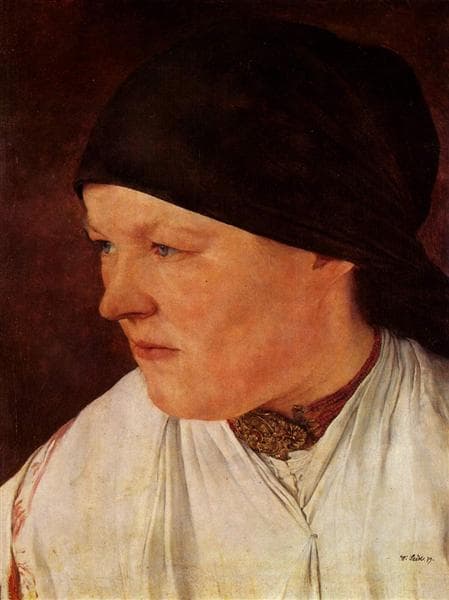
Head of a Farm Girl
Artwork Details
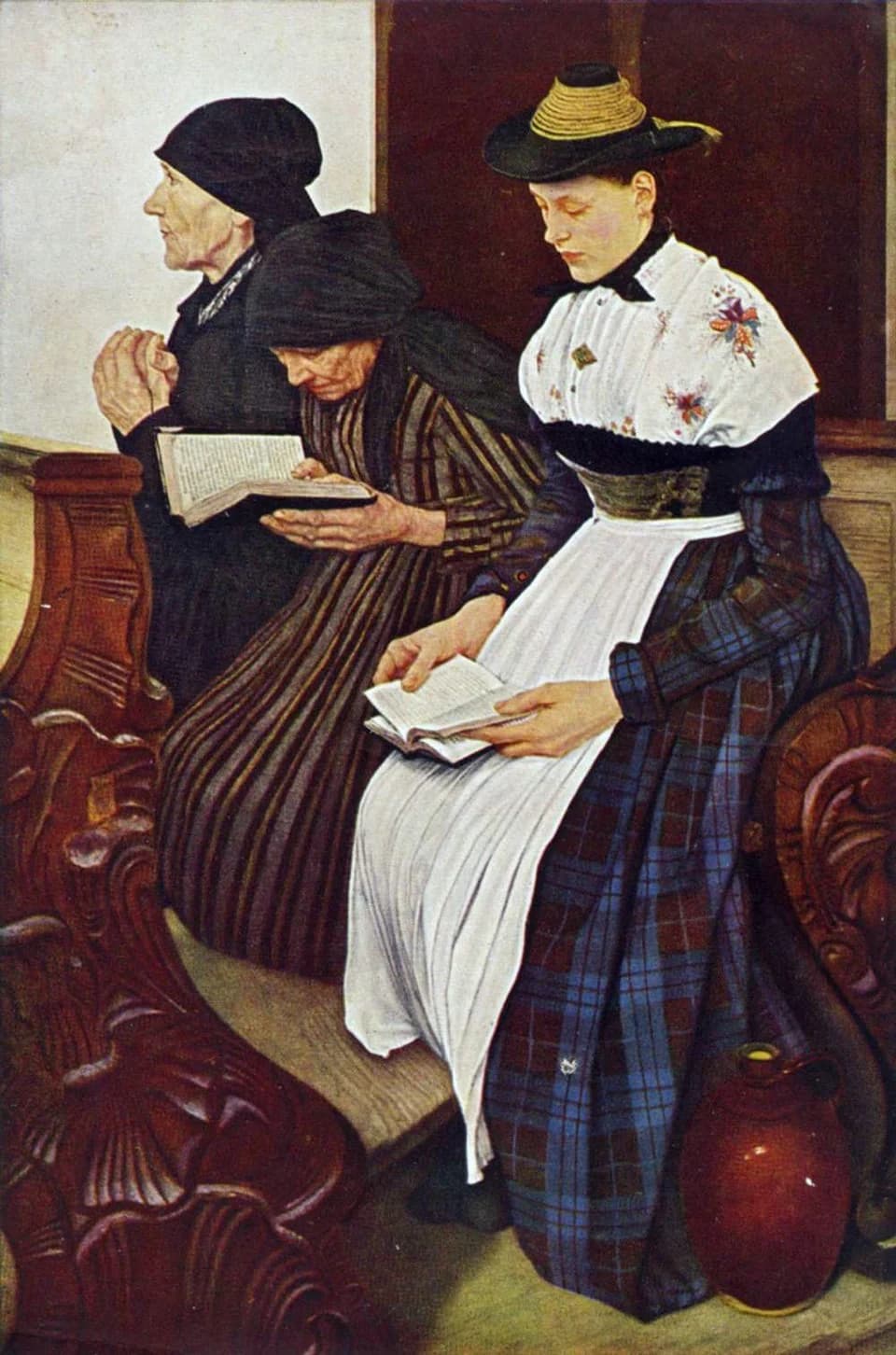
Wilhelm Leibl rendered this portrait in 1879, showing a young peasant woman from the Bavarian countryside. The German Realist captured her features without flattery or sentimentality, presenting her as she appeared.
Leibl became the leading figure of German Realism in the late 19th century. He spent much of his career in rural Bavaria, living among the farmers and villagers he painted. His subjects weren't exotic or picturesque to him. They were neighbors. This closeness allowed an intimacy and directness that distinguished his work from artists who treated peasants as types rather than individuals.
The oil on panel now hangs at the Gemäldegalerie Alte Meister in Dresden. Leibl's detailed technique shows in the careful rendering of the girl's skin, hair, and clothing. He didn't idealize rural poverty or mock country folk. He painted them with the same attention to psychological depth that portrait painters brought to aristocrats. This democratic approach to portraiture made him influential among later realists.