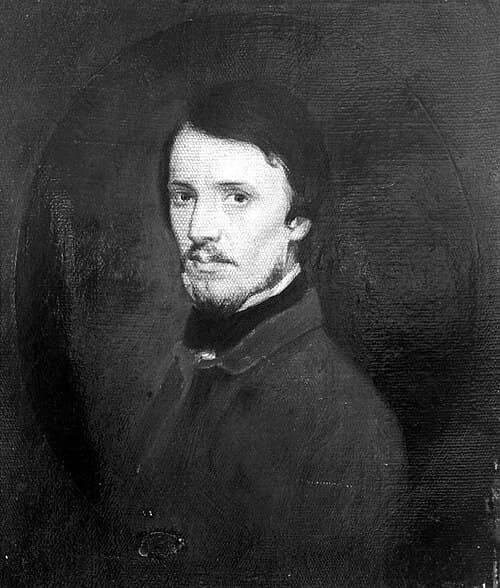
William Trost Richards
American·1833–1905
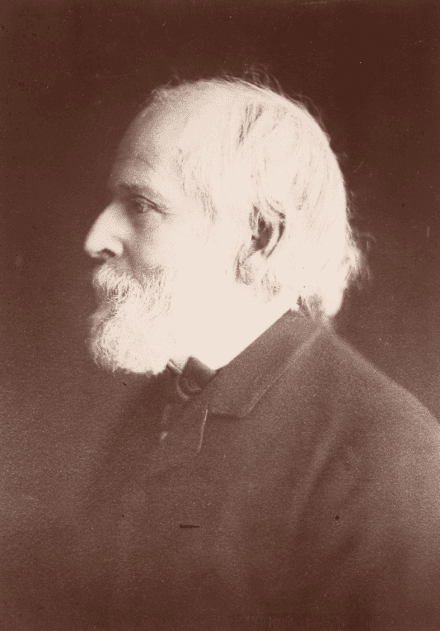
American landscape and marine painter William Trost Richards (1833-1905) was associated with both the Hudson River School and the American Pre-Raphaelite movement, bringing scientific precision to his observations of nature. Born in Philadelphia, he studied part-time with German artist Paul Weber while working as an ornamental metalwork designer. After seeing British Pre-Raphaelite art in 1858, he aligned himself with the movement's American practitioners, embracing their creed of "truth to nature" and becoming a key member of the Association for the Advancement of Truth in Art in 1863.
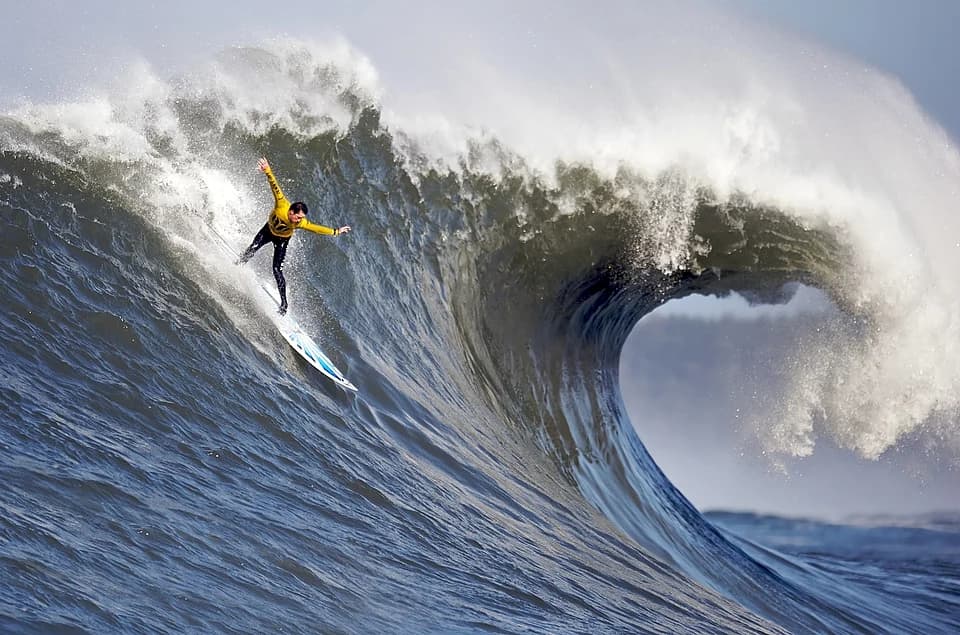
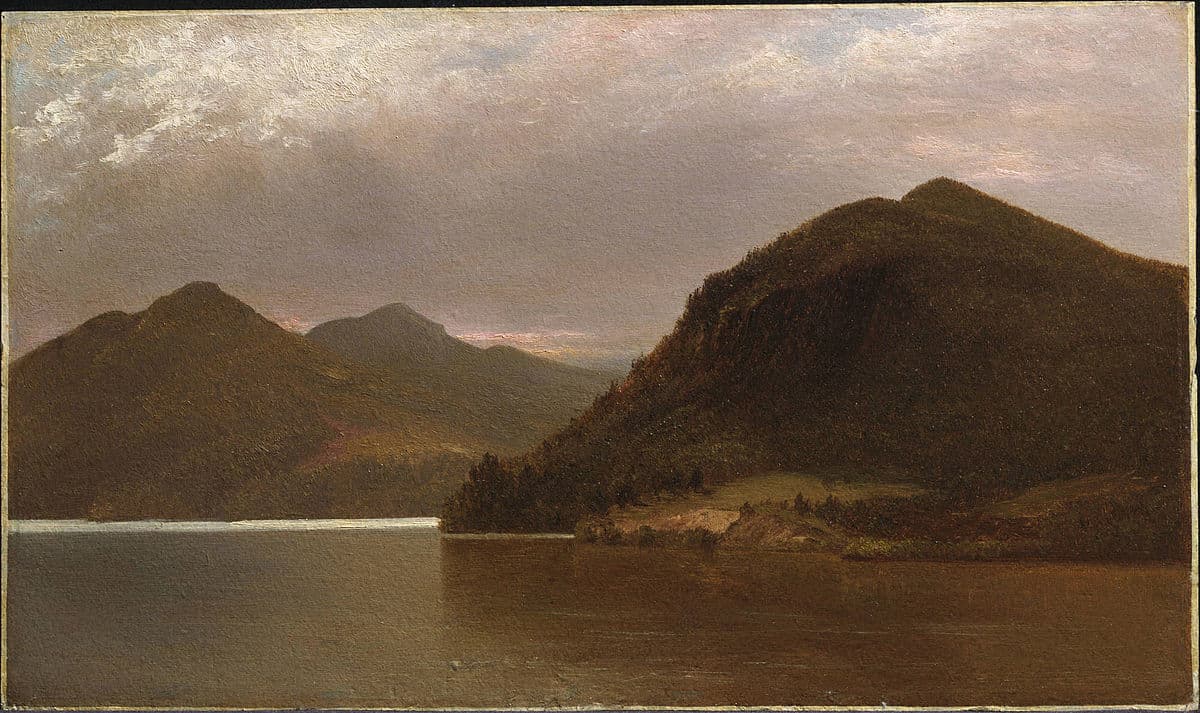
Richards rejected the romanticized approach of other Hudson River painters, insisting on meticulous factual rendering. His White Mountain views are almost photographic in their realism. A dramatic 1866 storm at sea redirected his focus to marine subjects, and the interplay of light, water, and rock became his dominant theme. He developed particular expertise in painting waves, studying their structure with scientific attention. In later years, Richards found his ultimate subject in the Newport, Rhode Island coastline, building his home "Graycliff" there in 1881 as a vantage point for endless study of the sea. He was elected to the National Academy of Design in 1871. His oils and watercolors hang at the Metropolitan Museum of Art, the National Gallery of Art, and the Museum of Fine Arts, Boston. Richards died in Newport in 1905, one of the 19th century's most accomplished American artists.
Notable Works by William Trost Richards
1 painting catalogued with museum locations
Museums with William Trost Richards's Work
1 museum displays Richards's works. Click any museum to see visiting info and the specific works they hold.
Related Artists
Other Hudson River School artists you might like
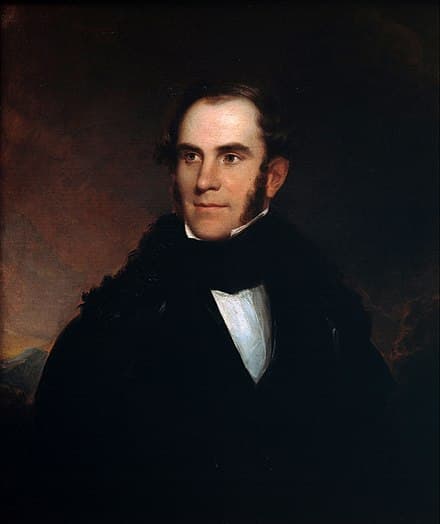
About William Trost Richards
Richards transitioned from the Hudson River School to Pre-Raphaelitism after seeing an 1858 exhibition in Philadelphia. The English movement's demand for minute observation transformed his style from romantic generalization to almost photographic precision. He later became America's leading marine painter.
The Metropolitan Museum of Art holds acclaimed watercolors of the White Mountains. His work appears at the Philadelphia Museum of Art, Pennsylvania Academy of Fine Arts, Smithsonian American Art Museum, and the Thyssen-Bornemisza Museum in Madrid.
His early career focused on woodland scenes with Pre-Raphaelite botanical precision. After 1867, he shifted to marine subjects: rocky coasts, crashing waves, and atmospheric seascapes along the Atlantic from New Jersey to Maine. His late works capture the drama of sea and weather with looser brushwork.
Born in Philadelphia, he remained based there but summered extensively on the coast. In 1881, he built "Graycliff" in Newport, Rhode Island, a clifftop home with studio overlooking the Atlantic. This vantage point allowed him to study waves, weather, and light for his remaining years. He died in Newport in 1905.
As a leading member of the American Watercolor Society, he helped elevate the medium from amateur pastime to serious art form. His watercolors of the White Mountains demonstrate technical virtuosity that rivals oil painting in luminosity and detail. Museums now prize these works as highly as his oils.
Love William Trost Richards's Style?
Explore art inspired by Hudson River School.
Browse Collection