Sanford Robinson Gifford
American·1823–1880
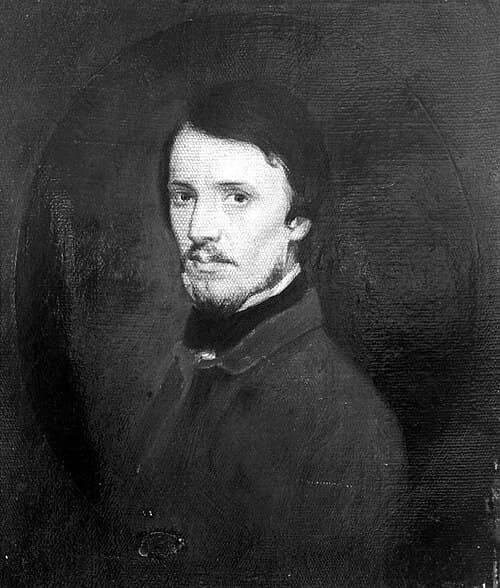
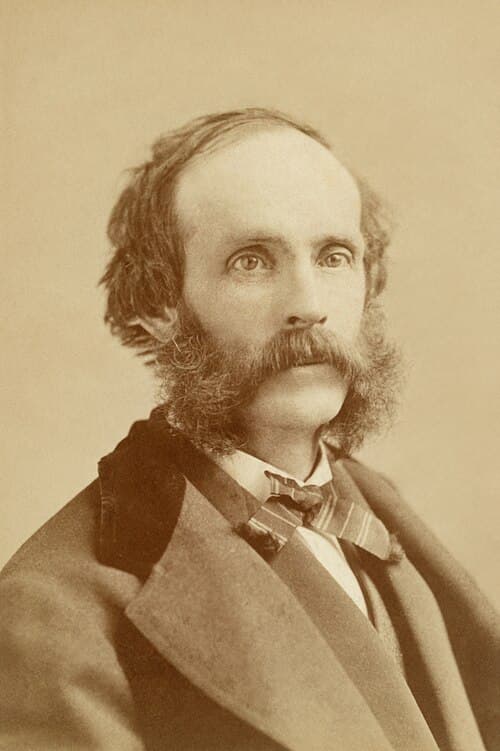
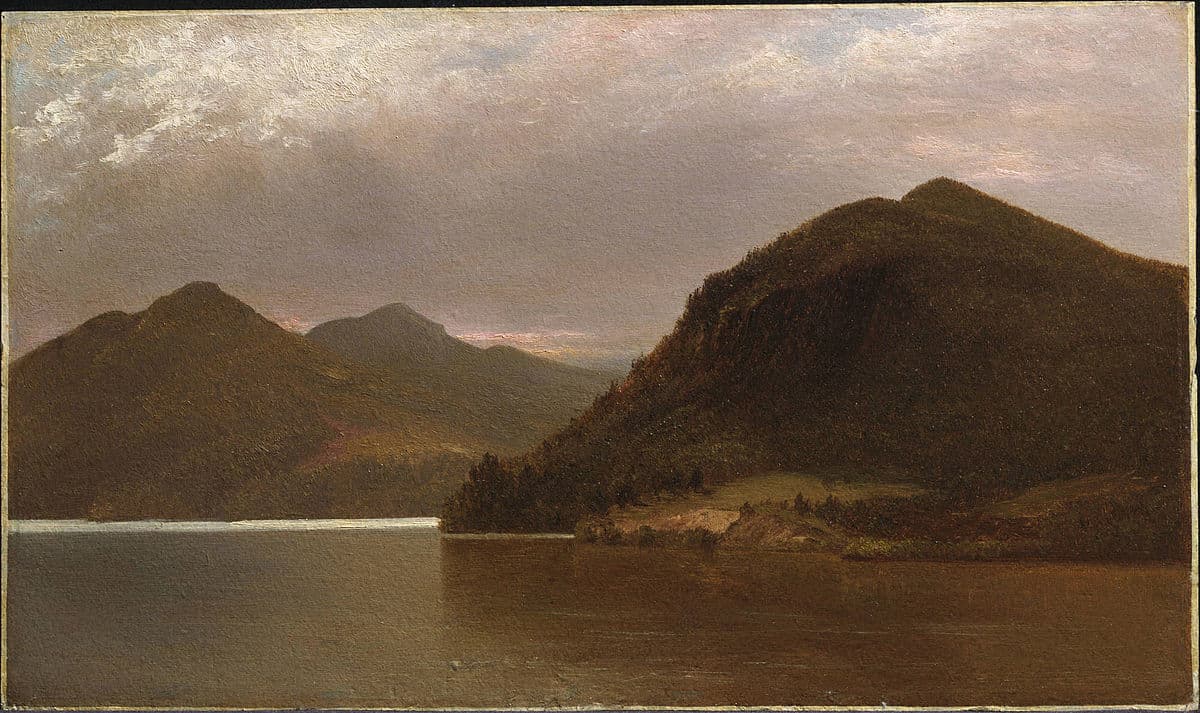
Hudson River School and Luminist painter Sanford Robinson Gifford (1823-1880) made light itself the subject of his atmospheric landscapes, earning his technique the name "air painting." Born in Greenfield, New York, to a prosperous iron foundry family, he attended Brown University for two years before leaving to study art in New York City with the English watercolorist John Rubens Smith. Though trained as a portrait painter, Gifford exhibited his first landscape at the National Academy in 1847 and thereafter devoted himself to the genre, becoming one of the finest second-generation Hudson River School artists.
Gifford's art drew inspiration from Thomas Cole and J.M.W. Turner, enriched by European travels in 1855-57 and 1868-69. He made each scene's ambient light, color-saturated and atmospherically potent, the key to its expression, often painting the sun directly as it filtered through haze. From 1858, he rented studio Number 19 in the Tenth Street Studio Building, where his neighbors included Albert Bierstadt, Frederic Church, and Worthington Whittredge. An avid angler and outdoorsman, Gifford joined F.V. Hayden's 1870 geological survey to Wyoming and later traveled to the Pacific Northwest, Oregon, and Alaska. He died unexpectedly in 1880 at age fifty-six from a respiratory ailment contracted on a Lake Superior fishing trip. As a founder of the Metropolitan Museum of Art, he was honored with the institution's first monographic retrospective in 1881. His luminous landscapes hang at the Met, the National Gallery of Art, and the Smithsonian American Art Museum.
Notable Works by Sanford Robinson Gifford
1 painting catalogued with museum locations
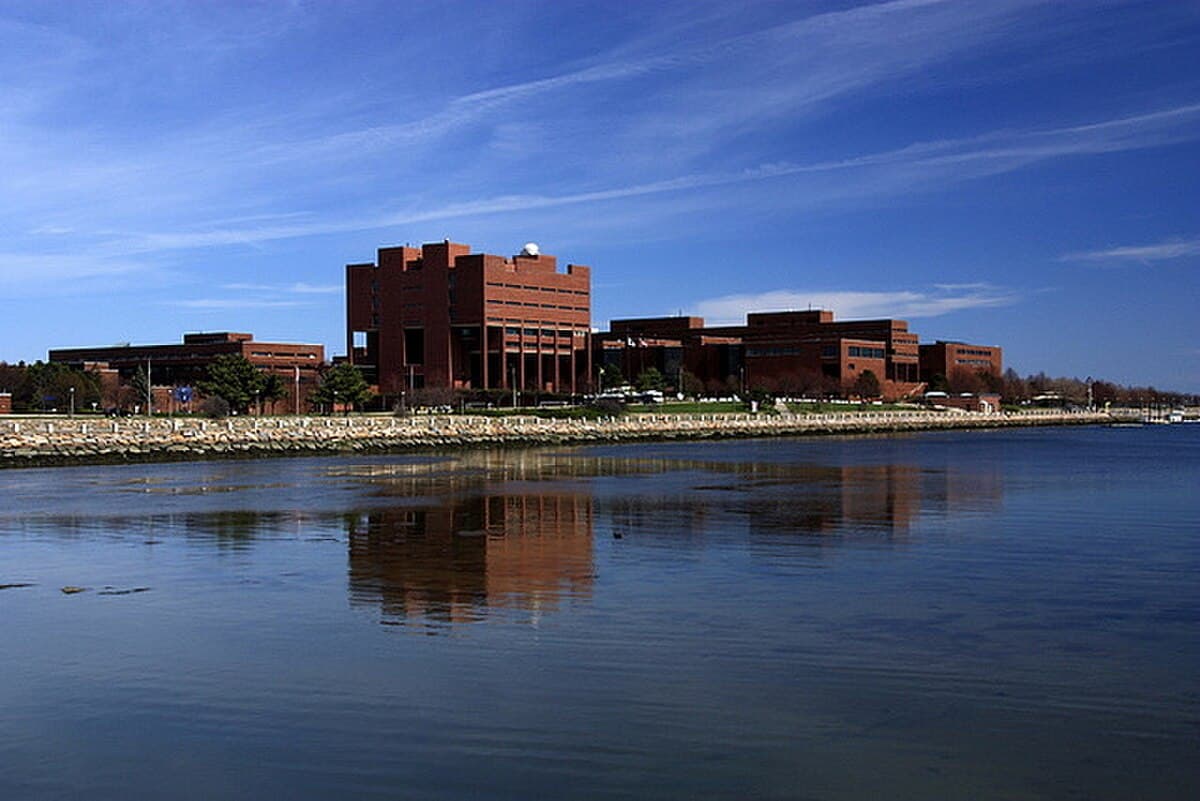
Museums with Sanford Robinson Gifford's Work
1 museum displays Gifford's works. Click any museum to see visiting info and the specific works they hold.
Related Artists
Other Hudson River School artists you might like
About Sanford Robinson Gifford
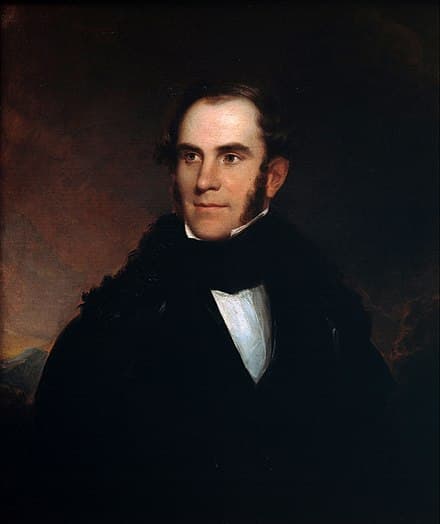
Gifford was a leading figure of the Hudson River School and a master of Luminism, the American style emphasizing atmospheric light effects. Unlike earlier Hudson River painters who focused on wilderness grandeur, Gifford painted light itself, stripping compositions to minimal landscape elements.
The Metropolitan Museum of Art, which he co-founded, honored him with its first monographic retrospective in 1880. Works also hang at the National Gallery of Art, Smithsonian American Art Museum, and the Crystal Bridges Museum of American Art.
He painted atmospheric landscapes bathed in golden light, from the Catskills and Adirondacks to the Middle East and Egypt. His views of Lake Nemi in Italy and the Bosphorus in Turkey show his fascination with how light transforms scenery across different climates and times of day.
Yes, driven by abolitionist convictions, he enlisted in New York's Seventh Regiment National Guard and served multiple deployments between 1861 and 1863. Unlike artists who observed from a distance, Gifford went as a soldier, not a correspondent. He sketched camp life and fortifications between active service.
He applied multiple layers of tinted varnish over finished paintings to achieve his signature golden glow. This glazing technique unified compositions and created the illusion of light-filled atmosphere that earned him the nickname "the American Claude Lorrain." His skies seem to radiate warmth from within the canvas itself.
Love Sanford Robinson Gifford's Style?
Explore art inspired by Hudson River School.
Browse Collection