John Frederick Kensett
American·1816–1872
No Portrait Available
Hudson River School painter John Frederick Kensett (1816-1872) became a master of Luminism, the American approach to landscape that emphasized clear light and serene surfaces. Born in Cheshire, Connecticut, he trained as an engraver before turning to painting. His landscapes feature a cooler palette and silvery light that distinguished him from earlier Hudson River School artists like Thomas Cole. Works like "Lake George" (1869) and "Eaton's Neck, Long Island" (1872) show his characteristic nearly invisible brushstrokes and meditative calm.
Kensett spent seven years in Europe (1840-1847), studying with fellow Americans John William Casilear and Asher B. Durand while developing an appreciation for 17th-century Dutch landscape painting. Returning to New York, he became widely acclaimed and financially successful. He painted Lake George over 80 times, finding endless variations in its light and atmosphere. As a founder and trustee of the Metropolitan Museum of Art, he helped shape American art institutions. He died suddenly of pneumonia, possibly contracted during an attempted rescue in Long Island Sound. The Metropolitan Museum of Art, which received 38 paintings donated by his brother, and the National Gallery of Art hold major collections of his work.
Notable Works by John Frederick Kensett
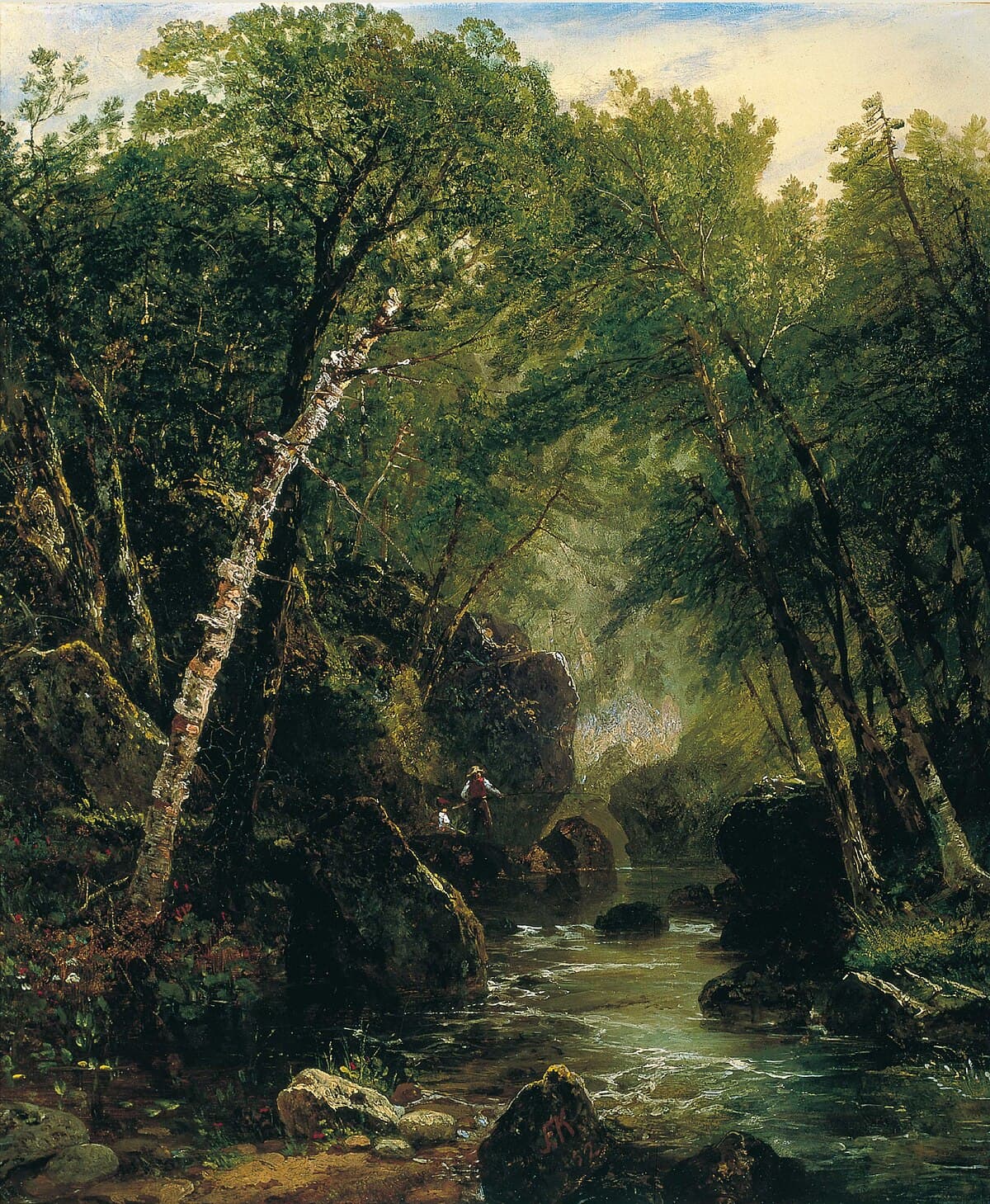
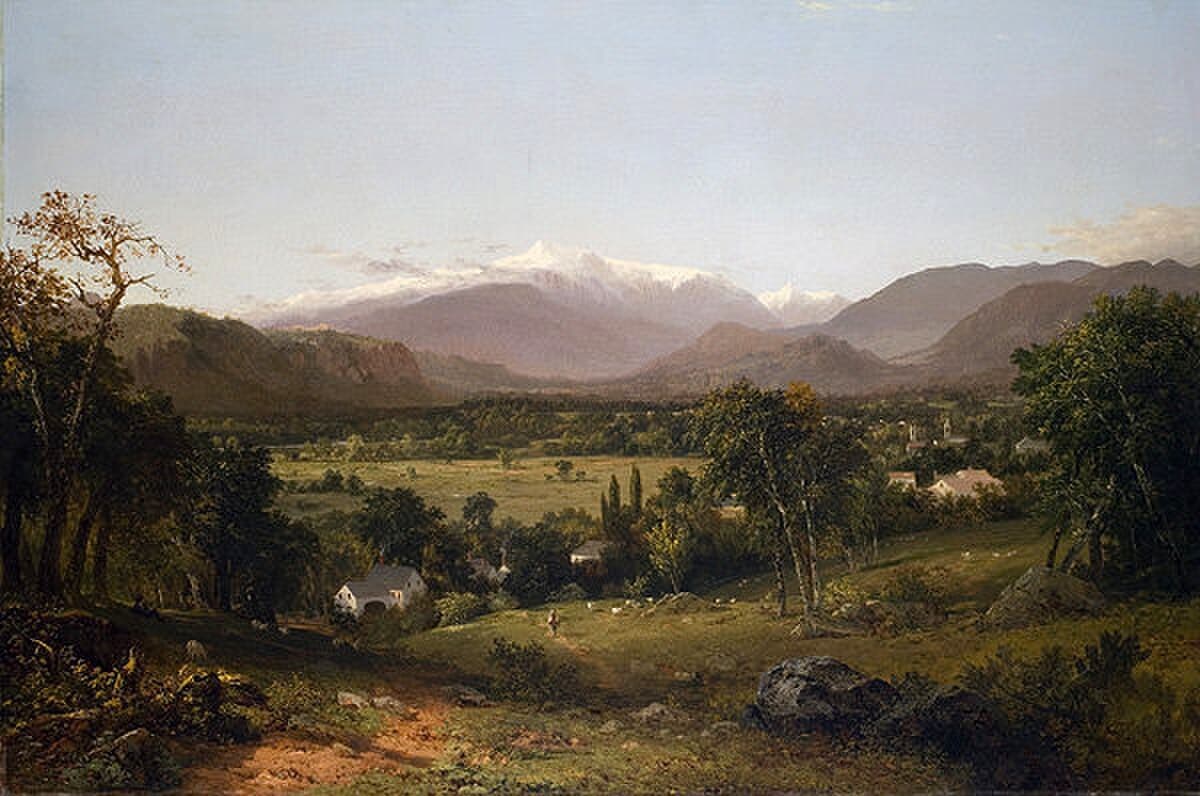
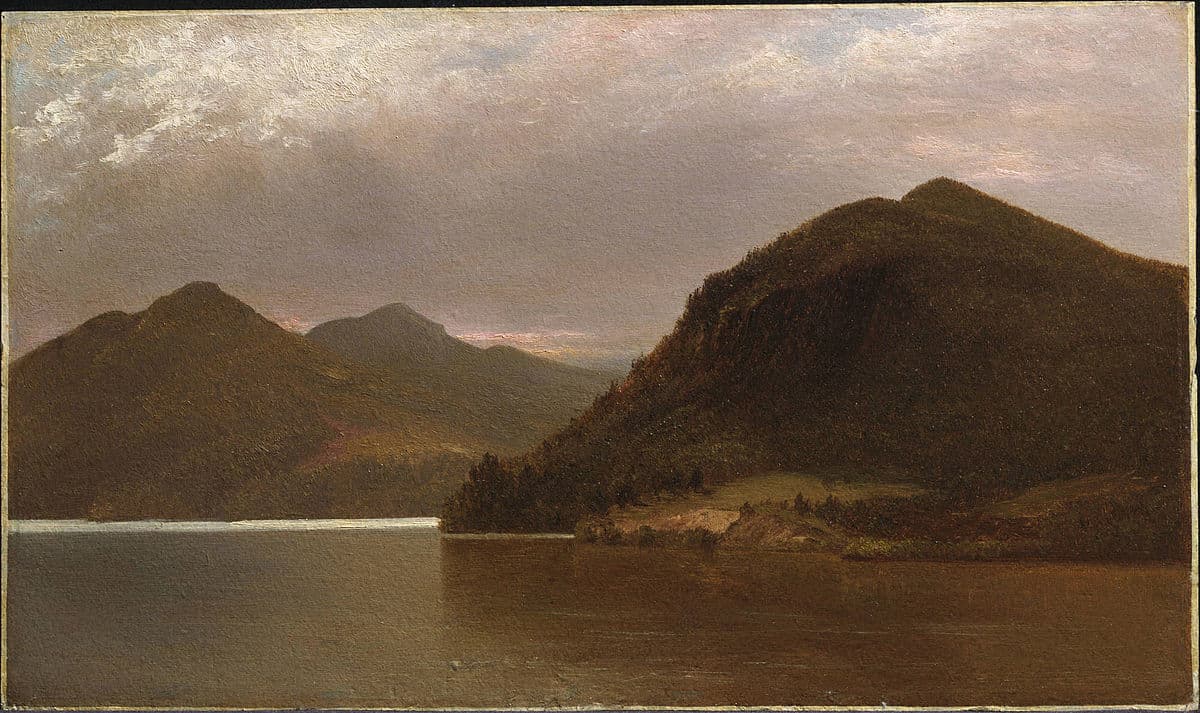
3 paintings catalogued with museum locations
Museums with John Frederick Kensett's Work
2 museums display Kensett's works. Click any museum to see visiting info and the specific works they hold.
Related Artists
Other Hudson River School artists you might like
About John Frederick Kensett
Kensett belonged to the Hudson River School and was a master of Luminism, known for crystalline light and serene landscapes. His quiet, contemplative views of Long Island Sound and the Adirondacks represented a calm alternative to the dramatic wilderness scenes of earlier Hudson River painters.
"Lake George" (1869) and "Eaton's Neck, Long Island" (1872) exemplify his silvery light and meditative calm. He painted Lake George in the Adirondacks over 80 times, fascinated by its changing light and the challenge of capturing pure atmosphere.
The Metropolitan Museum of Art holds 38 paintings donated by his brother after the artist's death. The National Gallery of Art in Washington and the Brooklyn Museum also preserve important examples of his Luminist style.
Yes, Kensett was a founder and trustee of the Metropolitan Museum of Art, helping shape American art institutions during his successful career. He also helped establish the Century Association and served on committees promoting American art education.
His Luminist style featured nearly invisible brushstrokes, a silvery palette, and careful observation of atmospheric light effects that created meditative calm. Unlike the visible brushwork of Impressionists, his surfaces appear smooth and almost photographic.
Love John Frederick Kensett's Style?
Explore art inspired by Hudson River School.
Browse Collection