Before 1400
Medieval Art
Art in service of faith. Byzantine icons, illuminated manuscripts, and Gothic cathedrals.
About Medieval Art
Medieval art spans nearly a thousand years, from the fall of Rome around 500 CE to the dawn of the Renaissance in the 1400s. This was art in service of faith. The Catholic Church commissioned virtually everything: illuminated manuscripts, altarpieces, mosaics, and the soaring stained glass windows of Gothic cathedrals. Artists worked anonymously, their individual genius less important than glorifying God.
Three distinct styles emerged across the centuries. Byzantine art dominated the Eastern Roman Empire with its golden mosaics and stylized icons, flat figures gazing outward with enormous eyes. Romanesque architecture brought heavy stone walls and rounded arches to Western Europe's monasteries. By the 12th century, Gothic art reached toward heaven with pointed arches, flying buttresses, and windows that transformed light into color.
The subjects rarely varied: Christ, the Virgin Mary, saints, and biblical narratives. But within these constraints, medieval artists developed sophisticated visual languages. Gold leaf backgrounds symbolized divine light. Size indicated importance, not perspective. Every color, gesture, and symbol carried theological meaning that contemporary viewers understood instinctively. This wasn't primitive art. It was art with different priorities than our own.
What Was Happening in the World
Rome fell, and Europe fractured into feudal kingdoms. The Catholic Church became the only unifying force, controlling education, literacy, and artistic patronage. Vikings raided coastal monasteries. The Black Death killed a third of Europe. Crusaders marched to Jerusalem and returned with Byzantine influences. Cathedrals took centuries to build, employing generations of anonymous craftsmen. Without printing, monks hand-copied every book. Art served one purpose: bringing illiterate masses closer to God.
What to Look For
Spotting Medieval Art art in museums and galleries:
- 1Gold backgrounds instead of realistic skies or landscapes
- 2Figures facing forward with large, almond-shaped eyes (Byzantine influence)
- 3Important figures (Christ, Mary) appear larger than others regardless of position
- 4Flat, two-dimensional bodies with little sense of depth or shadow
- 5Halos around holy figures, often decorated with detailed patterns
- 6Rich blues made from expensive lapis lazuli (reserved for the Virgin Mary)
- 7Ornate borders and decorative patterns filling empty spaces
- 8Pointed Gothic arches and elongated, vertical figures in later works
At a Glance
- Period
- Before 1400
- Movements
- 0
- Artists
- 0
- Artworks
- 612
Medieval Art Movements
0 movementsMedieval Art Masterpieces
12 featured worksSculpture
L
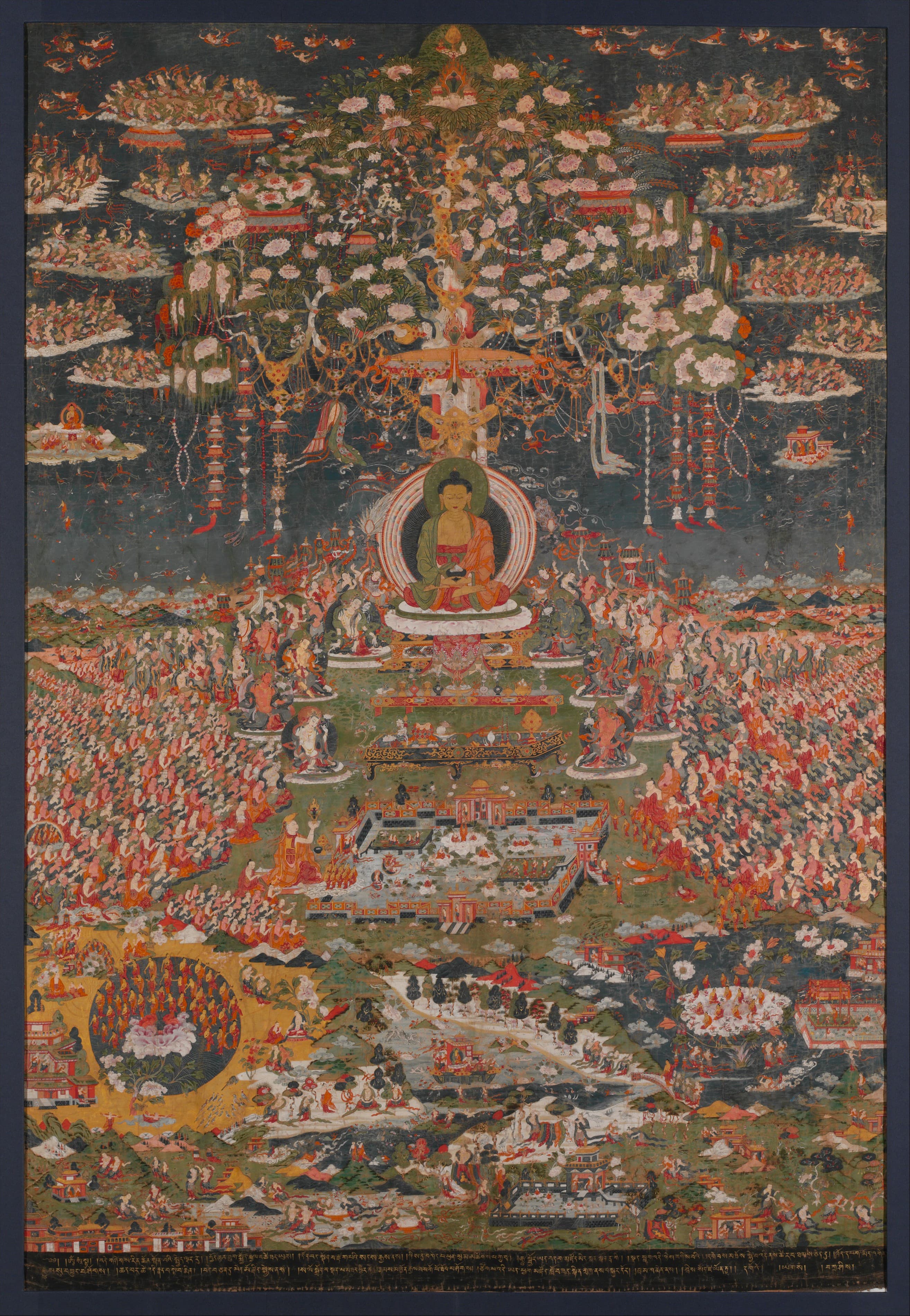
Leshan Giant Buddha
, 803
Sculpture
M

Moai (Easter Island Statues)
, 1250
M
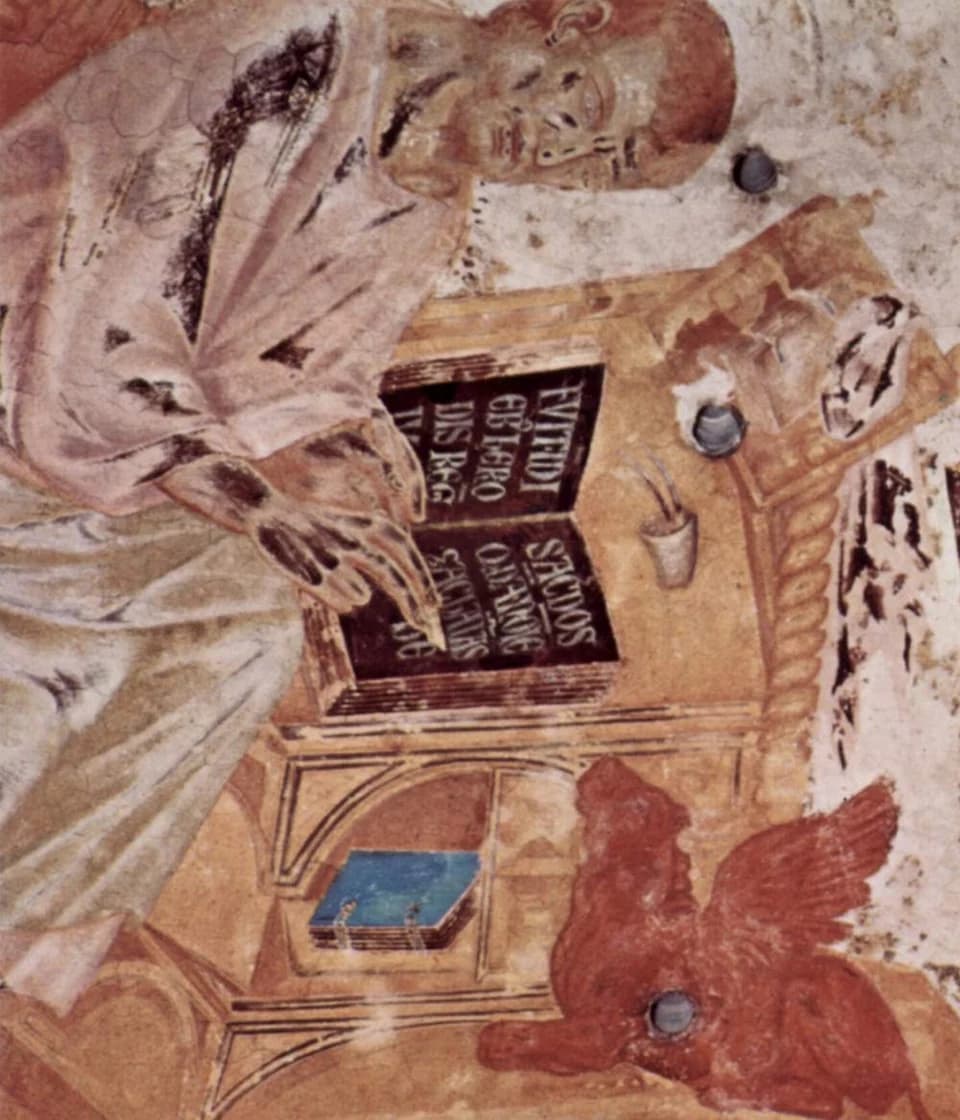
Maestà of Santa Trinita
Cimabue, 1290
Uffizi Gallery, Florence, Florence
L
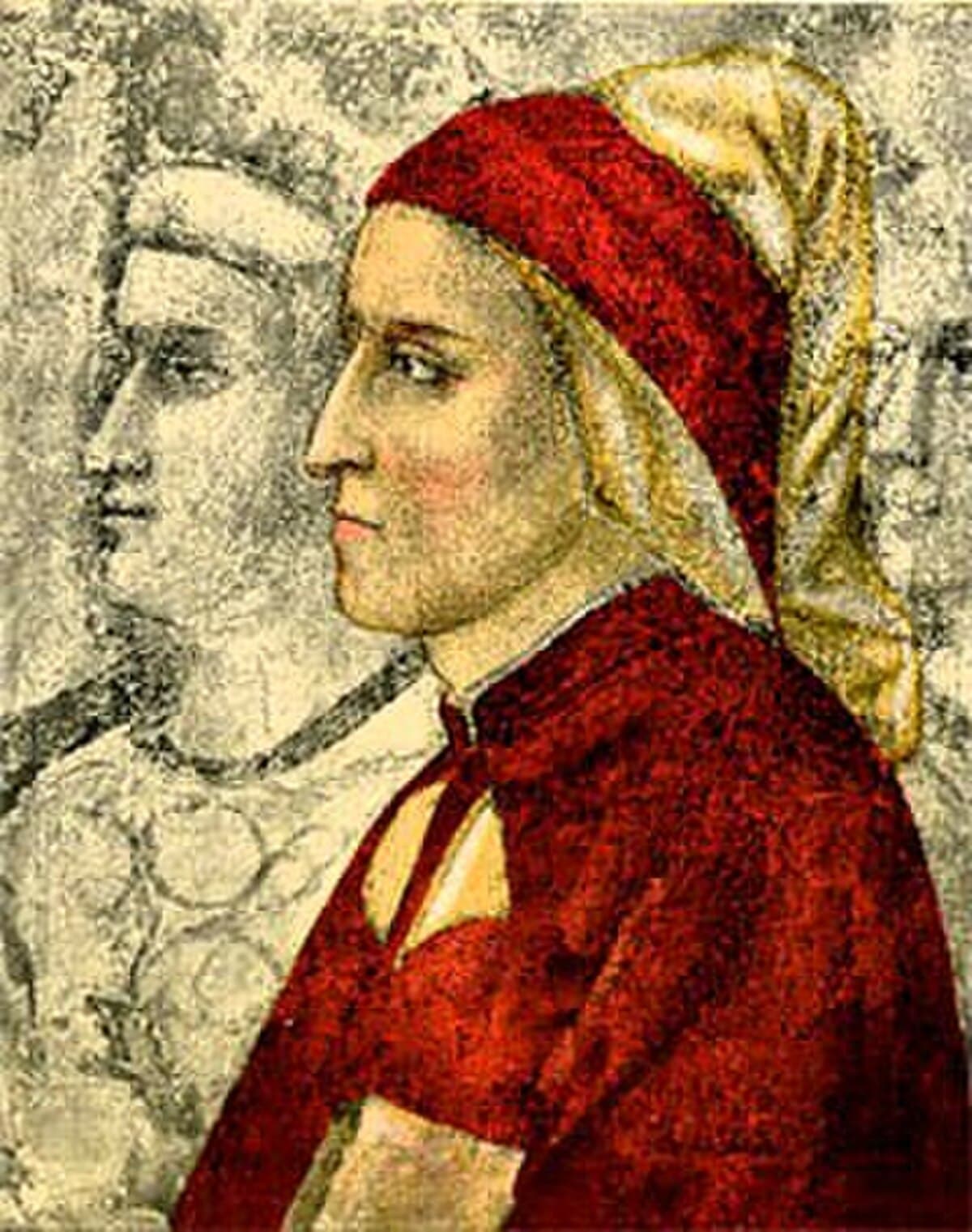
Lamentation (The Mourning of Christ)
Giotto di Bondone, 1305
Scrovegni Chapel, Padua
M
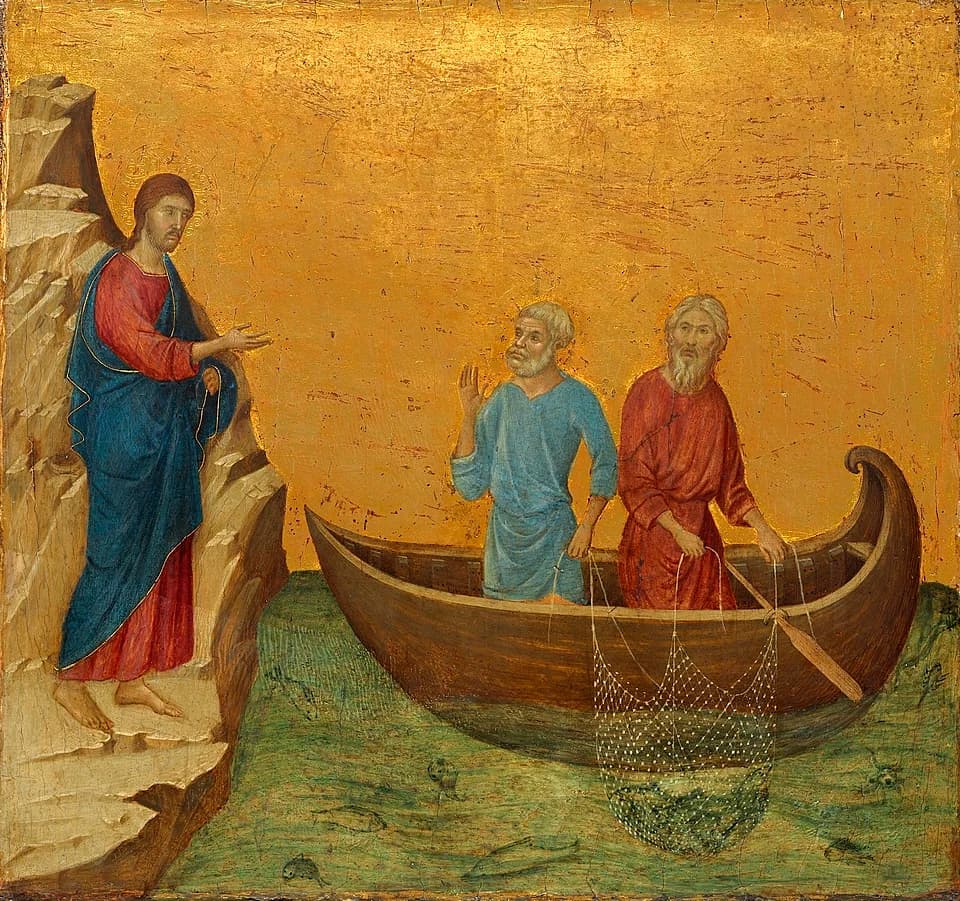
Maestà
Duccio di Buoninsegna, 1311
Museo dell'Opera del Duomo, Siena
A
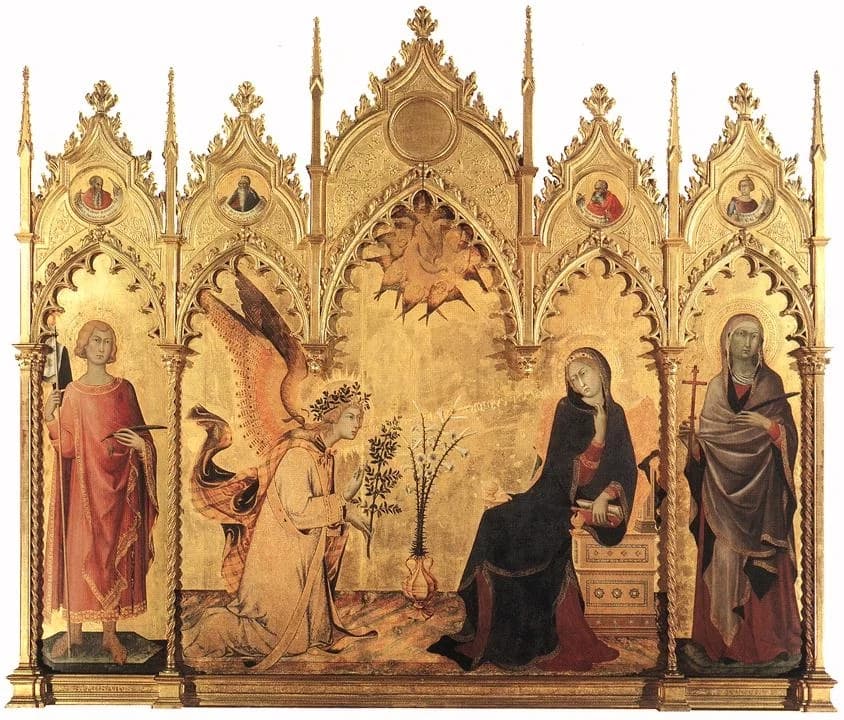
Annunciation with St. Margaret and St. Ansanus
Simone Martini, 1333
Uffizi Gallery, Florence, Florence
Sculpture
M

Mortuary Figure of the Zodiac Sign: Horse (Libra)
, 500
Cleveland Museum of Art, Cleveland
Sculpture
M

Mortuary Figure of the Zodiac Sign: Dog (Aquarius)
, 500
Cleveland Museum of Art, Cleveland
Sculpture
M

Mortuary Figure of the Zodiac Sign: Cock (Capricorn)
, 500
Cleveland Museum of Art, Cleveland
Sculpture
C

Court Official (Tomb Figure)
, 500
Cleveland Museum of Art, Cleveland
Sculpture
A

Adoring Monk
, 500
Cleveland Museum of Art, Cleveland
Sculpture
M

Mortuary Figure of the Zodiac Sign: Monkey (Sagittarius)
, 500
Cleveland Museum of Art, Cleveland
About Medieval Art
Medieval art prioritized religious devotion over naturalistic representation. Key features include gold leaf backgrounds, flat two-dimensional figures, hierarchical scaling where important figures appear larger, and symbolic imagery. Artists worked anonymously for the Church rather than seeking individual fame.
Three major styles define the Medieval period: Byzantine art (golden mosaics and stylized icons), Romanesque (heavy stone architecture with rounded arches), and Gothic art (pointed arches, flying buttresses, stained glass windows). Each style dominated different centuries and regions.
Medieval artists deliberately avoided realistic perspective because their goal was spiritual, not physical accuracy. Flat figures with symbolic gestures communicated theological truths. Size indicated importance: Christ and the Virgin Mary appear larger than surrounding figures regardless of their position in space.
Major collections exist at the Metropolitan Museum of Art (The Cloisters), the Louvre, the British Museum, and the Vatican Museums. Gothic cathedrals like Notre-Dame and Chartres remain the best places to experience Medieval art in its original context.
Illuminated manuscripts are hand-decorated books created by Medieval monks and scribes. The term comes from the gold and silver leaf that literally illuminates the pages. Famous examples include the Book of Kells and Les Très Riches Heures du Duc de Berry.
Bring Medieval Art Home
Luxury art prints inspired by these iconic masterpieces. Museum-quality canvas for your walls.
Shop Medieval Art Art