1904 – 1908
Fauvism
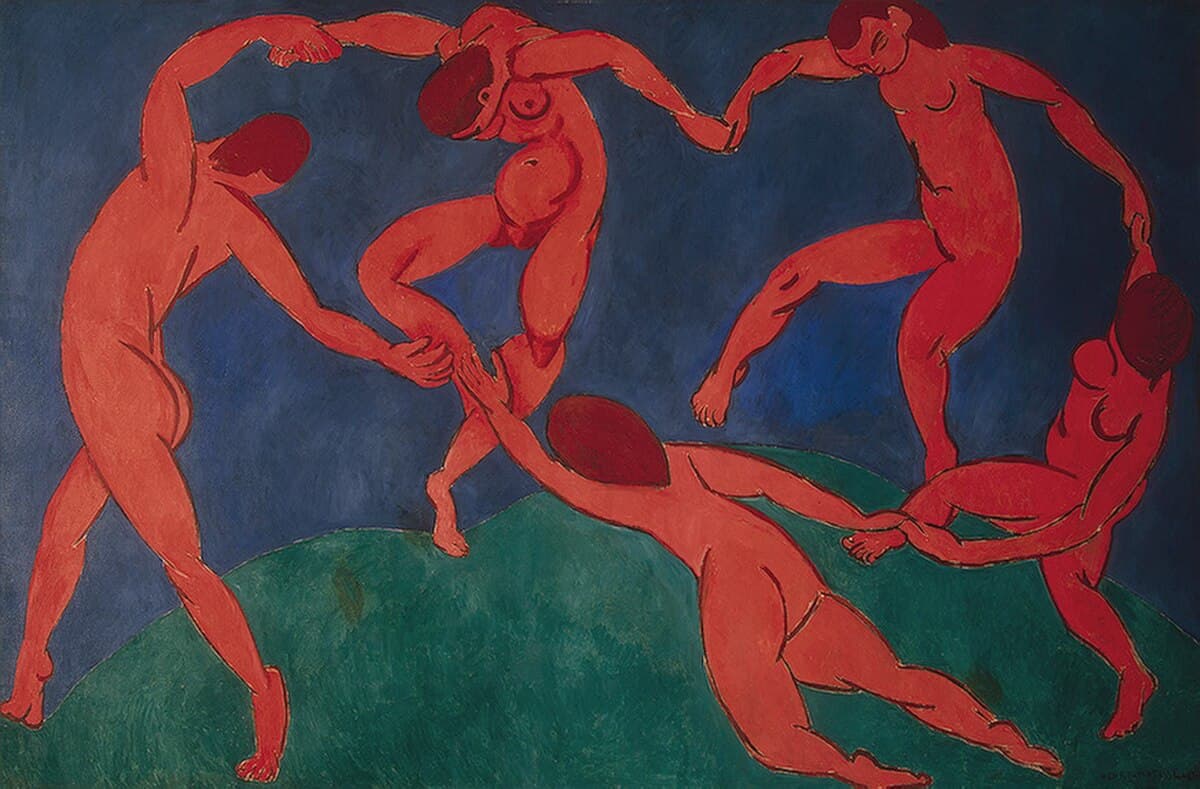
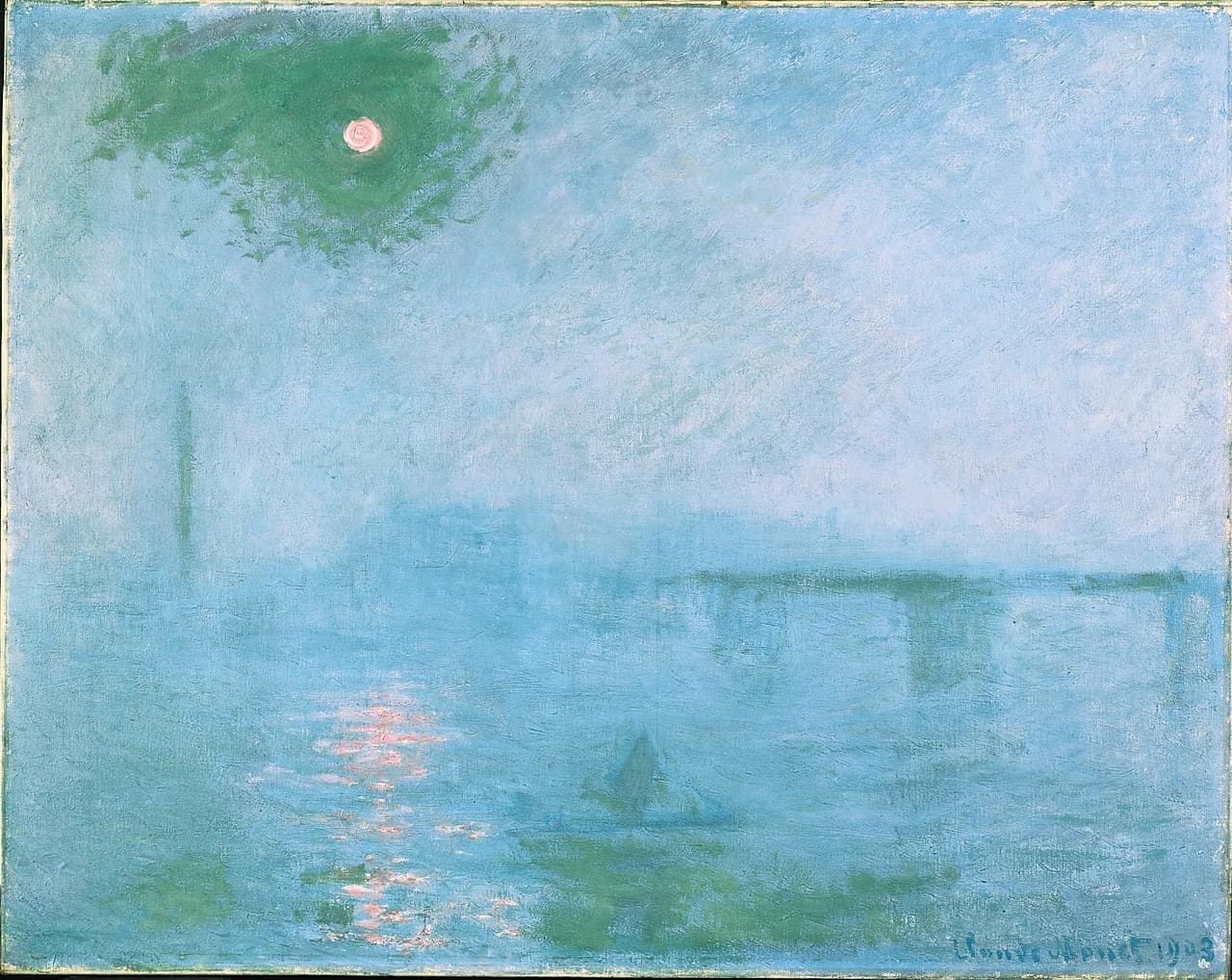
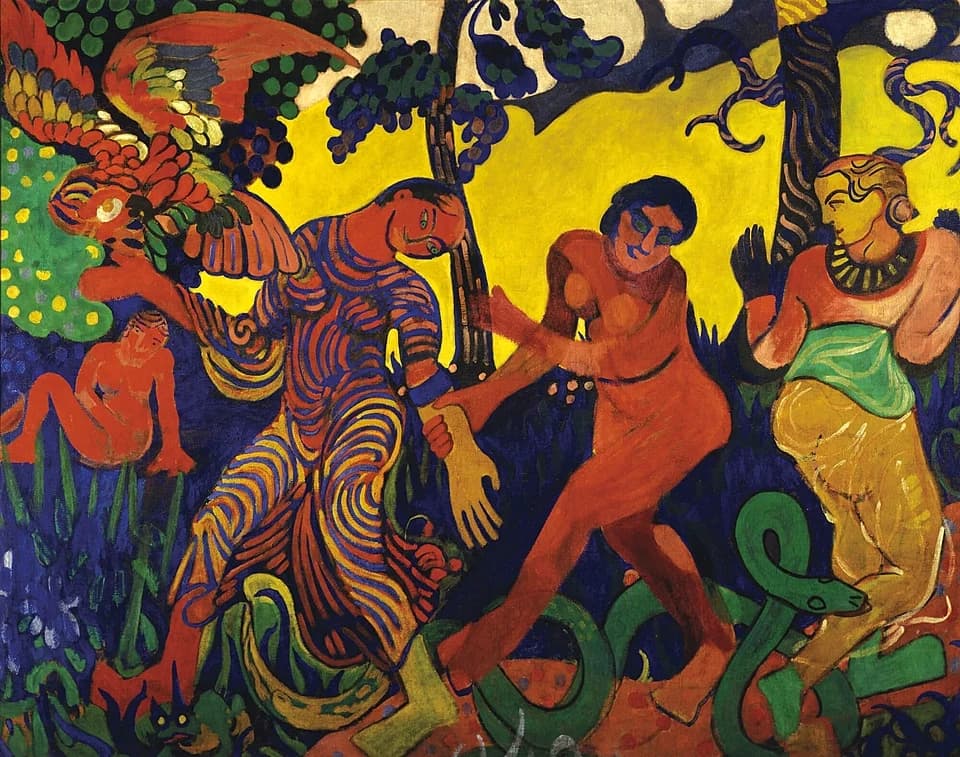
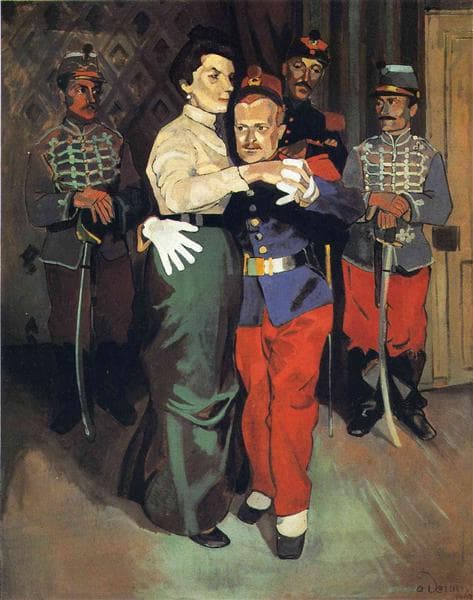
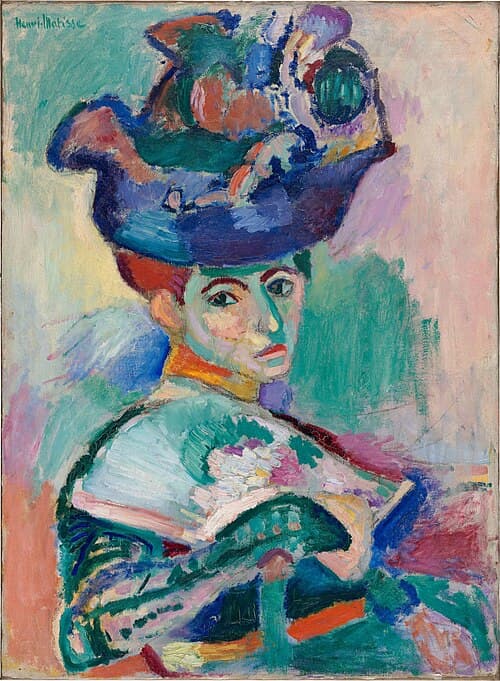
<p>Fauvism burned brightly for only about four years, from 1904 to 1908, but it was the first major art movement of the 20th century and helped break color free from any obligation to look natural. The name came from a critic who, seeing the wild, unmixed colors at the 1905 Salon d'Automne, dismissively called the painters "les fauves," or wild beasts. The label stuck, and the artists more or less embraced it.</p> <p><a href="/apps/masterpieces/artist/henri-matisse"><strong>Henri Matisse</strong></a> led the group, using flat planes of pure, often non-naturalistic color to build a painting's structure rather than relying on shading or gradual tone. His <a href="/apps/masterpieces/art/femme-au-chapeau-woman-with-hat"><strong>Femme au chapeau (Woman with a Hat)</strong></a> shocked its first audience with a face painted in patches of green and orange, a portrait of his wife rendered less as a likeness and more as a study in color relationships. <a href="/apps/masterpieces/artist/andre-derain"><strong>André Derain</strong></a> worked alongside him, painting the same harbor and landscape scenes in equally intense, arbitrary color.</p> <p>Fauvist paintings favored simplified forms, spontaneous, visible brushwork, and flattened space over depth, all in service of pure emotional impact. Because the group had no shared theory beyond a love of strong color, it dissolved quickly as its members moved toward Cubism and other directions, but its short run permanently expanded what color was allowed to do in painting.</p>
At a Glance
- Period
- 1904 – 1908
- Artists
- 2
- Artworks
- 18
Defining Features
Bold, non-naturalistic colorsSimplified formsSpontaneous brushworkEmotional expressionFlat composition
Fauvism Artists
2 artists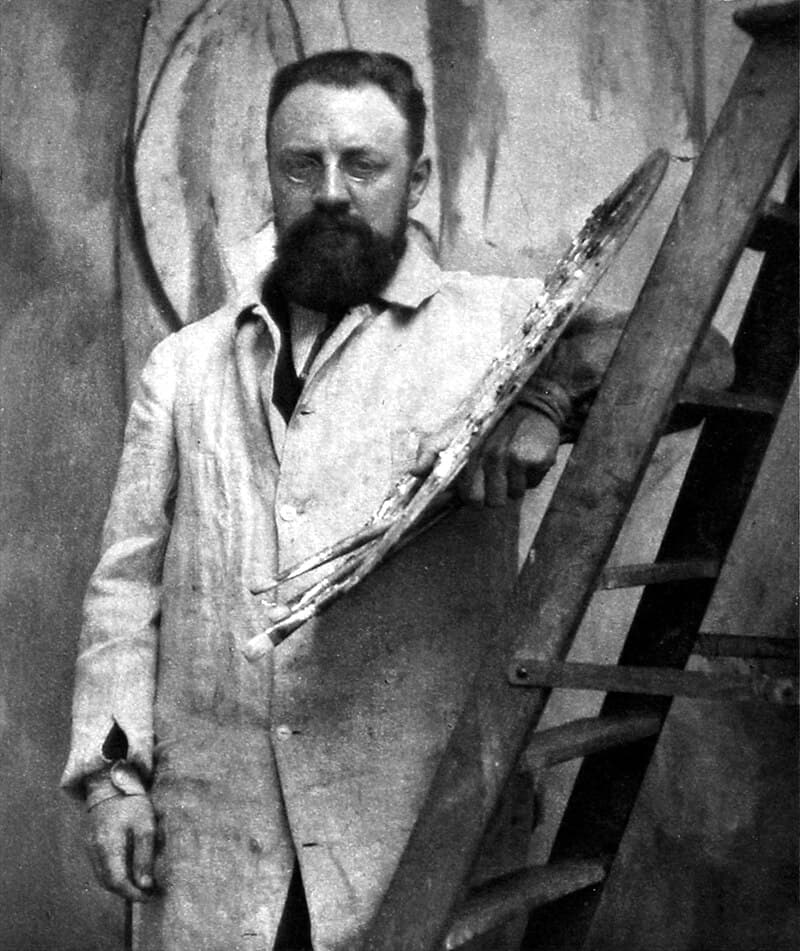
Fauvism Masterpieces
12 works
About Fauvism
1904 to 1908.
Bold, non-naturalistic colors, Simplified forms, Spontaneous brushwork, Emotional expression, Flat composition.
Henri Matisse, André Derain.
Bring Fauvism Home
Luxury decor featuring museum-quality canvas prints inspired by these iconic masterpieces.
Shop Fauvism Art