1913 – 1935
Suprematism
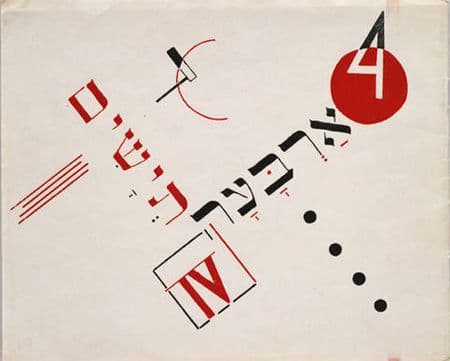
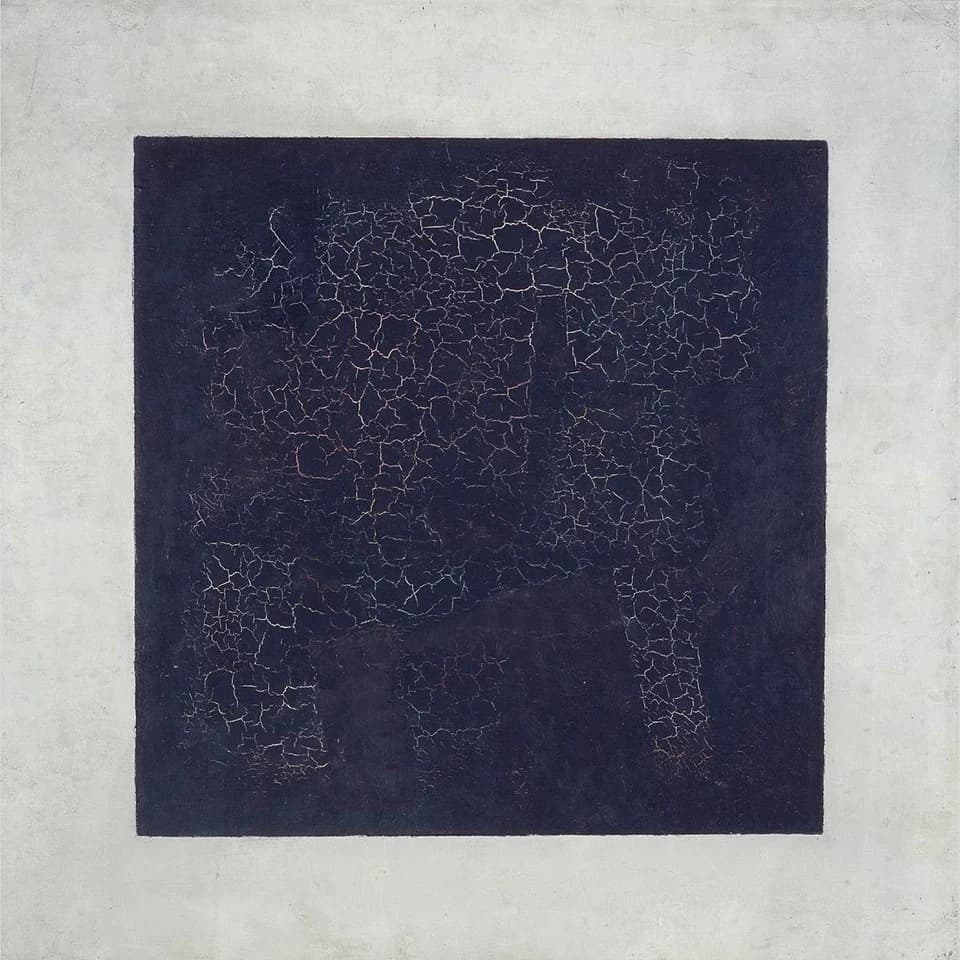
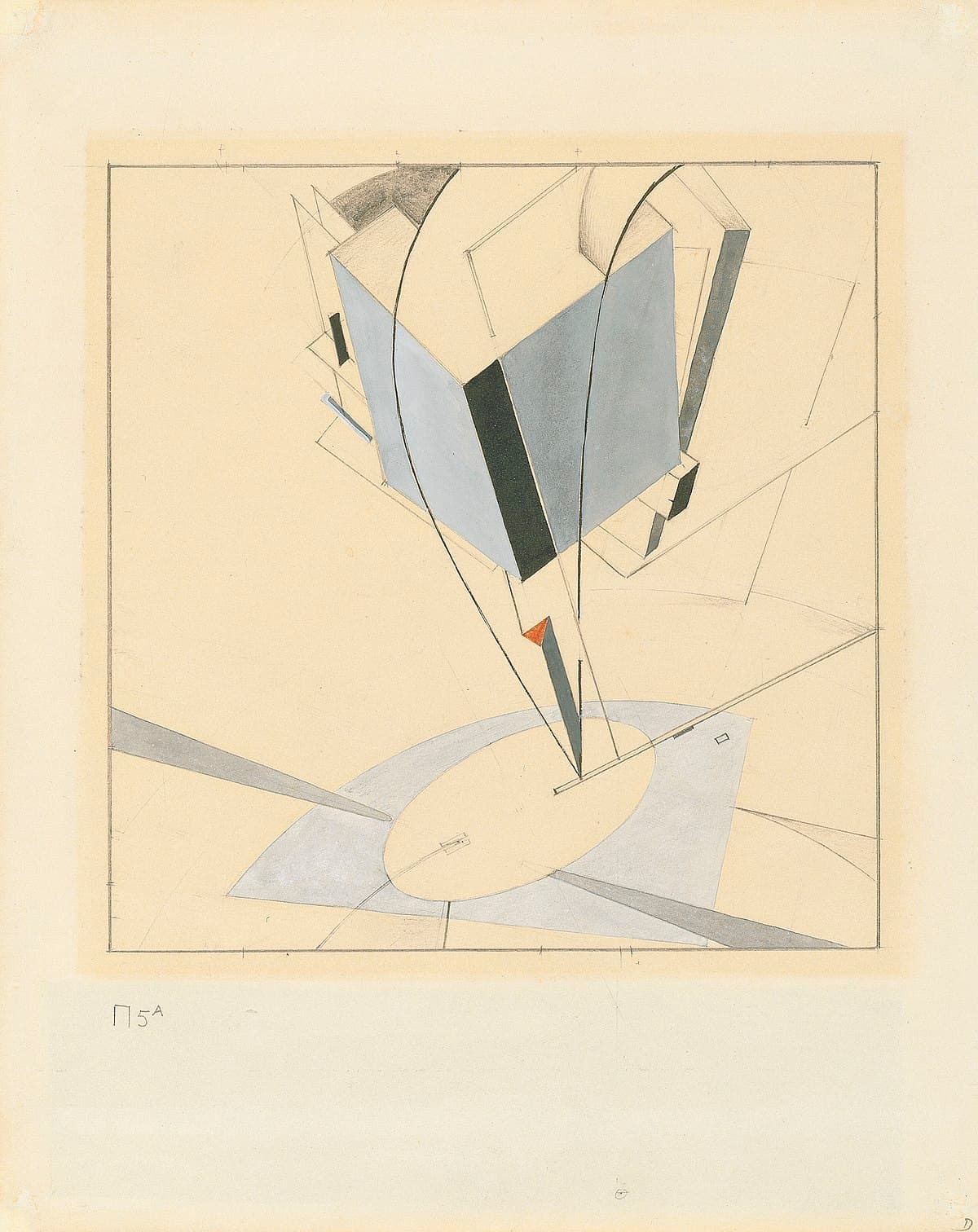
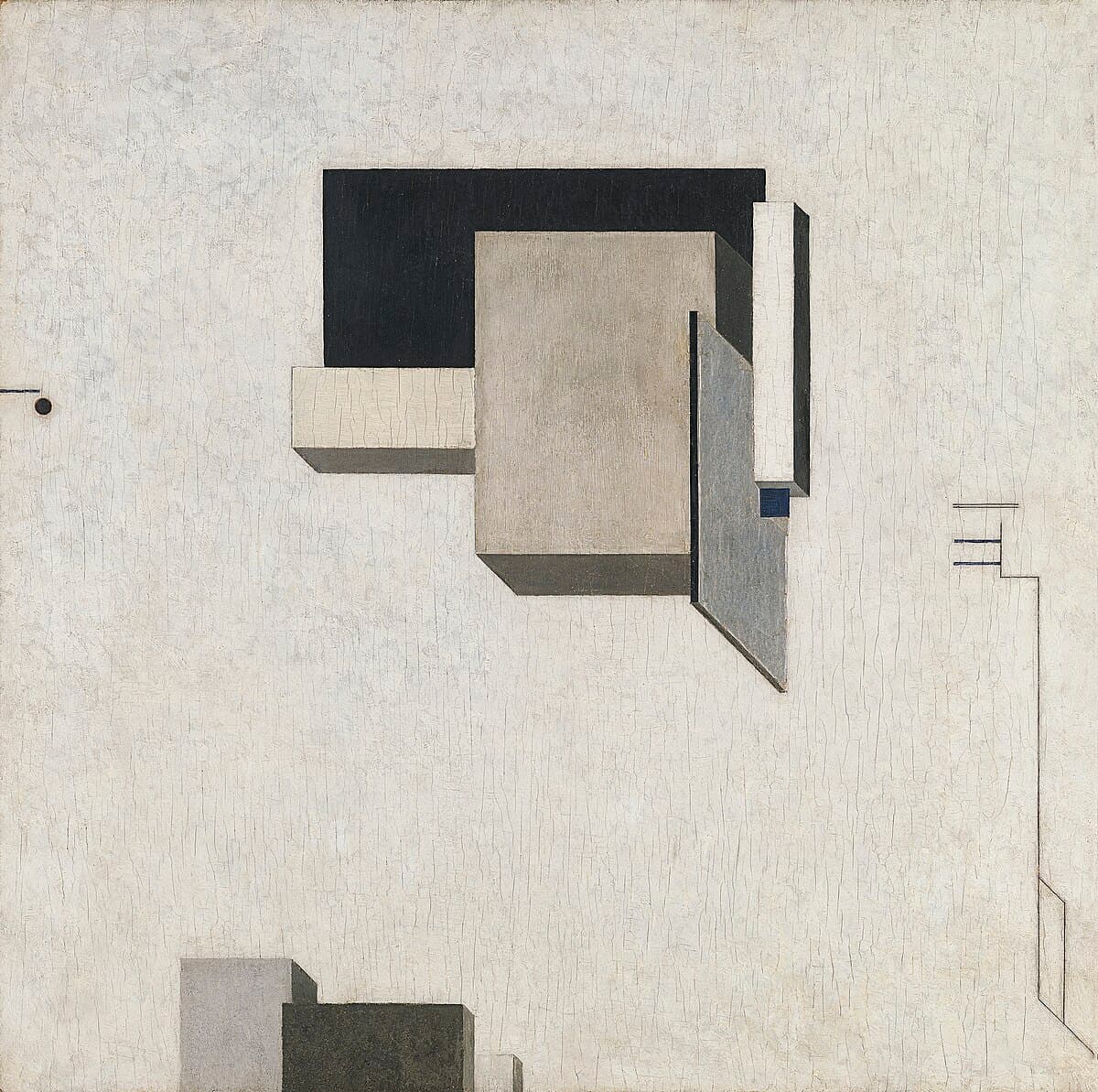
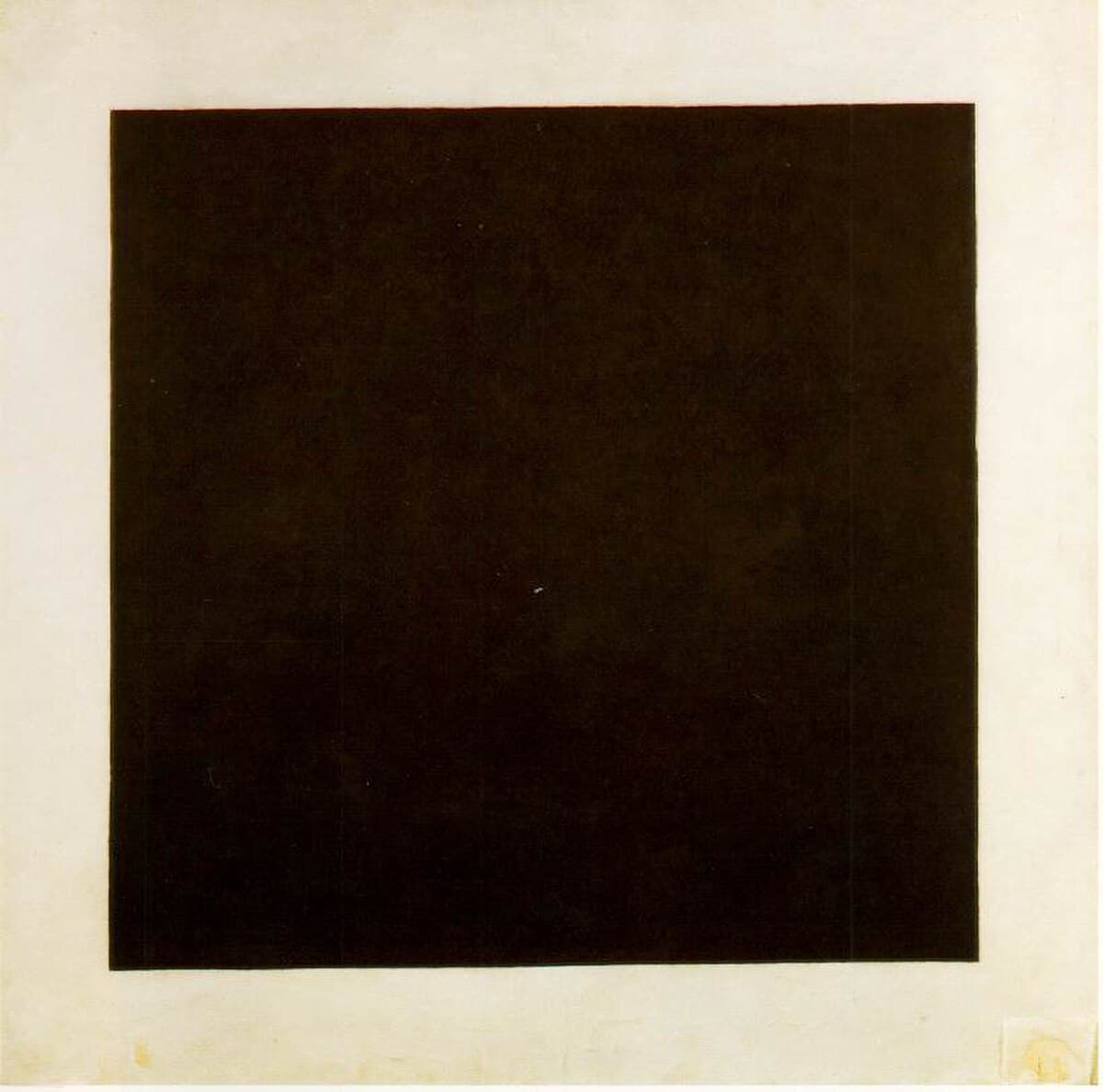
<p>Suprematism began in Russia in 1913 when painter <a href="/apps/masterpieces/artist/kazimir-malevich"><strong>Kazimir Malevich</strong></a> concluded that representing objects from the visible world had become a dead end, and that painting should instead express pure feeling through basic geometric shapes alone. He unveiled the idea publicly in 1915 with a small square of black paint on a white ground, a piece so stripped down it functioned almost as a manifesto rather than a picture.</p> <p>Malevich's <a href="/apps/masterpieces/art/black-square"><strong>Black Square</strong></a> remains the movement's defining image, reducing painting to a single flat shape against an empty field. His later <a href="/apps/masterpieces/art/suprematist-composition"><strong>Suprematist Composition</strong></a> shows how far the idea could be developed, arranging colored rectangles and lines in floating, weightless configurations that ignore gravity and perspective entirely. <a href="/apps/masterpieces/artist/el-lissitzky"><strong>El Lissitzky</strong></a> took Malevich's flat geometric language and extended it into architecture, graphic design, and propaganda posters, helping carry Suprematist ideas beyond painting and into the broader Constructivist movement that followed. Suprematism was short-lived as an organized group, largely suppressed after the Soviet government turned against abstract art in the 1930s, but its reduction of painting to color, shape, and flatness had already influenced abstract art across Europe.</p>
At a Glance
- Period
- 1913 – 1935
- Artists
- 2
- Artworks
- 7
Defining Features
Pure geometric abstractionLimited color paletteFlat, weightless compositionsRejection of representational subjectsRussian avant-garde origins
Suprematism Artists
2 artists
Suprematism Masterpieces
7 works
About Suprematism
1913 to 1935.
Pure geometric abstraction, Limited color palette, Flat, weightless compositions, Rejection of representational subjects, Russian avant-garde origins.
El Lissitzky, Kazimir Malevich.
Bring Suprematism Home
Luxury decor featuring museum-quality canvas prints inspired by these iconic masterpieces.
Shop Suprematism Art