Wikimedia Commons • Public Domain
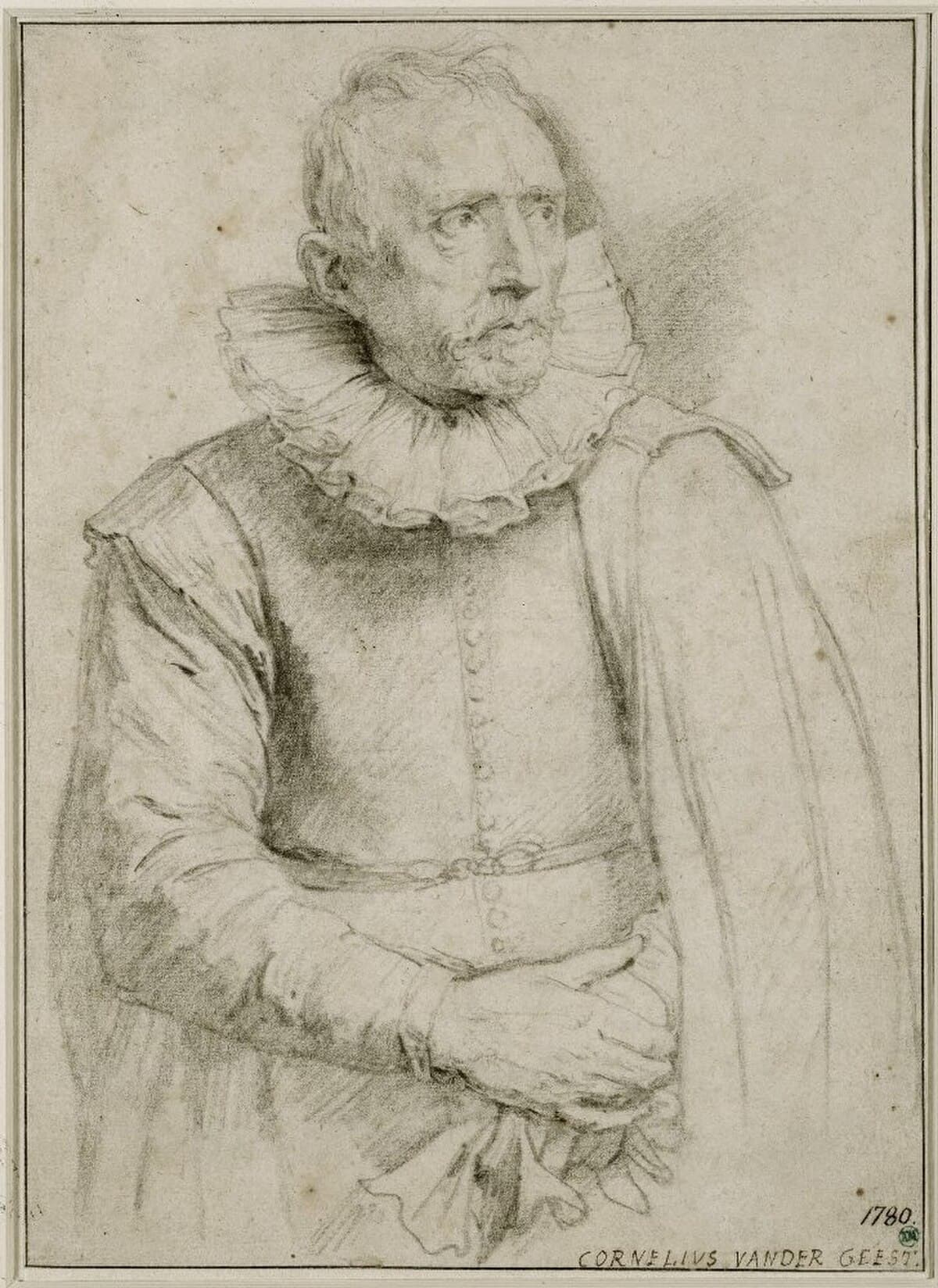
Portrait of Cornelis van der Geest
Artwork Details
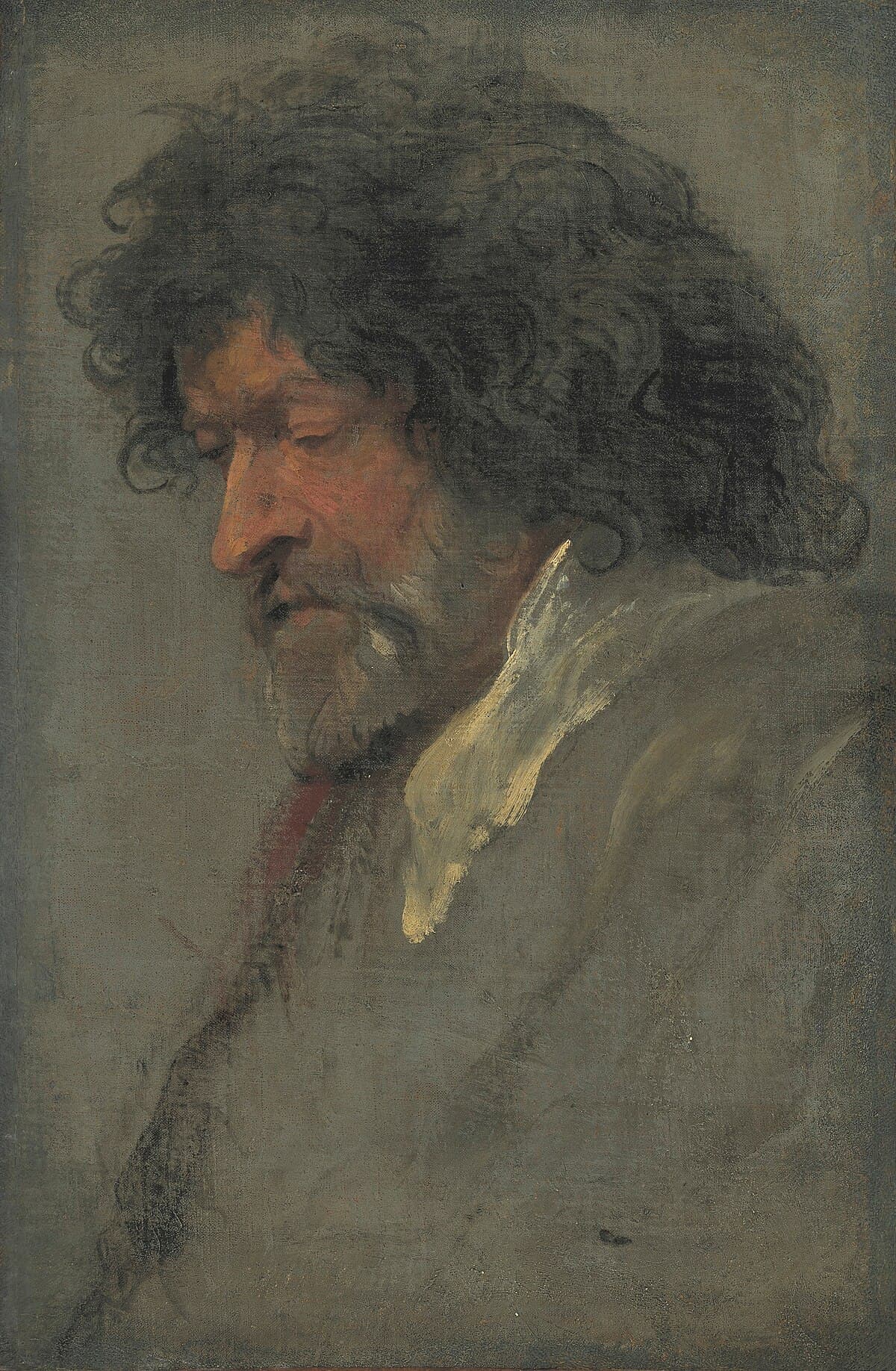
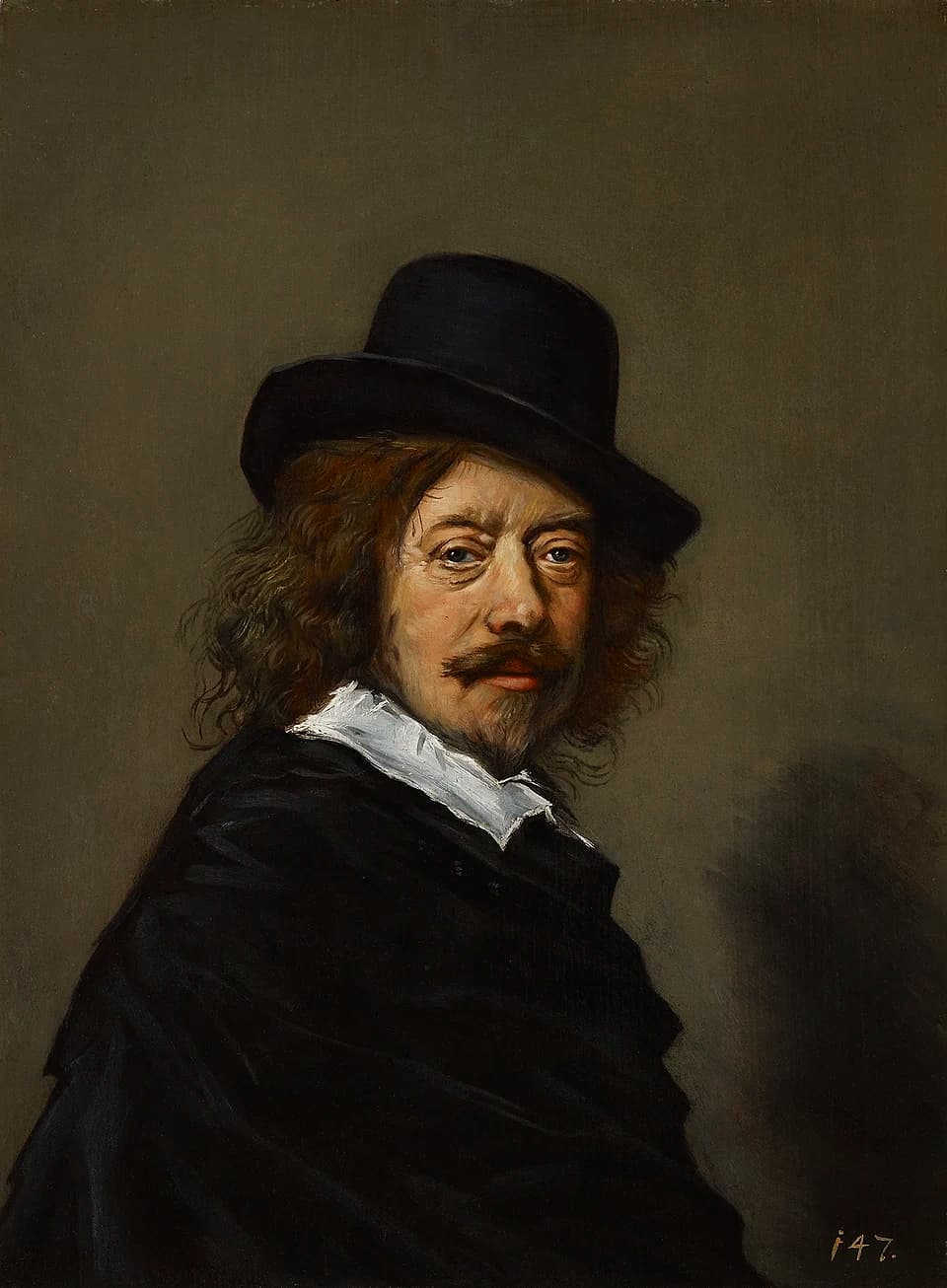
Anthony van Dyck painted the portrait around 1620, when he was just 21 years old and his subject, Cornelis van der Geest, was 65. Despite van Dyck's youth, it is considered a landmark work and one of his earliest significant works. Van der Geest was a prosperous Antwerp spice merchant who used his wealth to support local artists and build one of the most prominent art collections of his day.
The small oil-on-wood panel measures 37.5 by 32.5 centimeters. X-rays reveal that the original panel was later expanded by other artists. The National Gallery is certain the head and collar are van Dyck's work but remains uncertain about who painted the surrounding additions.
The painting was purchased by the National Gallery in London in 1824 as a work by Rubens. Only in 1864 did scholars determine the sitter was van der Geest and the artist was van Dyck. Willem van Haecht, whom van der Geest employed as collection curator, painted the collector's gallery several times.