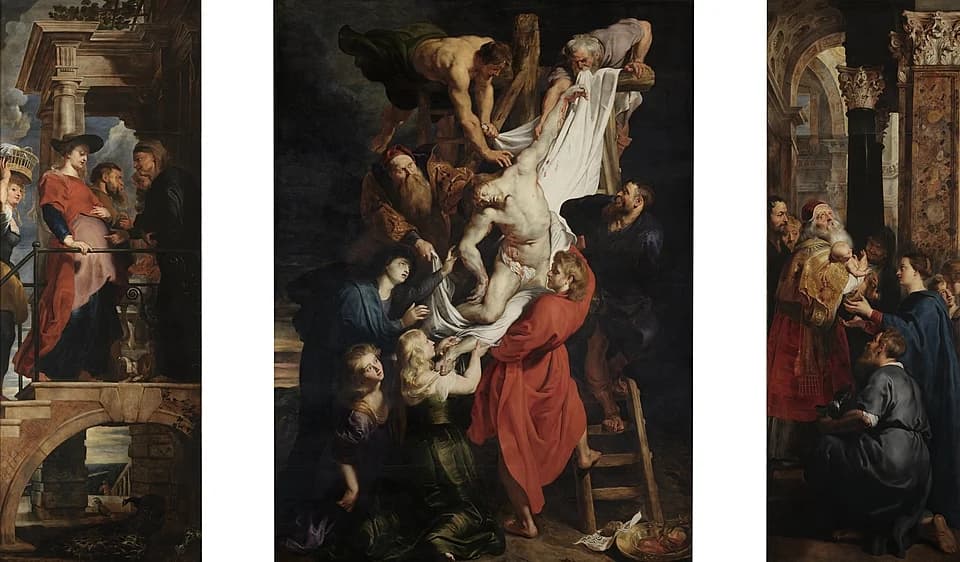
Descent from the Cross
by Peter Paul Rubens, 1614
Artwork Details
Details
- Year
- 1614
- Medium
- Oil on panel
- Size
- 420 cm × 310 cm
- Gallery
- Cathedral of Our Lady
Working in oil on panel, Peter Paul Rubens painted this monumental triptych between 1612 and 1614 for the Confraternity of the Arquebusiers in Antwerp. The central panel depicts Christ's body being lowered from the cross, wrapped in a luminous white shroud that cuts diagonally through the composition. Nine figures work together to support the weight, their faces showing grief and tenderness.
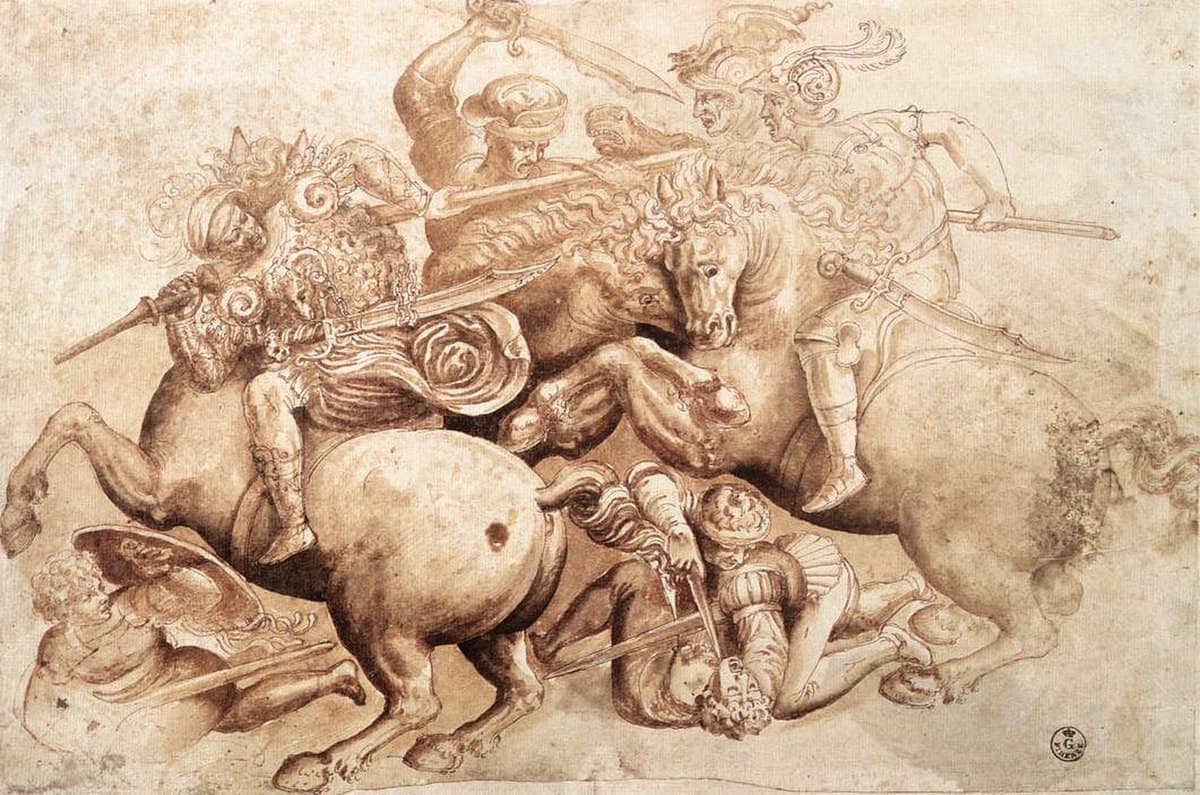
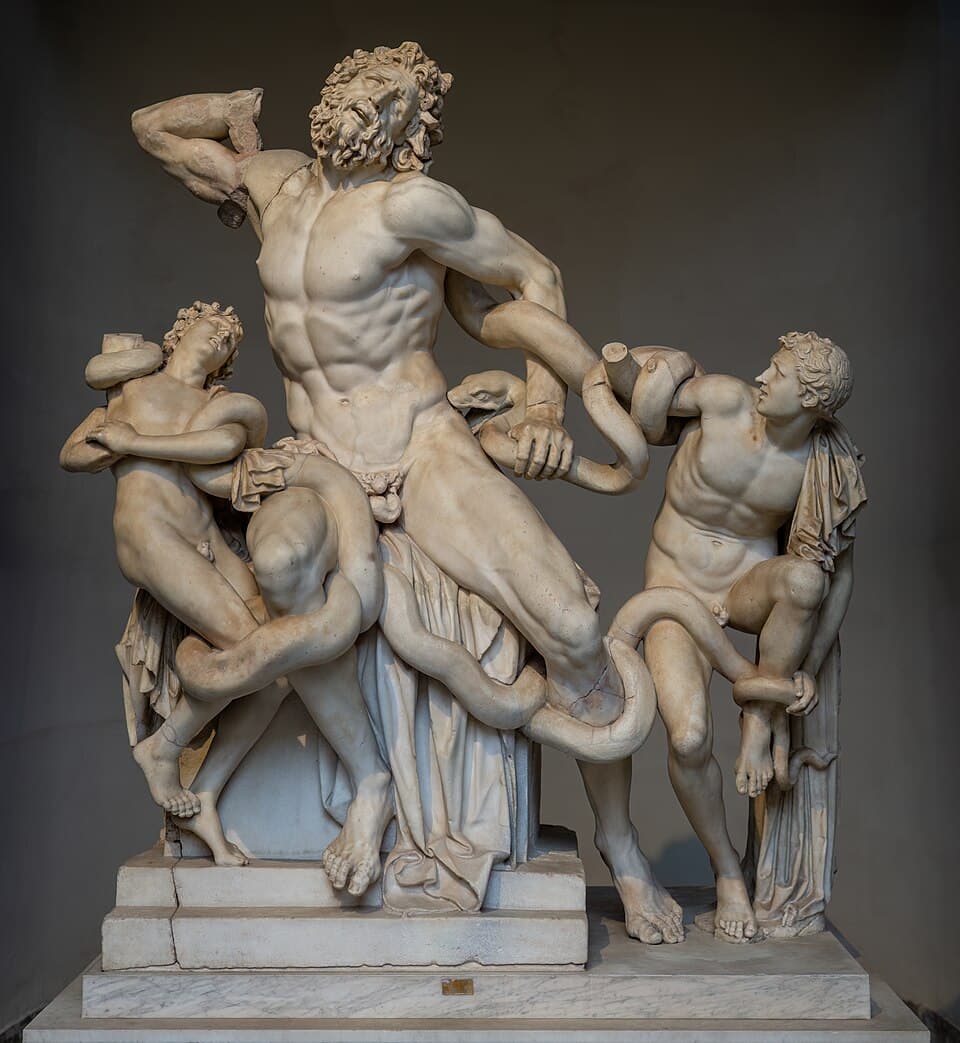
The guild's patron saint was St. Christopher, meaning "Christ-bearer." All three interior scenes show Christ being physically carried: the Visitation on the left wing, the Presentation in the Temple on the right, and this central Descent. Rubens had just returned from Italy, and Italian influences are everywhere: rich Venetian colors, Caravaggio's dramatic lighting, and the muscular perfection of classical sculpture.
The altarpiece had a turbulent history. French forces took it to the Louvre in 1794, returning it only after Napoleon's defeat. German soldiers seized it again in 1914, keeping both Rubens triptychs in Berlin until the 1918 Armistice. Today it remains in its original location at the Cathedral of Our Lady in Antwerp, one of the finest examples of Baroque religious painting.
Historical Significance
A masterpiece of Baroque art demonstrating Rubens' mastery of composition and emotional expression.