Wikimedia Commons • Public Domain
John Quincy Adams
Artwork Details
Cite or Embed This Work
APA · MLA · Chicago1-click academic citation and embeddable “On View” museum badge for articles, syllabi, and research.
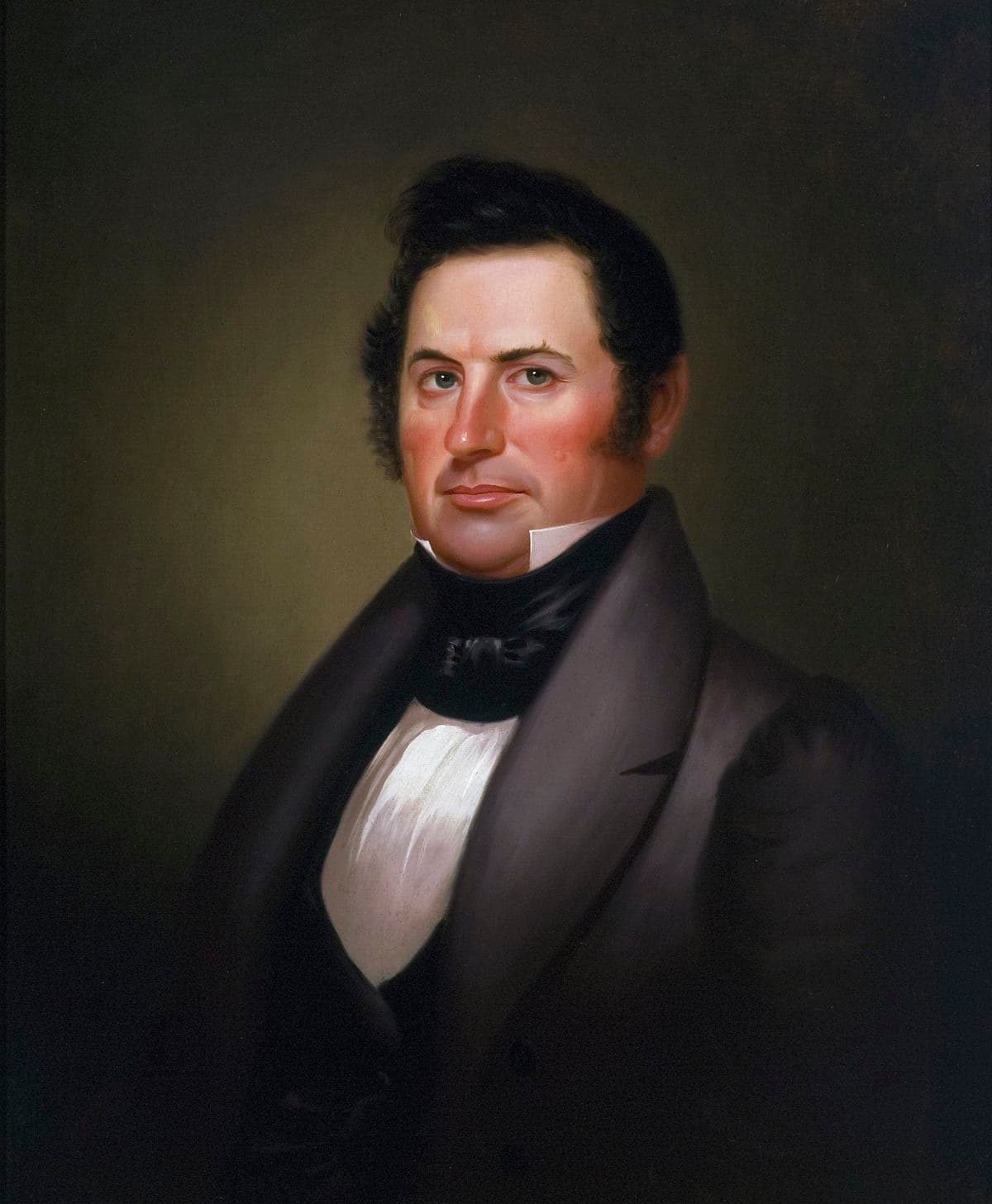
George Caleb Bingham composed this portrait of John Quincy Adams in 1850, based on sittings from 1844 when Adams was a member of Congress from Massachusetts. The former president, then in his late seventies, sat for the Missouri artist at Bingham's Pennsylvania Avenue studio in Washington D.C. Adams, who had posed for forty-five artists in his lifetime, doubted Bingham could produce "a strong likeness" and noted the experience in his diary.
Bingham ultimately created three portraits of Adams. This version shows the sixth president with a direct, unadorned approach that critics have praised for its restraint. Holland Cotter of The New York Times called it one of the best presidential portraits, while Crispin Sartwell wrote that it "sets the chastened tone of the generation after the Founders" with its "beautifully flat and direct approach."
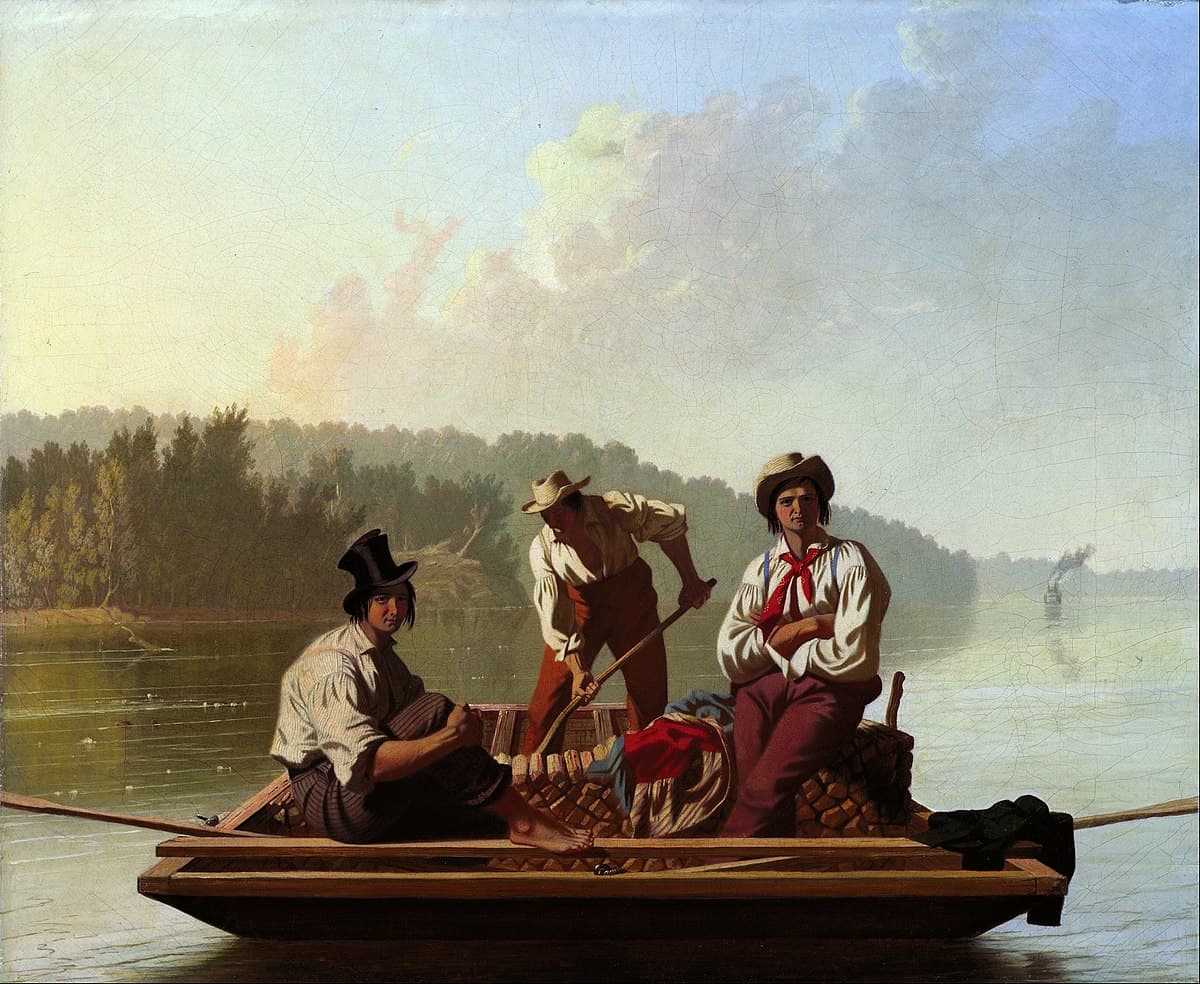
The painting hangs at the National Portrait Gallery in Washington, D.C., displayed alongside a daguerreotype of Adams. Bingham was a prolific portraitist who produced as many as 500 portraits during his career, though he's now best known for his genre scenes of American frontier life.