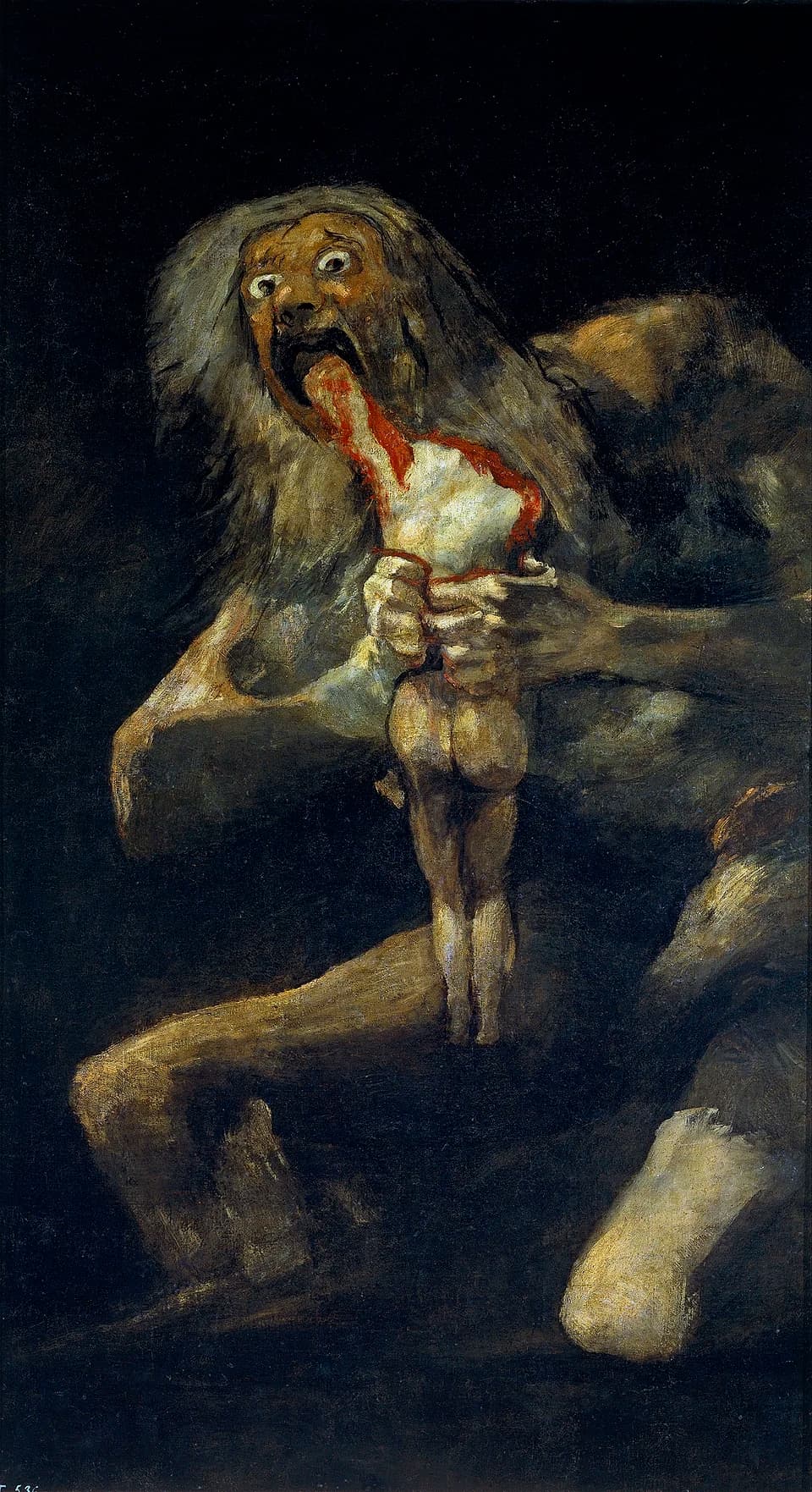
Saturn Devouring His Son
by Francisco Goya, 1823
Artwork Details
Details
- Year
- 1823
- Medium
- Oil mural transferred to canvas
- Size
- 143 cm × 81 cm
- Gallery
- Black Paintings Room
Find It In The Museum
Black Paintings Room
Museo del Prado, Madrid, Madrid
Part of the permanent collection
Cite or Embed This Work
APA · MLA · Chicago1-click academic citation and embeddable “On View” museum badge for articles, syllabi, and research.
A wild-eyed giant clutches a bloody corpse, cramming it into his gaping mouth. Francisco Goya painted Saturn Devouring His Son directly onto the walls of his farmhouse outside Madrid sometime between 1819 and 1823. He never titled it, never exhibited it, and likely never intended anyone to see it. The painting was one of fourteen "Black Paintings" that decorated his home during his final years in Spain.
The subject comes from Roman mythology: the god Saturn, fearing a prophecy that his children would overthrow him, devoured each one at birth. Goya's interpretation is pure nightmare. Saturn's bulging eyes, his grip on the mangled body, the darkness pressing in from all sides transform classical myth into psychological horror. Some scholars see the image as a meditation on Spain consuming its youth in civil conflict.
Goya was in his seventies, deaf, and increasingly isolated when he created the Black Paintings. After his death, the murals were transferred to canvas and eventually donated to Museo del Prado in Madrid, where they remain among the most disturbing images in any museum.
Historical Significance
Part of the famous Black Paintings series, representing Goya's dark psychological exploration.
More by Francisco Goya
View all →
Also at Museo del Prado, Madrid
View all →

Related Works
Works that share an artist, movement, museum, genre, palette or theme with Saturn Devouring His Son.
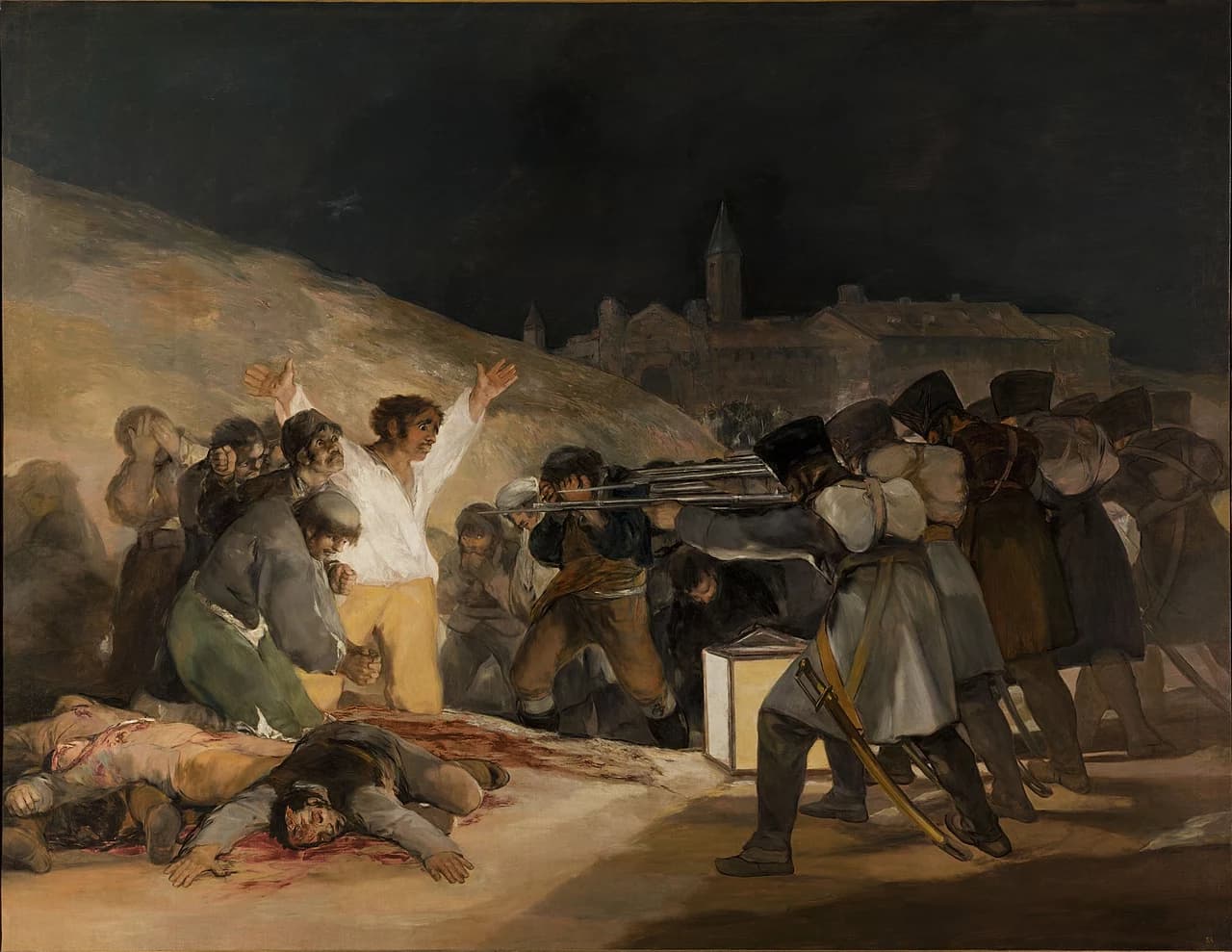
- Same artist
- Same movement
The Third of May 1808
Francisco Goya, 1814
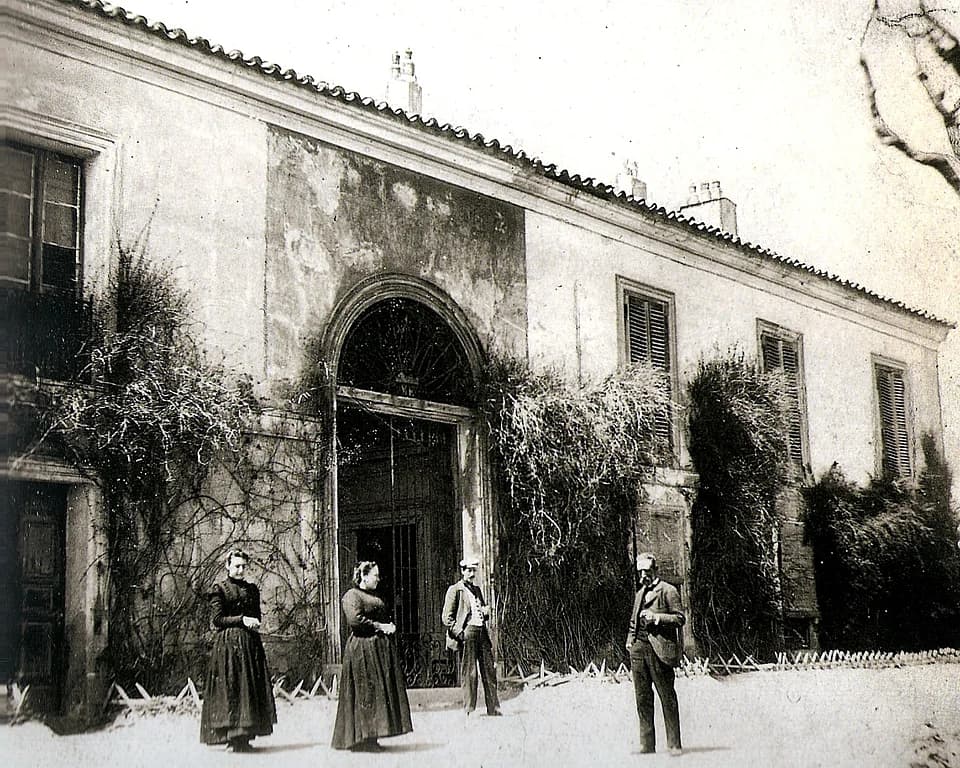
- Same artist
- Same movement
The Dog
Francisco Goya, 1823
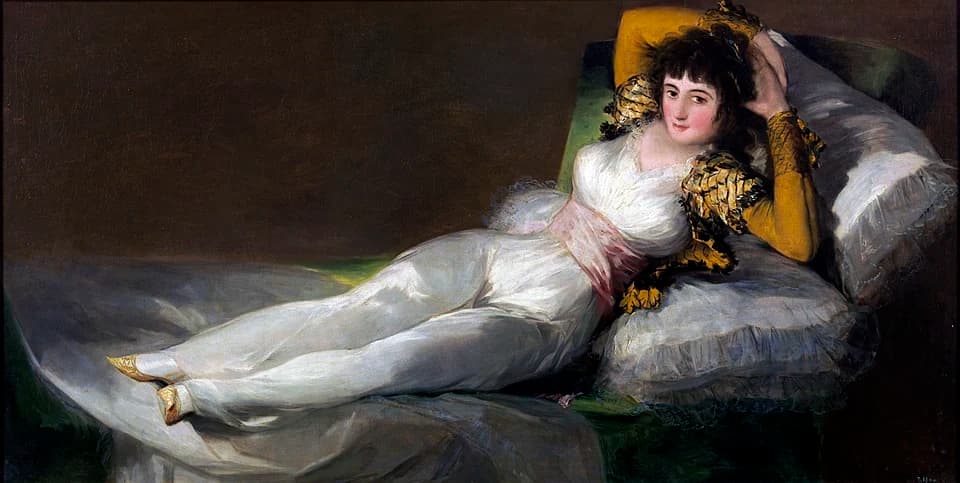
- Same artist
- Same movement
The Clothed Maja
Francisco Goya, 1800
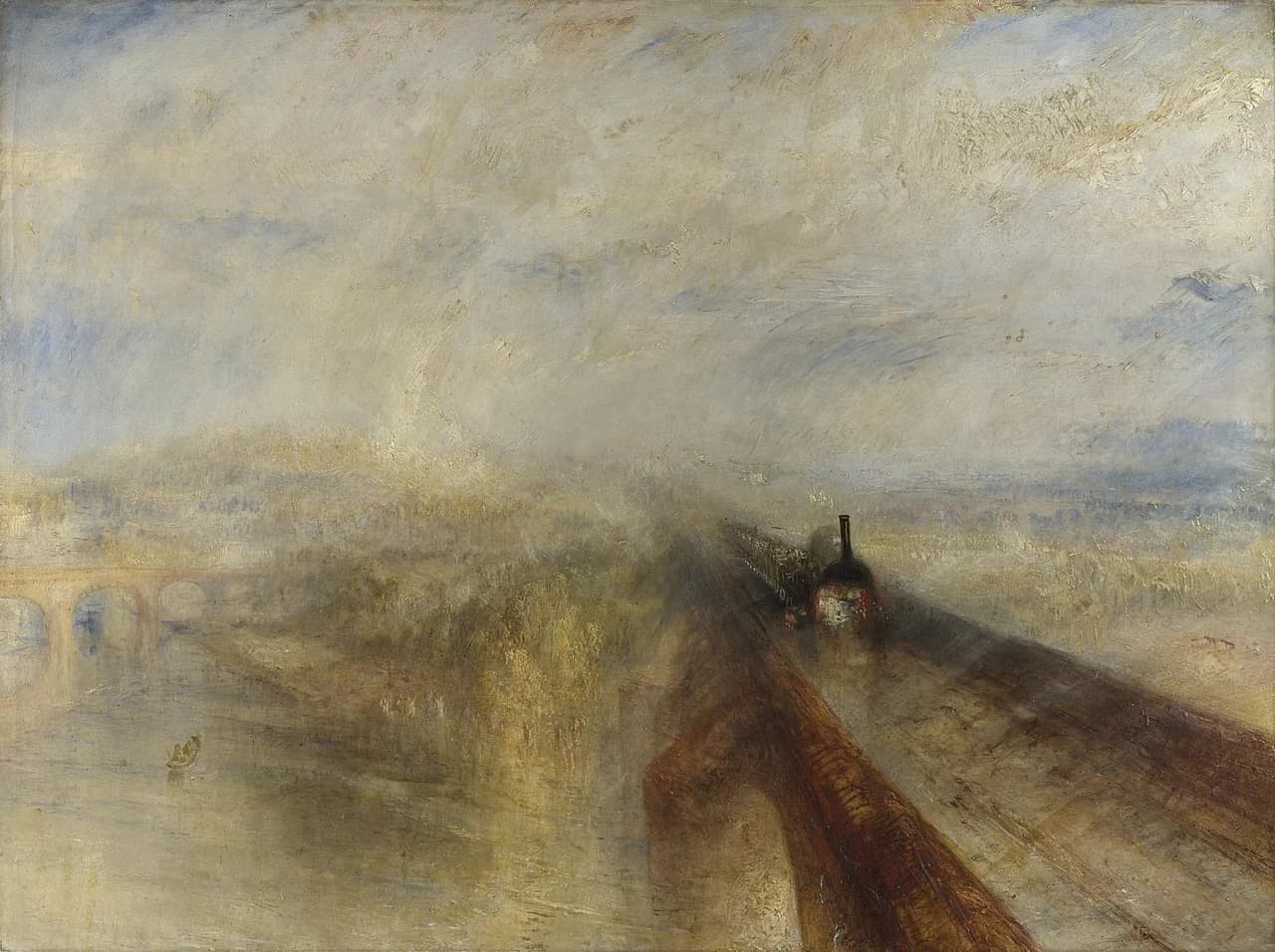
- Same movement
- Similar palette
Rain, Steam and Speed
J.M.W. Turner, 1844
- Same movement
- Similar palette
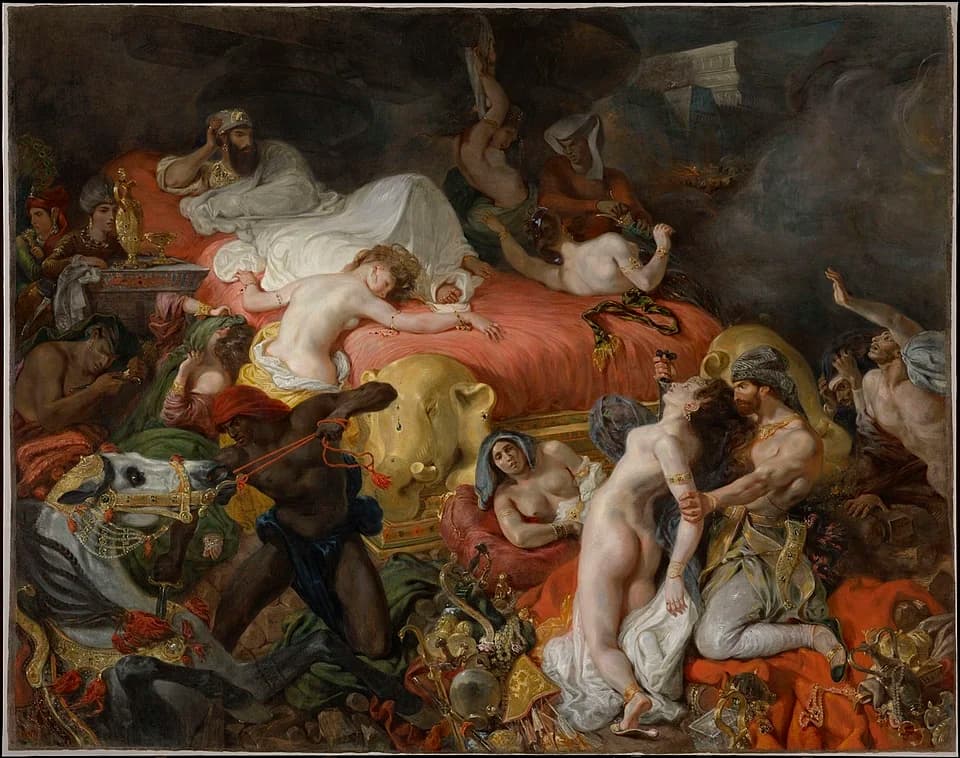
The Death of Sardanapalus
Eugène Delacroix, 1827

- Same movement
- Similar palette
The Gleaners
Jean-François Millet, 1857
- Same movement
- Similar palette
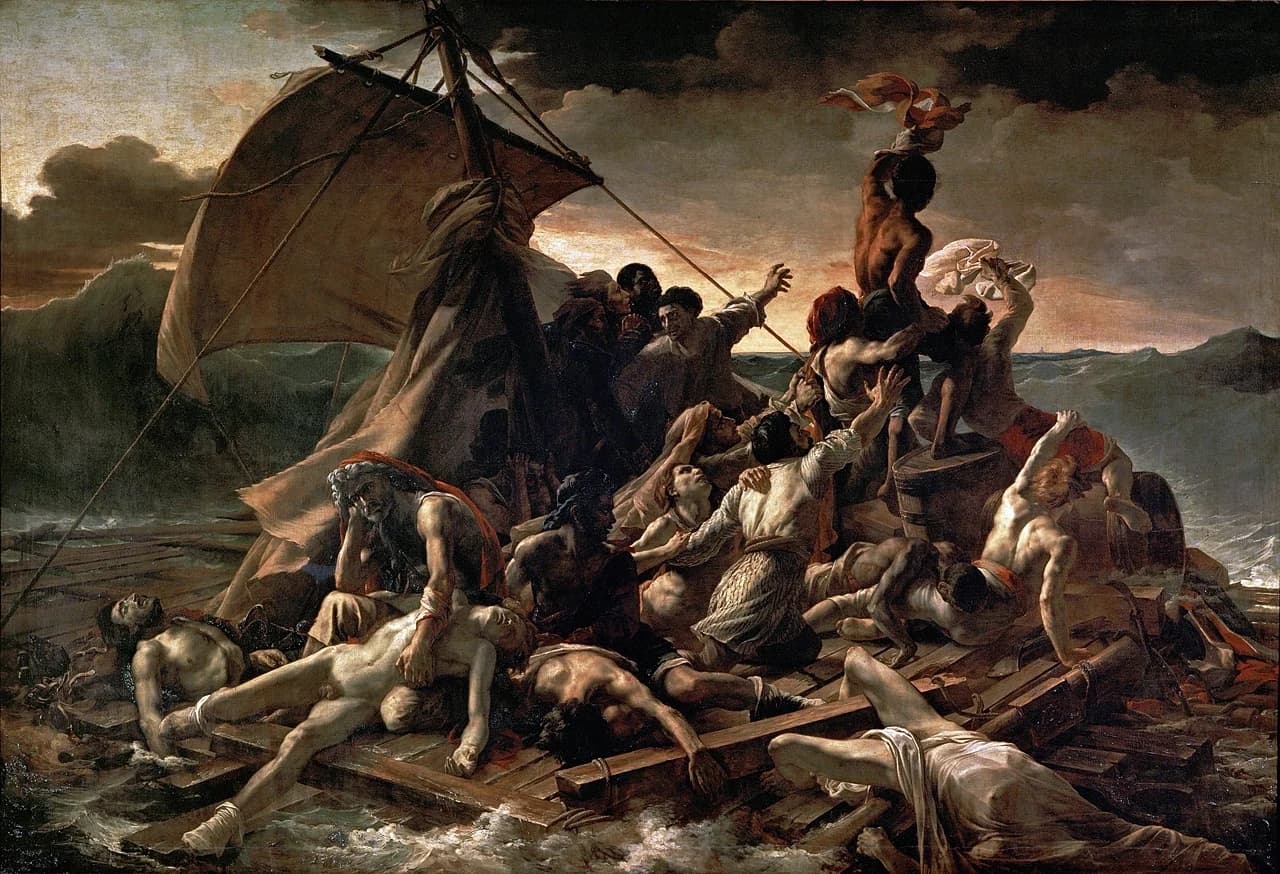
The Raft of the Medusa
Théodore Géricault, 1819
- Same movement
- Similar palette
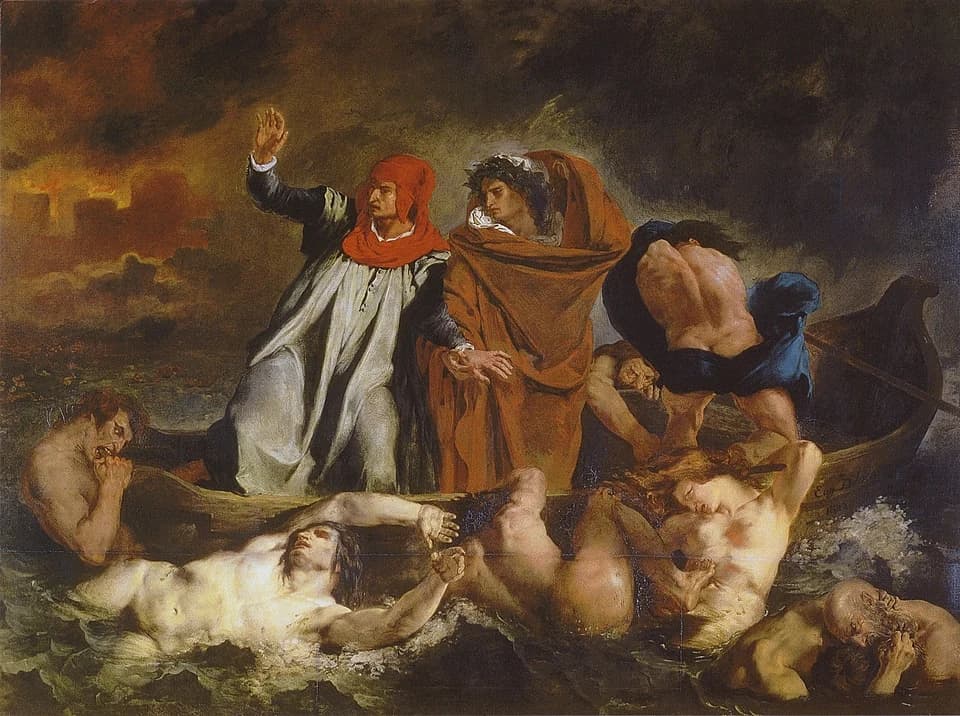
Women of Algiers
Eugène Delacroix, 1834
- Same movement
- Similar palette
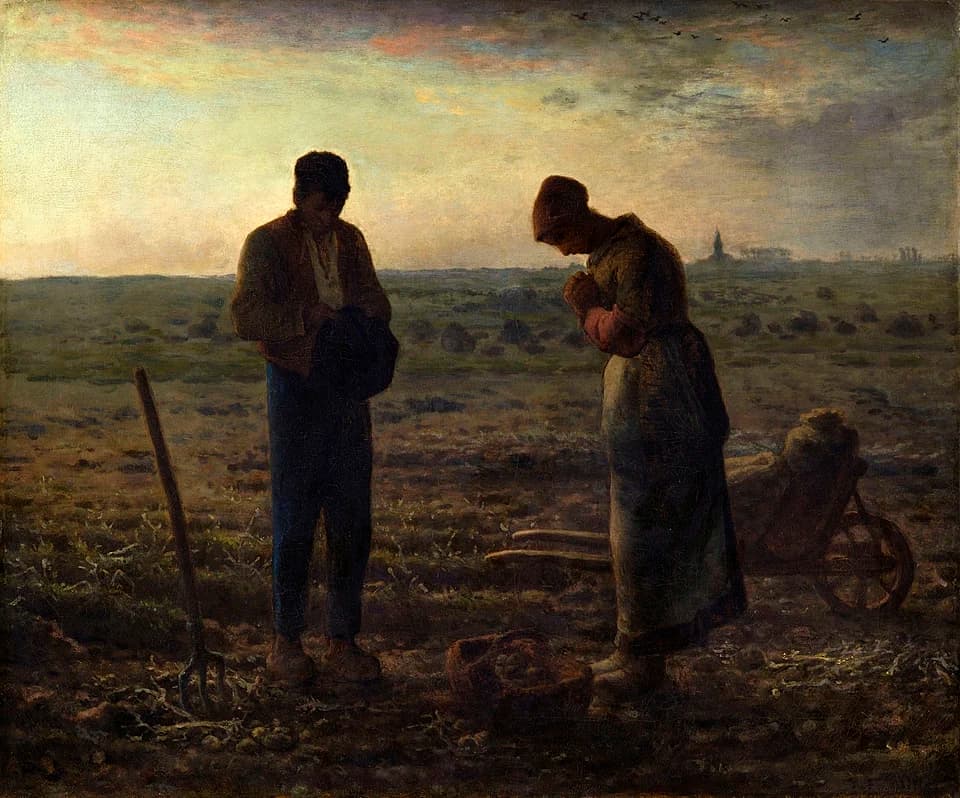
The Angelus
Jean-François Millet, 1859

- Same movement
- Similar palette
The Hay Wain
John Constable, 1821
- Same movement
- Similar palette
The Fighting Temeraire
J.M.W. Turner, 1839
- Same genre
- Similar palette
Venus of Urbino
Titian, 1538
About Saturn Devouring His Son
It's at the Museo del Prado in Madrid, Spain. The painting was transferred from the walls of Goya's house (the Quinta del Sordo) to canvas in 1874 and donated to the Spanish state.
Saturn Devouring His Son is one of Goya's 14 'Black Paintings', created directly on the walls of his home between 1819 and 1823. Goya was deaf, aging, and politically disillusioned when he painted them. They were never meant for public display. The dark themes reflect his mental state during Spain's turbulent post-war period.
The Greek myth of Cronus (Saturn in Roman mythology), who devoured his children at birth because a prophecy said one of them would overthrow him. Goya's version is brutally visceral, stripping away any classical elegance. The wild-eyed figure grips a bloody, mangled body in the darkness.
The painting measures 143.5 cm × 81.4 cm (56.5 × 32 inches). Originally it was a mural painted directly on plaster. The transfer to canvas in the 1870s inevitably altered some details, and scholars debate how much of the current surface reflects Goya's original brushwork.
No. Goya never titled or publicly discussed any of the Black Paintings. The name 'Saturn Devouring His Son' was assigned after his death by art historians who identified the mythological subject. Some scholars have questioned whether Goya even intended the figure to represent Saturn at all.
Own Art Like This
Luxury wall art with the same mood and energy. Gallery-quality canvas, no museum crowds.
Browse Collection