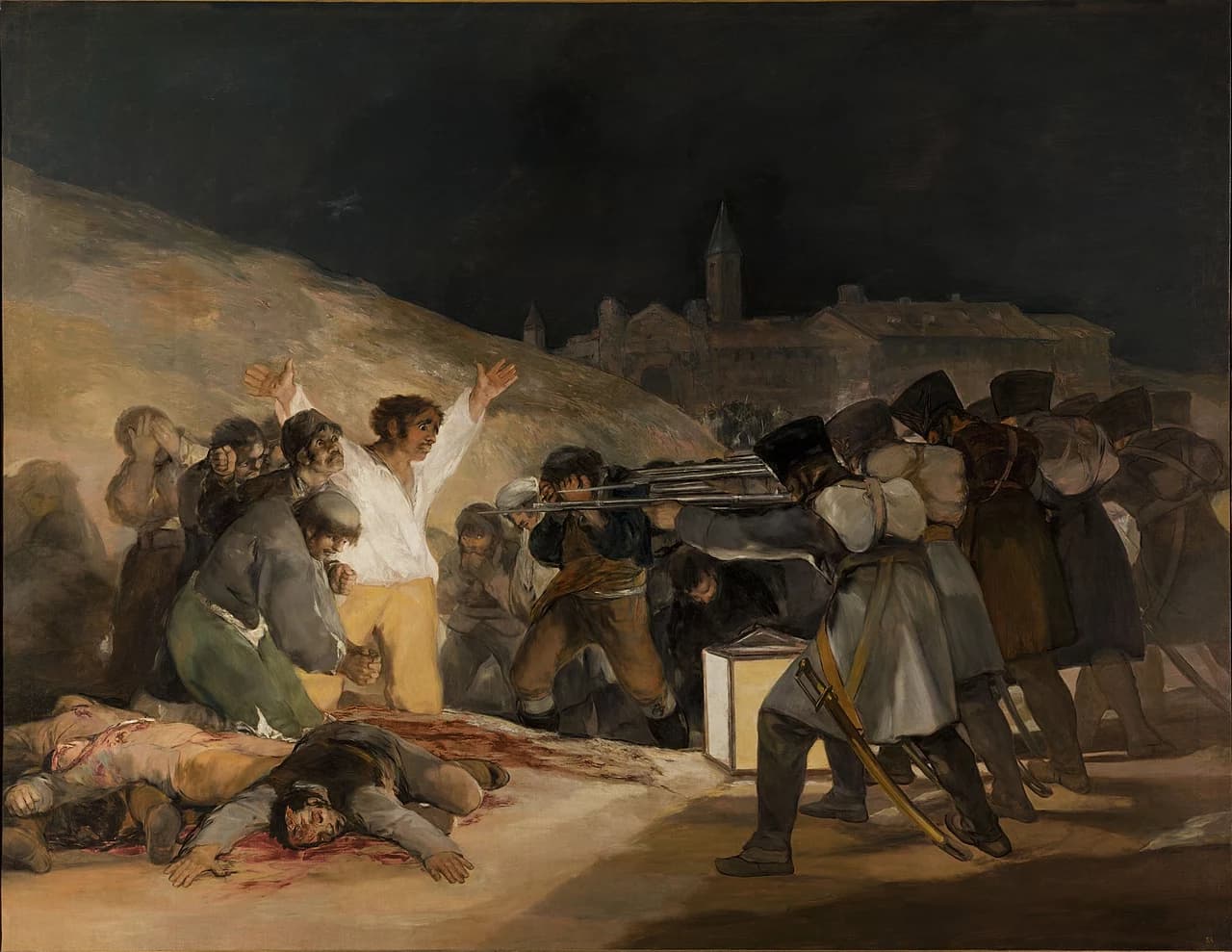
The Third of May 1808
by Francisco Goya, 1814
Artwork Details
Details
- Year
- 1814
- Medium
- Oil on canvas
- Size
- 268 cm × 347 cm
- Gallery
- Room 64
Find It In The Museum
Room 64
Museo del Prado, Madrid, Madrid
Part of the permanent collection
Cite or Embed This Work
APA · MLA · Chicago1-click academic citation and embeddable “On View” museum badge for articles, syllabi, and research.
Francisco Goya painted The Third of May 1808 in 1814, commemorating Spanish resistance to Napoleon's occupation. French soldiers form a faceless firing squad, their backs to us, rifles leveled at a group of civilians. At center, a man in a white shirt throws his arms wide in a pose echoing crucifixion, his face caught between terror and defiance. Bodies of the already executed lie in pools of blood at his feet.
The executions were real. On May 3, 1808, French troops shot hundreds of suspected rebels on a hill outside Madrid. Goya may have witnessed the aftermath. He painted this work six years later, after the French had been expelled, creating what many consider the first modern war painting. Unlike earlier battle scenes glorifying heroism, Goya showed war as butchery.
The Romantic master served as court painter to successive Spanish kings while privately documenting the horrors he witnessed. The Third of May hangs at Museo del Prado in Madrid, often paired with its companion piece depicting the uprising of May 2nd.
Historical Significance
A landmark in the history of art, considered the first great modern painting of war.
More by Francisco Goya
View all →
Also at Museo del Prado, Madrid
View all →

Related Works
Works that share an artist, movement, museum, genre, palette or theme with The Third of May 1808.
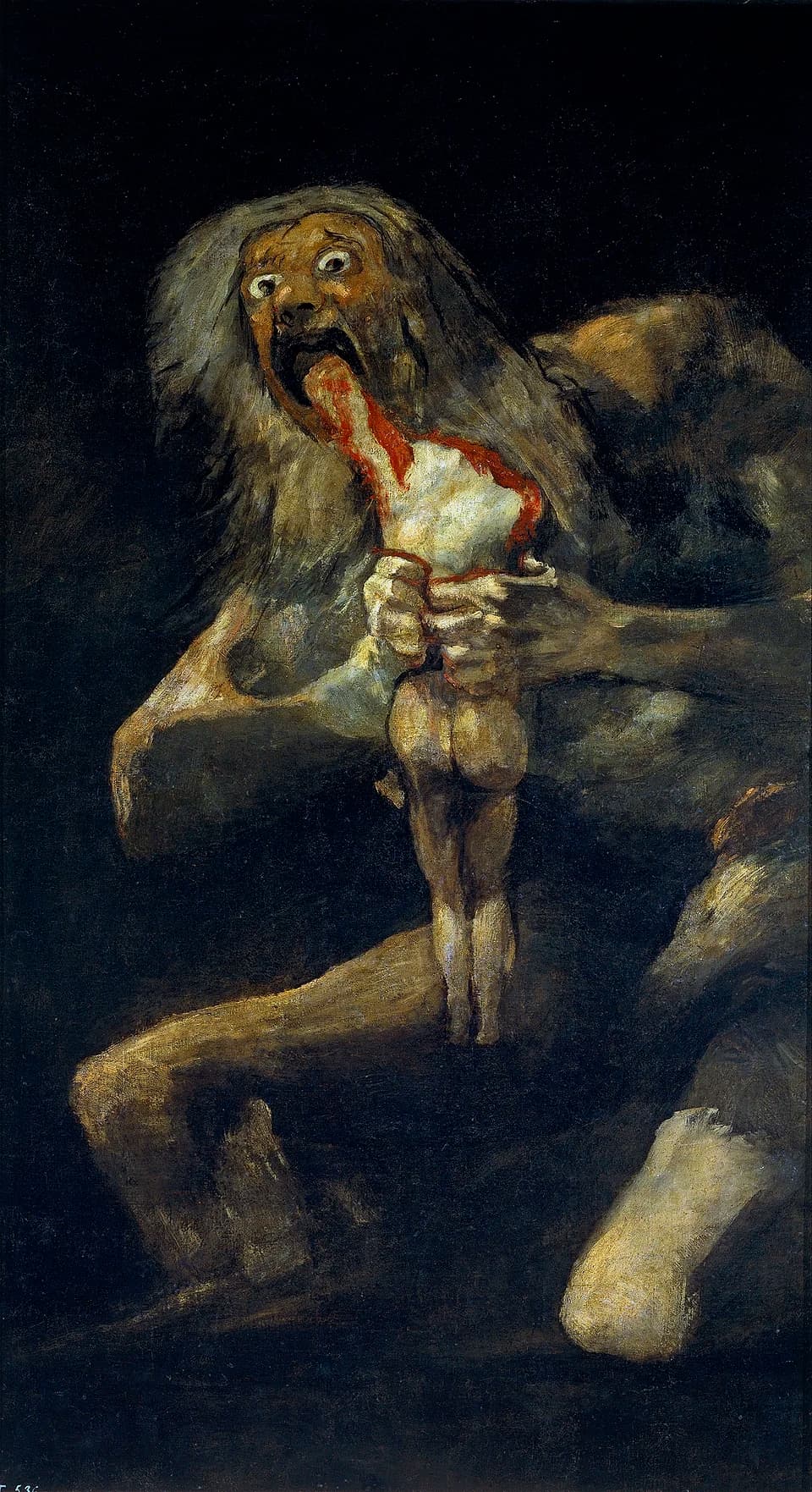
- Same artist
- Same movement
Saturn Devouring His Son
Francisco Goya, 1823
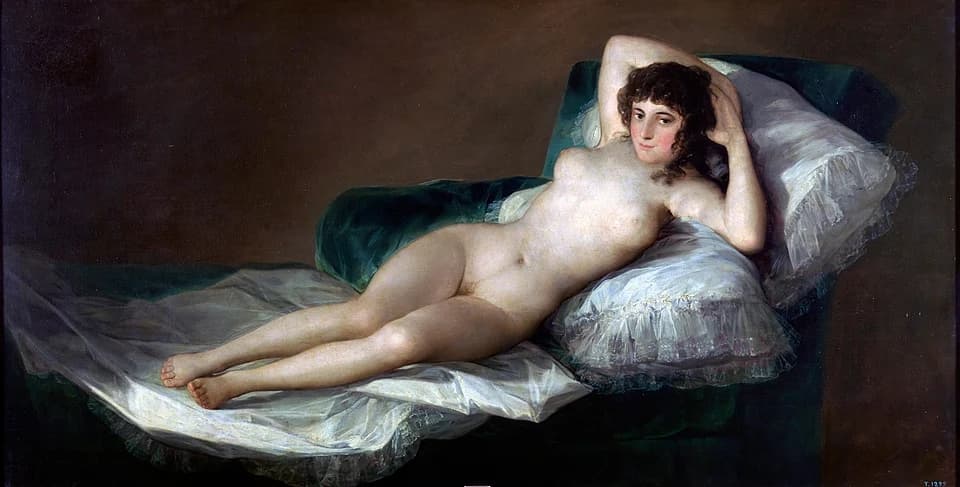
- Same artist
- Same movement
The Nude Maja
Francisco Goya, 1800
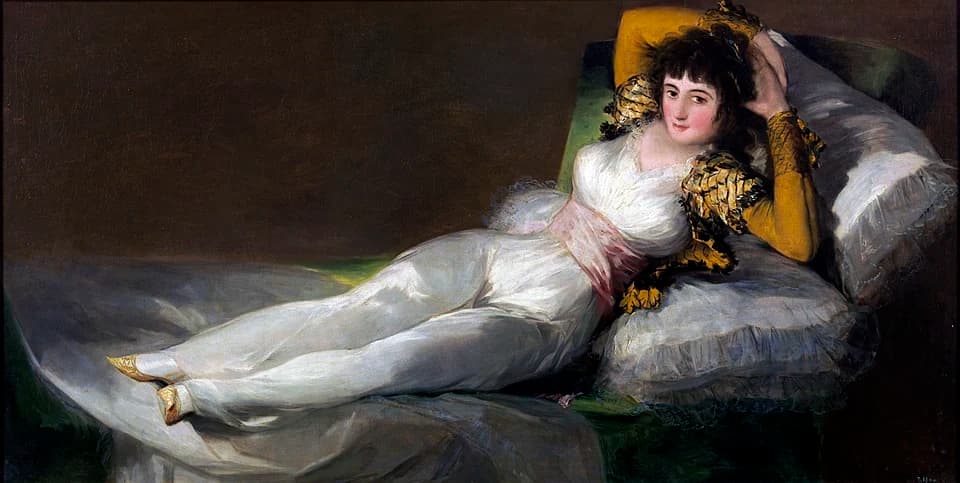
- Same artist
- Same movement
The Clothed Maja
Francisco Goya, 1800
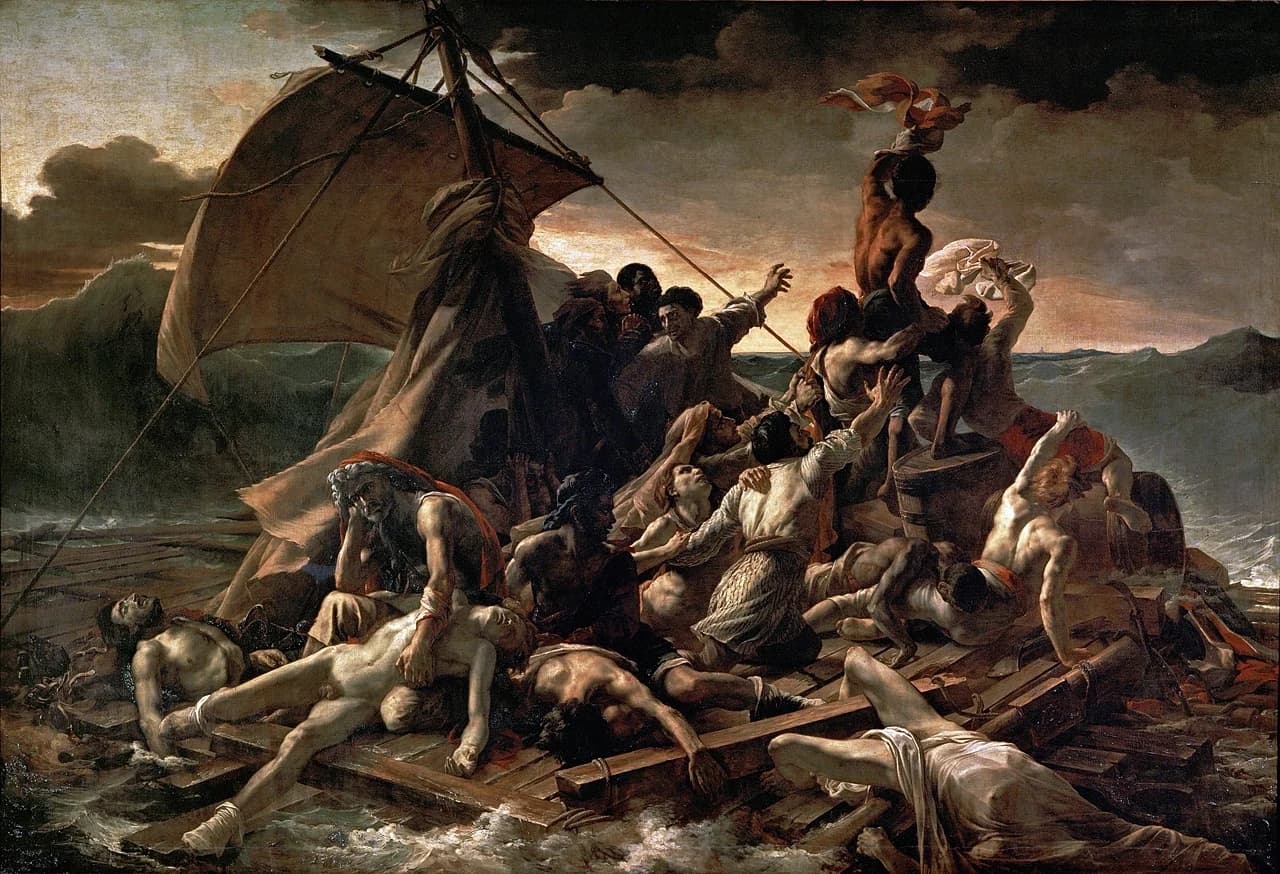
- Same movement
- Same genre
The Raft of the Medusa
Théodore Géricault, 1819
- Same movement
- Similar palette
The Fighting Temeraire
J.M.W. Turner, 1839
- Same movement
- Similar palette
Rain, Steam and Speed
J.M.W. Turner, 1844
- Same movement
- Similar palette
Women of Algiers
Eugène Delacroix, 1834
- Same movement
- Similar palette
The Gleaners
Jean-François Millet, 1857
- Same movement
- Similar palette
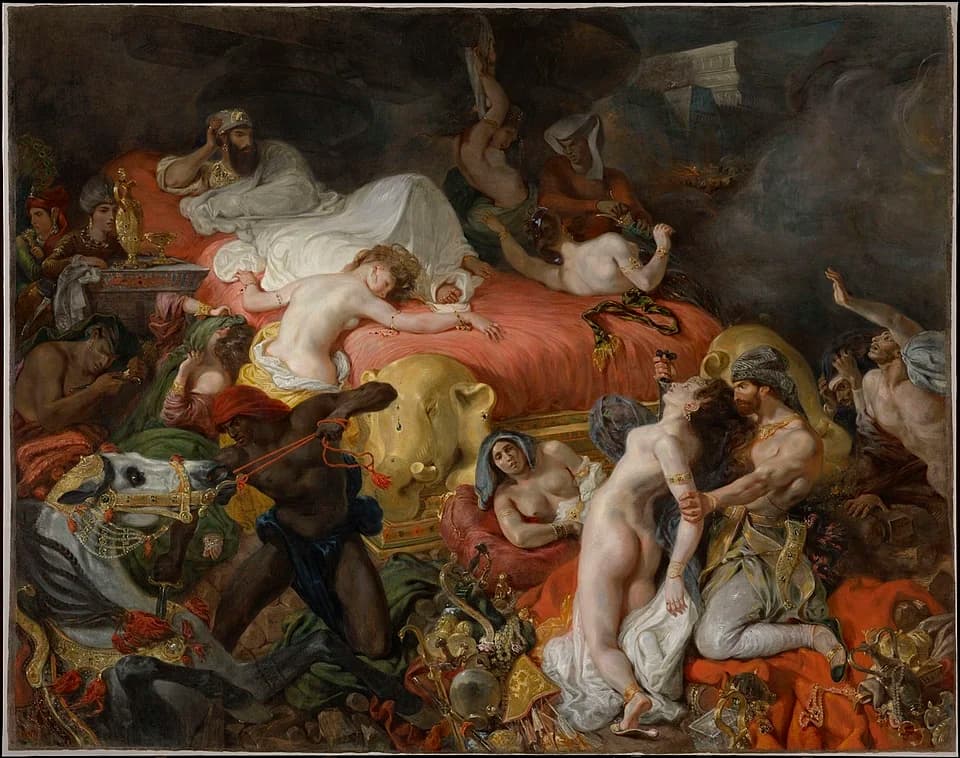
The Death of Sardanapalus
Eugène Delacroix, 1827
- Same movement
- Similar palette
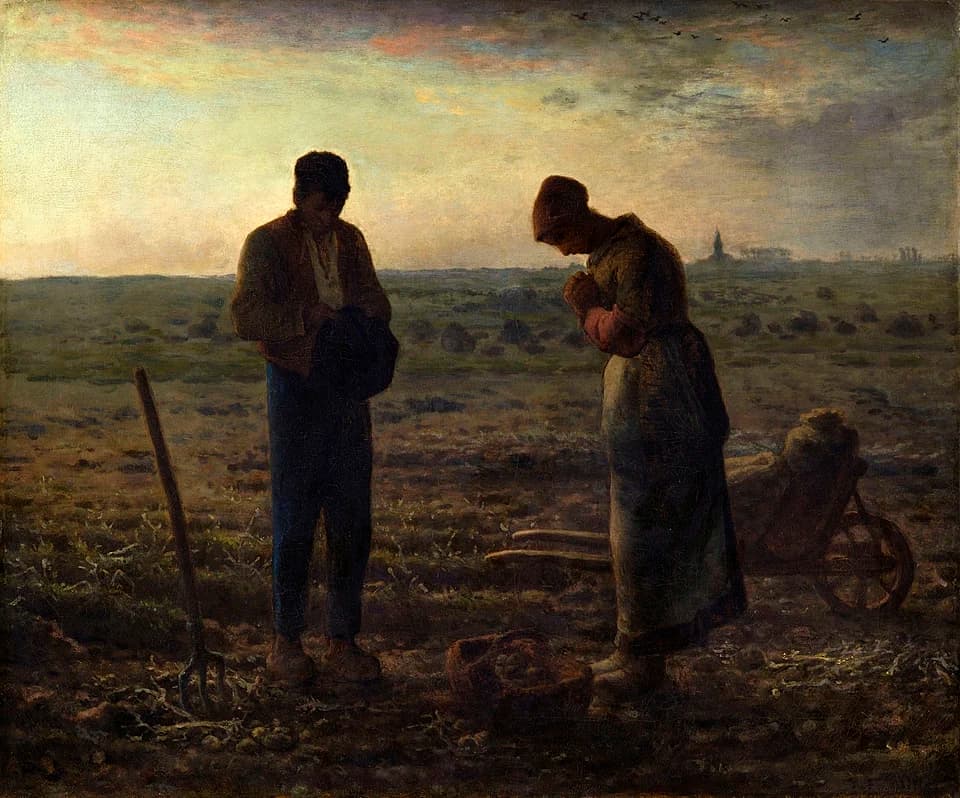
The Angelus
Jean-François Millet, 1859
- Same movement
- Similar palette
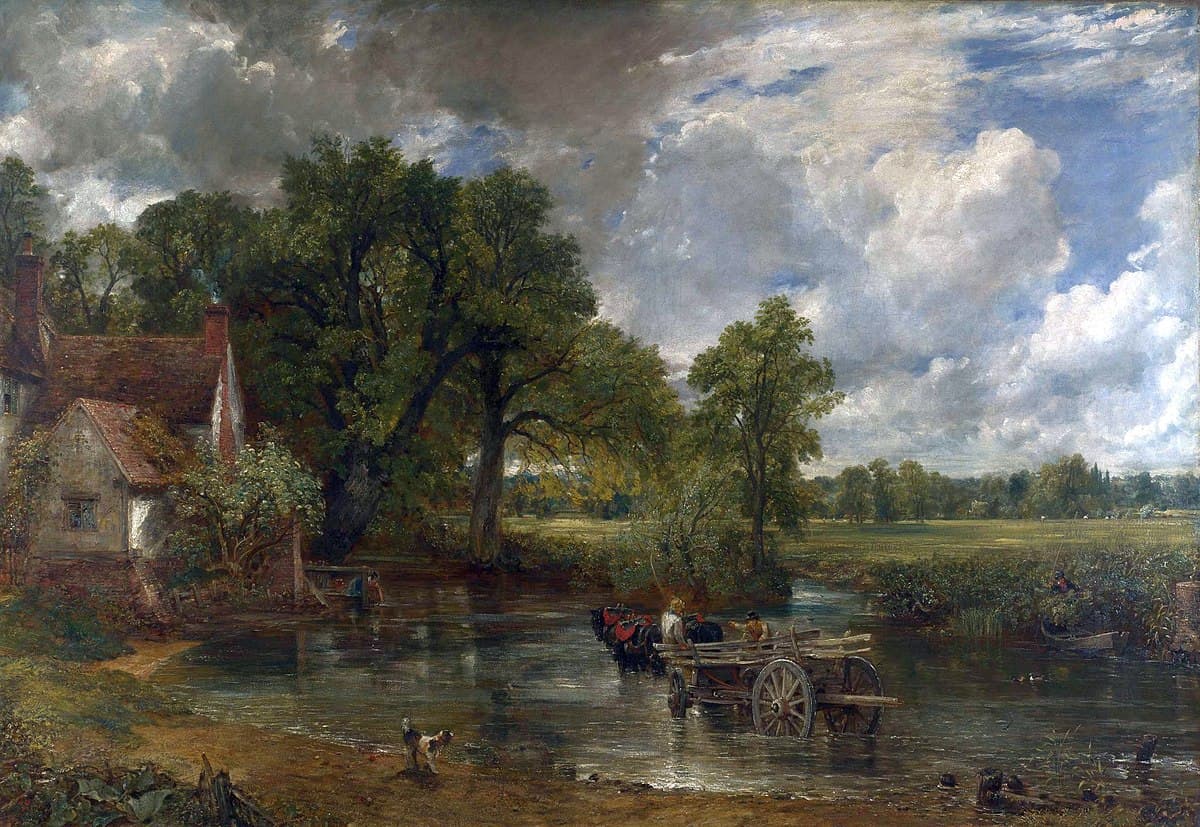
The Hay Wain
John Constable, 1821
- Same genre
- Similar palette
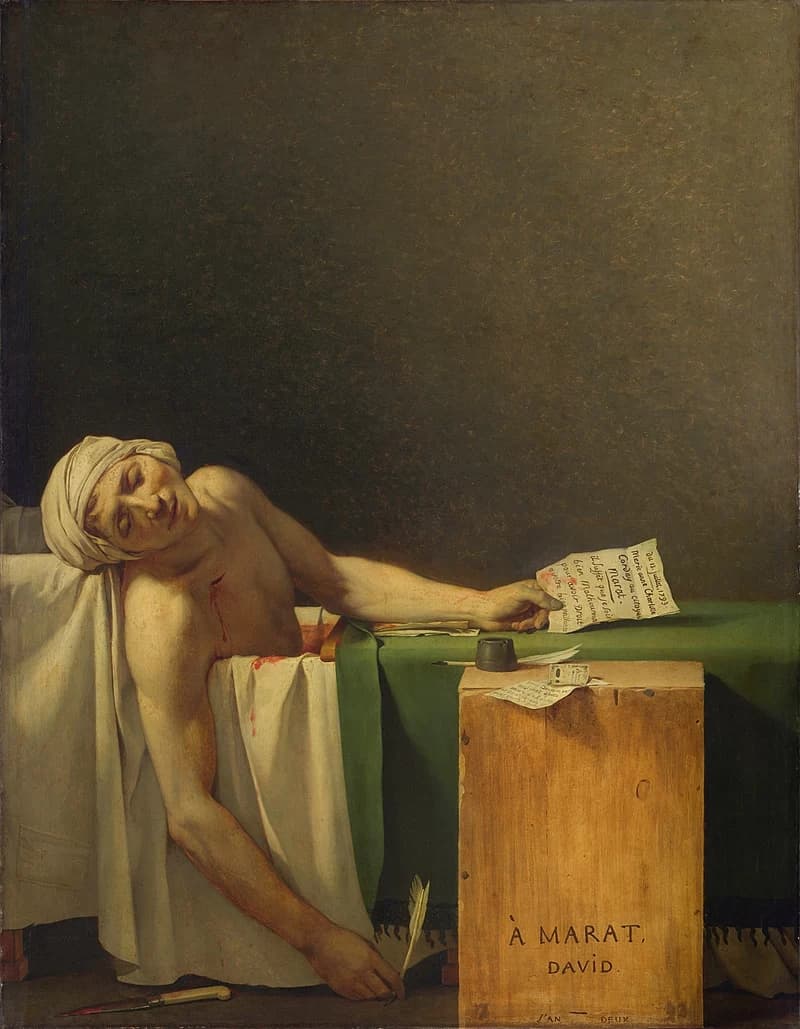
The Death of Marat
Jacques-Louis David, 1793
About The Third of May 1808
It's at the Museo del Prado in Madrid. Goya painted it in 1814, six years after the events it depicts. He proposed the painting to the Spanish government as a memorial.
The execution of Spanish civilians by Napoleon's soldiers on May 3, 1808, in Madrid. The day before, Madrileños had risen against the French occupation. The reprisals were brutal: hundreds were shot at various locations. Goya shows the moment of execution on Príncipe Pío hill.
The central figure throws his arms wide in a Christ-like gesture, facing the firing squad with defiance and terror. His white shirt creates the painting's brightest focal point against the dark sky. A lantern illuminates the victims but leaves the soldiers' faces hidden in shadow, making them anonymous instruments of violence.
It measures 268 cm × 347 cm (8 feet 10 inches × 11 feet 5 inches). The large scale puts the viewer at the level of the victims. Goya's loose, almost violent brushwork conveys chaos and urgency. Blood pools on the ground. Bodies lie crumpled. Another group of prisoners approaches from behind.
It's considered the first modern war painting. Before Goya, battle paintings glorified victory. This one shows war's brutality from the victims' perspective. No heroism, no glory: just terror and death. Manet's Execution of Maximilian, Picasso's Guernica, and countless war photographs owe a debt to this Romantic masterwork.
Own Art Like This
Luxury wall art with the same mood and energy. Gallery-quality canvas, no museum crowds.
Browse Collection