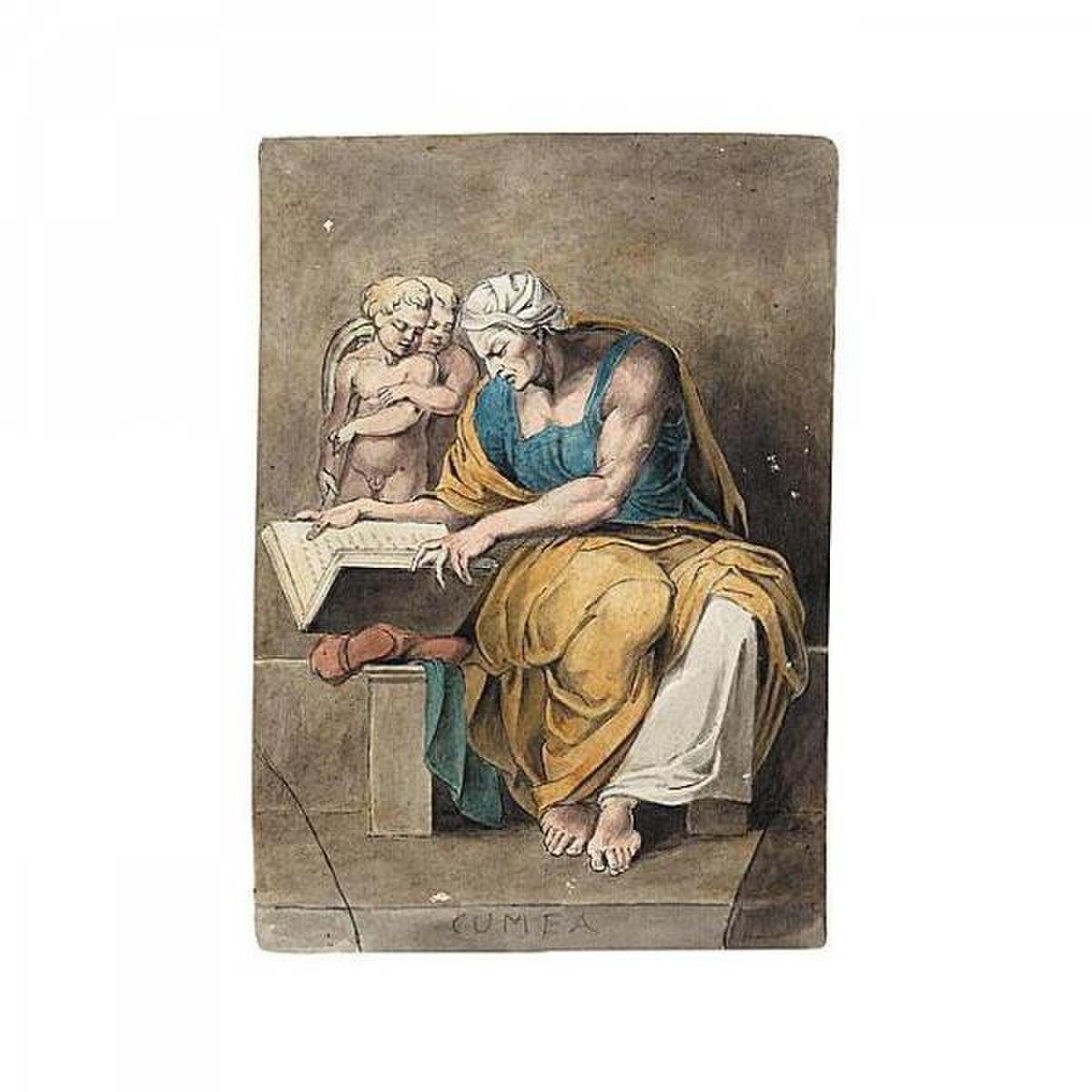
Wikimedia Commons • Public Domain
The Cumaean Sibyl
by Jan van Eyck
StyleNorthern Renaissance
Artwork Details
Cite or Embed This Work
APA · MLA · Chicago1-click academic citation and embeddable “On View” museum badge for articles, syllabi, and research.
Jan van Eyck painted the Cumaean Sibyl as part of the Ghent Altarpiece's upper register. The ancient prophetess, believed to have foretold Christ's coming, appears rendered in grisaille to simulate stone sculpture.
The sibyls were pagan prophetesses whom Christians believed predicted the Messiah. Van Eyck's grisaille technique creates a notable illusion of sculptural relief. His mastery of Early Netherlandish oil painting allowed such trompe l'oeil effects. The panel remains at St. Bavo's Cathedral in Ghent.
More by Jan van Eyck
View all →E
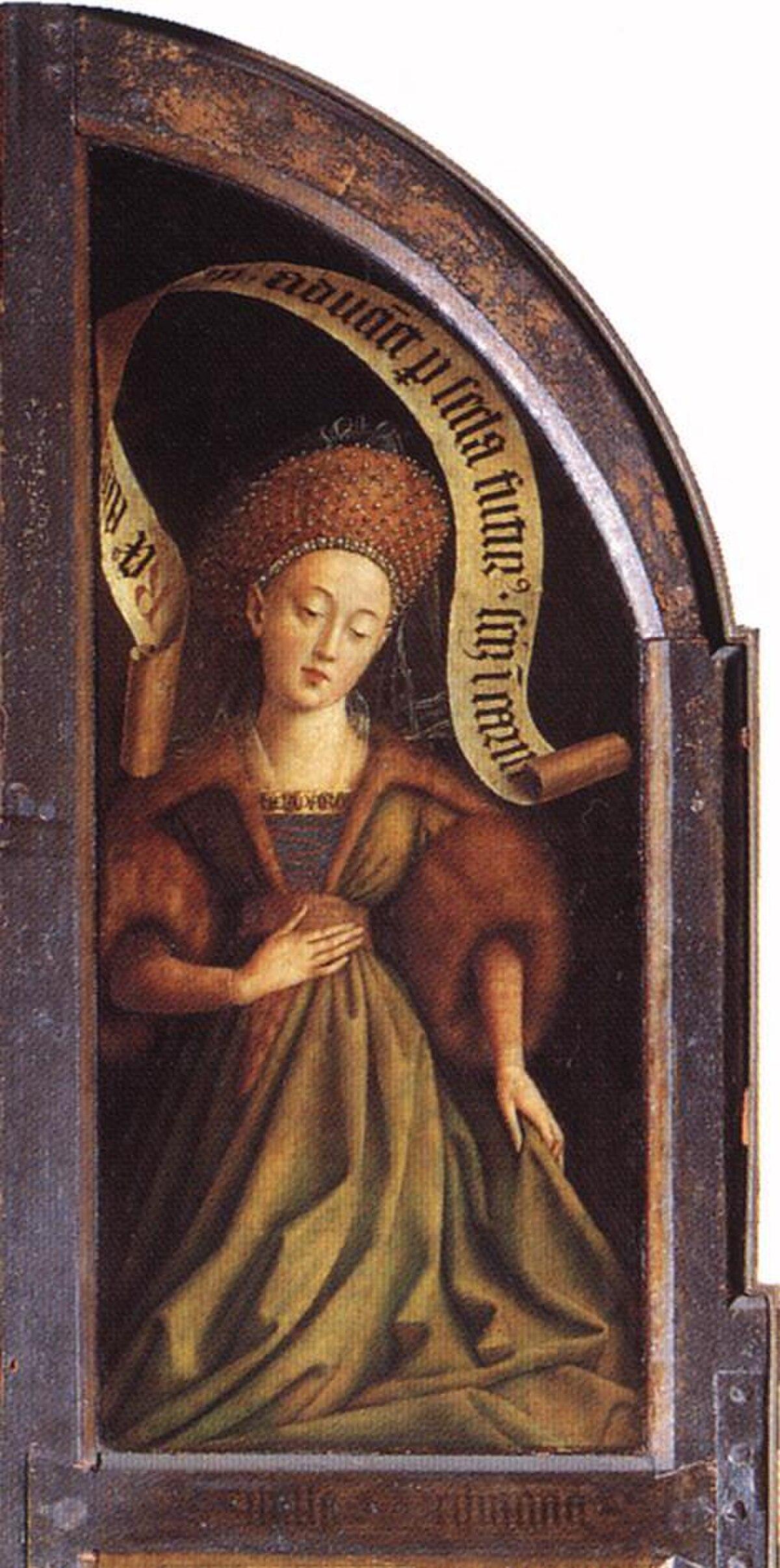
Eve, from the right wing of the Ghent Altarpiece
Jan van Eyck
St. Bavo Cathedral, Ghent, Ghent
S
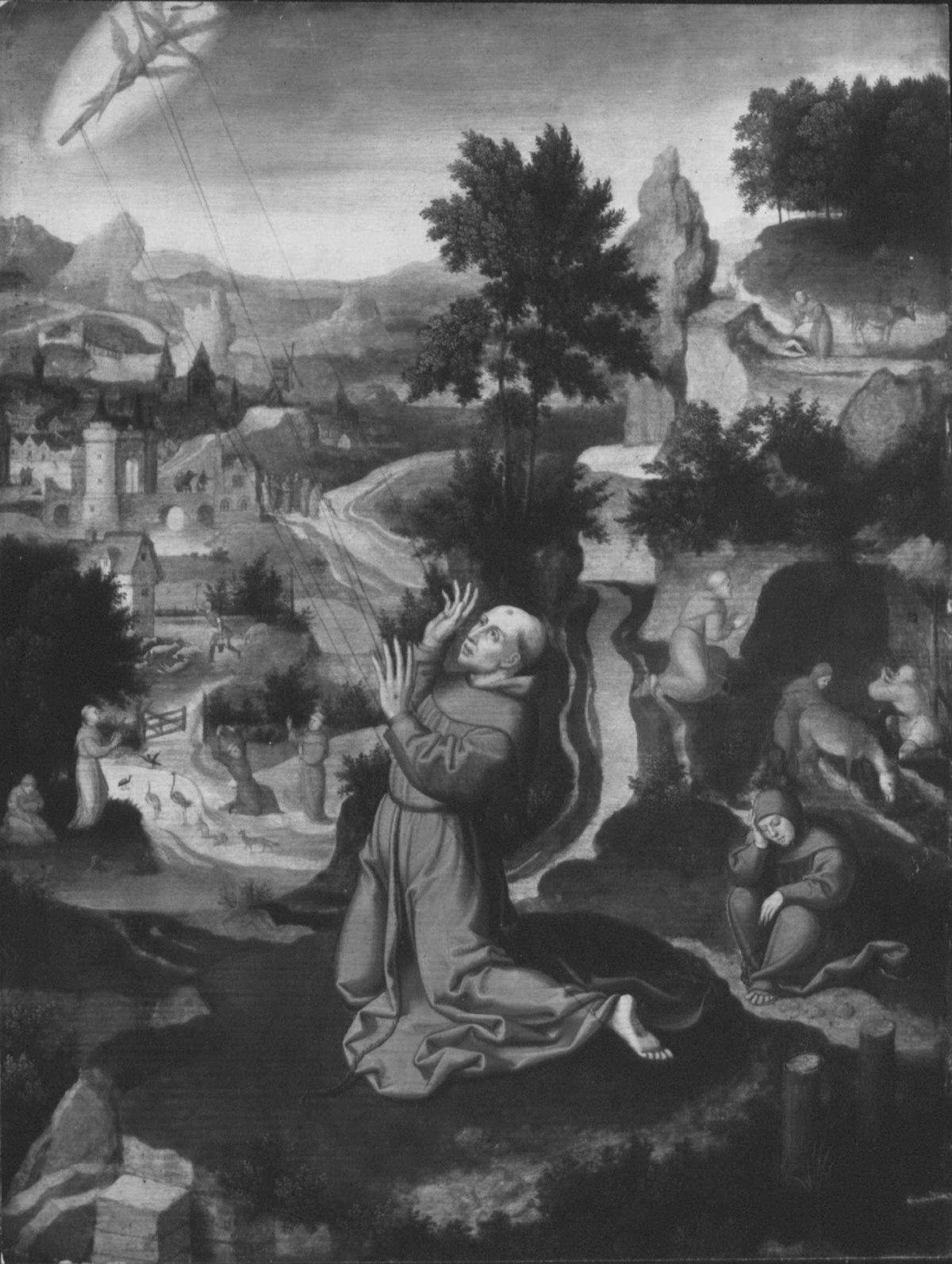
St. Francis Receiving the Stigmata
Jan van Eyck
Sabauda Gallery, Turin, Turin
S
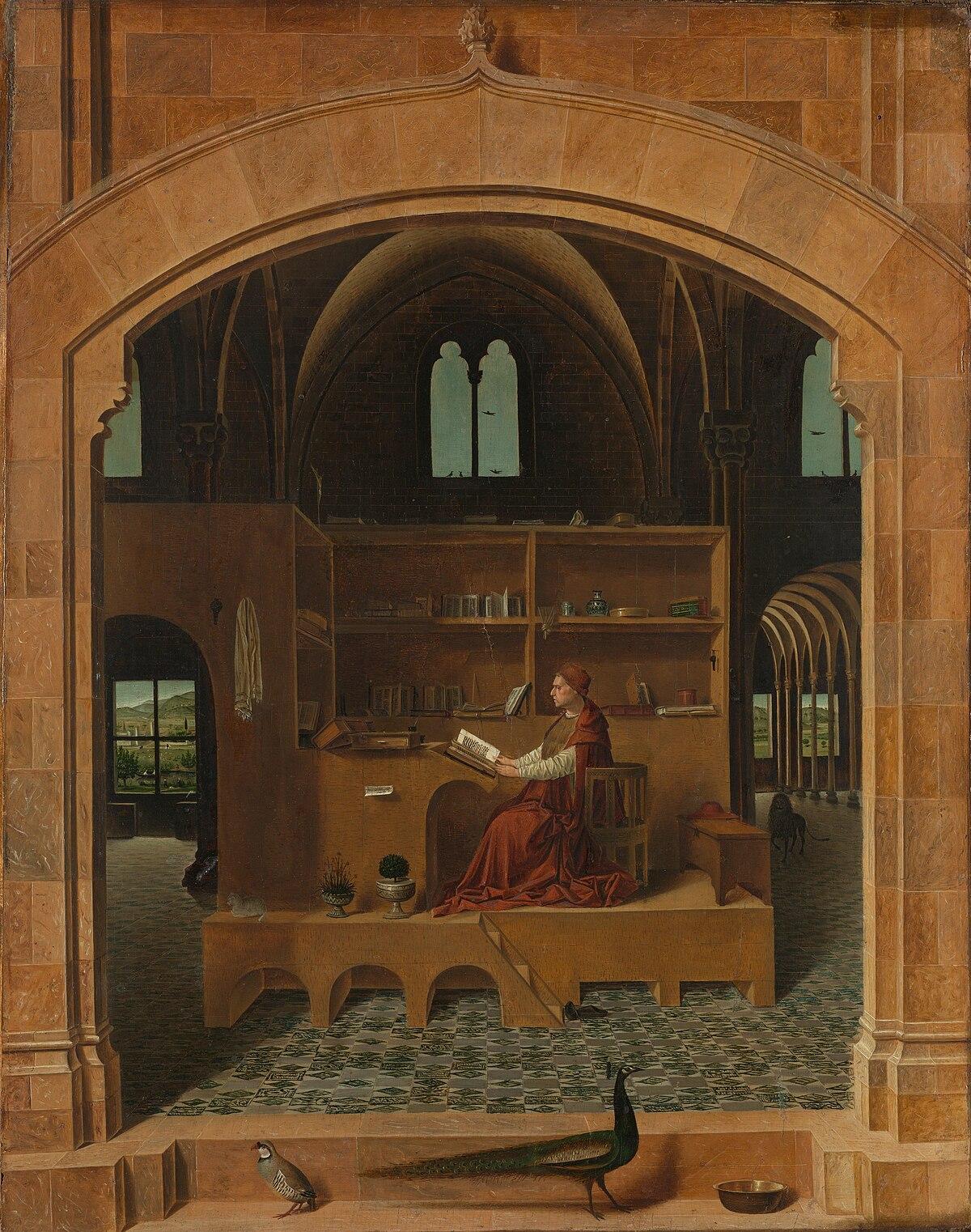
St. Jerome in his Study
Jan van Eyck
Detroit Institute of Arts, Detroit
P
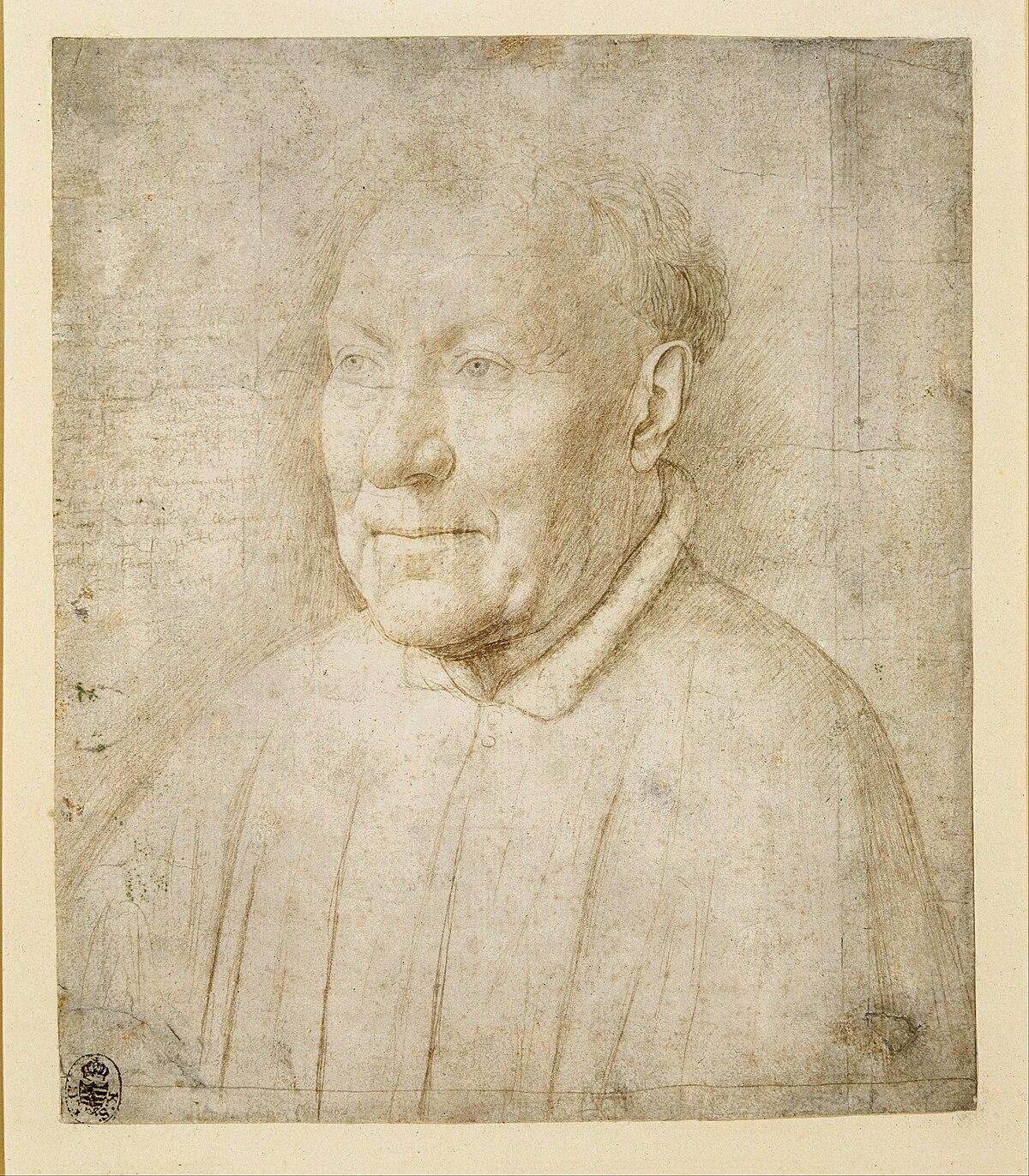
Portrait of Cardinal Albergati
Jan van Eyck
Kunsthistorisches Museum, Vienna
Also at St. Bavo Cathedral, Ghent
View all →E
Eve, from the right wing of the Ghent Altarpiece
Jan van Eyck
St. Bavo Cathedral, Ghent, Ghent
A
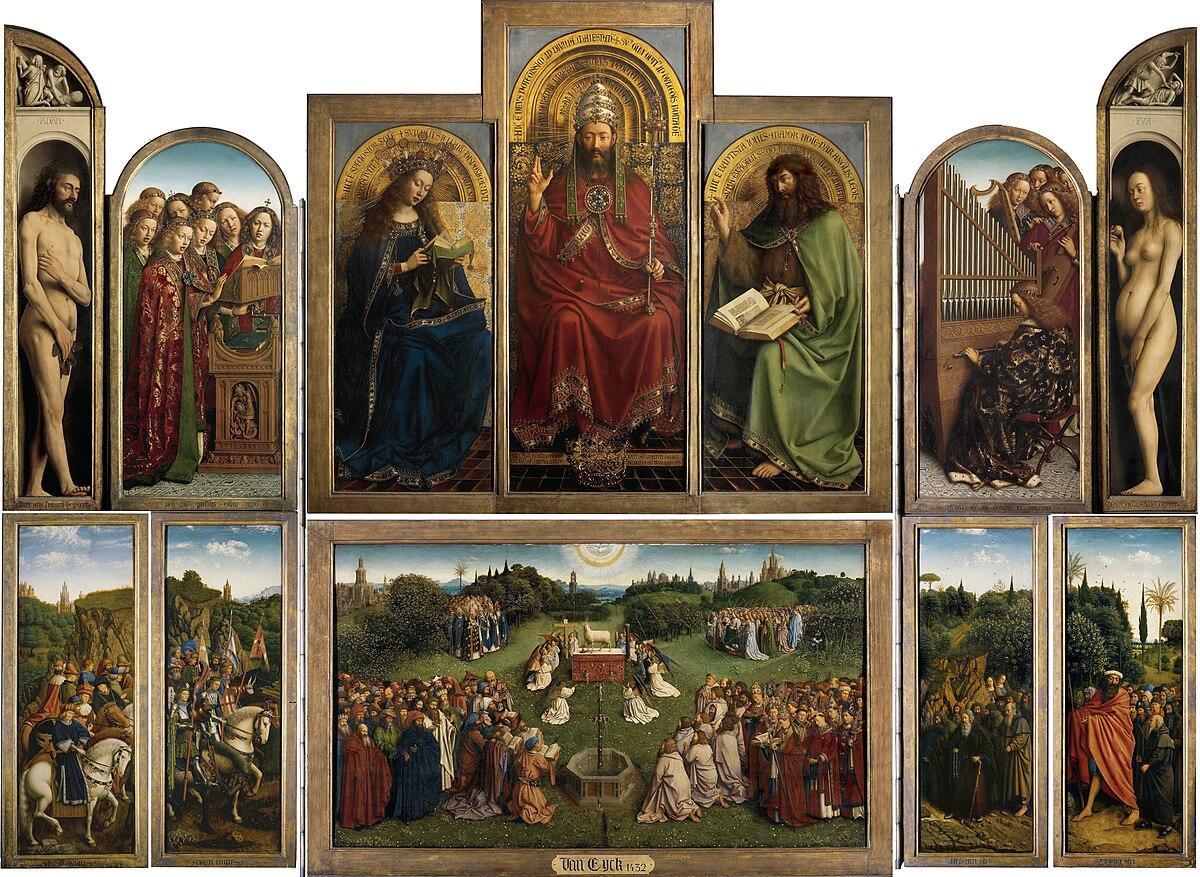
Adam, from the left wing of the Ghent Altarpiece
Jan van Eyck
St. Bavo Cathedral, Ghent, Ghent
I
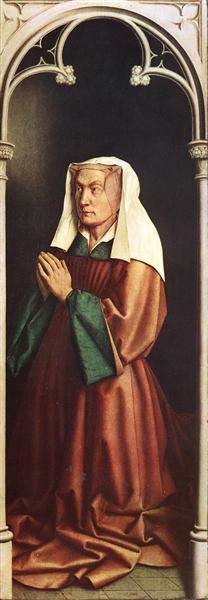
Isabella Borluut, panel from the Ghent Altarpiece
Jan van Eyck
St. Bavo Cathedral, Ghent, Ghent
T
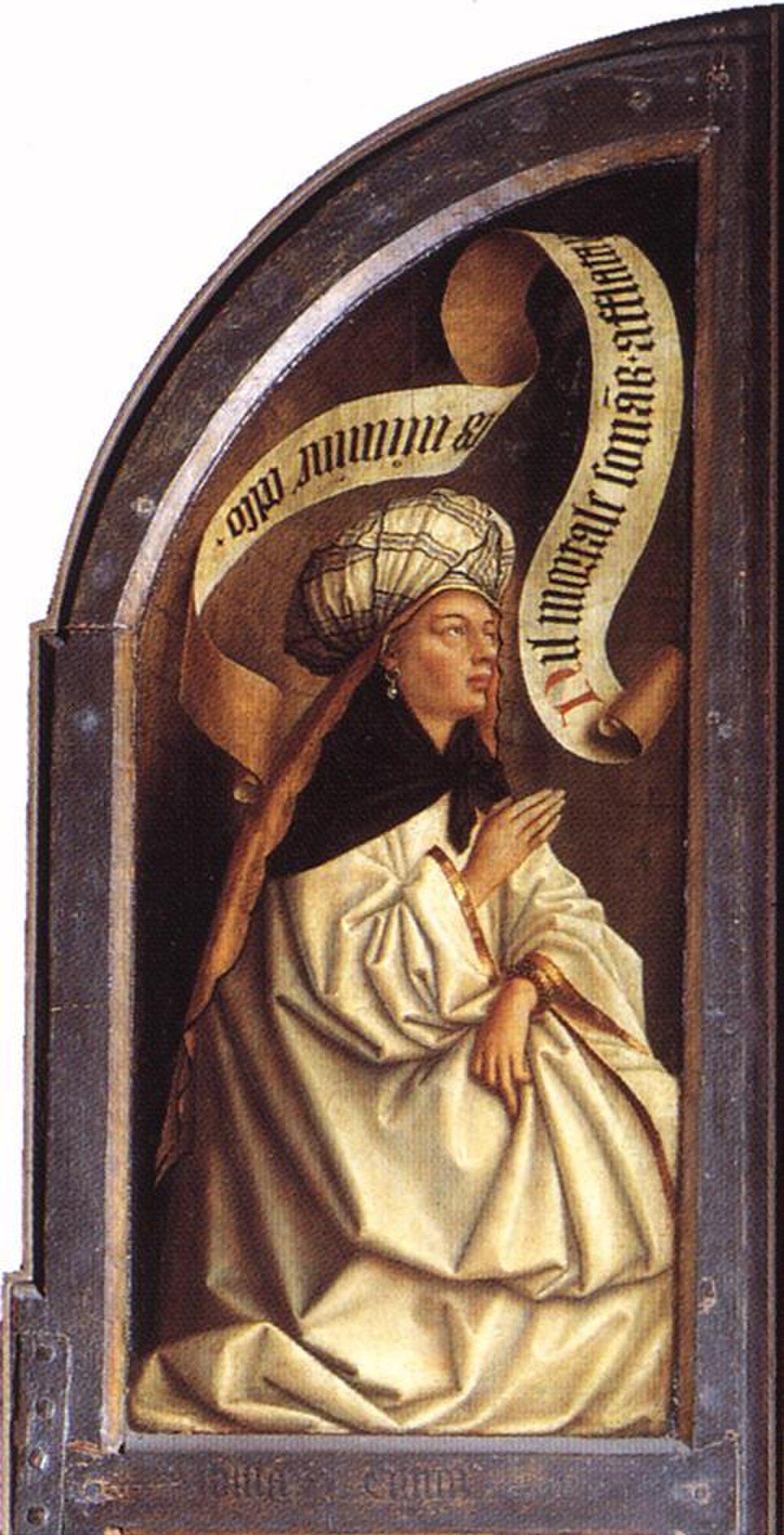
The Erythraean Sibyl
Jan van Eyck
St. Bavo Cathedral, Ghent, Ghent
Related Works
Works that share an artist, movement, museum, genre, palette or theme with The Cumaean Sibyl.

- Same artist
- Same movement
The Offerings of Cain and Abel
Jan van Eyck

- Same artist
- Same movement
The Ghent Altar (detail)
Jan van Eyck
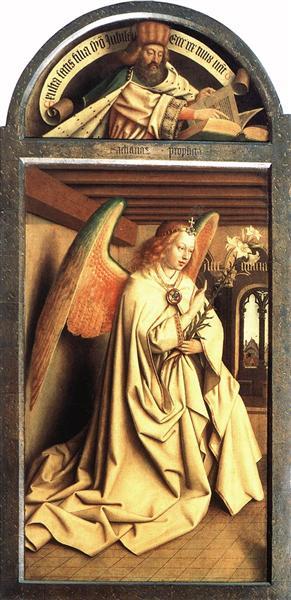
- Same artist
- Same movement
Angel Annunciate, from exterior of left panel of the Ghent Altarpiece
Jan van Eyck
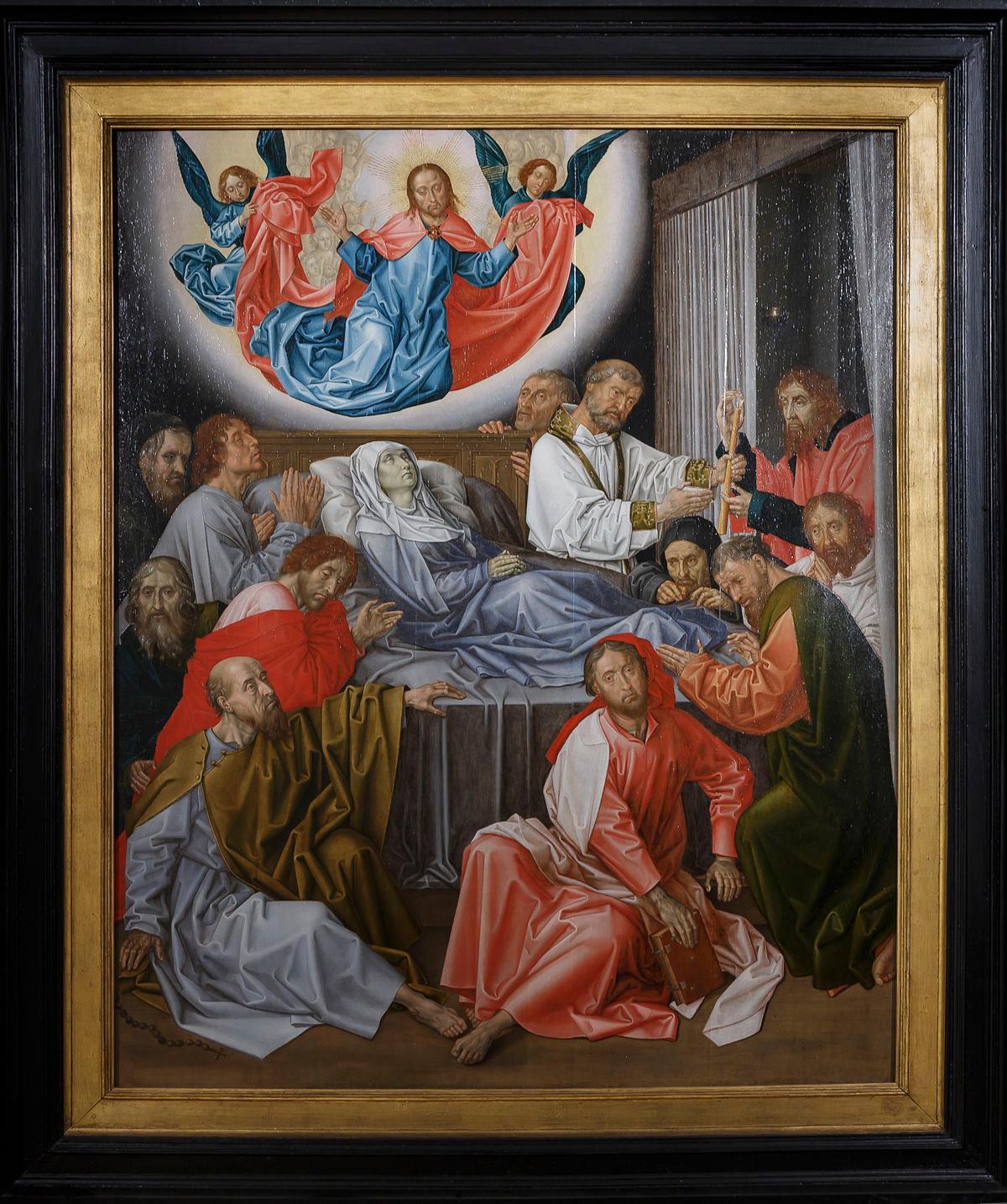
- Same movement
Death of the Virgin
Hugo van der Goes
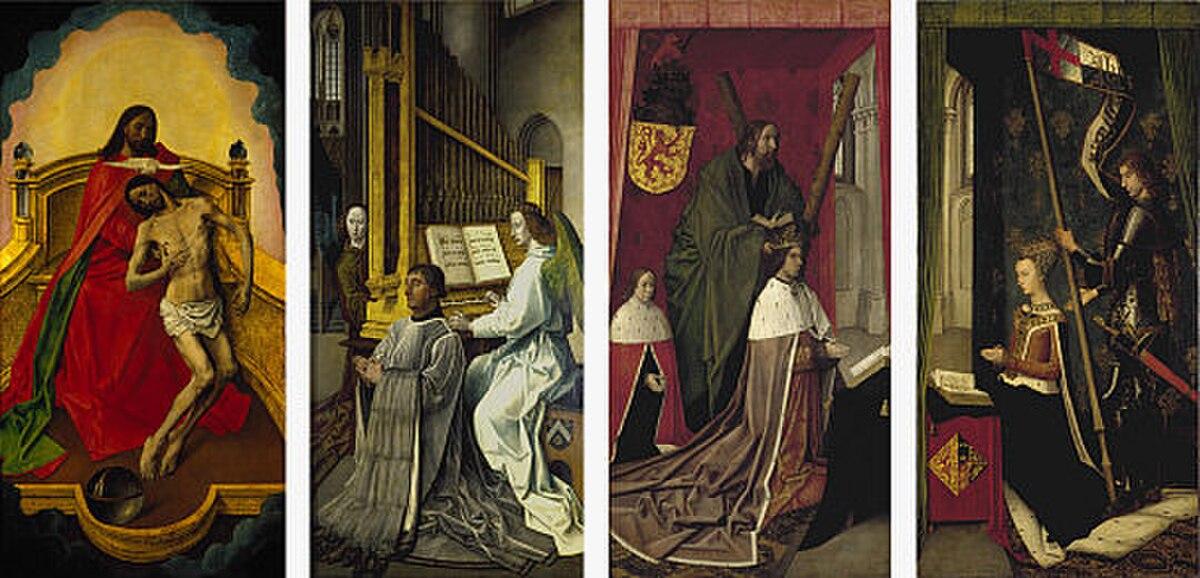
- Same movement
Portinari Altarpiece
Hugo van der Goes, 1475

- Same movement
Portinari Triptych (detail)
Hugo van der Goes
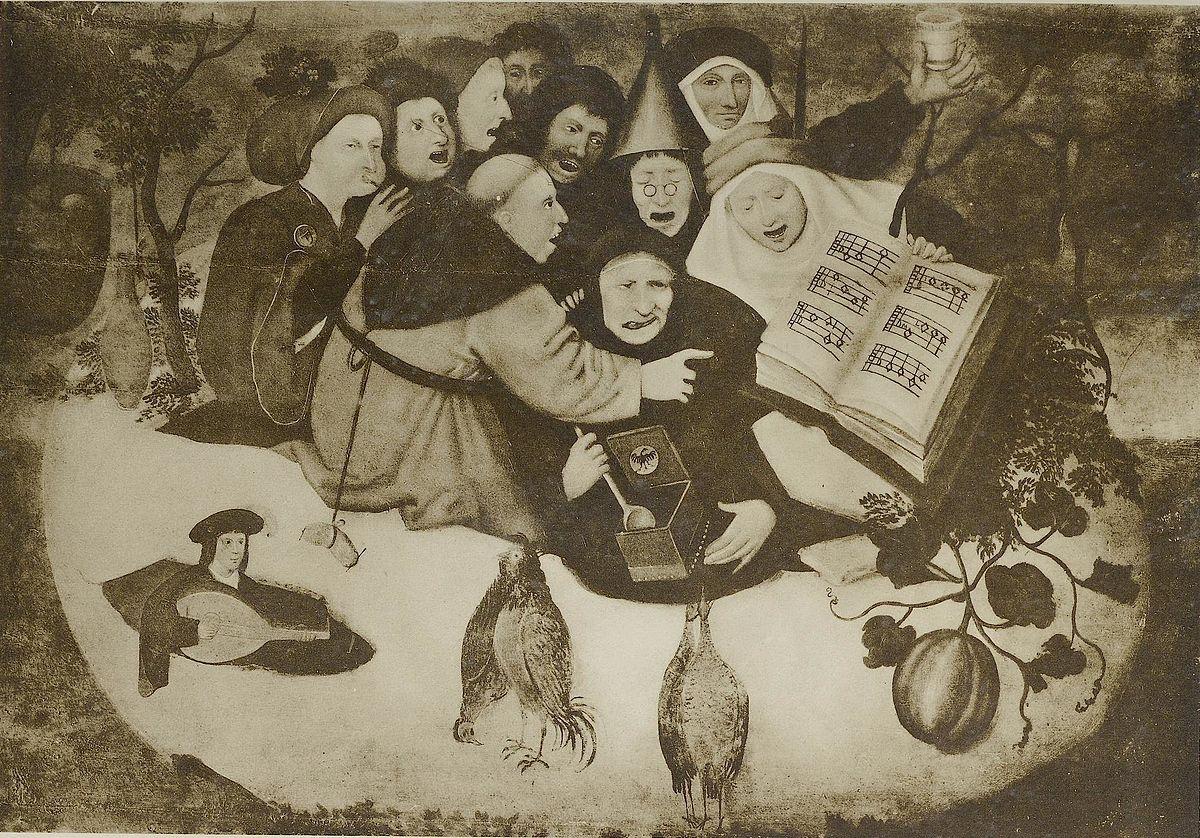
- Same movement
The Concert in the Egg
Hieronymus Bosch
- Same movement
Christ Carrying the Cross
Hieronymus Bosch
- Same movement
The Garden of Earthly Delights
Hieronymus Bosch, 1510
- Same movement
Self-Portrait at 28
Albrecht Dürer, 1500
- Same movement
Adam and Eve
Albrecht Dürer, 1507
- Same movement
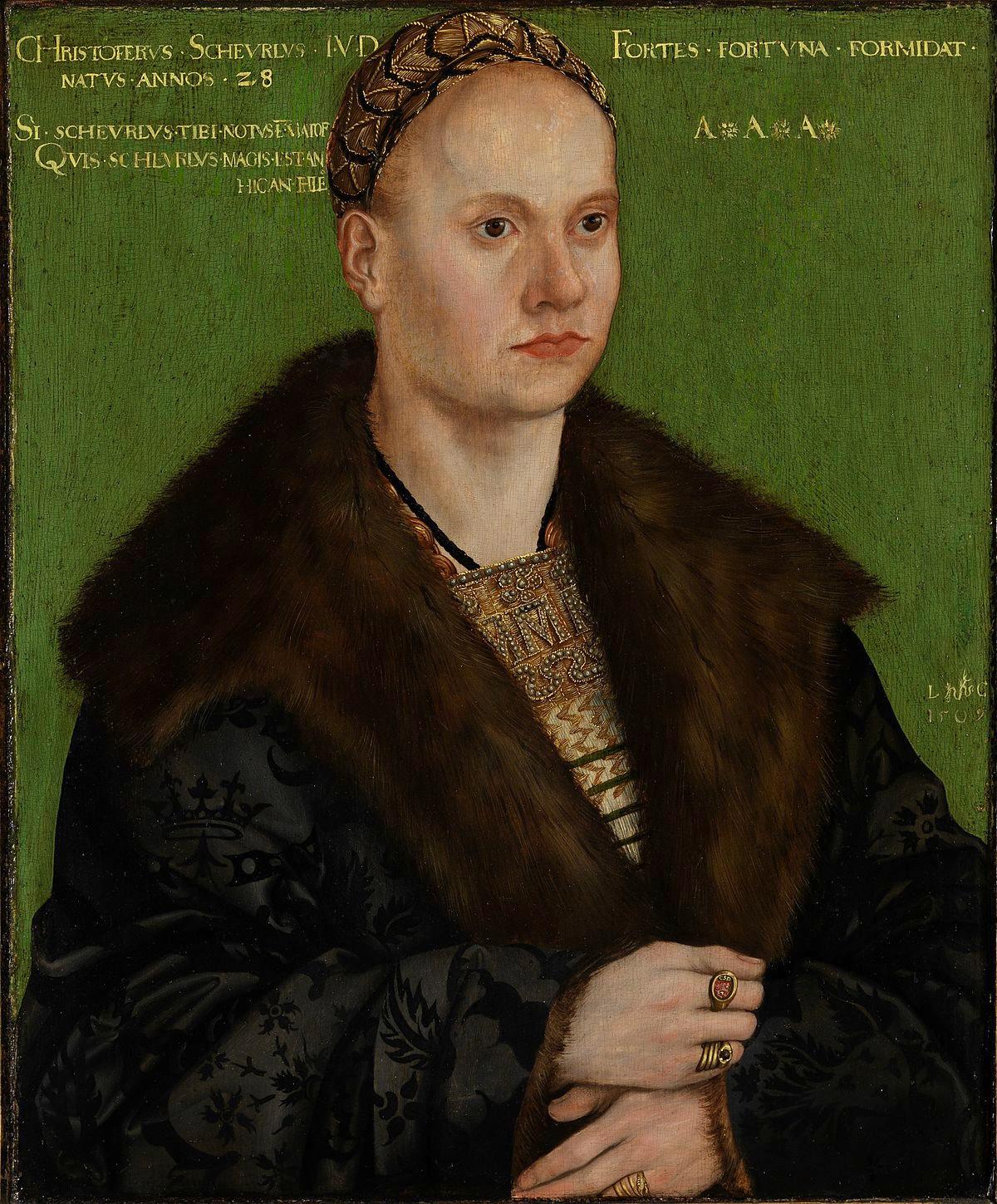
Christoph von Scheurl
Lucas Cranach the Elder
About The Cumaean Sibyl
This panel remains at St. Bavo's Cathedral in Ghent as part of the Ghent Altarpiece. Jan van Eyck painted the Cumaean Sibyl as part of the Ghent Altarpiece's upper register.
She was an ancient prophetess whom Christians believed foretold Christ's coming, making her appropriate for a church altarpiece You can see it at St. Bavo Cathedral, Ghent.
Van Eyck used grisaille (gray tones) to simulate stone sculpture, creating a trompe l'oeil effect It's held at St. Bavo Cathedral, Ghent.
Own Art Like This
Luxury wall art with the same mood and energy. Gallery-quality canvas, no museum crowds.
Browse Collection