Wikimedia Commons • Public Domain
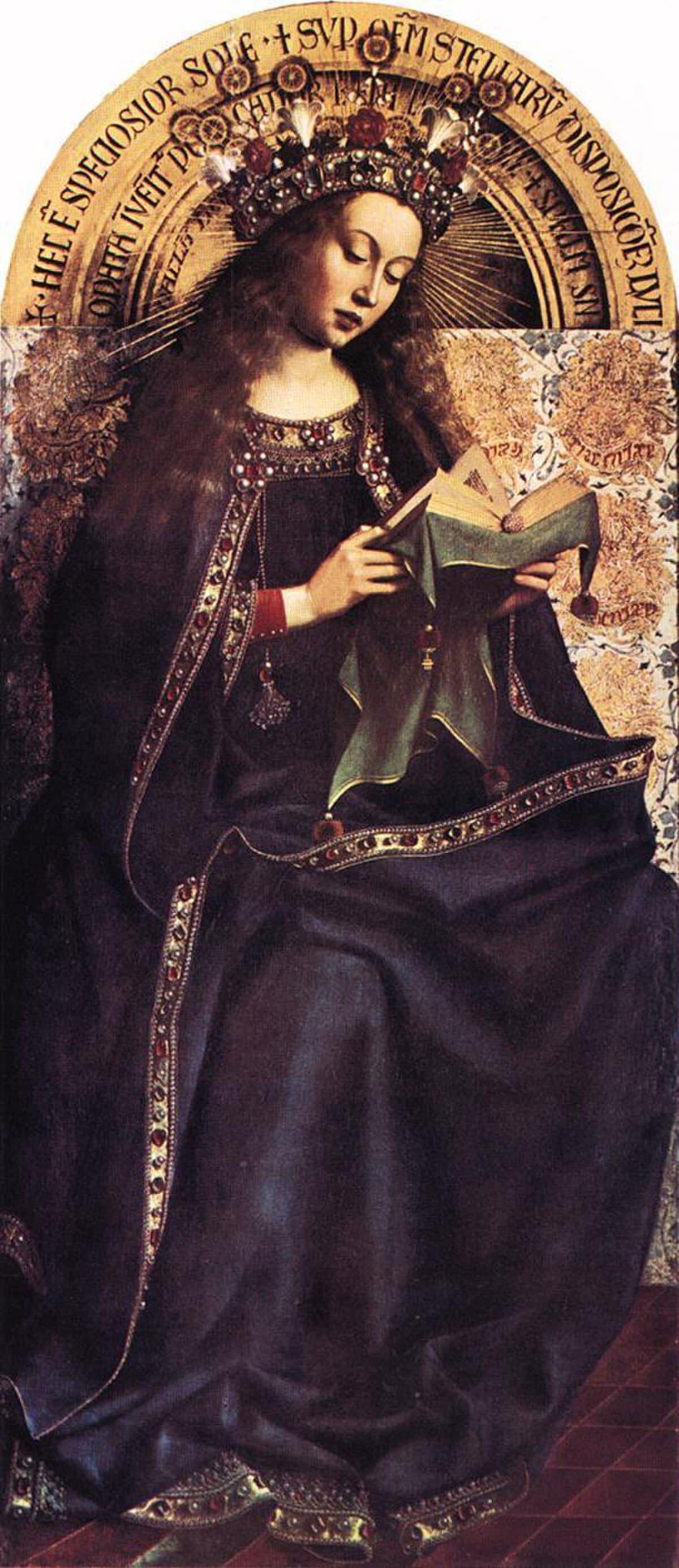
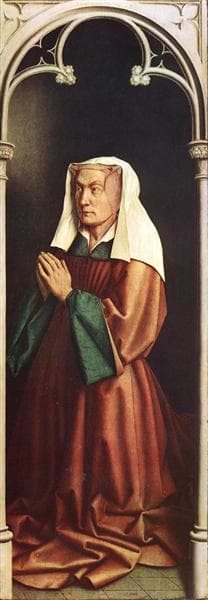
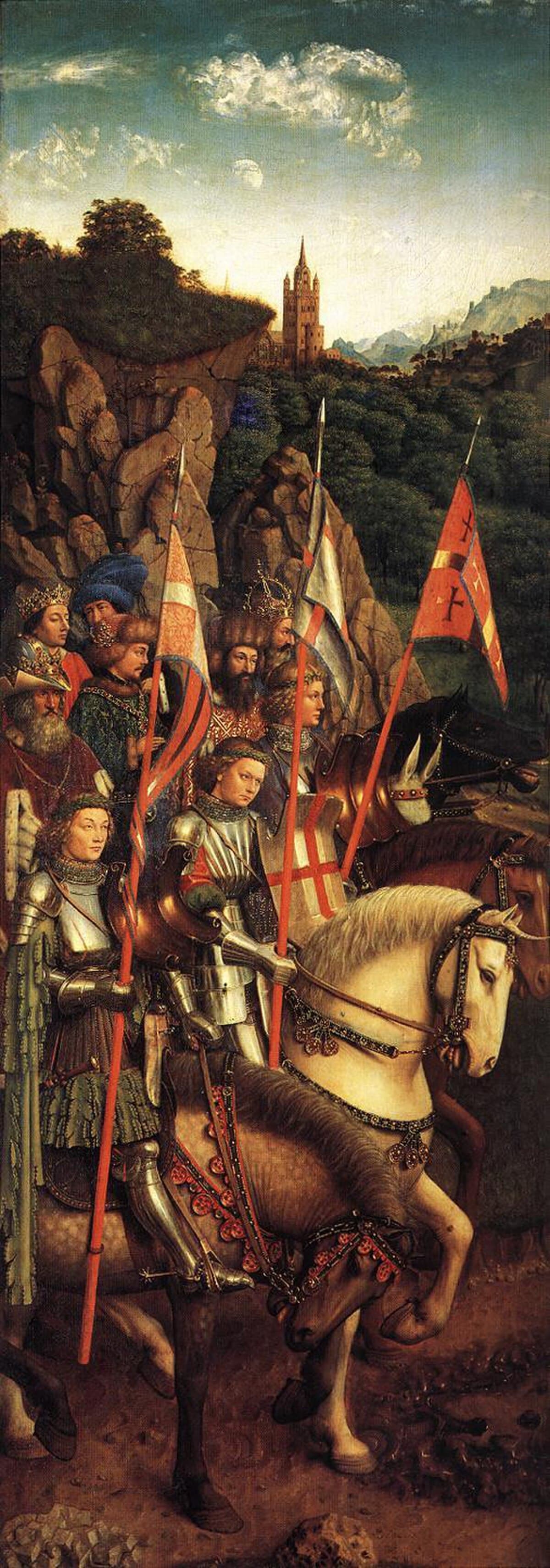
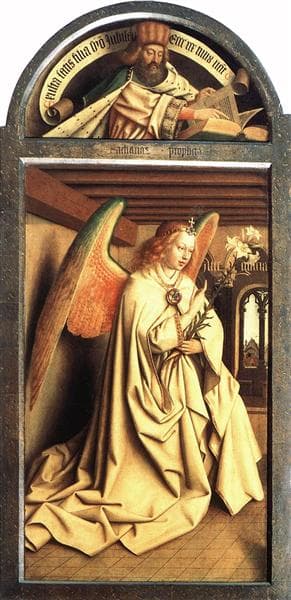
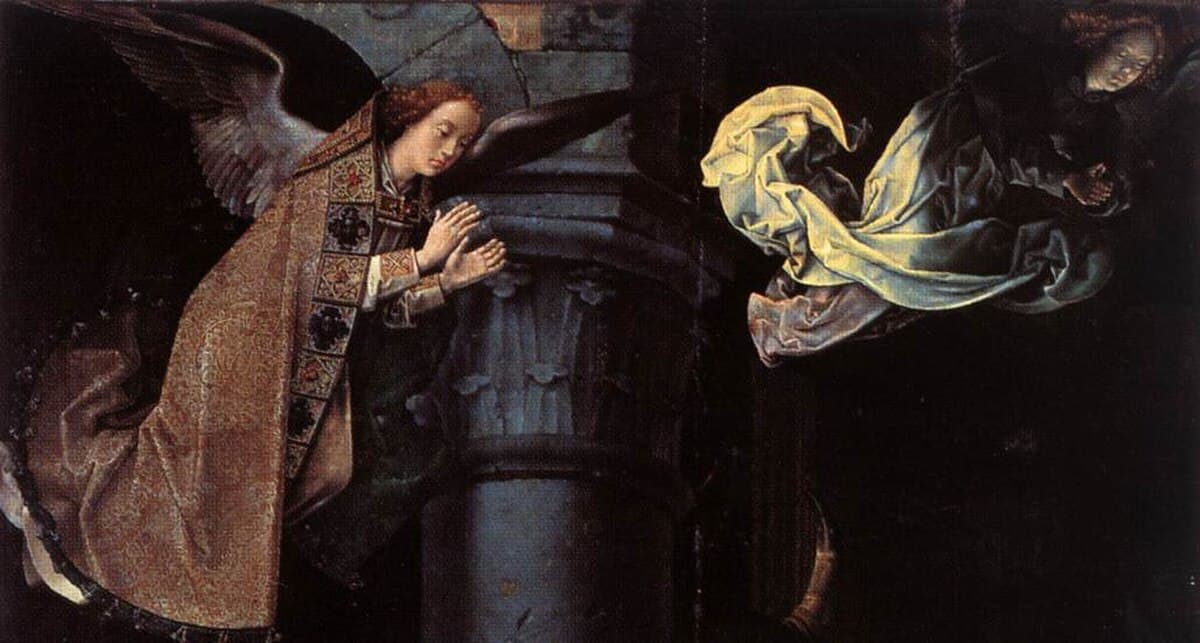
The Ghent Altar (detail)
by Jan van Eyck
StyleNorthern Renaissance
Artwork Details
Cite or Embed This Work
APA · MLA · Chicago1-click academic citation and embeddable “On View” museum badge for articles, syllabi, and research.
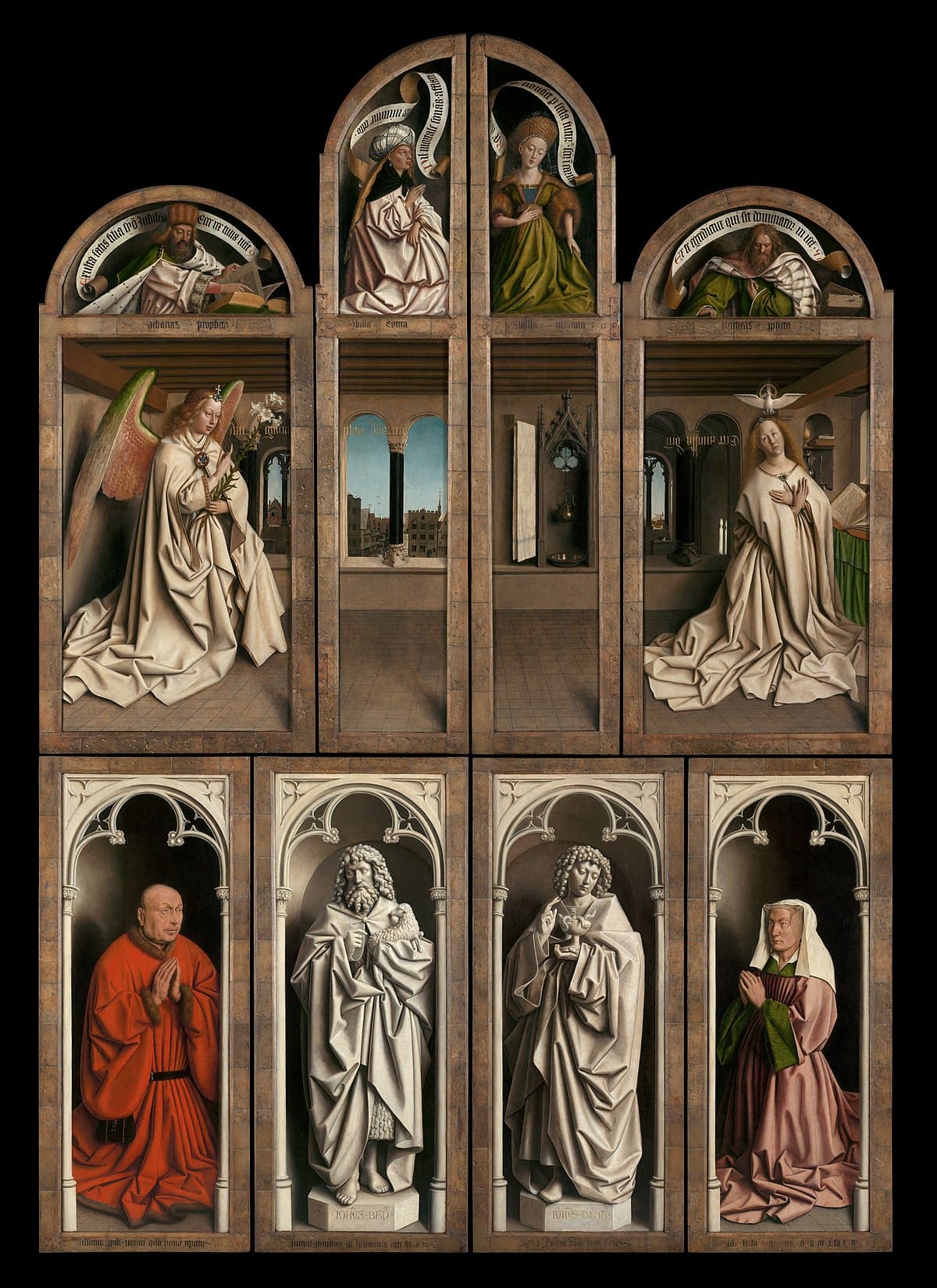
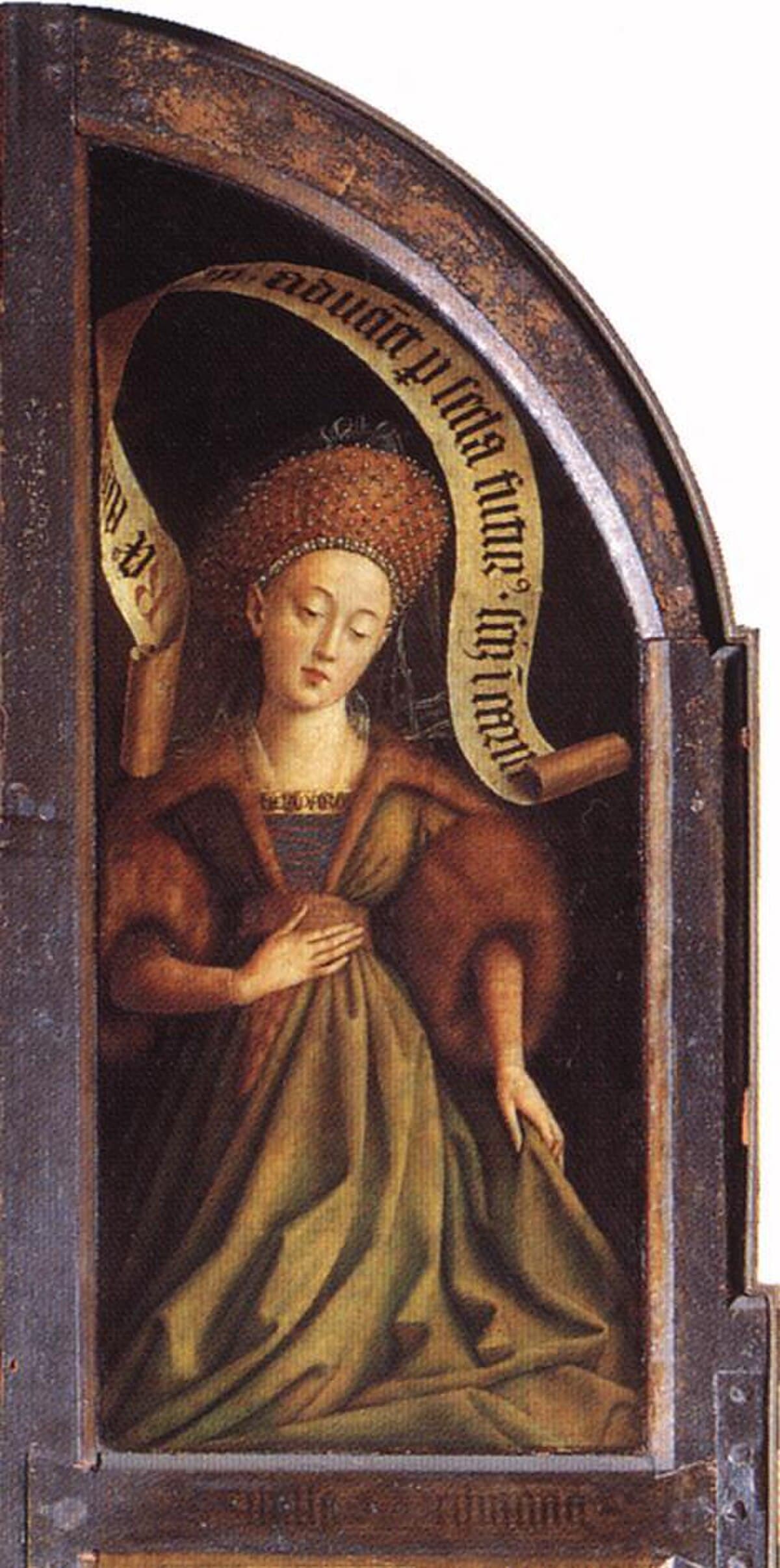
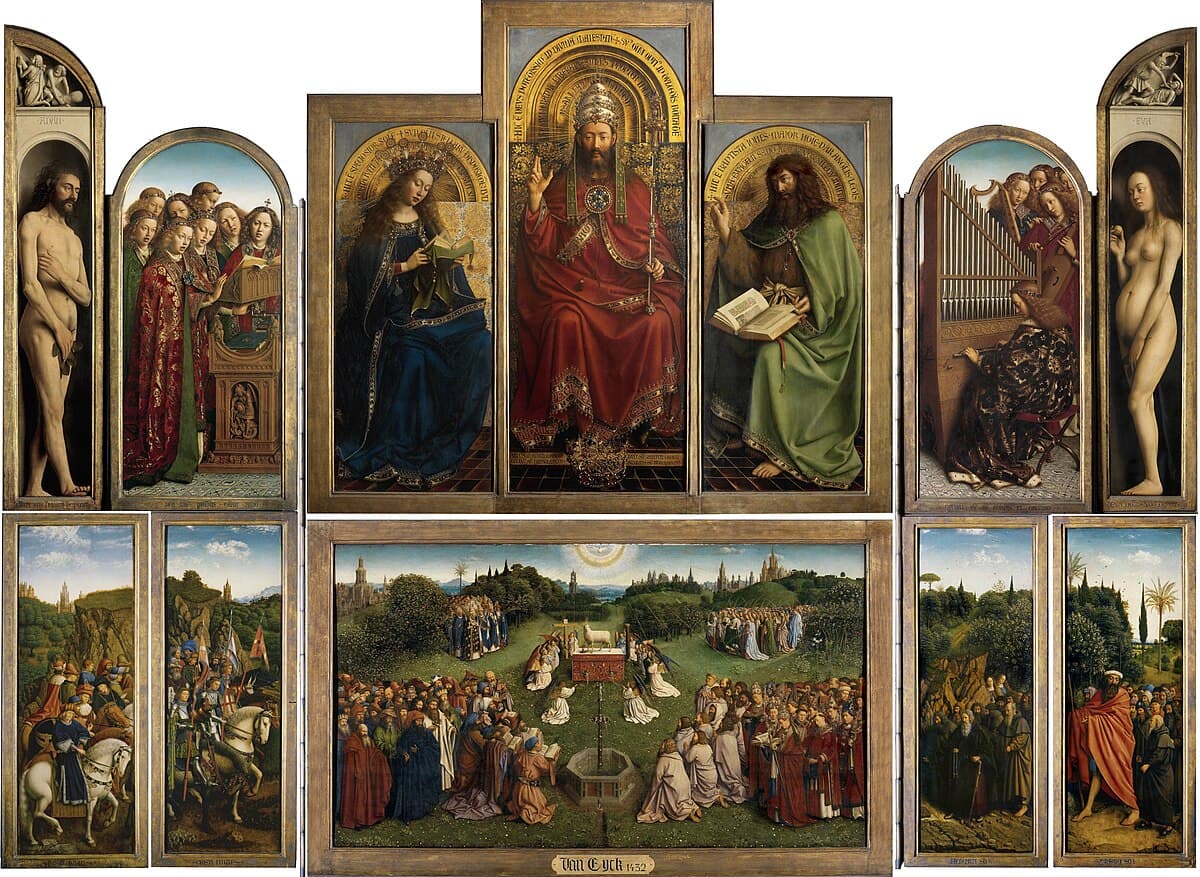
Jan van Eyck completed the Ghent Altarpiece in 1432, creating the most influential painting of the Northern Renaissance. This detail reveals his radical technique, with microscopic precision capturing textures of fabric, jewels, and skin.
The altarpiece has survived wars, theft, and dismemberment. Napoleon seized it; the Nazis hid it in a salt mine. Its luminous oil surfaces and complex iconography continue to reveal new details under modern analysis. The complete work remains at St. Bavo's Cathedral in Ghent after recent restoration.