
Wikimedia Commons • Public Domain
The Astronomer
by Johannes Vermeer, 1668
Artwork Details
Details
- Year
- 1668
- Medium
- oil on canvas
Cite or Embed This Work
APA · MLA · Chicago1-click academic citation and embeddable “On View” museum badge for articles, syllabi, and research.
Johannes Vermeer painted this scholar reaching toward a celestial globe in 1668, one of only two paintings depicting scientific pursuits among his surviving works. The astronomer studies the heavens in his cluttered study, surrounded by books, astronomical charts, and scientific instruments. Light from a leaded window illuminates his concentrated expression and the detailed details of the terrestrial globe before him.
The model was likely the scientist Anton van Leeuwenhoek, Vermeer's contemporary in Delft who would later become executor of the painter's estate after his death. The painting celebrates the Dutch Golden Age fascination with scientific discovery and global exploration. A painting of Moses hangs on the back wall, perhaps linking human knowledge to divine revelation and guidance. It hangs at the Louvre in Paris, acquired by Louis XVI before the Revolution.
More by Johannes Vermeer
View all →S
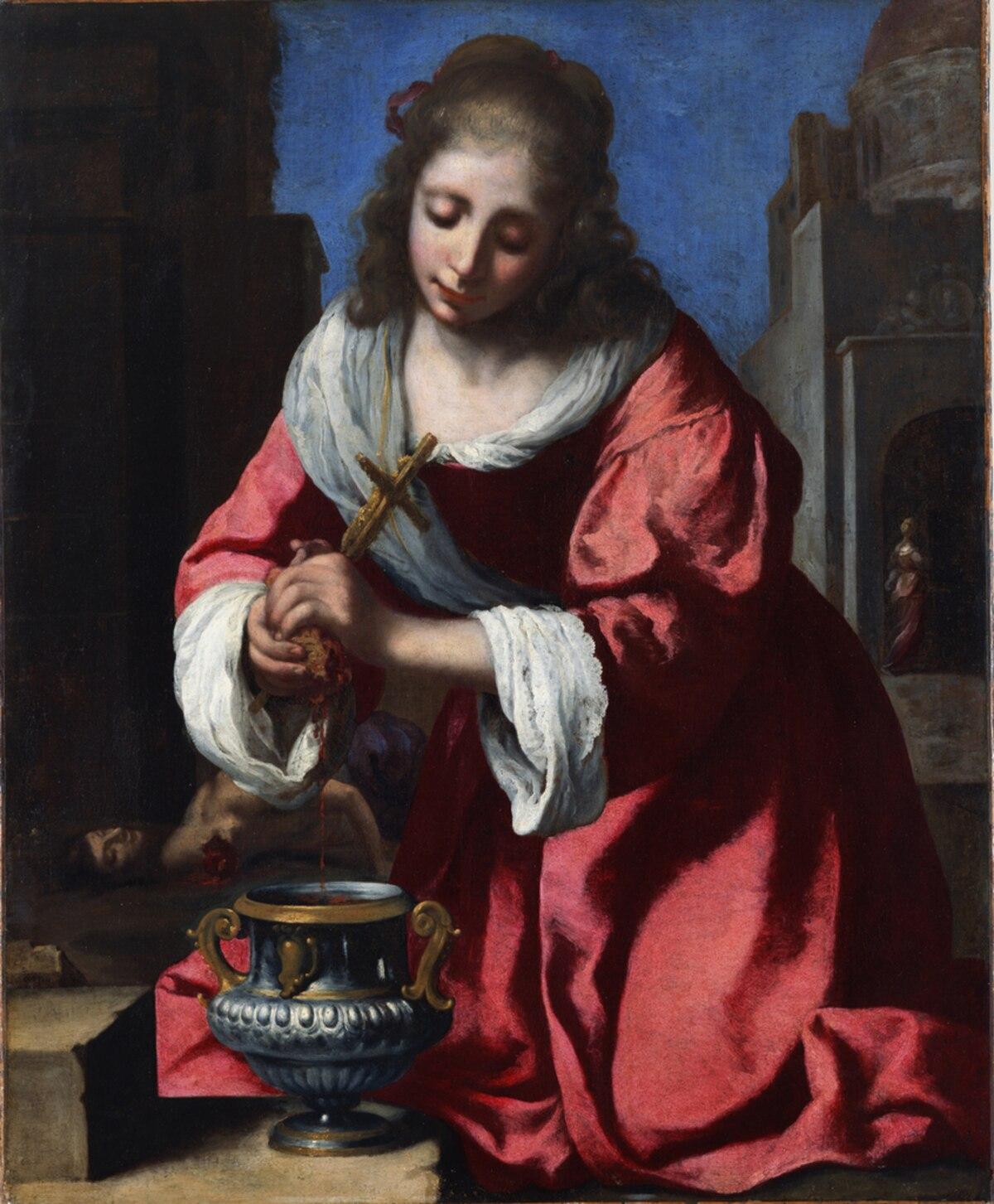
Saint Praxedis
Johannes Vermeer, 1655
National Museum of Western Art, Tokyo
Y
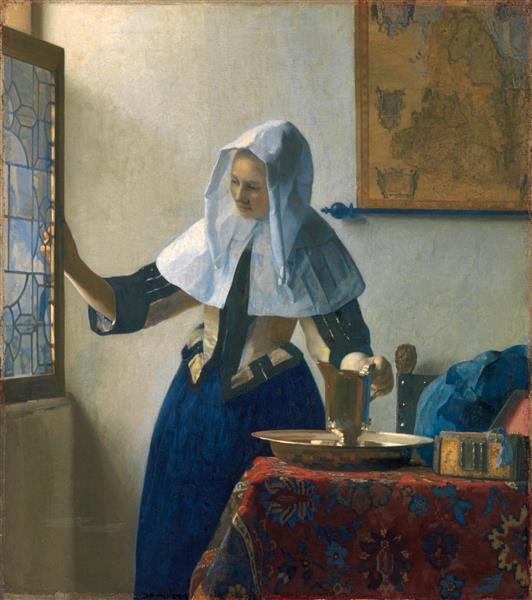
Young Woman with a Water Pitcher
Johannes Vermeer, 1664
The Metropolitan Museum of Art, New York
A
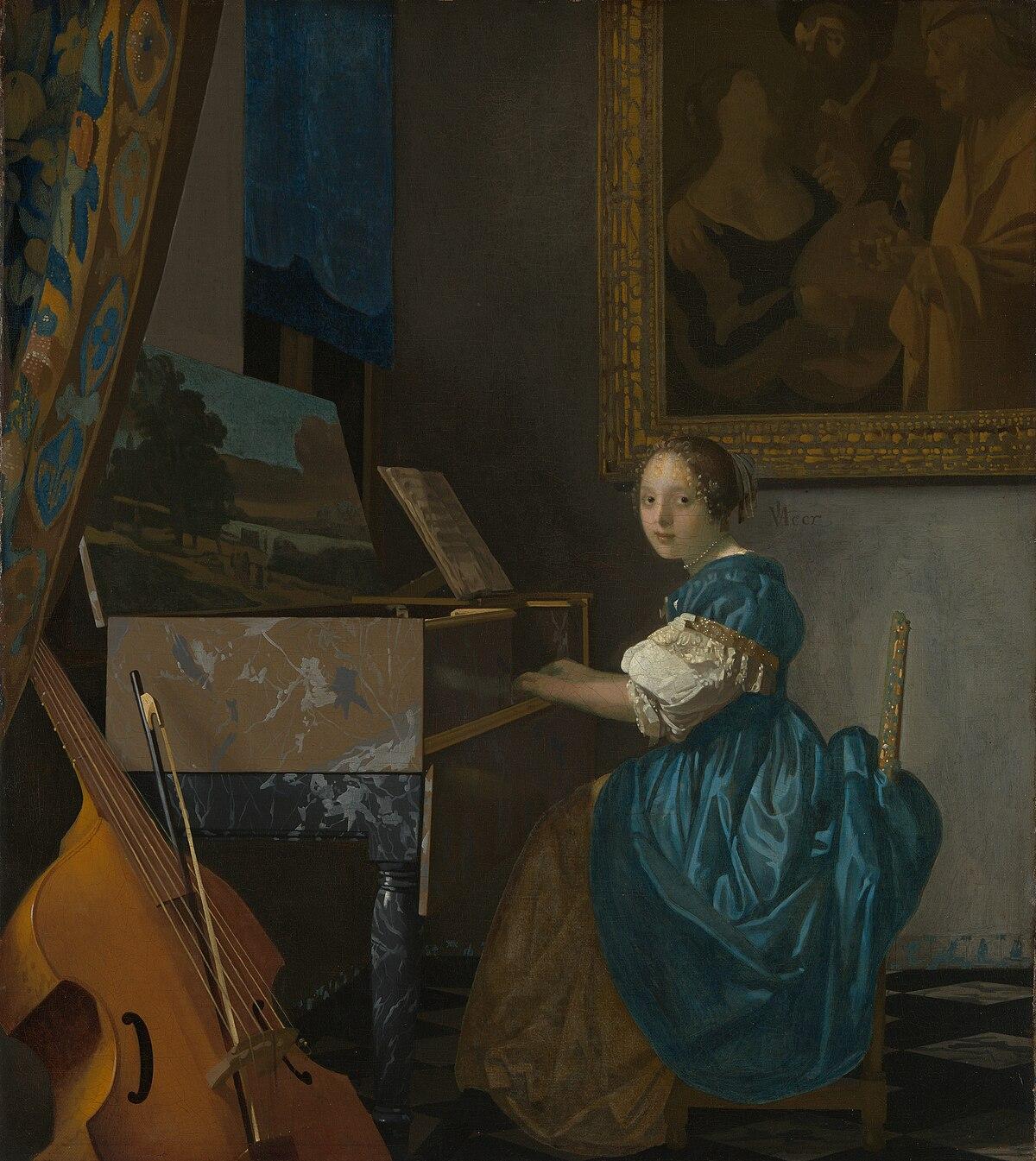
A Young Woman Seated at a Virginal
Johannes Vermeer
National Gallery, London
A
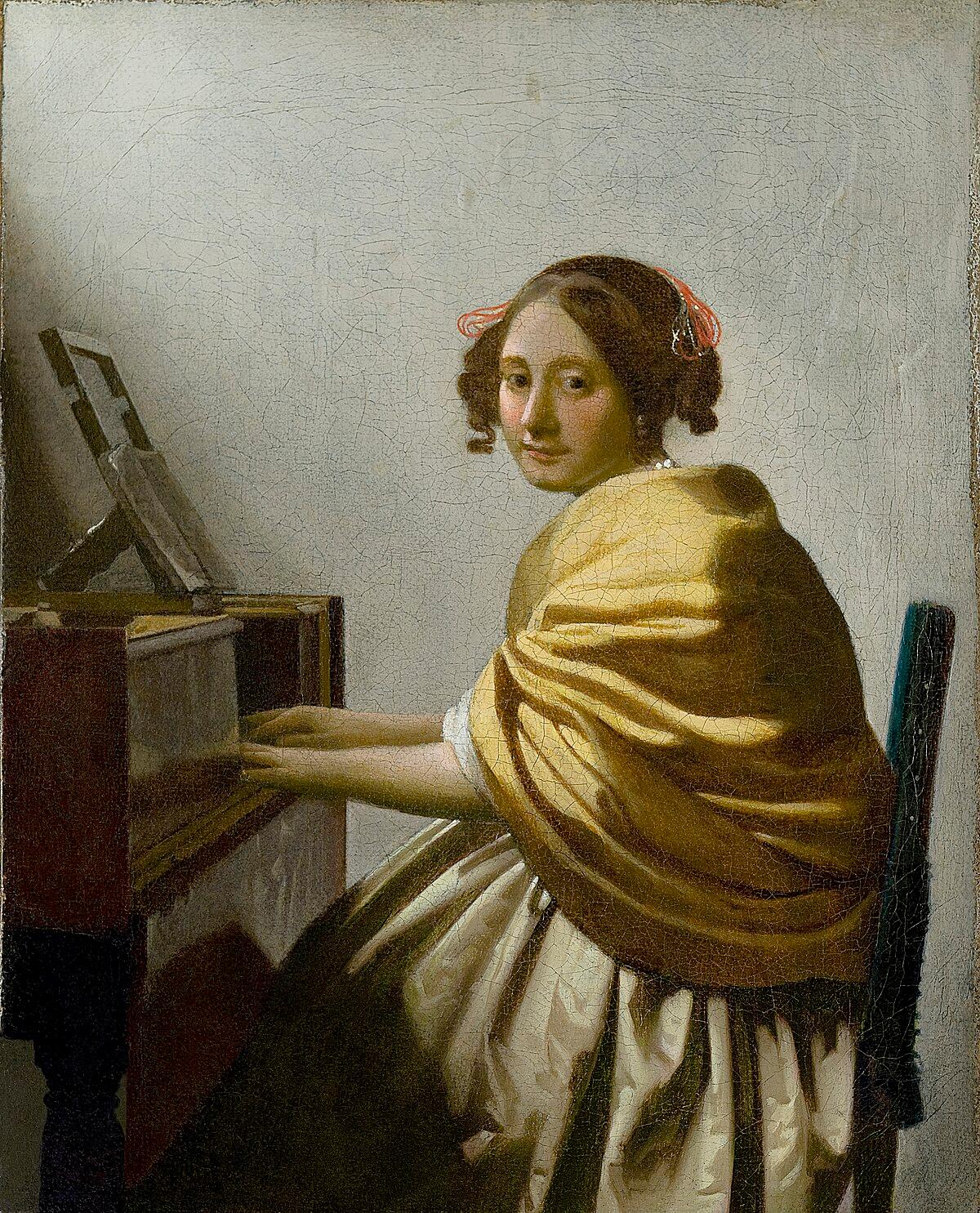
A Young Woman Seated at the Virginals
Johannes Vermeer
Leiden Collection, Leiden
Also at Louvre, Paris
View all →Sculpture
A
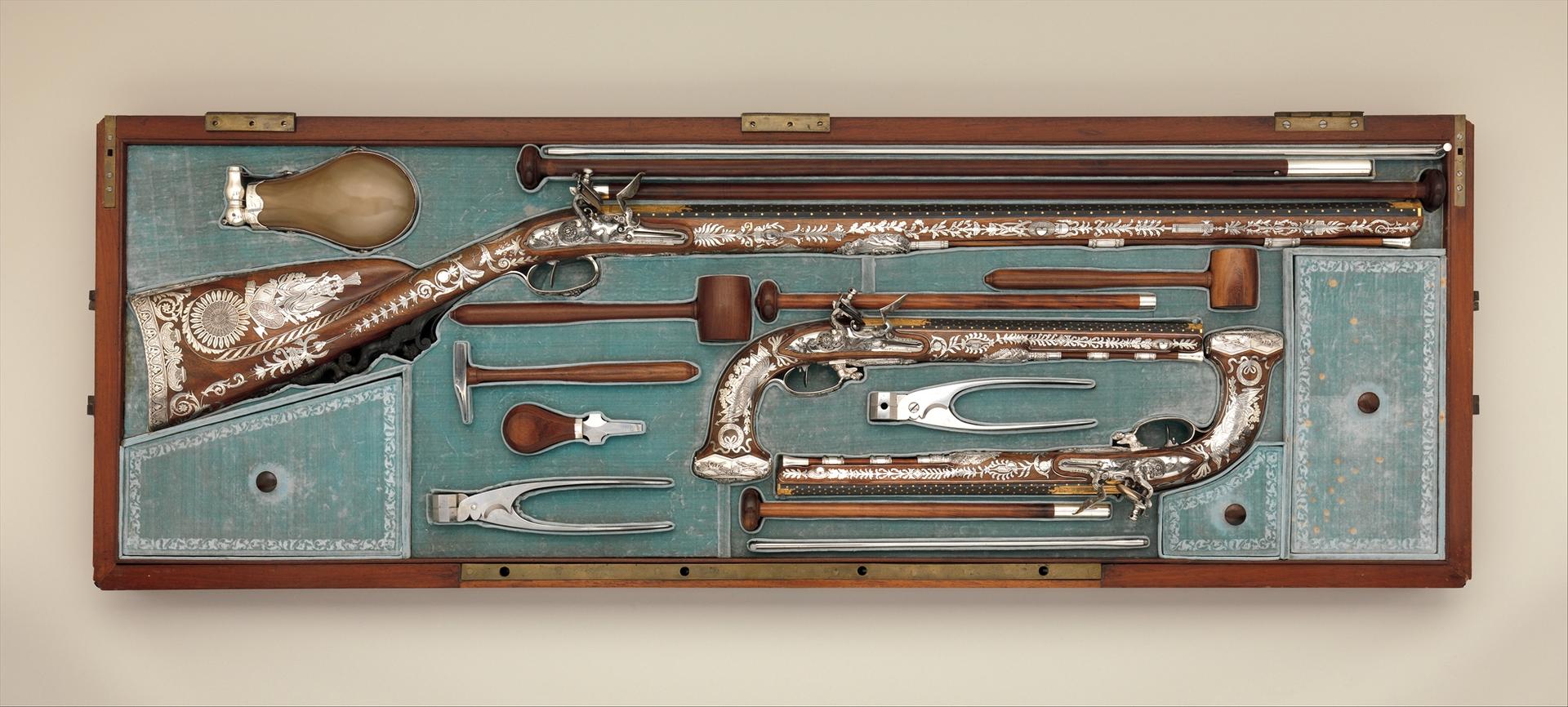
Artemis of Versailles
Ancient Roman (Unknown), -100
Louvre, Paris, Paris
T
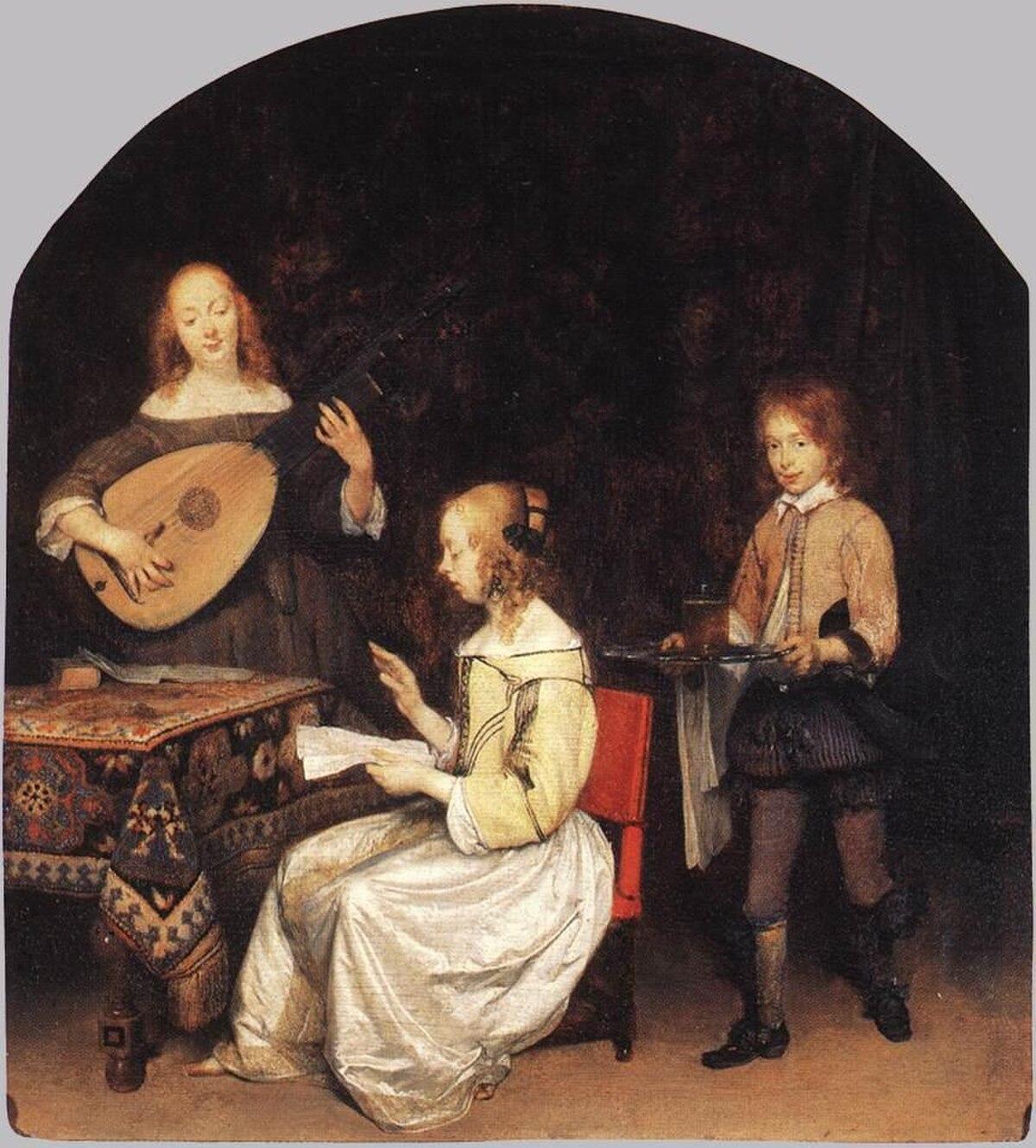
The Concert: Singer and Theorbo Player
Gerard ter Borch
Louvre, Paris, Paris
T
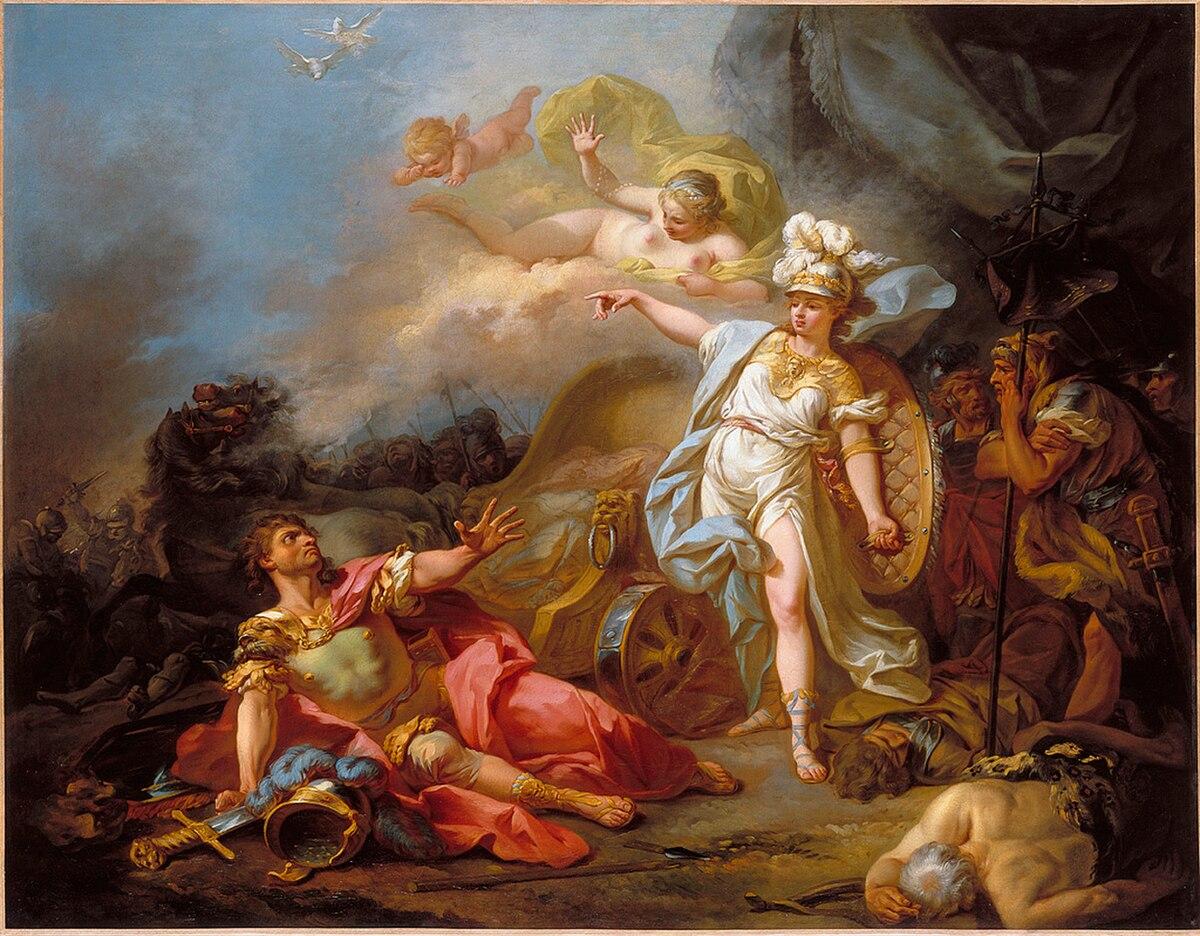
The Combat of Mars and Minerva
Jacques-Louis David
Louvre, Paris, Paris
M
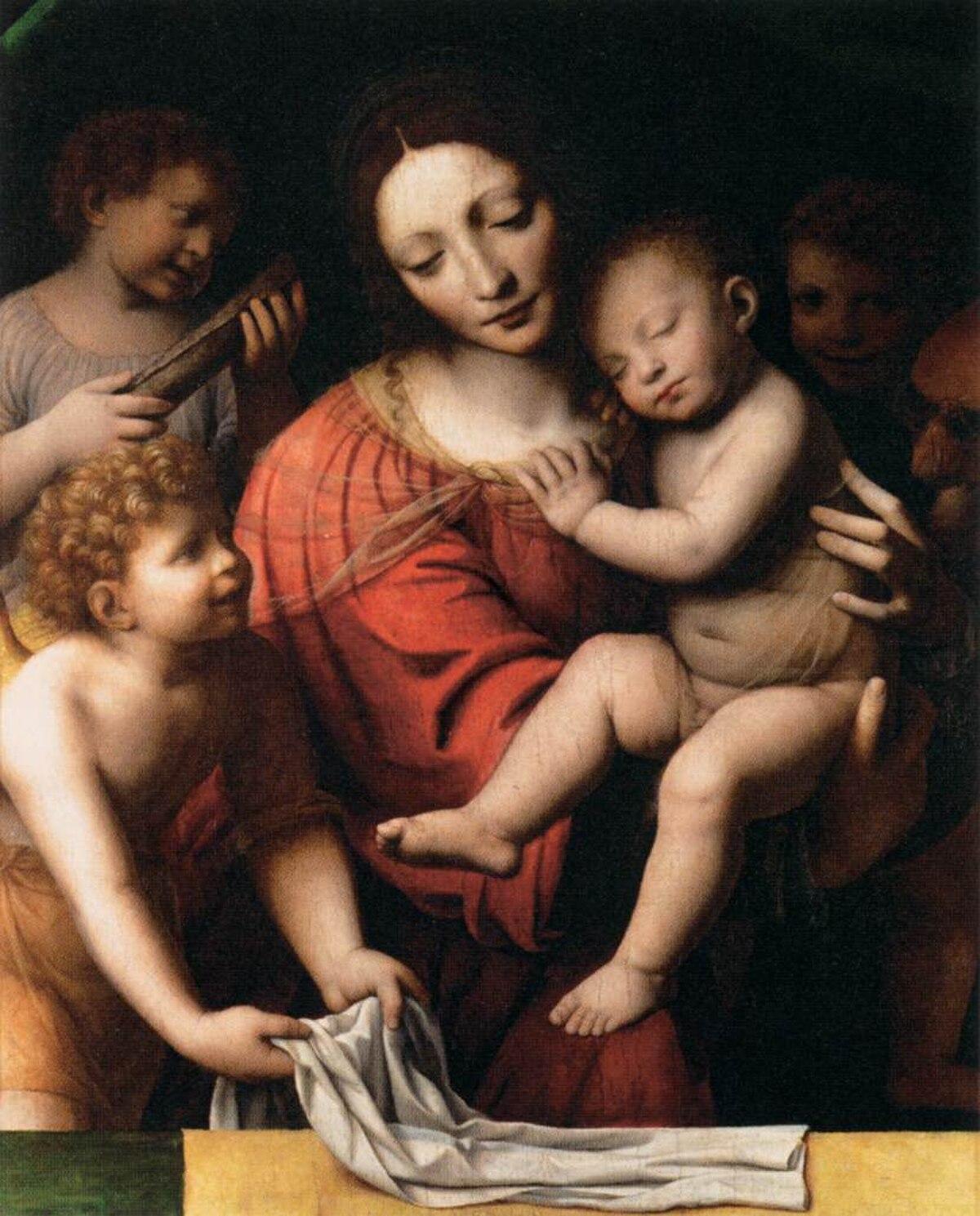
Madonna and Sleeping Child with Three Angels
Bernardino Luini
Louvre, Paris, Paris
Related Works
Works that share an artist, movement, museum, genre, palette or theme with The Astronomer.
- Same artist
- Same movement
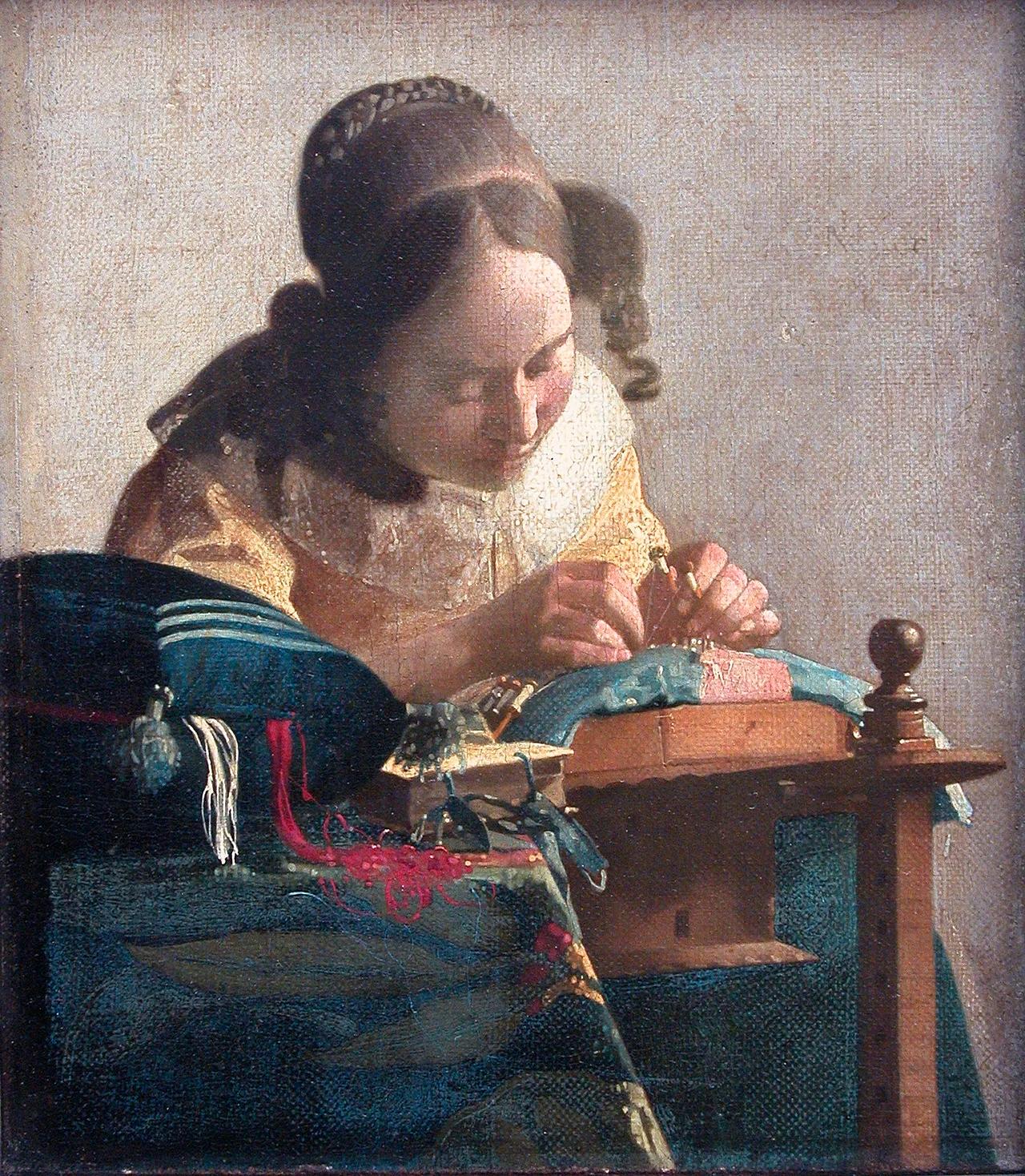
The Lacemaker
Johannes Vermeer, 1670
- Same artist
- Same movement
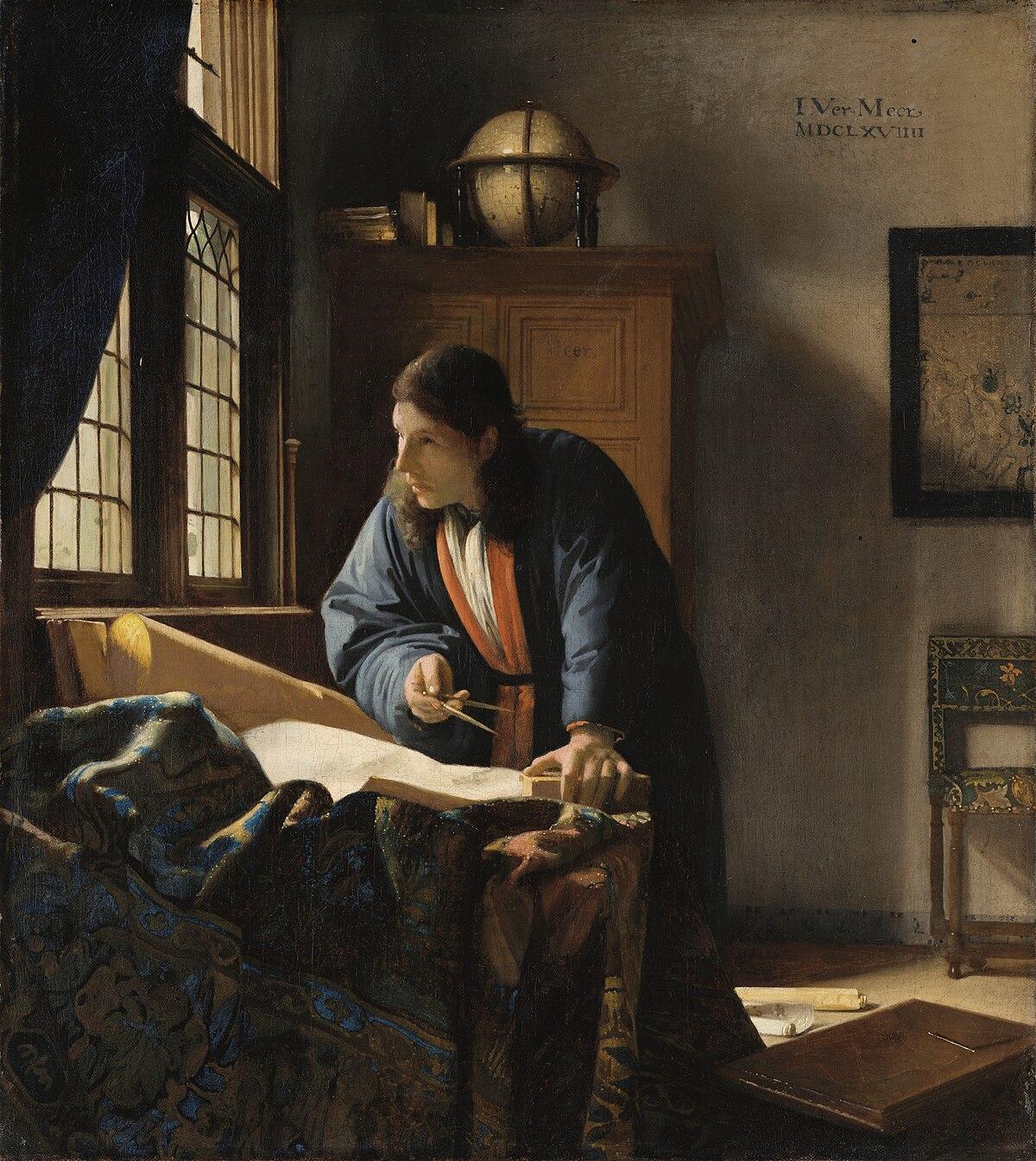
The Geographer
Johannes Vermeer, 1668
- Same artist
- Same movement
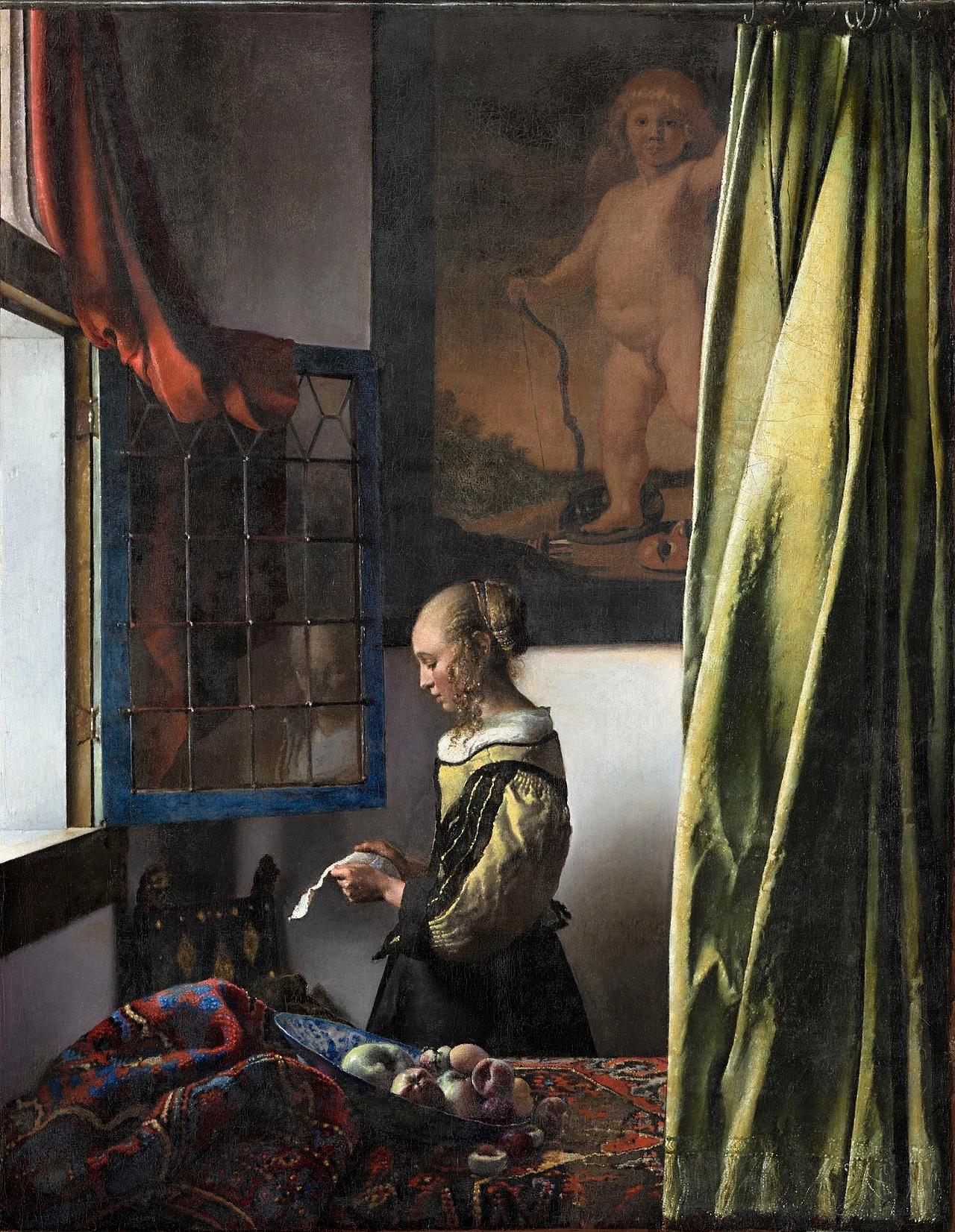
Woman Reading a Letter
Johannes Vermeer, 1663

- Same movement
- Same museum
Still Life with Fruit and Lobster
Jan Davidsz. de Heem, 1648
- Same movement
- Same museum
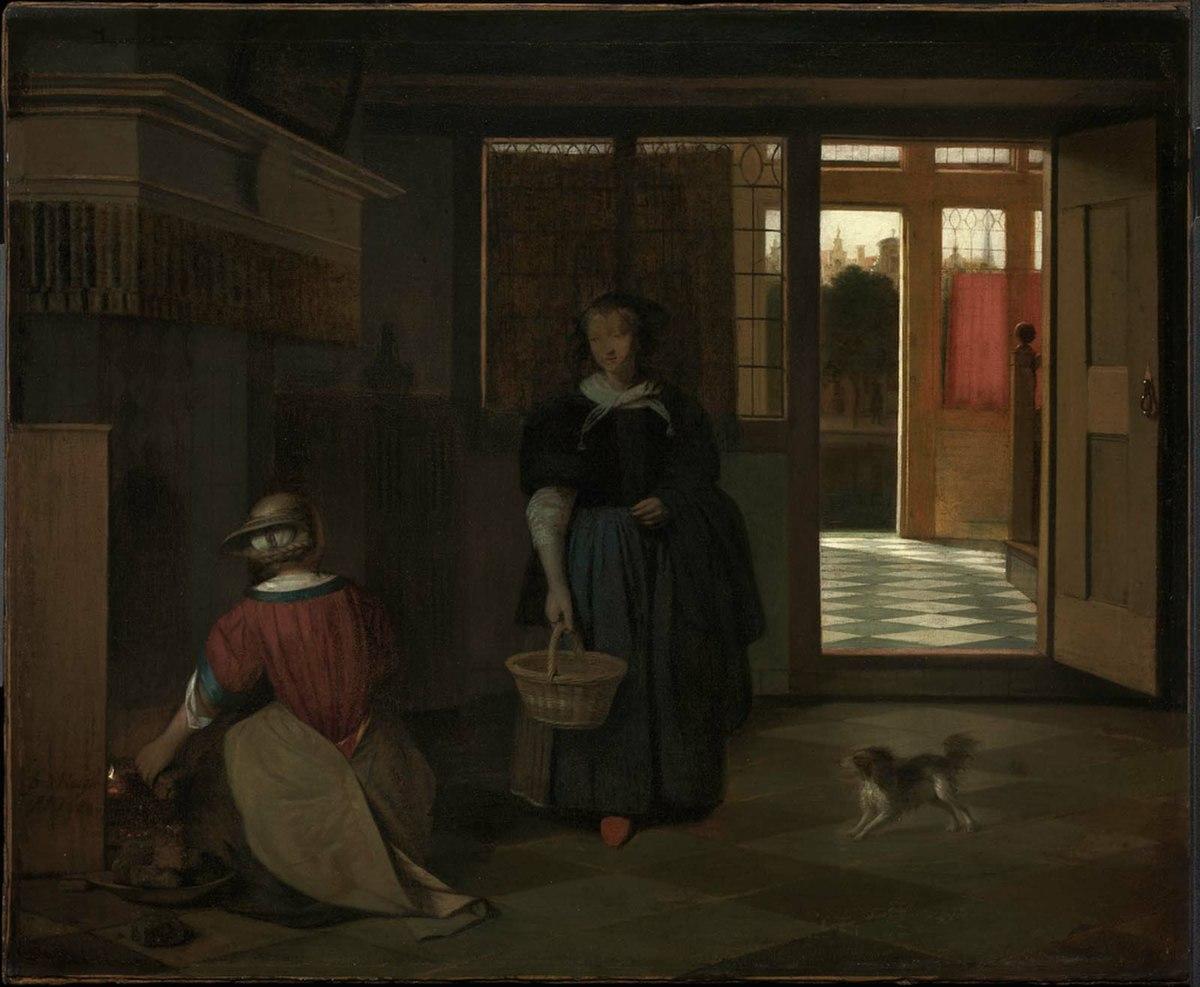
Interior of a Dutch House
Pieter de Hooch

- Same movement
- Same museum
The Lute Player
Frans Hals
- Same movement
- Same museum
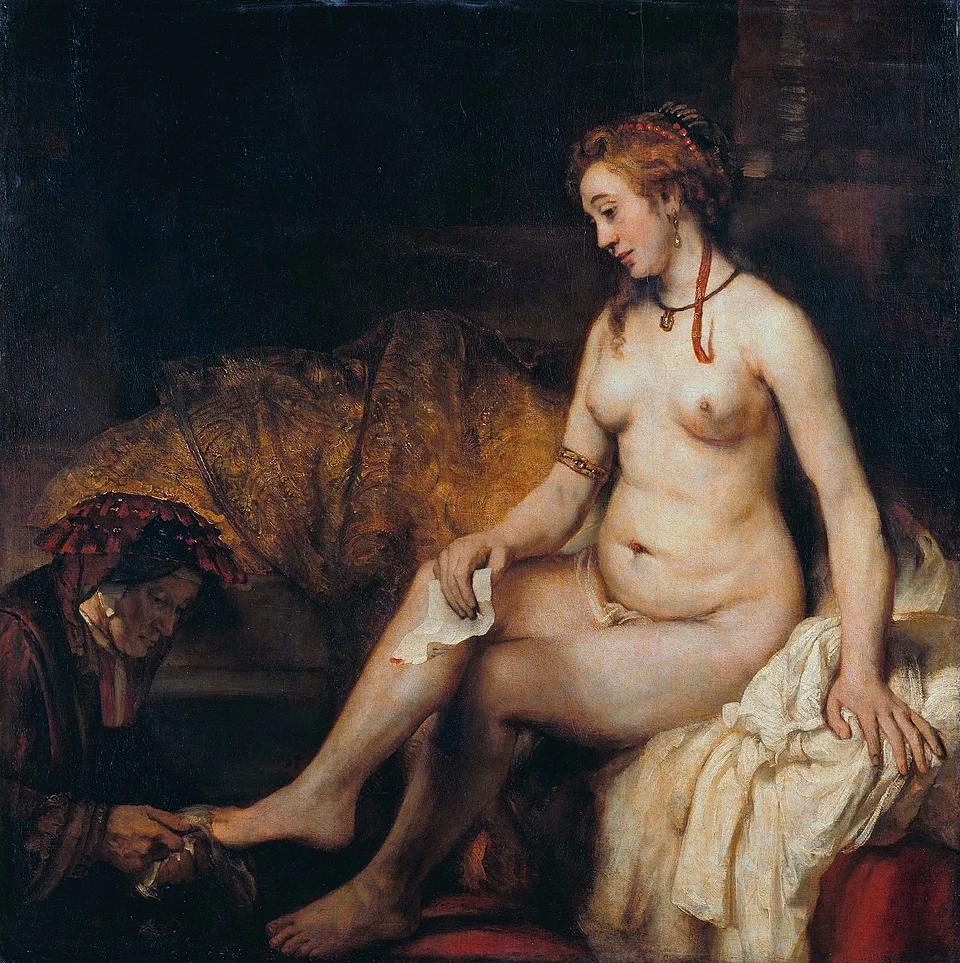
Bathsheba at Her Bath
Rembrandt van Rijn, 1654
- Same movement
- Same museum
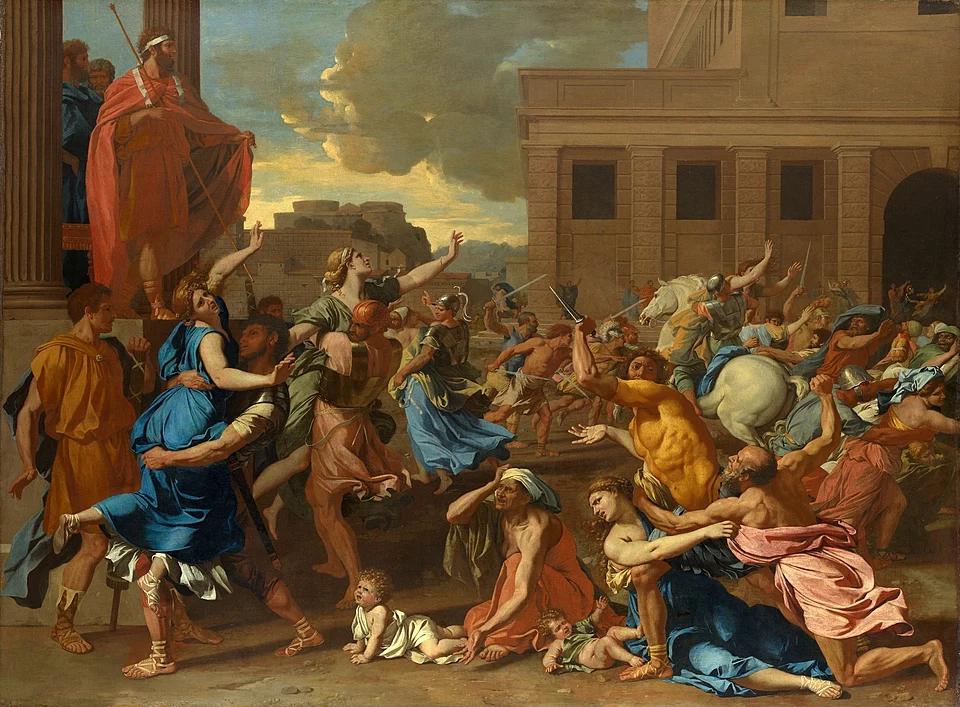
The Rape of the Sabine Women
Nicolas Poussin, 1638
- Same movement
- Same museum
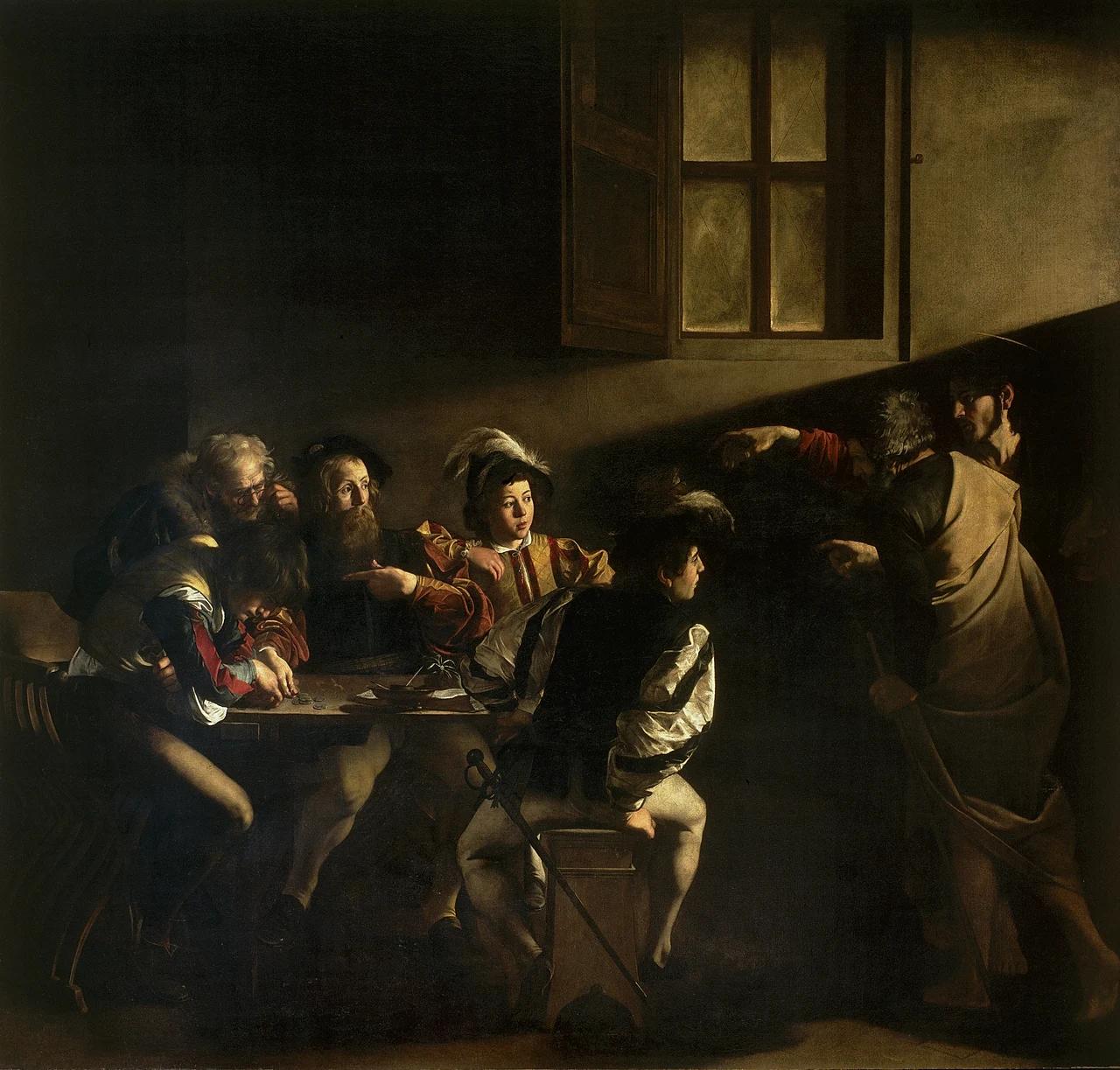
The Calling of Saint Matthew
Caravaggio, 1600
- Same movement
- Same museum
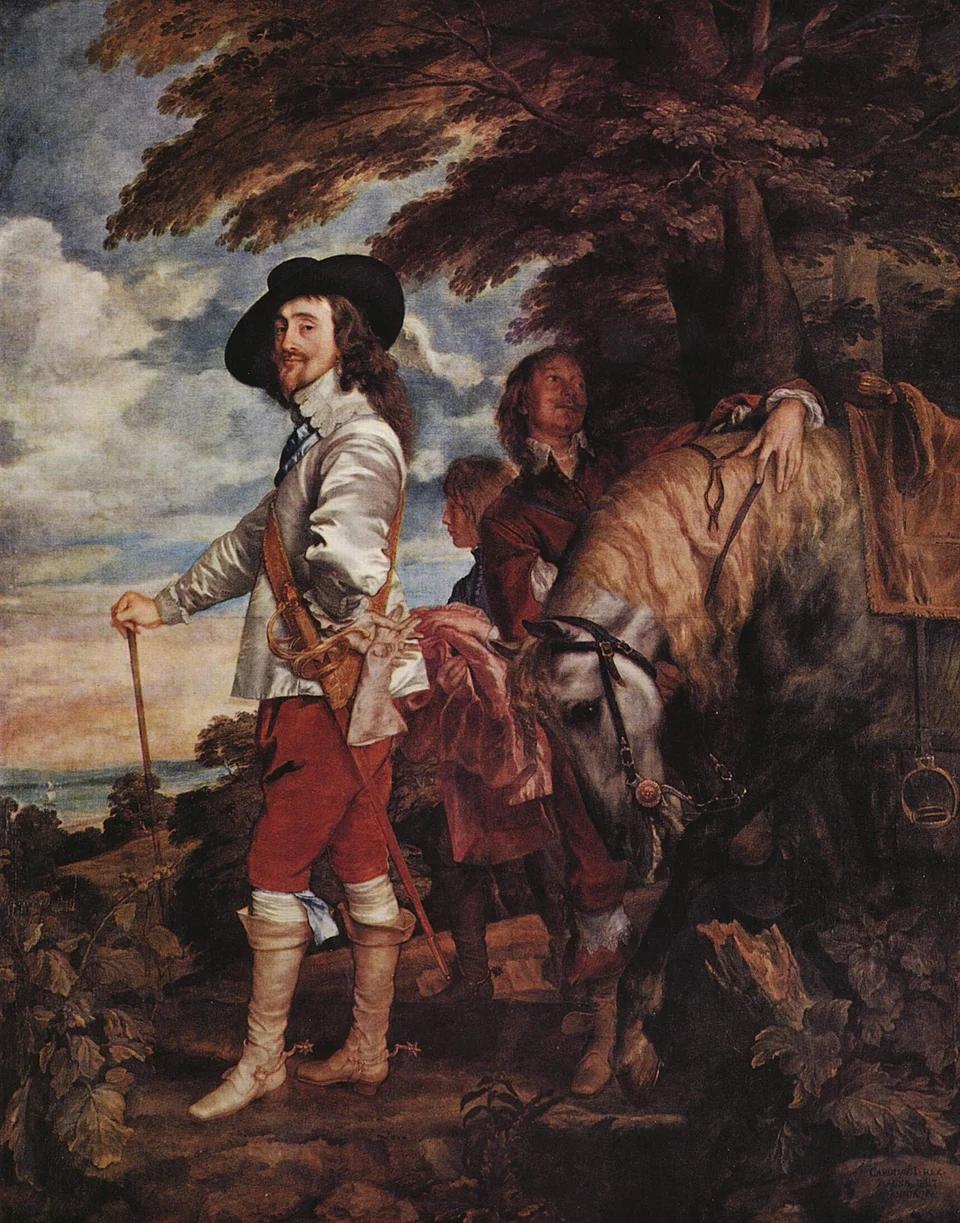
Charles I at the Hunt
Anthony van Dyck, 1635
- Same movement
- Same museum
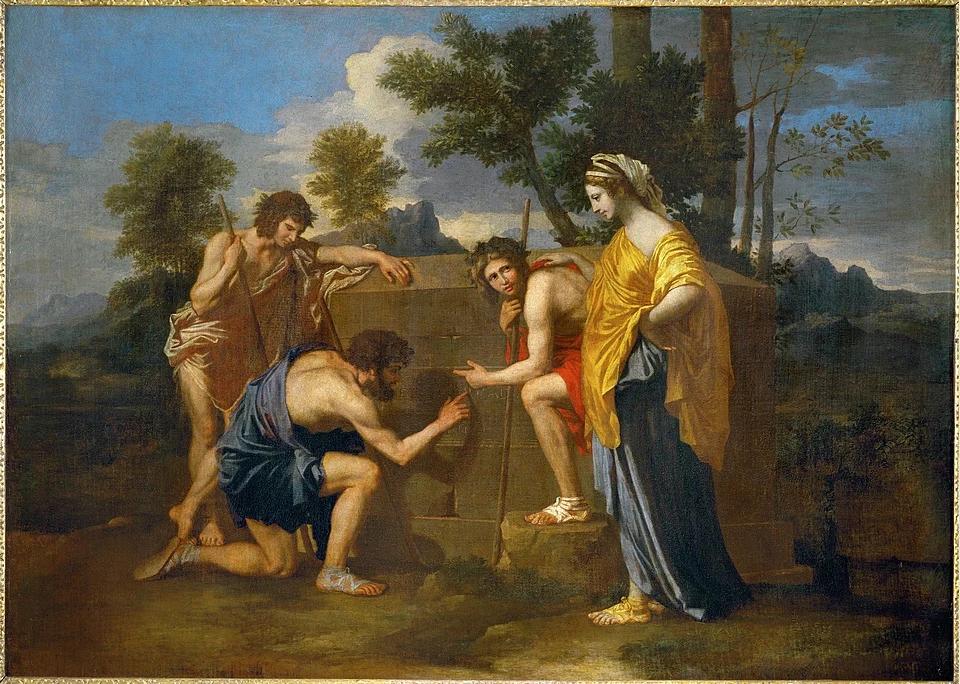
Et in Arcadia Ego
Nicolas Poussin, 1638
- Same movement
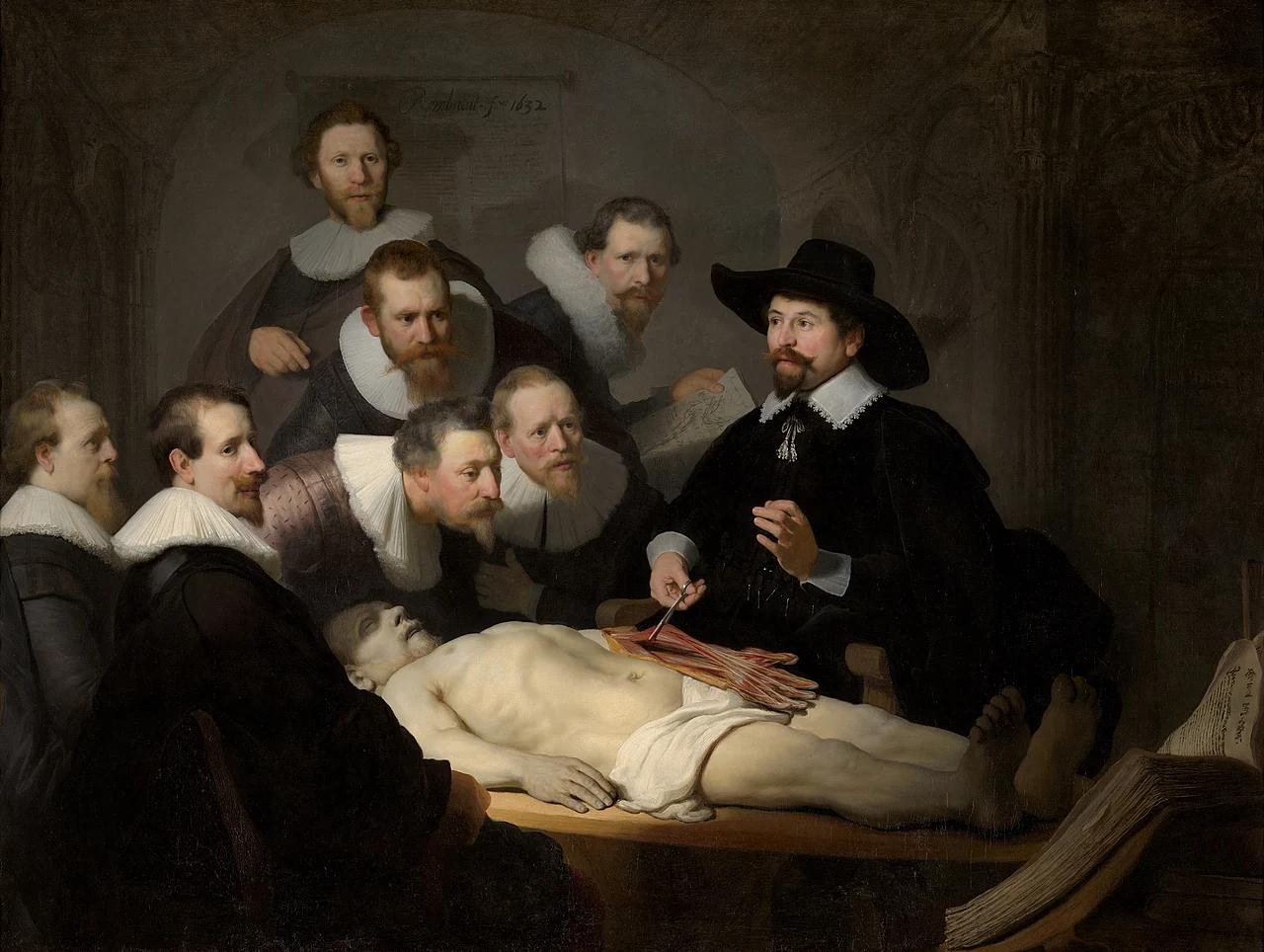
The Anatomy Lesson of Dr. Nicolaes Tulp
Rembrandt van Rijn, 1632
About The Astronomer
The Astronomer has a companion piece, The Geographer, now at the Städel Museum in Frankfurt. Both likely show the same model and celebrate Dutch intellectual achievements during the Golden Age.
The astronomer studies a celestial globe showing the constellations while reaching toward it. An astrolabe, books, and carpet-covered table reflect 17th-century Dutch scholarly life and the era's passion for scientific inquiry.
Own Art Like This
Luxury wall art with the same mood and energy. Gallery-quality canvas, no museum crowds.
Browse Collection